If you are searching for vitamins wound healing UK guidance after a sports injury, the honest starting point is the plate, not the bottle. A torn hamstring, a sprained ankle or a deep graze all rebuild tissue from the same raw materials: protein, energy, and a handful of vitamins and minerals. Most active adults spend their layoff thinking about physio and load management, then wonder why recovery feels slow. This guide covers which micronutrients matter for tissue repair, how they compare with food-first habits, and where a supplement can sensibly fill a gap.
Key Insight |
Explanation |
|---|---|
Eat enough energy before you think about vitamins |
Tissue repair suffers when intake is too low. The NATA article on nutrition in wound healing notes that adequate energy helps tissue repair and that a negative energy balance pushes the body to use protein as fuel. |
Protein has several repair jobs |
Protein supports collagen synthesis, the growth of new capillaries and wound closure, so cutting it during a layoff works against the repair itself. |
Vitamin C is the one to check first |
Collagen formation depends on it, and NHS patient guidance lists it among the nutrients the body needs for recovery. |
Zinc, iron and vitamin A are easy to under-eat |
UK health service leaflets list these nutrients as supporting tissue repair and healthy skin. A drop in appetite during rest makes gaps more likely. |
Do not add iron on a hunch |
Iron only helps when you are short of it, and too much can cause problems. Ask your GP for a blood test before buying a dedicated iron product. |
Eating needs do not stop when training does |
Reduced activity does not mean reduced need. Keep meals regular, roughly every three to four hours, to protect appetite and steady intake. |
Wound healing after a sports injury moves through overlapping stages. Early on, the body controls bleeding and inflammation, clears damaged tissue and starts laying down new structure. Each stage draws on the same nutrients, just at different intensities.
The NATA article by Monica Serra, a registered dietitian and certified athletic trainer, describes the acute phase as the period of rest and immobilisation when the nutritional goal is to prevent loss of muscle mass while allowing the tissue to heal. That framing changes what you should eat. In week one you are not trying to build a new body, you are trying to stop the injury from eroding the one you already have.
In practice, the mistake that slows people down most is treating the acute phase as a full diet holiday. Appetite often drops when training stops, and meals shrink into toast and tea without anyone noticing. Tissue still needs building blocks even when your gym bag is sitting unopened.
The needs themselves depend on the injury. The NATA article notes that calorie recommendations depend on severity, body composition, age and treatment regimen, so someone with a minor sprain and someone immobilised after a fracture should not follow the same numbers.
Calorie needs after injury are not fixed. The NATA article reports that energy expenditure can increase by up to 50 percent in patients who are severely injured, while immobilisation and reduced activity pull the other way. Balancing those two forces is the real job, and a blanket "eat less while you rest" approach can backfire.
Adequate energy allows tissue to repair and helps prevent the inflammation that follows when intake is suboptimal. The same source recommends small meals every three to four hours to avoid an upset stomach and keep intake steady. When energy runs short, protein gets burned for fuel instead of repair, which is the outcome you are trying to prevent.
Protein has several jobs in repair. It supports collagen synthesis, the growth of new capillaries and the epithelialisation that closes a wound. Low protein intake is associated with inflammation and slower wound remodelling.
There is no consensus on an exact target. The NATA article cites studies suggesting intakes of 1.5 to 3 g of protein per kg of body weight per day may be needed to prevent muscle loss during negative energy balance. Older adults may need more, because the ability to synthesise protein can decline with age. Treat that range as a question to take to a dietitian, not a number to copy onto your fridge.
Pro tip: Spread protein across three or four meals rather than loading it all at dinner. If appetite is low, a protein-rich snack between meals is easier to finish than a large plate. For timing around sessions, read Post-Workout Recovery Nutrition UK: The Complete Guide.
Once energy and protein are covered, micronutrients decide how well repair runs. The sources I checked point to the same short list again and again: vitamin C, vitamin A, vitamin E, zinc and iron. None of them is a repair switch, but each has a job you cannot skip.
Vitamin C is the nutrient I would check first. The body needs it to make collagen, the structural protein that rebuilds tendon, ligament and skin. An NHS patient guide on eating before and after surgery lists vitamin C alongside iron and zinc as nutrients needed for recovery. Fruit, vegetables and potatoes are the usual sources, and intake tends to slip when meals get smaller.
Alberta Health Services guidance on eating well for wound healing groups vitamin A, vitamin C and zinc together, noting they help the body repair tissue damage, fight infection and keep skin healthy. Infection matters because grazes, blisters and surgical wounds are all entry points for bacteria. For a wider look at micronutrients during demanding training blocks, see Immune Support Vitamins UK: Guide for Active People.
Wound repair is limited by what the body has available to build with. A diet that looks adequate in a normal training week can fall short once tissue demand rises.
An NHS patient leaflet on dietary information for wound healing lists iron and zinc alongside vitamins A, C and E as beneficial. Vitamin E is an antioxidant, and its role in active adults is covered in Vitamin E and Exercise: The Antioxidant Role UK Adults Miss. Iron carries oxygen in the blood, so a shortfall can leave you feeling flat during rehab, but it is also a nutrient where excess causes harm. Check your levels before assuming you need more.
Vitamin K plays a separate role in blood clotting and bone health, which is why it deserves its own discussion in Vitamin K for Athletes UK: Bones, Blood & Beyond.
Pro tip: Write down what you ate on three typical days during your layoff, then check that list for vitamin C, zinc and protein sources. The gaps usually show up on a single page.
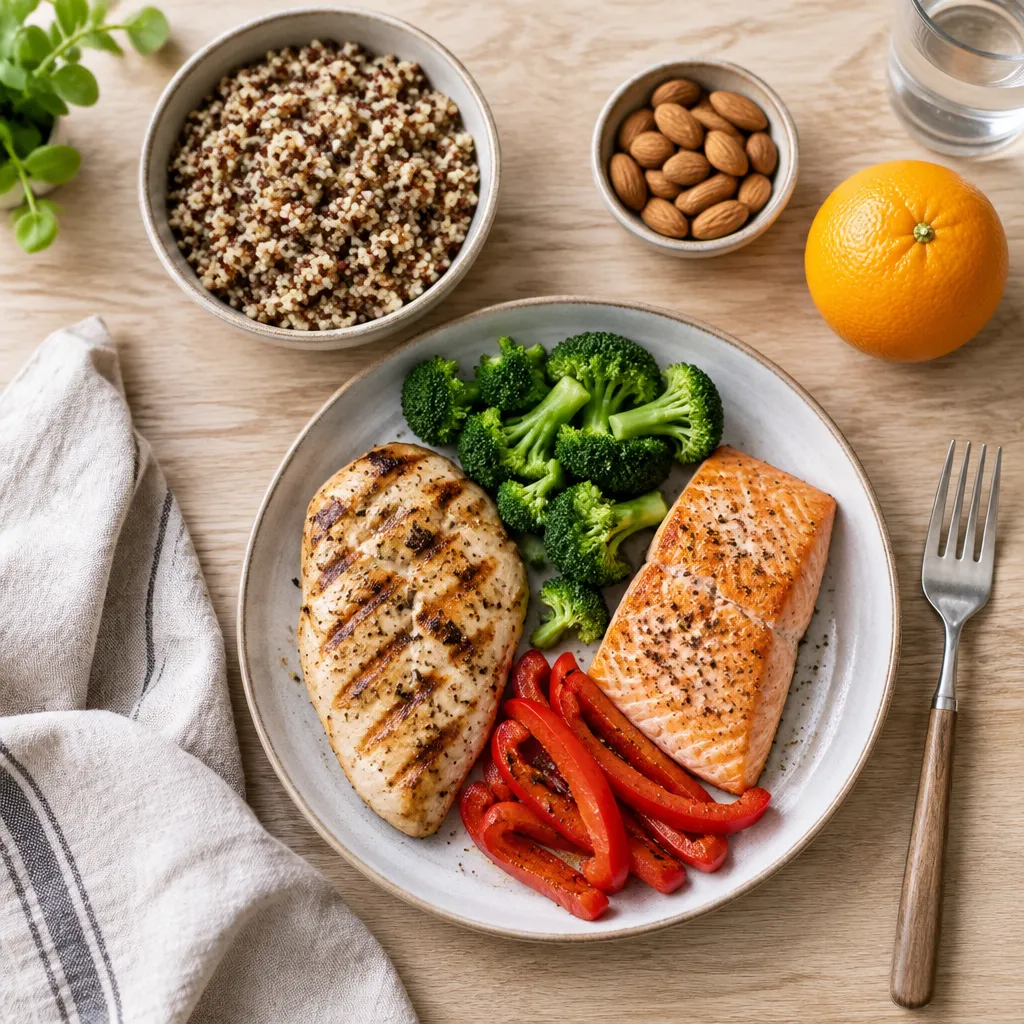
The real choice is not food versus supplements. It is which approach covers which gap. A plate built around protein, colourful produce and dairy or fortified alternatives does most of the work. Supplements are a tool for specific shortfalls, not a substitute for meals.

Here is how the three main approaches compare for an active adult in recovery.
Approach |
What it covers |
Where it fits after an injury |
|---|---|---|
Whole-food plate (meat, fish, eggs, dairy or fortified alternatives, pulses, fruit and vegetables) |
Protein, energy, vitamins A, C and E, zinc and iron in one meal pattern |
The foundation for every phase of recovery. No supplement replaces it. |
Single-nutrient supplement (for example, iron on its own) |
One nutrient at a set dose |
Only after a blood test or clinical advice confirms a gap. |
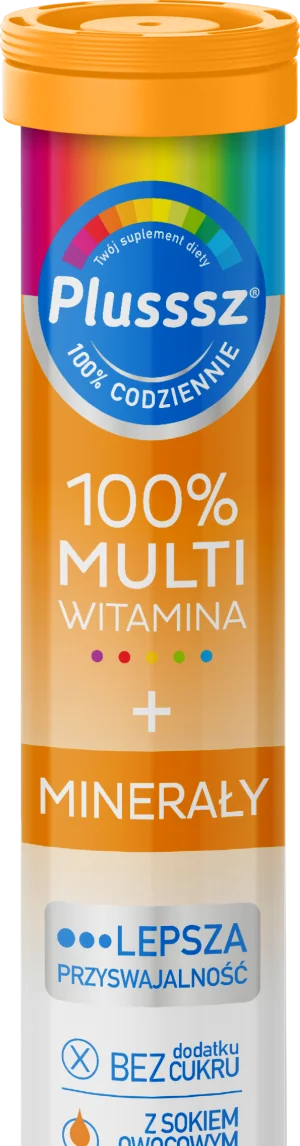
Multivitamin complex (for example, Plusssz 100% Multivitamin + Iron from 6.95) |
Broad coverage across many micronutrients at once |
A backup when meals are patchy. It does not replace protein or calories. |
The multivitamin row is the only one that covers several gaps at once, which is why it suits people whose meals become irregular during a layoff. Plusssz 100% Multivitamin + Minerals is also from 6.95, and Plusssz 100% Multivitamin WOMAN Complex is from 6.95 for women who want a formula built for their needs. The iron version only makes sense if testing has shown you need iron. For a broader comparison of formats, see Best Multivitamins for Active Women and Men UK.
A supplement is a fix for a known gap, so start by finding the gap. Log your food for three ordinary days and check for vitamin C, zinc, iron, protein and total energy. If those boxes are ticked on most days, an extra product adds little. If two or more are missing, a multivitamin is a sensible place to begin.
Iron is the supplement most likely to cause trouble when taken on a hunch. Ask your GP for a blood test and only add an iron-containing product if levels are low. Kingston and Richmond NHS leaflets list iron supplements among the common supplement types, but the leaflet context is about children and selective eating, so the principle is the same: test first, supplement second.
Electrolytes do not heal wounds directly. The RNOH patient guide lists plenty of fluids among the things the body needs to support recovery, and a dehydrated body recovers less comfortably. Plusssz Electrolytes SPORT 100% Complex is from 5.95 and is formulated with no added sugar, which suits people who want hydration without extra sweetness. For more on that topic, see Electrolytes for Sports Recovery: Your Secret Weapon.
Dietary supplements should not be used as a substitute for a balanced and varied diet. If you are unsure whether a product suits your situation, speak to your GP or a registered dietitian first.
The NATA article describes a shift once the rest period ends. Rehabilitation focuses on activity at the injured site, and nutritional goals move toward strength gains and muscle hypertrophy. Your plate has to stop protecting muscle and start building it, which usually means more protein per meal and steady energy around each session.
Intake that was enough during rest may fall short once training volume climbs. Recheck your energy and protein when you add sessions, not only when you feel hungry. Rebuilding is a slow process, so the aim is consistency across weeks rather than one heavy protein day.
For day-to-day structure, Exercise Recovery Nutrition UK: Train Smarter Between Sessions covers how to time meals between sessions, and Post-Workout Recovery UK: The Complete Checklist gives you a simple routine to follow.
Pro tip: Return one session at a time and match your meals to the load you are actually doing, not the date on the calendar. If you are constantly hungry during the first few weeks back, your intake has probably not caught up with your training.
Most of the errors below are predictable, which means they are also avoidable. None of them needs expensive products to fix.

This is the error I would fix first. Training stops, appetite drops, and the plate shrinks at the same time. The result is a body that has less material to repair with and less energy to spend on repair. Keep portions steady and build meals around protein and vegetables even on the days you feel like doing very little.
A common mistake is filling a basket with several products at once. Stacking supplements makes it impossible to know which one helped, and it increases the chance of doubling up on nutrients such as iron. Start with one product that fills a documented gap, then review after a few weeks.
A supplement sits on top of food, not in place of it. If your meals are missing protein, a multivitamin will not solve the problem. The practical approach is covered in Balanced Diet and Supplements UK: The Active Person's Guide.
Vitamins support the processes that repair tissue, but a supplement cannot override poor intake. If your diet already covers vitamin C, zinc and protein, extra doses are unlikely to change your timeline in any meaningful way.
Start with vitamin C. The body needs it to make collagen, and it appears in NHS guidance on nutrients for recovery. Vitamin A and zinc are the next two to review, since they are listed alongside vitamin C in Alberta Health Services guidance on eating well for wound healing.
Only if a GP or dietitian confirms low iron through a blood test. Iron is useful when you are short of it, but taking it without a need can cause problems, so do not add it as a default.
There is no consensus. The NATA article cites studies suggesting intakes of 1.5 to 3 g per kg of body weight per day may be needed to prevent muscle loss during negative energy balance. Use that as a starting question for a dietitian, especially if you are older.
No. A multivitamin can fill small nutrient gaps, but it provides no meaningful protein or energy. Keep meals regular and treat the multivitamin as a backup for days when eating is patchy.
Electrolytes support hydration rather than wound closure directly. Staying well hydrated supports overall recovery, which is why fluids appear in patient guidance, but hydration alone will not repair tissue.
Share your experience of eating through a layoff, and tell us which nutrient you found hardest to keep up with during your own recovery.