Most active people in the UK are supplementing blind. They grab a generic multivitamin off a supermarket shelf, take it for a few weeks, feel nothing specific, and quietly stop. The problem is not supplementation itself. The problem is picking a formula built for someone else's biology and training demands. The best multivitamins for active women look fundamentally different from what men need after intense training, and both differ from what older active adults require. This guide cuts through the noise and explains exactly what to look for, what to avoid, and which formulations actually fit the demands of a genuinely active lifestyle in the UK.
Key Insight |
Explanation |
|---|---|
Iron matters differently for women |
Active women, especially those who menstruate, lose significantly more iron than men. A women-specific formula must include iron at meaningful levels, not a token dose. |
Men need zinc and B6 prioritised |
Zinc supports testosterone regulation and immune resilience after hard training sessions. Many generic multivitamins under-dose this mineral for male physiology. |
Magnesium is the silent performance mineral |
Up to 57% of UK adults do not meet magnesium reference intakes. For athletes this translates directly to poor sleep, cramps, and slower recovery. |
Sugar-free formulas are not optional for active users |
Added sugar in supplements spikes insulin at the wrong time and undermines the clean-nutrition approach most active individuals are already practicing. |
Nutrient assimilability determines actual results |
A high-dose formula with poor bioavailability delivers less than a moderate-dose formula in the correct form. Check for chelated minerals and methylated B vitamins. |
Seniors need vitamin D3 and B12 at higher levels |
Absorption of B12 and conversion of vitamin D decline with age. Older active adults should look for formulas that account for this, not rely on standard dosing. |
Electrolyte gaps compound vitamin deficiencies |
A multivitamin without electrolyte support leaves hydration incomplete. Pairing a targeted multivitamin complex with an electrolyte product closes this gap efficiently. |
A generic one-a-day multivitamin is calibrated to meet the nutritional baseline of a sedentary adult who eats adequately. That profile describes almost nobody who is regularly running, cycling, lifting, or playing sport. Active people sweat out electrolytes, burn through B vitamins during energy metabolism, and create greater oxidative stress that demands more antioxidant micronutrients. A standard supermarket tablet simply cannot cover this.
The data consistently shows that exercise increases the turnover rate of several key micronutrients. According to research published by the British Nutrition Foundation, physical activity raises the demand for B vitamins, vitamin C, vitamin E, and minerals including zinc and magnesium well beyond sedentary reference values. Buying a formula designed for sedentary reference intakes and expecting performance-level results is a mismatch in design, not in effort.
A common mistake is treating multivitamins as insurance rather than as targeted nutrition. Insurance thinking leads people to buy cheap and general. Targeted thinking leads people to ask what their specific training, biology, and lifestyle actually depletes. That question points directly toward sex-specific and activity-specific formulations.


Pro tip: Before buying any multivitamin complex UK, list the three physical activities you do most frequently and the approximate sweat volume per session. This tells you immediately whether you need higher B-vitamin dosing, more electrolyte support, or both.
Active women have nutritional requirements that differ from men in ways that go well beyond reproductive health. Training, hormonal cycles, and bone density demands all converge to create a specific micronutrient profile that no unisex formula handles properly.
Iron deficiency without anaemia is extremely common among active women and is one of the leading causes of unexplained fatigue and declining performance. The NHS reports that women between 19 and 50 need approximately 14.8mg of iron per day, compared to just 8.7mg for men. Active women who train intensively can push that requirement higher still, particularly runners due to foot-strike haemolysis.
An iron supplement for women UK needs to provide iron in a form the body can actually absorb. Ferrous bisglycinate is significantly better tolerated and absorbed than ferrous sulphate, which causes digestive discomfort in many users. Any women-specific formula worth buying will specify the iron form on the label, not just the milligram amount.
Active women experience rapid cell turnover during muscle repair and recovery. Folate and B12 are central to this process. The key is to look for methylfolate and methylcobalamin rather than folic acid and cyanocobalamin. The methylated forms bypass a genetic variation that affects roughly 40% of the population and prevents conversion of the synthetic forms into the active versions the body uses.
High-impact training builds bone density but only if calcium and vitamin D3 are present in adequate amounts. Women have a smaller peak bone mass than men and begin losing bone density earlier. A formula that omits or under-doses these nutrients is not suitable for active women regardless of how good the B-vitamin panel looks.
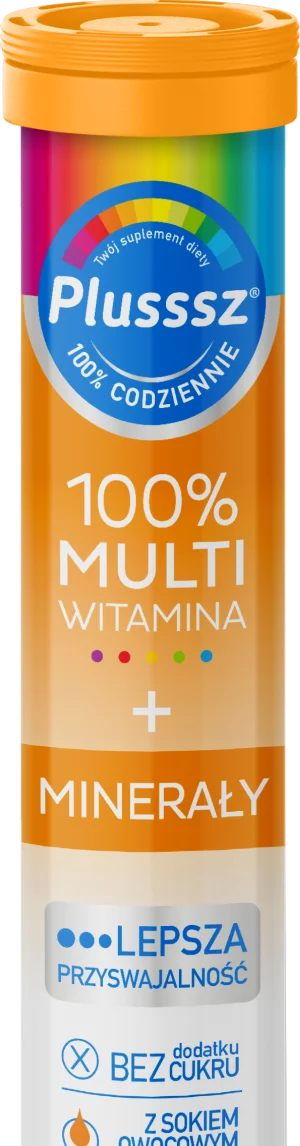
The Plusssz Multivitamin WOMAN formula addresses exactly this profile, combining iron at a meaningful dose with vitamin D3, B12, and folate in a no-added-sugar tablet designed for the nutritional demands of active women. It is one of the few UK-market products that takes sex-specific formulation seriously rather than simply adjusting label colours.
Men's formulations fail for a different reason. Many men's multivitamins on the UK market are essentially standard formulas rebadged with performance-adjacent branding. The actual nutrient profile does not reflect the demands of training, stress recovery, or the specific hormonal environment of active men.
Zinc is depleted rapidly through sweat and plays a direct role in testosterone synthesis, immune function, and protein metabolism. Active men training four or more sessions per week will deplete zinc faster than they replace it through diet alone, particularly if they are not eating red meat consistently. A credible men's multivitamin UK should provide at least 10mg of zinc, ideally as zinc bisglycinate or zinc gluconate for better absorption.
Sleep quality is where most men's performance gains or losses are actually decided. Vitamin B6 and magnesium both support neurotransmitter production and sleep architecture. In practice, training hard while sleeping poorly erases a significant portion of the adaptation stimulus. A men's formula that does not include both of these nutrients in meaningful doses is missing the recovery dimension entirely.
Intense training generates oxidative stress as a byproduct of mitochondrial energy production. Selenium and vitamin E work together as antioxidant partners to manage this load without suppressing the adaptive signal completely. This is a nuanced balance. Very high-dose antioxidant supplementation can blunt training adaptation, but adequate dietary levels support recovery without interference.
The Plusssz Multivitamin MEN formula includes zinc, magnesium, selenium, and B6 alongside the core vitamin panel. This is the kind of specific formulation that separates a product built for active men from a generic tablet with a blue label.
Pro tip: If you are training more than four times per week and consistently sleeping fewer than seven hours, check your multivitamin for magnesium and B6 before looking at sleep-specific supplements. The deficiency is often already in your stack, or rather, missing from it.
Sex-specific formulation matters, but certain micronutrients are non-negotiable for every active person regardless of biology, age, or sport. These are the baseline below which no amount of training optimisation, protein intake, or recovery work can compensate effectively.
Vitamin D3 is the most consistently deficient nutrient in the UK population. Public Health England data shows that approximately 1 in 5 UK adults has low vitamin D levels, with the figure rising significantly during autumn and winter. For active individuals, vitamin D is not just a bone nutrient. It supports muscle function, immune regulation, and mood stability, all of which affect training consistency.
Vitamin C is critical for collagen synthesis, which means it is directly relevant to tendon and ligament health in athletes. Training increases collagen turnover and the demand for the vitamin C needed to support it. This is not a case where eating a couple of oranges closes the gap for someone training daily.
B-vitamin complex, particularly B1, B2, B3, B6, and B12, underpins every aspect of cellular energy production. Active people run through these faster than sedentary individuals because their mitochondria are working harder and more frequently. A multivitamin complex UK that low-doses the B panel to hit a price point is not serving active users.
"Micronutrient deficiencies can impair physical performance even in the absence of clinical deficiency symptoms. Athletes are particularly vulnerable due to increased losses through sweat and heightened metabolic demands." - European Journal of Sports Science position statement on micronutrition in athletic populations.
The label on a multivitamin is where most purchase decisions go wrong. Consumers scan for familiar nutrient names and ignore the forms, doses, and fillers that determine whether a product actually works.

The first thing to check is the form of each nutrient, not just its name. Magnesium oxide is cheap, poorly absorbed, and acts primarily as a laxative. Magnesium bisglycinate or magnesium citrate are substantially more bioavailable. The same distinction applies across the label: cyanocobalamin versus methylcobalamin for B12, cholecalciferol versus ergocalciferol for vitamin D, and calcium carbonate versus calcium citrate for calcium absorption.
The second thing to check is whether doses are listed as elemental amounts. Some labels list the compound weight rather than the elemental mineral content. 500mg of magnesium oxide contains roughly 300mg of elemental magnesium. The elemental figure is what matters for gauging the actual nutritional dose.
The third thing to check is the presence of added sugar, artificial colours, and unnecessary fillers. These are not neutral. They are red flags. Any brand marketing itself to active, health-conscious individuals while adding sugar to its formula is prioritising palatability over performance.
Look for products that explicitly state no added sugar, clearly list nutrient forms, and provide percentage reference nutrient intake figures relative to UK standards. Plusssz formulas list all of these details clearly, which is the minimum standard any serious supplement brand should meet.
Not all multivitamin strategies are equal. The table below compares three distinct approaches that active UK consumers commonly encounter when choosing a multivitamin complex.
Approach |
Strengths |
Weaknesses for Active Users |
|---|---|---|
Generic one-a-day supermarket multivitamin |
Low cost, widely available, convenient |
Dosed for sedentary adults, poor bioavailability forms, often contains fillers and added sugar, no sex-specific adjustment |
Sport-focused single-nutrient stack (e.g. separate iron, magnesium, zinc, D3) |
Allows precise dosing of each nutrient, choose best forms for each mineral |
Expensive, complex to manage, risk of over-supplementing fat-soluble vitamins, requires detailed nutritional knowledge to execute well |
Sex-specific multivitamin complex for active adults (e.g. Plusssz WOMAN or MEN) |
Formulated around actual sex-specific and activity-specific needs, no added sugar, correct nutrient forms, single-product convenience |
Requires correct product selection (WOMAN vs MEN vs senior formula), may still need separate electrolyte support for heavy training days |
In practice, the sex-specific multivitamin complex approach wins for the majority of active adults who are not elite athletes or working with a sports dietitian. It combines the convenience of a single product with the targeted formulation that generic options cannot provide. The single-nutrient stack is genuinely valuable but requires knowledge and discipline that most people do not maintain consistently.
Plusssz operates in a specific niche: electrolyte hydration and multivitamin products for active adults, built without added sugar and with a focus on nutrient assimilability. This positions the brand differently from competitors like Science in Sport or High Five, which focus primarily on carbohydrate-based energy products and basic electrolyte tabs, and from ORS Hydration, which centres on oral rehydration therapy. Plusssz is building toward a complete active nutrition stack, not just a single product category.
The Plusssz Multivitamin WOMAN addresses the key deficits most active women face: iron at a meaningful level, methylated B vitamins, vitamin D3, and calcium. The no-added-sugar formulation is consistent with the clean nutrition philosophy most active women already follow. The formula does not pad out the label with high doses of nutrients women rarely lack (such as vitamin K2 at levels irrelevant to non-menopausal women) in order to look impressive on paper.
The Plusssz Multivitamin MEN leads with zinc, magnesium, selenium, and the B-complex nutrients most depleted during heavy training. It also includes vitamin D3, which is non-negotiable for the UK market given the country's sunlight limitations. The formula avoids iron at high doses, which is correct. Active men rarely need iron supplementation and excess iron carries oxidative risks over time.
Pairing either formula with the Plusssz electrolyte hydration products creates a genuinely complete daily micronutrient and hydration strategy. The multivitamin covers the fat-soluble vitamins, the specific mineral profile, and the B-complex needs. The electrolyte product covers sodium, potassium, and rapid rehydration during and after sessions. These two product categories complement rather than duplicate each other.
If there are two minerals that active people in the UK consistently under-prioritise, they are magnesium and iron. Neither is glamorous. Neither is marketed with the same enthusiasm as protein or creatine. Both have a more direct impact on daily training quality than either of those compounds for a large proportion of the population.
The UK National Diet and Nutrition Survey consistently finds that a substantial proportion of adults fail to meet the reference nutrient intake for magnesium, which is 300mg per day for men and 270mg for women. Active adults push those needs higher through sweat losses. The consequences are not dramatic deficiency symptoms but rather a persistent low-grade performance drag: poorer sleep quality, more frequent muscle cramps, elevated resting heart rate, and slower neuromuscular recovery between sessions.
A quality magnesium supplement UK should deliver magnesium in bisglycinate or citrate form. Avoid magnesium oxide for performance purposes. The dose matters too. A formula that provides 50mg of elemental magnesium is effectively decorative. Look for 150mg or more of elemental magnesium from a bioavailable source.
Iron supplementation divides along clear biological lines. Active women who menstruate have a genuine and measurable need for additional iron. Active men generally do not, and supplementing iron without a deficiency serves no performance purpose while adding unnecessary oxidative burden. This is why sex-specific formulations matter in practice, not just in theory.
An iron supplement for women UK within a multivitamin context should provide iron alongside vitamin C, which significantly enhances non-haem iron absorption. Separating these nutrients across different supplement products taken at different times of day partially defeats the purpose. A well-designed women's formula packages them together.
The data consistently shows that iron and magnesium deficiency combined creates a compounding fatigue problem that no amount of caffeine or carbohydrate intake will fully resolve. Addressing the mineral foundation first is not a minor adjustment to training. It is often the single highest-return change an active woman can make to her supplement routine.
A multivitamin suited for active women must include iron at the full reference nutrient intake level (around 14mg), prioritise methylated B vitamins for energy metabolism and cell renewal, and include vitamin D3 and calcium for bone density under training load. Standard formulas omit or under-dose iron and rarely specify bioavailable B-vitamin forms. The difference is not cosmetic. It reflects genuinely different physiological needs driven by menstruation, hormonal cycles, and the bone density demands of impact training.
Yes, and the gap is meaningful. Active men deplete zinc, magnesium, and B vitamins faster through training, sweat, and elevated metabolic rate. A general men's multivitamin calibrated for sedentary reference intakes will not fully replace what training removes. Look for a men's multivitamin UK formula that doses zinc at 10mg or above, provides magnesium from a bioavailable source, and includes a complete B-complex panel rather than just B6 and B12.
Yes, and for many active adults this is the right approach. Even a well-formulated multivitamin rarely provides the full daily magnesium target (270 to 300mg elemental) within a single tablet because of the physical space the mineral requires. A separate magnesium bisglycinate supplement taken in the evening, away from calcium-containing foods, is a practical way to close the gap without any significant interaction risk with a daily multivitamin.
For most menstruating active women, daily iron at the reference nutrient intake level within a multivitamin is appropriate and carries no meaningful risk. The concern about excess iron applies primarily to high-dose standalone iron supplements taken far above reference intakes, not to iron included at RNI levels within a balanced formula. If you have haemochromatosis or another iron-absorption disorder, seek medical advice first. For the general active female population, a women's-specific multivitamin with iron at standard levels is both safe and genuinely useful.
Take it with a meal, ideally one containing some dietary fat, because fat-soluble vitamins (A, D, E, K) require dietary fat for absorption. The timing relative to training matters less than consistency and pairing with food. If your training is in the morning and you train fasted, take the multivitamin at your first meal post-training rather than forcing it before training on an empty stomach, which can cause nausea with B vitamins at higher doses.
Science in Sport and High Five are built around sports energy nutrition: gels, carbohydrate drinks, and basic electrolyte products for performance during exercise. They are not multivitamin companies and their supplement ranges, where they exist, are secondary to their carbohydrate-focused product lines. Plusssz is specifically building a micronutrient and hydration stack for daily active lifestyle support, with sex-specific multivitamin formulas and no-added-sugar electrolyte products designed to complement each other. These are different product philosophies aimed at different parts of the active person's nutritional day.
For most people, the clearest early signals are improved energy stability, better sleep quality, and reduced frequency of cramping during exercise. These tend to emerge within three to six weeks of consistent daily use, primarily reflecting recovery of magnesium and B-vitamin status. Iron-related improvements in endurance and reduced fatigue typically take longer, often eight to twelve weeks, because iron stores (ferritin) build slowly. Vitamin D status changes are similarly slow and most noticeable through seasonal resilience and mood stability rather than an immediate performance shift.
Have you switched from a generic multivitamin to a sex-specific formula, and did the change make a noticeable difference to your training or recovery? Share your experience below.