Most active people know that hard training can leave them more susceptible to colds and infections, especially in the days after a tough event. This is not just bad luck. Research published in 2024 confirmed that prolonged, high-intensity physical training places the immune system under real physiological stress, creating what sports scientists call the "open window" period where your defences are genuinely reduced. Getting the right immune support vitamins UK adults and athletes need is not about popping a generic tablet out of habit. It is about knowing exactly which micronutrients are depleted by exercise, why they matter for immune cell function, and how to time and stack them effectively for an active lifestyle.
Key Insight |
Explanation |
|---|---|
The "open window" is a real risk |
After intense exercise, the immune system enters a suppressed state for several hours, increasing infection risk. Targeted micronutrients help close this window faster. |
Vitamin D deficiency is rampant among UK athletes |
A study of UK-based athletes found that 62% showed vitamin D levels below the adequate threshold, even among those who train regularly outdoors. |
Zinc is non-negotiable for immune cell production |
Zinc is essential for producing antibodies and regulating immune cell activity. Exercise depletes it faster than sedentary life does. |
Magnesium loss accelerates with sweat and intensity |
Athletes excrete significantly more magnesium than untrained individuals. Low magnesium is directly linked to impaired immune response and natural killer cell suppression. |
Vitamins C and D act as antioxidants post-exercise |
Both vitamins reduce oxidative stress caused by intense training, protecting immune cells from damage during the recovery window. |
B vitamins support both energy and immune signalling |
Vitamins B6 and B12 are directly involved in immune cell proliferation. Deficiency impairs the body's ability to mount a proper immune response. |
Hydration quality affects nutrient absorption |
Proper electrolyte hydration improves how well your body absorbs and uses immune-critical vitamins. Poor hydration compromises both immunity and nutrient delivery. |
The relationship between exercise and immunity is not linear. Moderate, consistent activity strengthens immune surveillance over time. But push past that threshold, into high-volume training, competition blocks, or back-to-back intense sessions, and the body temporarily shifts resources away from immune defence to focus on repair and recovery.
This is the "open window" theory in practice. In the hours immediately following hard exercise, circulating immune cells change in distribution, inflammatory markers spike, and the mucosal immune defences of the respiratory tract weaken. Endurance athletes and those competing in sustained high-intensity events are particularly exposed to respiratory tract infections in this window.
The mistake most active people make is treating their immune health the same way a sedentary person might. A one-a-day general multivitamin designed for office workers does not address the specific micronutrient losses that come with regular training. Sweat depletes electrolyte minerals. Oxidative stress from exercise burns through antioxidant vitamins faster. The vitamins for immunity active lifestyle demands are categorically different from those of someone who walks to the bus stop and sits at a desk all day.
Micronutrient supplementation combined with diet can help protect the immune system from the stress effects induced by intense physical activity, and the importance of personalised supplementation has been consistently highlighted in recent sports nutrition research.
The good news is that this vulnerability is modifiable. Getting the right vitamins and minerals in the right forms, at the right times, closes the gap between a depleted immune system and a resilient one.


Vitamin D sits at the top of the list for most UK-based active people, and with good reason. The UK's latitude means meaningful UVB exposure for vitamin D synthesis is limited to roughly April through September, and even then it depends on time of day and cloud cover. A study of UK-based athletes found that the majority showed vitamin D levels below the adequate threshold, particularly those with limited sun exposure. This is not a fringe finding. It reflects the structural reality of training in Britain.
Beyond bone health, vitamin D plays a direct role in regulating both innate and adaptive immunity. It helps the immune system distinguish between genuine threats and normal tissue, modulates inflammatory responses, and influences the risk of respiratory infections. For active people, vitamin D deficiency has also been associated with impaired post-exercise recovery, which compounds the immune vulnerability after hard sessions.
Pro tip: If you train primarily indoors or early morning throughout autumn and winter in the UK, treat vitamin D supplementation as non-negotiable rather than optional. A formulation that combines vitamin D with complementary micronutrients ensures better overall uptake and avoids the single-nutrient trap.
Vitamin C stimulates the production of white blood cells and functions as a powerful antioxidant that limits the cellular damage caused by the oxidative stress of intense training. It also supports mucosal immunity, which is the first line of defence in the airways, exactly the area most stressed during cardio-heavy sessions.
The requirement for vitamin C goes up significantly during periods of heavy training. Relying on diet alone during a competition block or a high-volume training phase is a gamble that the evidence does not support.
B vitamins, particularly B6 and B12, are directly involved in immune cell proliferation and antibody production. They also support the conversion of food into energy, which matters for sustaining performance. A deficiency in either impairs the body's ability to mount a timely, effective immune response. Because B vitamins are water-soluble and not stored in meaningful quantities, active people who sweat heavily are at continuous risk of running below optimal levels.
Zinc is essential for the production of antibodies and for regulating the activity of immune cells, including T-lymphocytes. Without adequate zinc, the immune system cannot produce or deploy these cells effectively. Exercise does not just use zinc for muscle repair. It accelerates zinc excretion, meaning active people cycle through their reserves faster than the general population.
An adequate intake of zinc is particularly critical during and after periods of intensified training. The window where zinc levels dip and the immune system is already under exercise-induced stress is exactly when upper respiratory infections tend to strike. Addressing zinc through a supplement for immune health that includes it in a bioavailable form is more reliable than trying to hit targets through food alone during heavy training blocks.
Research comparing athletes with untrained individuals shows that athletes excrete significantly more magnesium through urine and sweat, and tend to have lower serum magnesium concentrations despite often consuming more total magnesium through diet. This matters for immunity because low magnesium is associated with reduced phagocytosis and suppressed natural killer cell function, both of which are critical for fighting off viruses.
Magnesium also plays a role in regulating inflammation. When magnesium is low, the inflammatory response triggered by intense exercise becomes harder to resolve, extending recovery time and leaving the immune system stretched.

Iron is required for normal immune cell differentiation and proliferation. Female athletes in particular are at risk of low iron intake, especially those following plant-based diets or with high training volumes. Selenium acts as an antioxidant co-factor and supports thyroid function, which is linked to immune regulation. Neither nutrient makes headlines the way vitamin C does, but both show up consistently in the research on micronutrients and immune competence in athletes.
Pro tip: When evaluating any multivitamin designed for active people, check that it includes not just the headline vitamins but also the minerals that exercise actively depletes. A formula covering magnesium, zinc, selenium, and iron alongside the major vitamins is doing a materially different job than one built around vitamin C alone.
Hydration is not separate from immune function. It is one of its foundations. Staying properly hydrated means maintaining a balance of electrolytes, specifically sodium, potassium, and magnesium, that govern how fluids move across cell membranes and how nutrients are transported to where they are needed. A deficiency in these electrolyte minerals compromises immune health directly, not just hydration status.
For active people, this creates a specific challenge. Water alone does not restore electrolyte balance after a hard training session. You can drink plenty of plain water post-workout and still be functionally depleted in the minerals your immune system depends on. Proper electrolyte replenishment, the kind that delivers meaningful doses of sodium, potassium, and magnesium rather than trace amounts, ensures that immune-critical vitamins are absorbed and delivered effectively.
This is where formulations that combine electrolytes with a full vitamin complex earn their place. The Plusssz Electrolytes SPORT is built on exactly this premise, providing the electrolyte replenishment active people need post-exercise alongside a blend of essential vitamins, so neither hydration nor immune support is compromised. Proper hydration also improves how well the body absorbs fat-soluble vitamins like D and E, which are among the most immune-relevant.
Approach |
What It Covers |
Practical Suitability for Active People |
|---|---|---|
Single-nutrient high-dose vitamin C |
Antioxidant support, white blood cell stimulation, mucosal immunity |
Addresses one pathway only. Misses zinc, magnesium, vitamin D, and B vitamins that exercise depletes. Useful as a short-term boost but insufficient as a baseline strategy. |
Generic adult multivitamin |
Broad nutrient coverage at general population doses |
Doses rarely reflect the higher depletion rates caused by regular training. Better than nothing but not calibrated to an active lifestyle. Often lacks meaningful electrolyte minerals. |
Sports-focused electrolyte and multivitamin complex |
Immune-critical vitamins (C, D, B6, B12, E) combined with electrolyte minerals (magnesium, potassium, sodium, calcium) |
Best fit for active people. Addresses both exercise-induced micronutrient depletion and hydration simultaneously. No added sugar formulas, like those in the Plusssz multivitamin range, avoid unnecessary additives while delivering targeted nutrient density. |
Knowing which vitamins and minerals matter is only half the picture. When you take them shapes how effective they are. The post-exercise window is when your body is most actively repairing muscle tissue, managing inflammation, and restoring electrolyte balance. This is also when the immune system is at its most vulnerable.
Immediately after training, particularly after sessions lasting more than an hour at high intensity, replacing electrolytes should be the first priority. Sodium drives fluid retention and initiates rehydration; magnesium and potassium support muscle function and inflammation resolution; and the vitamins that piggyback on that hydration, especially C and the B group, start addressing the oxidative and immune stress of the session.
An effervescent electrolyte tablet that dissolves in water and delivers both electrolytes and a vitamin complex is one of the most convenient and practical formats for achieving this post-exercise. It replaces multiple separate supplements and ensures you actually take it at the right moment rather than waiting until you get home and forgetting.
Post-workout supplementation handles the reactive side of immune support. The daily baseline, a complete multivitamin that covers vitamin D, the full B complex, zinc, selenium, and iron, addresses the chronic depletion that accumulates over weeks of training. These two strategies work together rather than competing. Active people who address only one tend to find gaps.
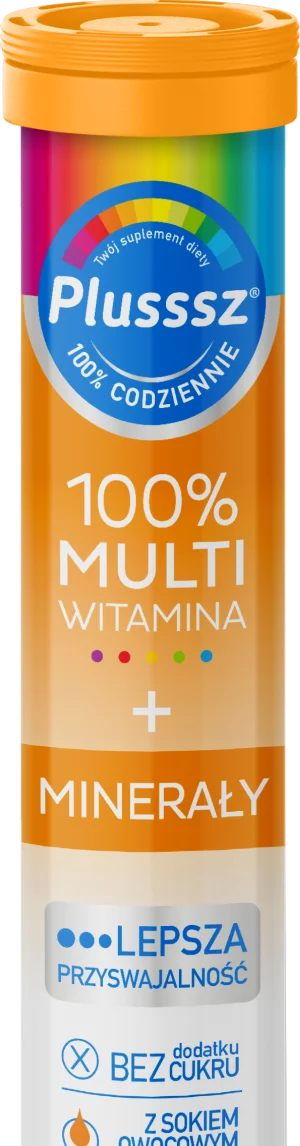
The Plusssz multivitamin complexes, designed for different demographics including men, women, and seniors, reflect the fact that micronutrient requirements are not one-size-fits-all. Women in particular benefit from formulas that pay attention to iron status, while men's formulas can be calibrated differently. Older active adults have additional considerations around vitamin D and B12 absorption that a generic adult formula does not account for.
For events or training sessions extending beyond ninety minutes, electrolyte replenishment during the session maintains mineral concentrations rather than waiting to recover them afterwards. At this stage the goal is prevention of depletion rather than restoration, and a lower-dose electrolyte format that does not overwhelm the gut during exercise is the practical choice.
A common mistake is treating electrolytes purely as a performance tool and vitamins purely as a health tool, as though they belong in separate conversations. The evidence is clear that they work as a system. Magnesium supports immune regulation and muscle function simultaneously. Vitamin C reduces oxidative stress and supports connective tissue. These nutrients do not know which category you have filed them under.
Vitamins C, D, B6, and B12 are the most consistently supported by research for immune function in people who train regularly. Vitamin D is particularly critical for UK-based individuals given the limited sunlight from October through March. Vitamin C manages oxidative stress from training, while B6 and B12 support immune cell proliferation and antibody production. These work best when combined with key minerals rather than taken in isolation.
Yes, temporarily. After prolonged or high-intensity exercise, the immune system enters a suppressed phase known as the "open window," during which the risk of upper respiratory infections increases. This is a well-documented physiological response, not a myth. It does not mean exercise is bad for immunity overall, but it does mean that the post-exercise recovery period requires specific nutritional attention, particularly around electrolytes and antioxidant vitamins.
In practice, most people who train at high volumes find it genuinely difficult to consistently hit the elevated micronutrient requirements through diet alone. Zinc and magnesium are lost in sweat and urine at rates that outpace typical dietary intake during training blocks. Vitamin D cannot be obtained in meaningful amounts from food regardless of diet quality in the UK winter months. Supplementation is not a replacement for a good diet. It fills the gaps that even a well-structured diet leaves open under training stress.
Yes, and the difference matters. General adult formulas are calibrated to population averages that assume a largely sedentary lifestyle. They typically do not account for the accelerated excretion of minerals like magnesium and zinc through sweat, the increased oxidative load from training, or the elevated vitamin D requirement for those who train indoors or in low-sunlight climates. Formulas designed specifically for active lifestyles address these gaps with higher doses of the right nutrients and, ideally, include electrolyte minerals alongside the vitamin complex.
Electrolytes, particularly sodium, potassium, and magnesium, regulate fluid balance and nutrient transport at the cellular level. When these are depleted after exercise, the body's ability to deliver immune-critical vitamins to where they are needed is compromised. Low magnesium specifically has been linked to reduced natural killer cell activity and impaired phagocytosis, both of which are important mechanisms for fighting off viral infections. Restoring electrolyte balance post-exercise is therefore directly relevant to immune recovery, not just physical recovery.
Yes. Older adults who exercise regularly face all the same training-induced depletion risks as younger athletes, plus some additional considerations. Vitamin B12 absorption tends to decline with age due to reduced stomach acid production, so forms with better bioavailability matter more. Vitamin D requirements also tend to be higher. An active senior following the same supplementation approach as a 25-year-old is likely leaving meaningful gaps. Formulas targeted specifically at older active adults, like the Plusssz Electrolyte SENIOR, account for these differences in a way a standard adult product does not.
Effervescent tablets dissolved in water offer a practical advantage for active people: they combine hydration, electrolyte replenishment, and vitamin delivery in a single post-workout step. This matters because the format you will actually use consistently beats the theoretically optimal format that sits unused in a cupboard. Effervescent formulas also tend to offer better absorption than compressed tablets, particularly for water-soluble vitamins like C and the B group, because the nutrients are already in solution by the time they reach the gut.
What has your experience been with managing immune health during heavy training blocks? Share what has worked for you, or what gaps you are still trying to fill.