If you run three times a week, your mineral questions probably centre on sweat, cramps and iron. If you lift in a gym, they tend to centre on recovery, muscle function and whether your diet covers the basics. Yet most advice on sport nutrition treats all training as one category. That is why people searching for strength training vitamins UK often end up with a generic multivitamin and no clear reason for taking it. The short answer is that the needs do differ, but mainly at the edges. Supplements should never replace a balanced and varied diet, so the useful question is which gaps each training style tends to open.
Key Insight |
Explanation |
|---|---|
Endurance work raises the iron and sodium questions first |
Iron carries oxygen in the blood, and long sessions lose sodium in sweat, so these are the first things to check. |
Strength work puts more weight on magnesium and zinc |
Both take part in muscle function and enzyme activity. A shortfall matters more than extra intake on top of a good diet. |
Get a blood test before you take iron |
Too much iron is harmful, so a ferritin result from your GP is a better guide than a training label. |
Cramps have several causes, so a product name will not fix them |
Track when cramps happen, how much you sweat and what you ate beforehand before you add anything new. |
A multivitamin is a base, not a sport-specific fix |
A general multivitamin covers common gaps across both training styles. Targeted products only make sense once you know which gap you have. |
Mixed training needs a mixed plan |
If you lift and run, your diet and base supplement must cover both sets of demands rather than picking one. |
The main difference between the two training styles is where the nutrient cost shows up. Endurance work is a long, steady drain on fuel, fluid and electrolytes. Strength work is usually shorter and more intense, and its cost shows up in muscle repair, fatigue and the nervous system. Both can leave gaps, but they tend to open different ones.

A useful starting point is the mineral list itself. Minerals are involved in muscle contraction, nerve impulse conduction, oxygen transport and acid-base balance, and the body needs about twenty different minerals to work properly. That is why the training label alone tells you less than you might expect about which mineral to prioritise.
Long sessions add up. Sweat carries sodium and other electrolytes out of the body, and the amount lost varies widely between people, so two runners on the same route can finish with very different losses. Stored carbohydrate, or glycogen, is the other pressure point. Sports nutrition guidance notes that glycogen can supply enough fuel for up to two hours of vigorous exercise, after which the feeling of hitting the wall sets in.
Heavy lifting asks less of your sweat glands and more of your muscles and nervous system. Magnesium and zinc both take part in enzyme activity and muscle function, which is why they often appear in strength-focused plans. Our guide to magnesium for athletic performance explains where it fits. The key point is that a shortfall changes outcomes, while extra intake on top of an already good diet rarely adds much.
Strength sessions are usually shorter, so the sweat-related losses that matter in long endurance work tend to be a smaller factor. The priorities shift toward what supports muscle function, energy release and recovery. In practice, the nutrients that come up most often are magnesium, zinc and the B vitamins. None of them is a performance enhancer when your intake is already adequate, and that distinction matters more than most product marketing suggests.
Magnesium takes part in many enzyme reactions, and it is one of the minerals linked to muscle contraction. A lifter who eats plenty of vegetables, wholegrains, nuts and pulses is unlikely to be short. A lifter whose diet is built around convenience food and skipped meals is a different case. For that person, magnesium-focused support can be sensible, and Plusssz 100% Magnesium Forte + B-Complex is priced from 8.95.
Pro tip: Before adding magnesium, look at your whole day. If you already eat seeds, leafy greens or wholegrains most days, a second magnesium source may add very little.
B vitamins help the body release energy from carbohydrate, fat and protein, which makes them relevant to any training programme. That does not mean extra B vitamins will add energy to a body that already has enough. Our article on B vitamin complex for energy and sport covers the science in more depth. If a daily multivitamin already includes B vitamins, a separate B-complex often adds little.
The useful question is rarely whether a mineral matters to training. The useful question is whether your diet already supplies it.
Zinc is involved in enzyme activation and immune function, which is why it appears in plans for heavy training blocks. It is also a mineral where both too little and too much cause problems, so a large dose is a poor plan. The men's multivitamin guide explains how a daily base covers this more safely than stacking single minerals. Plusssz 100% Multivitamin MEN Complex is priced from 6.95 and is built for daily routines rather than a single target.
Iron is the mineral that most often separates "I need a supplement" from "I need a blood test." Iron carries oxygen to working muscles, and low iron means fewer red blood cells to do that job. Endurance athletes depend on steady oxygen delivery during long sessions, which is why iron comes up so often in distance training.
Tiredness that does not match your training load, a drop in performance that persists, and breathlessness on sessions you used to find easy are all worth a conversation with your GP. Those symptoms have many causes, and iron is only one of them. Guessing at a cause and dosing iron for a month can leave you with a new problem, since too much iron is also harmful.
Pro tip: Ask for a ferritin test, which reflects iron stores, alongside a full blood count. A normal haemoglobin result alone can hide low stores in some people.
Women who train hard, especially those with heavy menstrual losses, are a group where iron status is worth checking early. Our guide on iron supplements for active women covers the practical side, and our piece on iron deficiency and exercise performance explains how low stores show up in training. Plusssz 100% Multivitamin + Iron is priced from 6.95 and suits a maintenance approach once a clinician has confirmed your status. It is not a treatment for a confirmed deficiency.
Electrolytes sit at the centre of the endurance conversation, but they matter in strength sessions too, particularly in heat or when sessions run long. Sodium is the electrolyte you lose most visibly, though potassium and magnesium also leave the body in sweat. The amount varies between people, which is why a single sports drink rarely suits everyone.

Sodium matters most in long sessions, hot conditions and heavy sweating. Salt marks on clothing and a gritty feeling on the skin are a rough sign of heavy losses. If you finish a 90-minute run with cramps, a poor fluid plan is a more likely cause than a single missing mineral. Plusssz Electrolytes SPORT 100% Complex is priced from 5.95 and is aimed at this kind of training. Our guide to electrolytes and endurance performance covers the endurance case in more detail.
Pro tip: Weigh yourself before and after a typical long session. The difference gives a rough sense of fluid loss, which helps you judge how much fluid and sodium to replace next time.
A common mistake is treating an electrolyte product and a multivitamin as alternatives. They do different jobs. An electrolyte product manages losses during and after sweating, while a multivitamin fills general gaps across the day. Our article on electrolytes and multivitamins explains how the two fit together. If you are weighing creatine against electrolytes, our comparison covers what each does in training, and neither replaces meals.
Putting the three training styles side by side makes the differences easier to act on. The table below sets out what to check first for each, and where a base multivitamin fits. None of these is a rule. Treat them as a starting point, and speak to your GP or a registered dietitian if you have a health condition or take medication.
Training style |
Nutrients to check first |
Practical approach |
|---|---|---|
Endurance (running, cycling, swimming) |
Sodium, iron, carbohydrate and fluid |
Track sweat losses and cramps, get iron status checked, and use an electrolyte product on long or hot sessions |
Strength (lifting, power work) |
Magnesium, zinc, B vitamins and total protein intake |
Build the diet first, add a base multivitamin, and use magnesium only if intake is clearly low |
Mixed (team sport, hybrid training) |
Sodium, iron, magnesium and B vitamins |
Pair a multivitamin base with electrolytes on match or long days, and review iron status if symptoms appear |
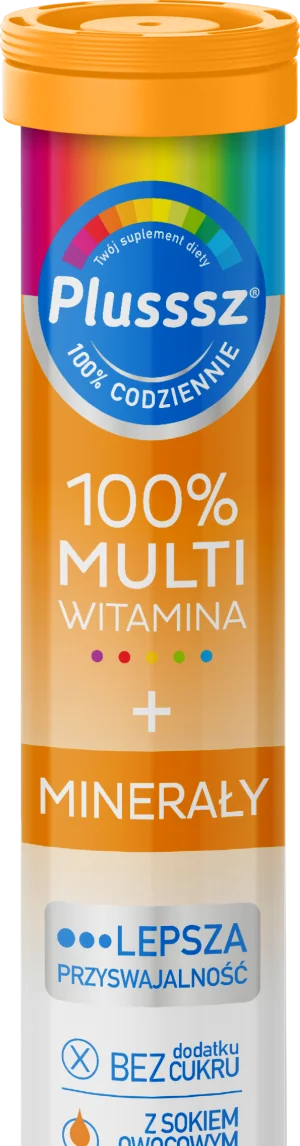
The mixed row matters most for people who play football on Saturday and lift on Tuesday. Their needs overlap, and the mistake is buying two sport-specific products without a plan. A Plusssz 100% Multivitamin + Minerals priced from 6.95 can cover the base, leaving electrolytes for the days that need them.
The table is not a prescription. A runner who eats a varied diet with lean meat, pulses and fortified cereals may need little beyond sodium replacement on long days. A lifter who skips breakfast and relies on protein shakes may have gaps that a multivitamin does not close. Use the table to decide which question to answer first.
Targeted products suit people who already know their gap. A base multivitamin suits people who want general coverage and do not yet know which mineral is short. Plusssz 100% Multivitamin WOMAN Complex and MEN Complex are both priced from 6.95 and act as base choices. The Plusssz 100% Anti-Cramp Complex, priced from 8.95, is a targeted product, and its value depends on understanding why cramps happen in your case.
A practical routine starts with the diet, moves to a blood test where iron is in question, and only then adds targeted supplements. A multivitamin for strength and endurance training is a sensible base, not a replacement for food. Most people reverse this order, buying a product first and checking the diet later. Reversing it keeps spending sensible and makes it obvious when something is not working.

Track three typical days of food, noting fish, meat, pulses, dairy, leafy greens, nuts and fortified foods. Gaps usually show up quickly. If you eat few iron-rich foods and train hard, that is worth raising with your GP. If you train hard and eat well, a base multivitamin may be all you need. Dietary supplements should not substitute for a balanced and varied diet.
A multivitamin is a practical base because it covers common gaps across both training styles. Add targeted products only after you have identified a specific need, and review them when that need changes. Our article on exercise recovery nutrition covers the between-session side of the routine, which matters as much as the supplement choice.
Many people give up on supplements after a few weeks, then blame the product. A steady daily habit beats a short burst of expensive tablets. Set a fixed time, pair it with a meal you already eat, and review the plan when your training load or health changes. A winter block of darker mornings and heavier training is a common time for routines to slip.
Partly. The core difference lies in what each training style drains. Endurance work tends to raise sodium and iron questions, while strength work puts more focus on magnesium, zinc and B vitamins. A varied diet covers most of this, and a base multivitamin fills the rest for many people.
For many people with a varied diet, a multivitamin provides a sensible base. It will not build muscle on its own, and it will not fix a diet that is short on protein or total calories. If you suspect a specific gap, check it before adding a targeted product.
You cannot tell from symptoms alone. Persistent tiredness, unusual breathlessness or performance that stops improving are reasons to see your GP. A blood test that includes ferritin gives a clearer answer than guessing.
Not necessarily. Electrolyte products suit long, hot or heavy-sweat sessions more than short, easy workouts. If you rarely sweat heavily and finish sessions without cramps, water and regular meals may be enough.
For many people, yes. They do different jobs, and combining them is common in mixed training. Check the label totals for overlapping minerals, and speak to a pharmacist or GP if you take medication or have a health condition.
Which training style makes your mineral questions hardest to answer, endurance, strength or a mix of both, and what has actually made a difference for you?