Browse the shelves for a no added sugar electrolyte drink in the UK and you will find a dozen options with near-identical front labels. The bold claims look similar, the colours are similar, and the flavour names often sound the same. What separates a useful drink from an expensive flavoured water is the back of the pack. A "no added sugar" badge tells you what the manufacturer did not add, not how much sodium, potassium or magnesium you will get per serving, or whether those minerals are in a form your body can use well. This guide shows you how to read the label and what to ignore.
Key Insight |
Explanation |
|---|---|
Read sodium per serving, not the claim |
Front-of-pack wording says nothing about how much sodium you actually get. Compare the per-serving figure across products and convert any salt figure by dividing by 2.5. |
"No added sugar" is not the same as "sugar free" |
Check the total sugars line and the ingredients. Fruit juice concentrate, dextrose and maltodextrin can all sit behind a no added sugar badge. |
Look for potassium and magnesium amounts |
A drink that lists these minerals without a figure gives you no way to judge whether it does anything beyond flavour. |
Mineral form can be a tiebreaker |
Two products with the same milligram figure may not behave the same way. Use the named form of each mineral when the amounts are close. |
Compare price per serving, not price per pot |
Divide the pack price by the number of servings printed on the label, then check whether the recommended dose is one serving or two. |
A sweetener is a daily taste decision |
Choose a sweetener you can tolerate every day, because a drink you will not finish delivers no hydration at all. |
The first thing I do with any electrolyte product is ignore the bold claim on the front and go straight to the nutrition table. The panel follows the same UK format on every pack, which makes it the only fair basis for comparison. Marketing language changes from one brand to the next, but the numbers should line up.

Check the serving size before you read any figure. A drink that lists 500 ml as one serving may look generous on sodium, but if the recommended serving is a 250 ml bottle, you are comparing numbers that do not match. Work out the amount for the volume you will actually drink, then compare that figure with the other products on your shortlist.
Salt is listed, but sodium is what you need
UK labels usually show salt rather than sodium. Salt contains roughly 2.5 times as much sodium by weight, so to convert a salt figure to sodium you divide by 2.5. If one pack lists salt and another lists sodium, convert them to the same unit before you decide which is stronger.
Sodium is the mineral you lose most in sweat, so it is the first number I check. A drink with a tiny sodium figure is closer to a flavoured water with a mineral name than a product built around sweat replacement. If you want more background on the category, our guide on Electrolytes vs Sports Drinks UK: Ingredients Matter covers the ingredient differences in more depth.
Pro tip: Write down the per-serving sodium for three products in your phone before you go shopping. Seeing the numbers side by side stops the packaging from doing the comparing for you.
No added sugar means the manufacturer did not put sugar into the recipe. It does not mean the drink contains no sugar, and it does not tell you where the sweetness comes from. The distinction matters because a drink can carry the claim and still rely on sugar-like ingredients that never appear in the headline.
The fastest way to sort this out is to read the total sugars line and the ingredients list together. If the total sugars figure is low and the ingredients are short, the claim is probably doing what it says. If one of the ingredients is a sugar under another name, the badge is only part of the story.
Under UK nutrition claims rules, "sugar free" is a tightly defined claim with its own conditions, while "no added sugar" describes what went into the recipe. Brands sometimes use the two phrases loosely, so do not assume they mean the same thing from one pack to the next. Use the total sugars figure as the measurement and the wording as a marketing choice.
Look for fruit juice concentrate, dextrose, glucose syrup and maltodextrin. Fruit juice concentrate counts toward total sugars, so it will show up in the panel even if the brand did not add sugar as such. Maltodextrin is a starch-derived carbohydrate that is not listed as sugars, which is why it can slip past a quick glance at the sugar line.
Pro tip: If fruit juice appears near the top of the ingredients, expect sugar from the fruit itself. The claim can still be accurate, but the total sugars line is the figure to compare across products.
We went deeper on how these claims work in practice in No Added Sugar Supplements UK: What It Really Means, which is worth reading alongside this checklist.
BBC Good Food's electrolyte testing used three main criteria: the price of a recommended daily dose, the percentage of nutrient reference value in that dose, and how the product format and mineral form might affect what the body absorbs. I would use a similar checklist at the shelf. It moves you past the flavour name and into what the bottle actually contains.
A label that lists potassium and magnesium with a percentage of reference intake tells you far more than one that mentions them only in the ingredients. If a figure is missing, you cannot tell whether the minerals are present in a meaningful amount. Treat a mineral name without a number as marketing, not a measurement.
Calcium appears in many electrolyte mixes, but it is rarely the reason people reach for one. If a drink is heavy on calcium and light on sodium, it is probably not built for sweat replacement, whatever the front of the pack suggests.
Two products can show the same milligram figure and still differ, because the chemical form of a mineral affects how much of it is absorbed. The ingredients list usually names the form, such as a citrate or a carbonate. I use this as a tiebreaker when two drinks have similar amounts, not as the first filter.
Pro tip: A drink with a long list of minerals and a short list of amounts is often weaker than one with two minerals clearly quantified. Count the figures, not the names.
BBC Good Food judged price by the cost of a recommended daily dose, and I think that is the right unit. A cheap tub with a large serving size can cost more per dose than a premium pack with smaller servings, so the headline price on the shelf tells you very little. Compare the cost of the dose you will actually take.
Start by taking the pack price and counting the servings printed on the label. Divide one by the other, then check whether the recommended dose is one serving or two. Many packs suggest a dose that is larger than what people actually mix at home, and that quietly changes the maths.
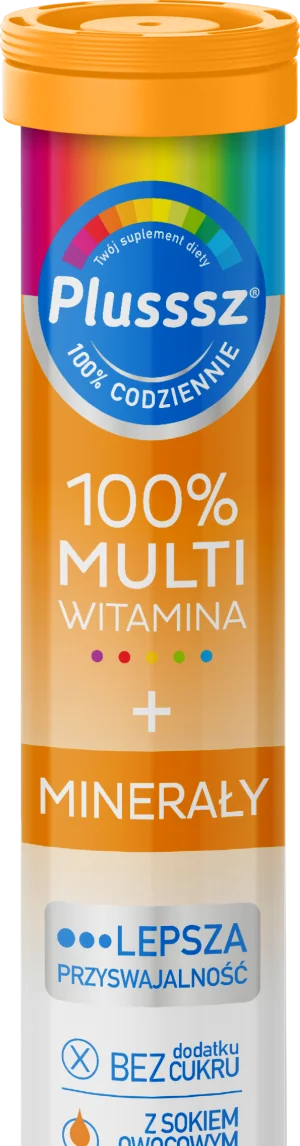
Our Plusssz Electrolytes SPORT 100% Complex starts from £5.95, and the SENIOR 100% Complex starts from £5.95 as well. The Plusssz Junior Electrolytes Complex starts from £4.95. Our 100% Magnesium Forte + B-Complex and 100% Anti-Cramp Complex both start from £8.95, because they serve different purposes and should not be judged as if they were the same product.
Those are starting prices, so the cost per dose depends on the pack you choose. Work out the dose cost using the serving count on the specific pack before you compare it with another brand.
Pro tip: Photograph the serving count and the price on the shelf label before you check out. Two minutes of arithmetic will beat any multi-buy offer on a tub you may not finish before its best-before date.
Sweeteners do the job that sugar normally does in a sports drink, which is making a salty, mineral-heavy taste easier to finish. That makes them central to the no added sugar category, and it is why the sweetener line deserves more attention than most shoppers give it. The question is not whether a sweetener is present, but whether you will tolerate it every day.

Taste-test roundups usually judge flavour in a single sitting, which is not how most people use electrolytes. You will probably drink the same product several times a week, often in the middle of a session or first thing in the morning. A flavour that feels pleasant for a single sip can become tiresome by the third week.
Check whether the sweetener is named, such as sucralose or stevia. A pack that simply says "sweeteners" is hiding the choice from you, and you cannot judge your tolerance without knowing what you are drinking. If you have a specific medical concern or are pregnant, speak to your GP or pharmacist before you start a daily product.
A citrus or berry name describes the taste, not the sodium content. Some of the strongest-flavoured drinks are the weakest on minerals, and some of the blandest are doing the most work. Judge the flavour after you have checked the panel, not before.
A drink you finish every week is worth more than one with the best panel that sits unopened in the cupboard.
Pro tip: Trial a new flavour at your normal dilution for a week before you commit to a large tub. Stomach tolerance and taste fatigue usually show up on day three, not in the first mouthful.
If flavour is your main concern, our article Best Tasting Electrolyte Supplement UK: Flavour vs Formula explains how to weigh taste against the formula.
The fairest way to compare products is to match each one to a specific job. Our range is split by use, so the label checks change depending on whether you train hard, are over a certain age or are buying for a child. The table below lists the starting prices from our site and the label points I would check first for each option.
Product |
Starting Price |
What to Check on the Label |
|---|---|---|
Plusssz Electrolytes SPORT 100% Complex |
From £5.95 |
Sodium and potassium per serving against your training volume, plus the total sugars line |
Plusssz Electrolytes SENIOR 100% Complex |
From £5.95 |
Mineral amounts against reference intake, and whether the serving suits daily use |
Plusssz Junior Electrolytes Complex |
From £4.95 |
Serving size and mineral amounts for the intended age group, confirmed on the pack before use |
The SPORT Complex is the option I would compare most closely with other no added sugar electrolyte drinks, because the core question is sodium per serving. Check the figure against how much you sweat in a typical session, not against a generic idea of a sports drink. If you train in heat or for long periods, the sodium line should carry most of your decision.
For a fuller side-by-side view, our guide Best Electrolyte Supplement UK: SPORT vs SENIOR vs Junior sets out how the three products differ in use.
For the SENIOR Complex, I would focus on whether the mineral amounts fit a daily routine and how they sit alongside a balanced diet. For the Junior Complex, the serving size and age guidance on the pack matter more than any sports-focused number. Dietary supplements should not be used as a substitute for a balanced and varied diet, and that applies to every option in the range.
The right label depends on who is drinking it. Someone doing a long summer run needs a different sodium figure from someone who sips an electrolyte drink with lunch at a desk. Start by describing your own week, then match the panel to that pattern rather than to the packaging.

If you sweat heavily, the sodium figure and the mineral amounts should drive your choice. Look for a serving size that fits the volume you will drink during and after a session, and avoid drinks where the recommended dose is too small to matter. A label that reads well for a light workout may be underpowered for a long one.
Pro tip: Weigh yourself before and after a hard session. The difference in weight gives a rough idea of fluid lost, which helps you judge whether a drink's sodium and volume are in the right range for you.
For older adults and people drinking an electrolyte product every day, the questions shift from performance to routine. Check whether the sweetener and flavour are ones you will keep drinking, and whether the mineral amounts fit alongside what you already eat. If you take medication or have a health condition affecting fluid or mineral balance, check with your GP or pharmacist before adding any electrolyte product.
For children, the label matters most in terms of serving size and the age the product is designed for. Do not assume that a drink made for adults can be scaled down, and do not treat a children's product as interchangeable with a sports formula. Read the age guidance on the pack and follow it.
No. No added sugar means the manufacturer did not add sugar to the recipe, but the drink can still contain sugars from fruit juice or other ingredients. Check the total sugars line on the nutrition panel to see what is actually in the bottle.
Start with the per-serving sodium figure, then check potassium and magnesium amounts. Once those numbers are clear, look at total sugars, the sweetener and the named mineral forms.
No, but the two are linked. Salt contains roughly 2.5 times as much sodium by weight, so divide the salt figure by 2.5 to find the sodium content. Converting both products to the same unit makes the comparison straightforward.
Sweeteners used in UK food and drink are authorised and regulated, but how you tolerate them is personal. If you notice digestive discomfort or an aftertaste you cannot live with, switch to a different product, and speak to your GP or pharmacist if you have a specific concern.
Divide the pack price by the number of servings on the label to get the cost per serving, then check whether the recommended dose is one serving or more. Compare those figures rather than the shelf price, because pack sizes and servings vary widely.
No. Dietary supplements should not be used as a substitute for a balanced and varied diet. Treat an electrolyte product as one part of a wider routine that includes food, fluids and sensible training habits.
Which label detail changed your mind about an electrolyte drink, and would you be willing to share it with us?