Ask most people about hydration and you will hear about marathons, football and sports drinks. Ask a regular yoga or Pilates student whether they drink enough, and you will usually get a shrug. That gap matters. Hydration for yoga UK studios and Pilates mat classes is often treated as an afterthought, yet an hour in a warm room can leave you short of fluid and minerals without a single moment of obvious exertion. This guide explains where the fluid really goes, when plain water is enough, when electrolytes earn their place, and how to time both around the sessions you already book.
Key Insight |
Explanation |
|---|---|
Gentle sessions still cost fluid |
A slow flow or controlled Pilates set keeps you sweating and breathing hard enough to lose meaningful moisture over an hour. |
Plain water covers most cool-room classes |
For a sub-hour session in a cool room, with a normal meal earlier in the day, water alone is usually enough. |
Electrolytes suit heavy sweat and heat |
Reach for an electrolyte drink when you sweat through your kit, train in a heated room, or get cramps. |
Sip before you start |
Drinking steadily in the hour before class works better than gulping a large bottle in the changing room. |
Sodium is the mineral sweat takes most |
Replacing fluid without replacing sodium can leave heavy sweaters feeling flat, especially after a large volume of plain water. |
Rehydrate with food after class |
A meal with some salt, such as soup or a cheese sandwich, rebuilds fluid and minerals better than water alone. |
Heated indoor air dries you out quietly |
In autumn and winter, heated homes, gyms and studios can mask sweat loss, so plan your fluids as if you are sweating more than you feel. |
Low intensity does not mean zero fluid loss. A slow flow sequence or a set of controlled Pilates exercises keeps your muscles working under load, and your body still regulates temperature by sweating, even when you only feel mildly warm. Most people underestimate the loss because the effort feels gentle, not because the loss is small.
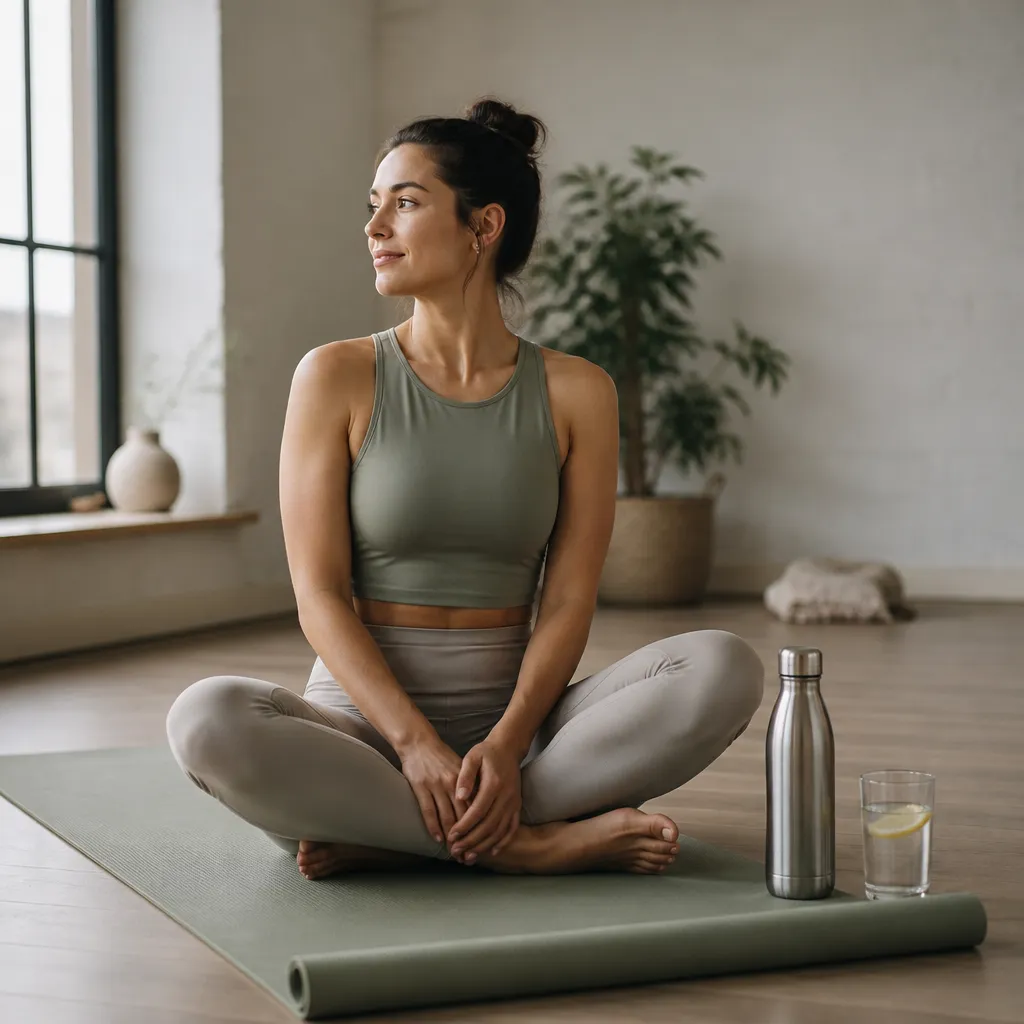
Breathing counts too. A Pilates session built around deep lateral breathing, or a yoga practice with long pranayama holds, keeps air moving in and out steadily, and the moisture you lose with each breath adds up over an hour. Sweat is only the visible part of the bill.
A sponsored feature in a Pilates publication argues that exercise is a major source of electrolyte loss, and that many people do not get enough sodium from diet alone, especially if they eat mostly whole, unprocessed food. It is promotional, so treat its product angle with caution. The dietary point, however, is a useful check for anyone who trains regularly and eats a lot of home-cooked, low-salt meals.
A class can feel calm while your body is working hard to keep you cool. The problem is that you stop noticing the signals, so you drink less than you need. If you finish a session feeling fine but notice a dry mouth or a headache by the evening, the class probably cost you more fluid than you realised.
Heat changes the arithmetic. Hot yoga, hot Pilates and heated studio classes push your sweat rate up, and the fluid you lose can run well beyond what a cool-room class would cost. Visible sweating makes fluid loss easier to notice, but the bigger risk is drinking too little across the whole day.
Thirst is a slow signal. By the time you feel properly dry, you are often already behind, and sipping hard during a standing balance sequence is awkward. A practical habit is to take small drinks at set points, such as between blocks of standing poses or during any transition where you would normally reach for a towel.
A Harrogate yoga studio's blog on hydration makes the general point that water supports temperature regulation, joint comfort and focus. Those effects matter most in long holds or heated rooms, where stiffness and lightheadedness tend to appear before anyone admits they are thirsty.
Pro tip: Weigh yourself before and after a typical hot session on a normal day, then sip back the weight you lost over the next few hours rather than gulping it all at once.
This time of year brings a different problem. Heated homes, gyms and studios in November can dry the air, so you feel less sweaty while still losing moisture through your skin and breath. If you have just come in from the cold and are heading straight onto the mat, start drinking before you warm up rather than after.
Plain water is the right answer for most gentle sessions. If you practise a 45-minute Hatha class in a cool room, have eaten a normal meal in the previous few hours, and did not sweat through your top, water alone will do the job. Electrolytes are not a badge of seriousness, and they are not a daily requirement for everyone.
The fluid you need is the fluid you have lost, and the minerals you need are the minerals that left with it. Water replaces the first, but it does not replace the second.
Electrolytes earn their place when sweat is heavy and frequent, when classes run long, or when you train in heat. Sodium is the main mineral lost in sweat. Drinking large volumes of plain water in one go, especially without eating, can dilute the sodium in your blood, which is why some people feel flat or headachy after a big bottle.
A BBC Food feature on electrolyte drinks makes a point that fits this well: after a moderate workout lasting less than an hour, most people typically do not need an electrolyte drink. That matches what I see in practice. A gentle Pilates session does not justify a sports-style drink, but a heated yoga class followed by a long commute might.
Magnesium and potassium matter for muscle function, but they are rarely the reason a yoga class goes wrong. Most people get a reasonable amount of potassium from fruit and vegetables. Magnesium is most useful for people whose diets are already light on it, and a product should be treated as a supplement to food, not a replacement for it.
Pro tip: Read the sodium figure on the label before you buy, not just the flavour. Light sweaters often need far less than a sports-drink label implies, so compare the serving size with what you actually lose on a typical day.
If you want a fuller breakdown of the trade-off, our article comparing electrolytes and water for your workout goes through it in more depth.
Most hydration problems on the mat come from timing, not total volume. Gulping a litre in the car park and then arriving at a hot class with a sloshing stomach is uncomfortable, and it does little for your hydration. Spreading intake across the day works far better.
Aim to be drinking steadily in the hour before you practise, with water or a diluted electrolyte drink alongside food. If you have a 6pm Pilates booking, a glass with lunch and another on the walk over is more useful than a large bottle minutes before the start. Stop the big drinks early enough that you are not moving between poses with a full stomach.
Pro tip: Keep a labelled bottle by the studio door so you sip on the way in, rather than only once you are already thirsty and mid-warm-up.
After a session, rehydrate with fluid and a meal that includes some salt and minerals. A bowl of soup, a boiled potato or a cheese sandwich does more than a sip of water alone. If you notice a headache or lightheadedness after class, the first fix is usually more fluid with food, not a stronger product.
Our guide to electrolyte timing for autumn sessions covers the before and after question in more detail, particularly for people who train in the evening.
Three approaches cover most people who practise yoga or Pilates. Each suits a different class and a different sweat rate, and picking the wrong one is the most common error I see. The table below sets them side by side.
Approach |
Best suited to |
Main limitation |
|---|---|---|
Plain water with a normal meal |
Gentle flow, cool rooms and sessions under an hour |
Does not replace the sodium lost in heavy sweat |
Electrolyte drink or powder, diluted as directed |
Hot classes, long sessions, heavy sweaters and people who get cramps |
Many products contain sugar, so check the label and the sodium per serving |
Mineral-rich food plus water |
Everyday routine for people who eat a varied, whole-food diet |
Hard to judge on a busy day with a late class and little time to eat |
The table is a starting point, not a prescription. For most UK yoga and Pilates users through autumn and winter, plain water with a proper meal covers the majority of weeks, and an electrolyte drink earns its place on the hot-room days.
Many electrolyte drinks lean on sugar for flavour. If your sessions are light, that extra sugar adds calories you do not need. Plusssz formulas are made with no added sugar, which suits people who want the minerals without the sweetness, but the principle applies to any product you buy.
A yoga supplement is not a single product, and no bottle makes a poor hydration habit better. For a mat routine, the useful question is which gap you are trying to fill: fluid and sodium after sweaty sessions, cramping, or general nutrient coverage across the day. Here is how the Plusssz range maps onto those needs.
Plusssz Electrolytes SPORT 100% Complex is the most direct fit for active people who sweat heavily in heated classes or combine Pilates with running or cycling, priced from £5.95. The SENIOR 100% Complex, also from £5.95, is built for people who find their thirst cues less reliable as they get older, and the Junior Electrolytes Complex, from £4.95, is designed for younger users.
If cramps are the recurring problem, compare the Plusssz 100% Anti-Cramp Complex (from £8.95)100% Magnesium Forte + B-Complex (from £8.95), and check each label for what it contains. Cramping is usually a pattern rather than a one-off, so judge a product over a few weeks rather than on the strength of a single class.
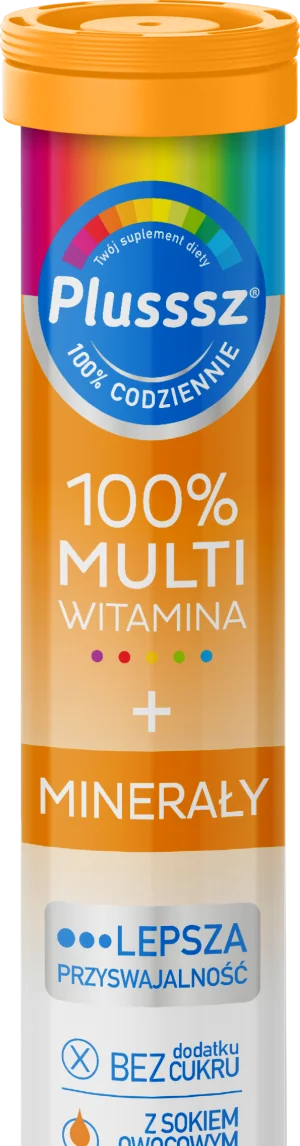
Yoga and Pilates rarely change your vitamin needs on their own. For people whose wider diet is patchy, a daily multivitamin such as the Plusssz Electrolytes + 100% Multivitamin (from £5.95) or the 100% Multivitamin + Minerals (from £6.95) can fill gaps without adding a session-specific product. The WOMAN and MEN Complex options, each from £6.95, are formulated for different demographics, so choose the one that matches your life stage.
Dietary supplements should not be used as a substitute for a balanced and varied diet. If you are unsure which product fits you, our complete guide to electrolyte supplements for active people explains how to match a product to your routine.
Most mistakes are small, repeated and easy to fix. These are the ones I see most often among yoga and Pilates students, and they are worth checking against your own habits before the next class.
Arriving dry and then drinking heavily during final relaxation makes for an uncomfortable end to the session and does little for the work you did earlier. Hydration on the mat is a whole-day habit, not a post-class fix.
A common mistake is reaching for an electrolyte drink to fix tiredness that actually comes from poor sleep or under-eating. If the drink is the only change you make, nothing else is likely to shift. Sort out meals and sleep first, then decide whether a product adds anything.
A 45-minute class in a cold hall and the same class in a heated studio are not the same session. Adjust your intake to the room you are in, not to the timetable on the wall.
Pro tip: Keep a simple note for two weeks of how you feel after each class, including room temperature and whether you cramped. The pattern will tell you more than any general rule.
Usually not. For a gentle class under an hour, in a cool room, with a normal meal earlier in the day, plain water covers most people. Electrolytes make more sense when you sweat heavily, train in heat, or get cramps.
Sip steadily across the hour before you start rather than drinking a large volume in one go. Arriving comfortably hydrated, with a normal meal in your system, is more useful than a bottle emptied in the car park.
In most cases, yes. Heated rooms increase sweat loss, so you need more fluid and, for heavy sweaters, more sodium. The difference shows up most clearly over the rest of the day, not just during the class.
Only for hot, intense or long sessions. A steady mat class at a moderate pace usually does not need an electrolyte drink, and a BBC Food feature on electrolyte drinks makes the same point about moderate workouts under an hour.
Many do, so check the label before you buy. Plusssz formulas are made with no added sugar, but read the sodium and serving size on any product to judge whether it suits your sessions.
If sweat is your main issue, start with Plusssz Electrolytes SPORT 100% Complex from £5.95. If cramps are the problem, look at the 100% Anti-Cramp Complex from £8.95, and if your diet has gaps, a daily multivitamin from £5.95 is the simpler option. If you have a medical condition or take regular medication, speak to your GP before adding any supplement.
Tell us how your fluid habits change between a gentle Pilates session and a heated yoga class, since your experience will help us refine this guide.