You are halfway through a 90-minute run and you reach for your water bottle. Smart move. But is water actually enough at that point, or is your body already crying out for something more? The electrolytes vs water debate is one of the most practical questions in sport nutrition, and the answer is not simply "drink more." It depends on what you are doing, how long you are doing it, and how hard your body is working to keep you moving. Get it right and your performance, recovery, and energy levels will reflect it. Get it wrong and the tiredness, cramping, and brain fog you blame on a bad workout may actually be a hydration problem you could have prevented.
Key Insight |
Explanation |
|---|---|
Plain water is enough for short sessions |
For workouts under 60 minutes at moderate intensity, water replenishes fluid loss adequately without the need for added minerals. |
Electrolytes become necessary beyond 60-90 minutes |
Once exercise extends past an hour, especially in heat or at high intensity, you lose sodium, potassium, and magnesium that water alone cannot replace. |
Sweat is not just water |
Sweat contains significant amounts of sodium and other minerals. Replacing fluid without replacing those minerals leaves the job half-done. |
Drinking more water can make things worse |
If electrolytes are already depleted, excess plain water dilutes blood sodium further and can worsen symptoms like cramps and fatigue. |
Sugar-free electrolyte formulas are the smarter choice |
Many traditional sports drinks carry high sugar loads that are unnecessary for most workouts. No-added-sugar electrolyte tablets or effervescent products offer the minerals without the calorie hit. |
Salty sweaters need electrolytes earlier |
If you notice white residue on your skin or clothing after training, you are losing above-average sodium and should replenish sooner. |
Electrolytes support nerve and muscle function, not just hydration |
Sodium, potassium, calcium, and magnesium regulate muscle contractions and nerve signals. Their role goes well beyond simply keeping you hydrated. |
Electrolytes are charged minerals that your body uses to carry electrical signals between cells. The key ones relevant to exercise are sodium, potassium, magnesium, calcium, and chloride. Every muscle contraction, every nerve signal, and every fluid exchange across cell membranes depends on these minerals being present in the right concentrations.
When you sweat, you do not just lose water. You lose a meaningful amount of sodium alongside smaller quantities of the other electrolytes. If you only replace the water, the concentration of those minerals in your blood drops. Your muscles then start misfiring, your focus drops, and fatigue arrives ahead of schedule.
The practical consequence is straightforward: hydration is a two-part problem. Volume matters, but mineral balance matters just as much.


Water is not the enemy. For most people exercising at moderate intensity for under an hour, it is genuinely the right choice. It is calorie-free, widely available, and perfectly capable of replacing fluid lost through sweat during a typical gym session or a brisk 45-minute walk. There is no need to reach for an electrolyte drink every time you break a sweat.
Where water becomes insufficient is at the extremes: prolonged duration, high intensity, hot or humid conditions, or when you are a heavy sweater. In those scenarios, you are not just losing fluid. The sodium and potassium losses become significant enough to disrupt how your muscles and nerves work.
A critical and often overlooked problem occurs when athletes drink large volumes of plain water during long events without replacing electrolytes. Blood sodium can drop to a dangerously low level, a condition known as hyponatremia. Symptoms include nausea, confusion, headache, and in severe cases, serious neurological problems. More plain water makes this worse, not better. This is the single most compelling argument for reaching for an electrolyte drink rather than a third or fourth bottle of plain water during endurance exercise.
Pro tip: If you finish a long training session still feeling thirsty even though you drank plenty of water, that lingering thirst is often your body signalling a mineral deficit rather than a fluid one. Try an electrolyte drink before reaching for more water.
The honest answer to the electrolytes vs water question is time- and intensity-dependent. Below is how to think about it in practice.
Water wins here. For regular sports activities lasting up to about 60 minutes and at normal temperatures, plain water handles the job. You are not losing enough sodium or potassium to create a meaningful deficit, and a well-balanced pre-workout meal will have topped up your mineral stores adequately. Save the electrolyte product for when it is actually needed.
This is where the calculation changes. Sweat losses climb, sodium depletion accelerates, and muscle function starts depending on replenishment you can only get from an electrolyte source. A sports drink or electrolyte supplement that includes both carbohydrates and electrolytes is widely considered the better choice for exercise sessions lasting longer than 60 to 90 minutes. The sodium in an electrolyte drink also helps the body absorb and retain fluid more efficiently than water alone.
If you train twice in a day, or have a hard session followed by an active recovery workout later, electrolyte replenishment between sessions is not optional. You simply cannot restore mineral balance through food alone fast enough to prime you for the second effort. An electrolyte drink or effervescent tablet dissolved in water between sessions shortens that recovery window considerably.
Hydration is not just about volume. Replace one component without the other, and you are only solving half the problem. Water keeps you alive. Electrolytes keep you performing.
The symptoms of electrolyte depletion are often mistaken for general tiredness or overtraining. Recognising them early saves your session and your recovery.
Leg cramps, particularly in the calves, that arrive during exercise or in the hours after are a strong signal that potassium and magnesium levels have dropped. Drinking more water will not resolve this. Research comparing plain water to oral rehydration solutions containing sodium, potassium, and magnesium found that plain water actually increased muscle cramp susceptibility after exercise, while the electrolyte solution reduced it.
If you feel exhausted after a session that should not have wiped you out, and that fatigue persists even after rest, electrolyte imbalance is a reasonable suspect. Sodium and potassium deficiencies impair cellular energy production, creating a tiredness that sleep alone does not fix.
Dizziness after workouts, especially in warm conditions, is frequently linked to low sodium. When sodium drops, blood pressure can fall slightly, causing lightheadedness. Persistent thirst despite drinking water is another telling sign: your body knows it needs minerals it is not getting, and it keeps prompting you to drink in the hope that something useful comes with the fluid.
If you notice a white residue on your skin or salt lines on your kit after training, you are a high-sodium sweater. This means your electrolyte losses are above average and you need to replenish sooner, and in greater quantities, than most guidance suggests.
Pro tip: High-sodium sweaters should not wait until they feel depleted. Start with an electrolyte product before longer sessions, not just during or after. Topping up proactively is far more effective than trying to catch up once symptoms arrive.

Hydration Option |
Best For |
Watch Out For |
|---|---|---|
Plain Water |
Sessions under 60 minutes, moderate intensity, cool conditions, everyday hydration throughout the day |
Insufficient mineral replacement during prolonged or intense exercise; risk of diluting blood sodium if consumed in very large volumes |
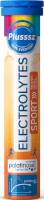
No-added-sugar electrolyte drinks or tablets (such as Plusssz Electrolytes SPORT) |
Sessions over 60-90 minutes, high-intensity training, hot or humid conditions, multiple daily sessions, recovery between efforts |
Check that the formula includes the key electrolytes (sodium, potassium, magnesium) in meaningful amounts, not just trace quantities for label appeal |
Sugar-laden commercial sports drinks |
Ultra-endurance events where rapid carbohydrate delivery is genuinely needed alongside electrolytes |
Unnecessary sugar load for most workout durations; can cause GI discomfort; not suitable as an everyday hydration choice |
The UK's climate does not get the same heat index as southern Europe, but that does not mean British athletes can ignore electrolyte losses. Humidity matters just as much as temperature, and a cool but humid environment can produce sweat rates comparable to a warm dry day. Indoor gym sessions, heated swimming pools, and high-intensity classes in poorly ventilated studios are all environments where electrolyte loss happens faster than people expect.
The practical upshot for UK-based active individuals is that the threshold for electrolyte supplementation is not just temperature-based. A 70-minute HIIT class in January at an indoor gym can produce enough sweat loss to warrant an electrolyte top-up, even if it is 6 degrees outside. Workout duration and intensity are the primary triggers, not the weather forecast.
Arriving at your session already in a mild deficit is one of the most common and easily avoidable mistakes in sport hydration. The recommendation is to be well-hydrated going in, not attempting to catch up mid-session. Drinking water two hours before intense exercise is standard practice. For longer or high-sweat sessions, including an electrolyte drink or tablet as part of your pre-exercise routine, rather than just afterwards, gives your body a better starting point.
For sessions under an hour, sipping water regularly is sufficient. For sessions over an hour, switch to an electrolyte source. The aim is not to flood your system but to replace what is being lost in real time. Drinking to thirst, rather than drinking to a strict schedule, is a reasonable approach for most recreational athletes.
Post-exercise rehydration is where many people reach for plain water and stop there. For any session that produced significant sweating, this leaves a mineral deficit unaddressed. An electrolyte drink after training, particularly one containing sodium, potassium, and magnesium, supports faster recovery and reduces the muscle soreness and cramping that often follow hard efforts.
The UK market has plenty of electrolyte options, but the quality differences are real. Some products deliver meaningful mineral doses; others add trace amounts of electrolytes to flavoured water and market it aggressively. When comparing options, look past the branding and check the actual sodium, potassium, and magnesium content per serving.
A significant number of commercial sports drinks that market themselves as hydration products carry a substantial sugar load. For anyone who trains regularly and is managing body composition alongside performance, that sugar adds up. No-added-sugar electrolyte formulas, including effervescent tablet formats, deliver the mineral replacement without the calorie overhead.
Plusssz Electrolytes SPORT is designed specifically for this purpose: a no-added-sugar electrolyte supplement combining the core minerals needed for sport hydration with a vitamin complex, making it a practical choice for training days without the sugar and artificial dye content common to traditional sports drinks. Whether you are preparing for a long run, recovering from an evening gym session, or simply ensuring your hydration holds up through an active working day, an effervescent format dissolves quickly and is easy to work into your routine. Check the full range at Plusssz UK to find the formulation that fits your training profile.
Pro tip: Do not judge an electrolyte product by flavour alone. The best-tasting option is not always the one with the most useful mineral profile. Compare sodium content per serving first, since this is the mineral you lose most of through sweat and the one most directly tied to hydration performance.
For most gym sessions under 60 minutes at moderate to high intensity, plain water is sufficient. You will lose fluid through sweat but not enough electrolytes to create a significant deficit in that timeframe. If your session runs longer than an hour, involves sustained high-intensity intervals, or takes place in a warm and humid environment, an electrolyte drink becomes the better choice.
Yes, it can. Drinking large volumes of plain water during prolonged exercise without replacing electrolytes can dilute blood sodium to a level that impairs performance and, in serious cases, becomes a medical issue known as hyponatremia. Symptoms include nausea, headaches, and confusion. For events or sessions lasting more than 90 minutes, electrolyte replacement should accompany fluid intake.
For sessions under 60 minutes, plain water is the practical answer. For longer or harder sessions, a no-added-sugar electrolyte drink or effervescent electrolyte tablet dissolved in water is the better choice. It replaces the sodium, potassium, and magnesium lost through sweat without the unnecessary sugar found in many commercial sports drinks.
The clearest indicator is white residue on your skin or on dark clothing after training. This is crystallised salt, and it means you are losing above-average sodium through sweat. If you experience regular muscle cramps, persistent thirst despite drinking water, or unusual fatigue after exercise, these are also signals that your electrolyte losses are higher than typical and you should replenish proactively rather than reactively.
The timing depends on your session. For workouts over 60-90 minutes or in hot conditions, taking electrolytes before training gives you a better starting mineral balance. During very long sessions, sipping an electrolyte drink at intervals maintains that balance in real time. After any session that involved heavy sweating, an electrolyte drink supports faster recovery by restoring what you lost. For most gym-goers, post-workout is the minimum; for endurance athletes, all three phases are worth addressing.
They are not just for elite athletes. Anyone who trains consistently, particularly those who do regular high-intensity sessions, exercises outdoors in summer, or works out multiple times per week, can benefit from electrolyte replenishment. The threshold is not athletic ability. It is session duration, sweat rate, and how quickly your body needs to recover for the next effort.
Sodium is the most abundant electrolyte in sweat and the most important to replace, as it directly influences fluid retention and blood pressure. Potassium supports muscle contractions and nerve function. Magnesium plays a key role in muscle relaxation and recovery, and low magnesium is a common cause of post-workout cramps. A quality electrolyte product should contain all three in meaningful doses, not just label-quantity traces.
Have you noticed a difference in your recovery or performance when switching from plain water to an electrolyte drink? Share your experience in the comments below.