You finish a hard training session, drink plenty of water, and still feel drained, foggy, and crampy the next morning. The water is not the problem - the problem is what the water is missing. Electrolyte supplements UK buyers are increasingly recognising what sports scientists have known for years: fluid alone does not rehydrate you properly, and the mineral deficit left by sweat is the part most active people completely ignore. This guide covers what electrolytes actually are, why losing them matters more than losing water, and how to build a hydration strategy that keeps you performing rather than just surviving your sessions.
Key Insight |
Explanation |
|---|---|
Water alone is not enough during intense exercise |
Sweating depletes sodium, potassium, magnesium, and chloride. Replacing fluid without these minerals can dilute blood sodium and worsen performance, not improve it. |
A 2% body weight loss from sweat triggers measurable performance decline |
Even modest dehydration at this level has a negative effect on physical and cognitive output. Most people reach this threshold without realising it. |
Sodium is the most critical electrolyte for athletes |
Sodium drives fluid retention in cells and stimulates thirst. Without adequate sodium, your body cannot hold onto the water you drink. |
Magnesium is frequently overlooked but critical for muscle function |
Magnesium deficiency is linked to muscle cramps, poor sleep quality, and reduced energy metabolism - all of which undermine training consistency. |
Timing matters: pre, during, and post-session needs differ |
Pre-session electrolyte loading improves starting hydration status. During-session intake maintains performance. Post-session replacement accelerates recovery. |
No-added-sugar formulations are worth prioritising |
High-sugar sports drinks slow gastric emptying and add unnecessary calories. Clean electrolyte formulas deliver minerals without that trade-off. |
Electrolyte needs vary by demographic, not just by sweat rate |
Active women, men, and seniors each have specific micronutrient profiles that affect how they lose and process electrolytes during exercise. |
Electrolytes are minerals that dissolve in water into positively or negatively charged ions. That charge is what makes them functionally different from other nutrients - they enable your cells to generate electrical signals, and without those signals, basic physiology stops working properly. The key electrolytes relevant to exercise are sodium, potassium, magnesium, calcium, chloride, phosphate, and bicarbonate.
These electrical signals contribute to muscle contraction, nerve function, and hydration. If your body is going to perform such functions effectively, you need to ensure your electrolyte stores are maintained through diet or supplementation. A commonly misunderstood point is that electrolytes are not a sports supplement niche - they are essential minerals your body cannot produce and must continuously replace.
Sodium is the main electrolyte found in the fluid surrounding your cells, which is where sweat is drawn from. This gives it a central role in fluid balance. It also supports nutrient absorption in the gut, muscle contraction, cognitive function, and the transmission of nerve impulses. Potassium works alongside sodium to regulate fluid balance, support muscle contraction, transmit nerve impulses, and help maintain normal blood pressure.
Magnesium supports over 300 enzymatic reactions, including ATP energy production, protein synthesis, and glucose metabolism. Athletes and highly active individuals deplete magnesium faster through sweat and urine, which is why it features prominently in quality electrolyte formulations. Calcium keeps your metabolism running smoothly and is essential for muscle contraction and bone integrity - both relevant to anyone training consistently.
Electrolytes enable muscle contraction, nerve function, and fluid balance - the three physiological pillars of athletic performance. Maintaining them is not optional. It is the foundation everything else depends on.
When you exercise, you lose electrolytes through your sweat, and this in turn contributes to dehydration. The critical threshold is a reduction of as little as 2% of your body weight due to sweat loss - research consistently shows this has a measurable negative effect on performance. For a person weighing 75 kg, that is just 1.5 kg of body weight, which most people lose in a moderately hard 60-minute session without noticing.


Specifically, when you sweat, you mostly lose sodium. You also lose potassium, magnesium, and calcium in smaller quantities. Sodium and chloride are the two electrolytes lost in the largest quantities through sweating, and sodium losses are further regulated by the balance between dietary sodium intake and additional recent losses through urine. This is why sweat rate variability matters: a heavy sweater in a warm gym loses far more sodium per session than a light sweater running outdoors in October.
The instinct most people have when they feel depleted after exercise is to drink more water. This is partially correct but incomplete. Replacing fluid without replacing electrolytes progressively dilutes blood sodium - a condition called hyponatraemia in its extreme form. This explains the paradox of feeling worse after drinking plenty of water during a long gym session or outdoor activity.
The addition of sodium to drinks improves the amount of fluid retained, rather than lost through urination. In practical terms, an electrolyte drink keeps you hydrated more effectively than plain water because your body actually holds onto it. This is not a marketing claim - it is the basic physiology of how your kidneys manage fluid balance.
Pro tip: Weigh yourself before and after a workout session. Each kilogram of body weight lost represents approximately 1 litre of fluid deficit. For most active adults, replace that fluid with an electrolyte drink rather than plain water to avoid diluting blood sodium levels during recovery.
The most common misread is attributing depletion symptoms to fitness level or overtraining. If you are regularly experiencing muscle cramps, unexplained fatigue, brain fog, or poor sleep after training days, electrolyte depletion is a more likely culprit than inadequate rest. These symptoms overlap almost completely with overtraining syndrome, which is why so many active people solve the wrong problem.
Muscle cramps during or after exercise are a particularly consistent signal. While cramping has multiple causes, inadequate sodium and magnesium intake during high-sweat sessions is among the most common and the most straightforwardly correctable. The same applies to post-workout headaches - which often reflect mild sodium depletion rather than anything more complex.
A common mistake is assuming you start training in a hydrated state. Studies consistently show that adults arrive at training sessions already in a mild fluid deficit, compounding the effect of in-session losses. A 60-minute low-intensity session has very different demands from a 90-minute high-intensity interval session, but both begin from the same compromised baseline if pre-session hydration has been poor. This is where pre-session electrolyte loading becomes genuinely useful rather than just a nice-to-have.

Hydration for sport is not a single act. It is a sequence with three distinct phases, and each phase has different requirements. Getting all three right is what separates consistent performers from people who train hard and still feel flat two or three days per week.
According to the American College of Sports Medicine's position stand, fluids containing sodium should be slowly ingested leading up to activity to help retain fluids, so that athletes maintain normal electrolyte levels. In practice, this means taking an electrolyte serving 30 to 60 minutes before a session - not immediately before, which gives your body time to absorb and distribute the minerals before exercise stress begins.
Hydration strategies during physical activity should be aimed at preventing fluid loss greater than 2% of body weight. For sessions lasting more than 60 minutes, this means active fluid and electrolyte replacement during the session, not only at the end. A diluted electrolyte drink consumed at a rate roughly equivalent to sweat loss is the practical approach - not gulping large volumes at intervals, which can cause GI discomfort during high-intensity work.
During recovery, enough fluid and food containing sodium should be ingested to replenish electrolyte losses and reestablish normal hydration status. Post-session replacement is not just about feeling better immediately - it determines how well you recover overnight and how you arrive at your next session. Skipping this phase consistently is one of the main reasons people experience chronic low-grade fatigue during training blocks.
Pro tip: On rest days, your electrolyte needs do not drop to zero. Cellular repair, glycogen resynthesis, and hormonal recovery all depend on adequate fluid and mineral intake. One electrolyte serving on rest days maintains the baseline your next session will benefit from.
The market for electrolyte supplements in the UK has expanded considerably, and the format you choose affects both convenience and efficacy. Understanding the trade-offs between formats helps you choose what actually fits your training routine.
Format |
Key Advantages |
Key Limitations |
|---|---|---|
Effervescent tablets (e.g., Plusssz Electrolytes SPORT) |
Precise dosing, portable, no mess, easy to carry to the gym or track. Dissolves fully for consistent mineral delivery. Often includes vitamins alongside electrolytes in one serving. |
Requires access to water and a container. Less practical for mid-run use without a bottle. |
Ready-to-drink isotonic sports drinks (e.g., High Five or SiS standard range) |
Immediate convenience, no preparation needed, widely available in stores and at race events. |
Often contain added sugars and calories inappropriate for low-intensity sessions. Less flexible dosing. Higher cost per serving for regular daily use. |
Powder sachets or tubs |
Cost-effective at scale, flexible dosing possible by adjusting serving size, variety of flavour options. |
Measuring consistency varies. Less portable than tablets for on-the-go use. Some powders use poor-quality mineral forms with lower absorption rates. |
The effervescent tablet format used by Plusssz UK offers a practical middle ground: precise mineral delivery, no added sugar, and enough portability that you can keep a tube in your gym bag without any prep overhead. For daily users who train multiple times per week, this format tends to drive more consistent intake because it removes friction from the habit.
Most people assume the sugar in sports drinks is simply about taste. It is not. Sugar in standard isotonic drinks was originally included to provide a fast carbohydrate source during endurance exercise - a legitimate purpose during a marathon or a three-hour cycling event. The problem is that this formulation has been applied wholesale to everyday gym sessions, weight training, yoga classes, and casual runs where the caloric need for fast carbohydrates simply does not exist.
High-sugar sports drinks slow gastric emptying - meaning the fluid reaches your bloodstream more slowly, not faster. For electrolyte delivery purposes specifically, this is a disadvantage. A no-added-sugar electrolyte formula delivers minerals efficiently without the caloric overhead and without the gastric slowdown that high-sugar drinks impose. For active adults who train three to five times per week but are not elite endurance athletes burning thousands of calories in a single session, clean electrolyte formulas are simply the more appropriate product.
When evaluating any electrolyte supplement in the UK, prioritise sodium content (this should be the dominant electrolyte), the presence of potassium and magnesium, the inclusion of calcium, and - importantly - the form of each mineral. Magnesium citrate, for example, has a higher absorption rate than magnesium oxide, which is the cheaper form used in many budget products. A product that declares 150 mg of magnesium using the oxide form will not deliver the same physiological benefit as one using the citrate form at the same stated dose.
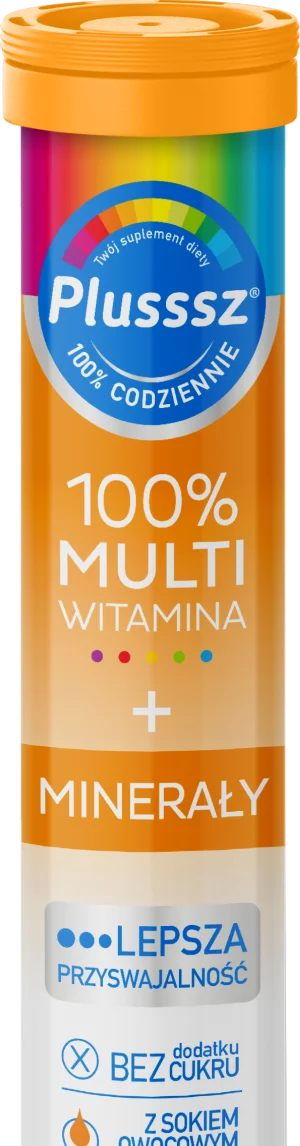
Also check for vitamin co-formulation. Some electrolyte products, including those in the Plusssz electrolyte range, include B vitamins and vitamin C alongside the mineral blend. This is genuinely useful for active adults: B vitamins support energy metabolism and the conversion of nutrients into usable fuel, meaning they complement the electrolytes rather than just padding the label.
A common oversimplification in hydration advice is treating all active adults the same. In practice, the electrolyte needs of an active woman, an active man, and an active adult over 50 differ in ways that matter when choosing a supplement.
Hormonal fluctuations across the menstrual cycle affect fluid retention and sodium sensitivity. During the luteal phase, progesterone influences aldosterone activity, which in turn affects sodium and potassium handling. Women who experience bloating, fatigue, or performance drops in the week before menstruation are often experiencing electrolyte-related fluid shifts rather than straightforward dehydration. A consistent electrolyte intake throughout the month - not only around hard training days - tends to smooth out these fluctuations.
Men tend to have higher sweat rates and greater absolute sweat volumes per session than women of similar body size. This means raw electrolyte losses per session are typically higher, and sodium replacement needs are proportionally greater. The Plusssz Multivitamin MEN formulation addresses the dual gap that many active men face: electrolyte replacement through the hydration range and targeted micronutrient support through a dedicated men's multivitamin designed for performance demands.
The thirst mechanism weakens with age, meaning older adults can become meaningfully dehydrated before feeling thirsty. Additionally, many common medications including diuretics and blood pressure treatments accelerate sodium and potassium excretion, making supplemental electrolytes more important rather than less. For this group, the European Food Safety Authority's recommendations of 2 litres of fluid daily for women and 2.5 litres for men represent a baseline, not a ceiling. The Plusssz Electrolytes SENIOR formulation is designed specifically for this demographic, using no added sugar and adapted mineral ratios appropriate for older adults.
Electrolytes are minerals - primarily sodium, potassium, magnesium, calcium, and chloride - that dissolve in water and carry an electrical charge. This charge enables muscle contraction, nerve impulse transmission, and fluid balance regulation. Active people need them because sweat depletes these minerals continuously during exercise, and the body cannot make up the deficit with water alone.
The most effective approach uses three windows: 30 to 60 minutes before a session to establish a good starting hydration status, during any session lasting more than 60 minutes to prevent losses exceeding 2% of body weight, and immediately post-session to replenish what sweat removed and to support overnight recovery. Rest days benefit from at least one serving to maintain baseline mineral levels.
Yes, and this is one of the most persistent misunderstandings about hydration. Any session that produces meaningful sweat - a gym resistance session, a fast-paced cycling commute, a yoga class in a warm studio - depletes electrolytes. The scale of depletion differs from an ultramarathon, but the mechanism is the same. Electrolyte supplements are appropriate and useful for everyday active adults, not only endurance athletes.
For the purpose of electrolyte replacement, they are more effective - not less. The sugar in standard isotonic drinks slows gastric emptying, which reduces the speed of mineral absorption. A clean, no-added-sugar electrolyte formula delivers the same mineral content without that bottleneck, and without the caloric overhead that is irrelevant for lower-intensity sessions. The sugar in traditional sports drinks serves an energy purpose during prolonged endurance events, not a hydration purpose.
A multivitamin provides baseline daily micronutrient coverage across vitamins and trace minerals. An electrolyte product replaces sodium, potassium, magnesium, and chloride lost acutely through sweat during exercise. The two products serve different functions. Multivitamins address chronic micronutrient gaps; electrolytes address acute mineral losses from physical activity. For comprehensive support, using both from a brand like Plusssz that formulates them to complement each other is the most coherent approach.
Heavy sweaters, those who see white residue on skin or dark clothing after exercise, and those who regularly experience muscle cramps or headaches post-training are likely losing above-average amounts of sodium per session. Training in warm conditions, wearing heavy kit, or exercising at high intensity increases losses further. If you find that hydrating with water alone does not resolve post-session fatigue, switching to an electrolyte drink for sessions over 45 minutes is a reasonable and low-risk first step.
Have you noticed a difference in how you feel after training when you take electrolytes compared to drinking water alone? Share your experience in the comments - it helps other readers figure out what works in the real world.