Most people who train in a UK gym eventually ask the same question about electrolyte timing: should you take them before you start, during the session, or once you've finished? The honest answer is that timing matters less than most marketing suggests, but it matters more than people think once the weather turns. Heating goes on, the room stays warm, and you can sweat through an hour without the breeze you had all summer to remind you how much fluid you're losing. This guide sets out when electrolytes earn their place in an autumn session, when they don't, and how to time them around the way you actually train.
Key Insight |
Explanation |
|---|---|
Sessions under about 60 minutes rarely need electrolytes during training |
Water covers most short sessions, and a few sips are enough if you are not sweating heavily. |
Pre-session electrolytes help most when you start already behind on fluid |
Arriving from a hot office, a skipped lunch, or a day with little water means you begin the session under-hydrated. |
Long or sweaty sessions justify sipping during training |
Once you train for more than about 75 minutes or sweat heavily, sodium loss becomes the main thing to replace. |
Post-session is where most UK gym-goers get it wrong |
A large bottle of plain water alone can leave sodium diluted if you have sweated heavily and not replaced salt. |
Indoor autumn gyms cause sneaky fluid loss |
Warm, dry heating and busy rooms raise sweat rates, but you lose the wind cues you get outdoors. |
Use the same routine at the same times each week |
Consistency shows you whether your timing is working, which random dosing never will. |
In summer, the outdoor air does half the work of telling you that you're sweating. A breeze evaporates sweat quickly, your skin feels cool, and you notice the salt crust on your forehead. Inside a UK gym in October, with the radiators on and the windows shut, you lose fluid at a similar rate but get none of those cues.
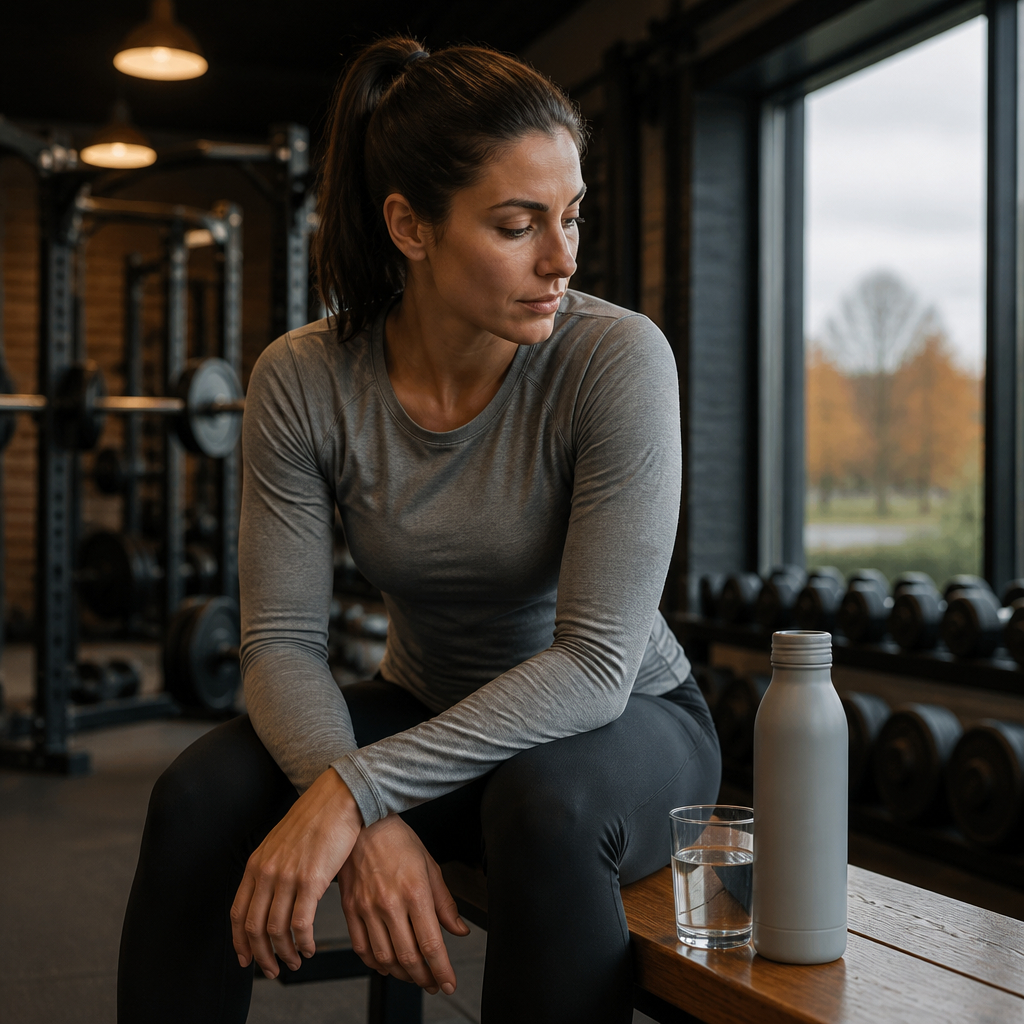
That gap is why many people feel fine during a session and then feel flat on the walk home. The body is still losing water and sodium through sweat, and you simply can't feel how much.
Indoors, sweat can evaporate quietly, so you feel comfortable while still losing salt. Crowded classes and hot weight rooms push the other way and make sweat obvious, but obvious sweat is not the same as a full picture of your losses. Either way, how you feel is a poor guide to how much you have lost.
A steady session in a warm, dry room can drain you more than a harder session outside on a cool day. The room is doing the work, and it doesn't announce it.
Autumn also changes when people train. Many move sessions from a lunchtime or early-morning slot to after work, which means training in the early evening after a full day at a desk with the heating on. That combination often means you arrive under-hydrated before the first set. The clocks go back on 25 October this year, so for many lifters the dark arrives before the end of the commute, and the habit of hydrating in daylight disappears with it.
Another pattern is the "I'll catch up later" trap. People who would never skip a warm-up often skip their water all day and then try to make up the difference in the gym. Fluid taken in a rush sits in the stomach and does little for the session that has already started.
Taking electrolytes before training makes most sense for one group: people who start the session already behind. If you've had a coffee and a sandwich all day, worked through lunch, and arrive at the squat rack with a dry mouth, a pre-session drink helps you begin from a better position. It won't magically boost performance, but it removes a deficit you would otherwise be training on top of.
A Peloton article on this question notes that the best timing depends on factors such as the type and duration of your workout. That is the right starting point. Pre-session intake is about your starting state, not about what happens in the first ten minutes of training.
Three people get the most from a pre-session drink. The first is the commuter who has spent the day in a hot office or on a crowded train. The second is anyone training fasted in the early morning, who has had little or no fluid since waking. The third is the person who sweats heavily from the first warm-up, often someone training in a hot room or doing a high-intensity block.
If you sip water steadily through the day and your urine is pale, you probably don't need to pre-load. Adding a sachet to a well-hydrated body simply adds sodium you are unlikely to need, and it can make a long warm-up feel heavy.
In practice, drink your electrolyte mix 15 to 30 minutes before you start, sipping rather than gulping. That gives your body time to absorb the fluid without sloshing through the first set. Leaving it until you're walking to the rack means you'll be drinking mid-warm-up, which is the least comfortable time to get a large volume down.
Pro tip: Mix your electrolytes to the same strength and flavour on every session day. Changing the dose between sessions makes it hard to tell whether a stomach upset came from the drink or from the training itself.
Whether to take electrolytes during a gym session comes down to duration and sweat rate. Most standard weights sessions finish well inside the window where plain water is enough. Once you are training for longer, or sweating through your kit, the sums change.
For a typical strength session of around an hour, a few sips of water between sets is plenty for most people. Adding electrolytes at this point usually means extra salt and calories you didn't need, and the gym bag ends up heavier than it should be. If you already took a pre-session drink, you don't need another during the session.
The exception is the person who has lost a lot of fluid before arriving. If you're already feeling flat, a small serving mid-session can help, but that is a sign the problem started earlier in the day.
Circuits, conditioning blocks, and sessions that run past 75 minutes are where mid-session replacement earns its place. So are sessions in a hot studio or a packed room where the air feels thick. In those cases, sip a diluted electrolyte drink every 15 to 20 minutes rather than waiting until you feel thirsty, because thirst lags behind fluid loss.
A common mistake is treating the bottle as a reward and finishing it between two sets. Large gulps sit heavily in the stomach and can cause cramping during heavy lifts. Small, regular sips feel better and spread the fluid evenly across the session.
The point to start taking electrolytes during training is the moment your plan stops being "water is enough" and becomes "I am sweating more than I can replace by drinking when I feel thirsty."
Post-session is where most people get the timing wrong. The usual routine is a large bottle of plain water in the car park, followed by a protein shake and a late dinner. Water matters, but if you have been sweating heavily, you have also lost sodium and other electrolytes that water alone won't replace.
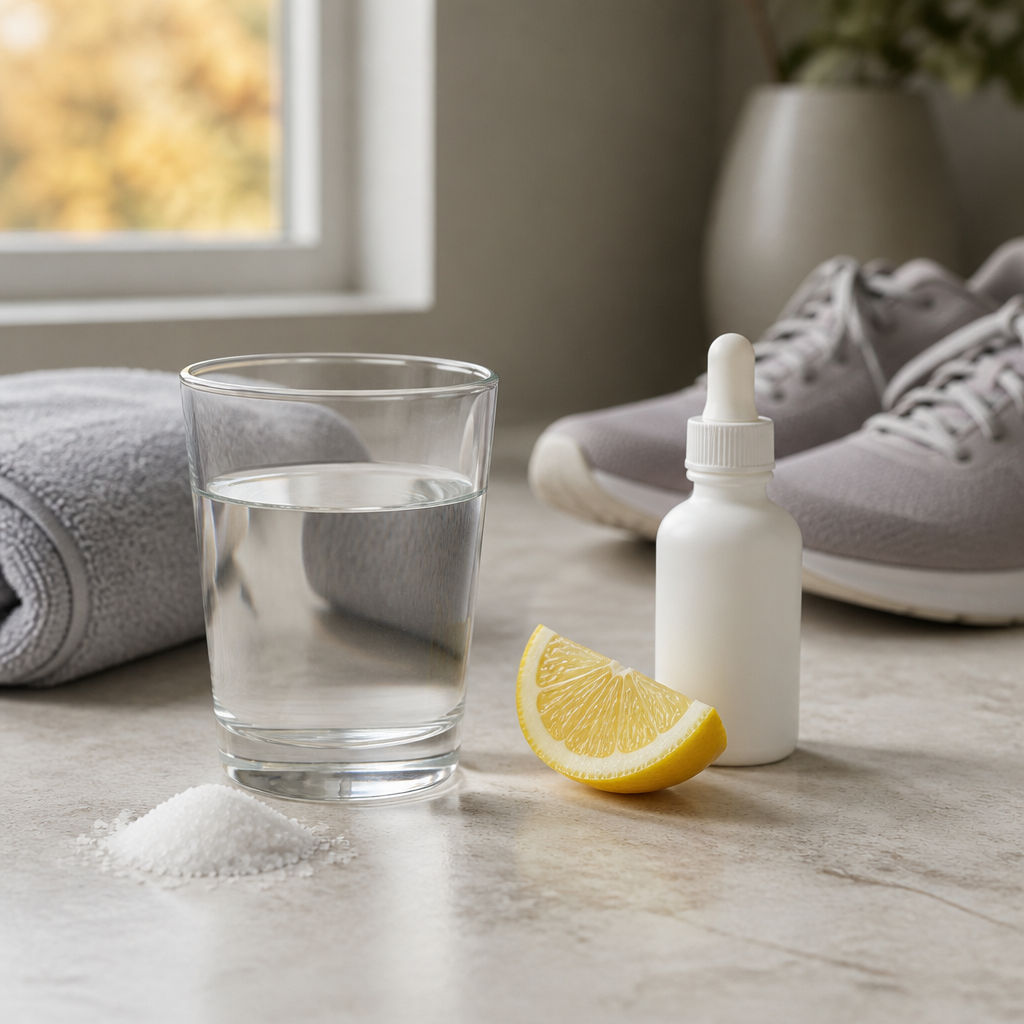
A BBC Food feature on electrolyte drinks lists sodium, potassium, calcium, chloride and magnesium as the electrolytes the body needs to function, and notes that they help muscles contract. That is why a post-session electrolyte drink is about restoring balance, not just adding volume.
If you finish a session drenched, the most useful step is a drink with sodium in it, taken steadily over the first hour or two. Sip it rather than downing it in one go. Plain water still has a role, but pairing it with sodium helps your body hold on to the fluid you're drinking.
On the other hand, if you finished a light session and you're not thirsty, a full serving is more than you need. Match the dose to the sweat you produced, not to the habit you've built.
Electrolytes and food work well together. A meal with some salt and potassium, such as a jacket potato, eggs on toast with a banana, or a stew, covers much of what you lost without needing a second sachet. The mistake is leaving the gym with a shake and no food for several hours, then wondering why you feel drained by nine o'clock.
Pro tip: Weigh yourself before and after a hard autumn session. Each kilo lost is roughly a litre of fluid, so a drop of half a kilo or more is a clear sign you should replace fluid over the next few hours, and it gives you a simple check on your real sweat rate.
Each timing option solves a different problem, and the right one depends on how you train and how much you sweat. The table below sets out where each approach works and where it falls short. Use it as a starting point, then adjust after a few weeks of noting how you feel.
Timing approach |
Best suited to |
Main drawback |
|---|---|---|
Before training only |
Commuters, early-morning trainees, and anyone who arrives under-hydrated |
Does little for long sessions where sweat losses build up mid-workout |
During training, sipped |
Sessions over 75 minutes, hot rooms, and circuit or conditioning blocks |
Easy to overdo if you gulp, and awkward during heavy lifts if the bottle is large |
After training only |
Heavy sweaters who finish depleted and can eat a proper meal afterwards |
Too late to help performance during the session, and often under-dosed when people rely on water alone |
For most people training in a UK gym this autumn, the sensible default is a pre-session drink if you started the day dehydrated, plus sipping during longer or hotter blocks. Add the after-session step if you sweat heavily. Using all three is rarely necessary unless you train twice in one day or in very hot conditions.
Most timing problems come from a handful of habits rather than from the product itself. Fix these first and the question of when to take your electrolytes becomes much simpler. These are the errors that show up most often in people training through the autumn.
Waiting for thirst is the first and most common. In a warm room, thirst lags behind the fluid you've lost, so by the time you feel dry you are already behind for the rest of the session.
Thirst is a useful alarm but a slow one. If you train in a heated room, set a rough routine instead: a few sips at the start, then regular small sips at set points, such as after every second exercise. That keeps you ahead without needing to think about it.
Keep the bottle within reach of your bench or station. If it lives in your locker, you will drink far less than you planned.
Some people assume a high-sodium mix is always better. For a light midweek session it is more than you need, and it can leave you feeling bloated or thirsty for the wrong reasons. Match strength to sweat and session length, and save the stronger option for hard, hot days.
A good routine is one you can repeat without thinking. Pick the timing that fits your usual session length, set a default dose, and only change it when your sessions change. That is more useful than trying to optimise every workout separately.
If you train three times a week, try a simple pattern: a pre-session drink on the days you come straight from work, sipping during any session longer than 75 minutes, and a post-session meal with salt on your hardest days. Keep notes for two weeks on how much you sweated, how you felt, and whether you had cramps or headaches. Those notes will tell you more than any general rule, including the ones in this article.
Our electrolyte range is formulated with no added sugar, which matters when you take it on several training days a week. You can find full product details on the Plusssz UK homepage.
Autumn is not one season. Early October sessions in a warm gym can call for the same routine as summer, while late November sessions, with a cold car park and a heated gym, may need less. Review your routine every few weeks, and again once the clocks change on 25 October, since that often shifts when people train.
If you train fasted in the mornings and the darker starts have pushed you into a new routine, move your pre-session drink to the moment you wake up, not the moment you reach the gym.
Pro tip: Change one variable at a time. If you move your pre-session drink and add a mid-session sip in the same week, you won't know which change helped or caused the problem.
Take them before a session if you are starting already behind on fluid, such as after a hot commute, a skipped lunch, or a day with little water. If you have been sipping steadily and your urine is pale, plain water before training is usually enough.
For most people, no. A few sips of water between sets covers a typical hour of strength training. Consider sipping an electrolyte drink if the session runs longer, the room is hot, or you sweat heavily from the start.
It depends on where you start. Before training helps if you arrive dehydrated, while after training matters most if you finish a hard session drenched. Many people benefit from the after-session step more than the before-session one, especially if they eat a proper meal afterwards.
You can, but only if your intake matches your losses. On rest days or light sessions, you probably need food and plain water rather than a full serving. Daily use makes more sense for people who train hard most days or sweat heavily in warm environments.
Drinking large volumes of plain water quickly after heavy sweating can dilute the sodium in your blood, which is why it is better to sip and include some salt. If you feel nauseous, headachy, or unusually bloated after a session, slow your intake and eat something with salt in it.
Not quite. Electrolyte supplements are usually lower in sugar and calories and designed to replace minerals without the extra energy a sports drink provides. If your session is short or your goal is simply to replace what you sweat out, the lower-sugar option is often the better fit.
Which timing has worked best for your own autumn sessions, and have you noticed a difference between how you sweat indoors and outdoors?