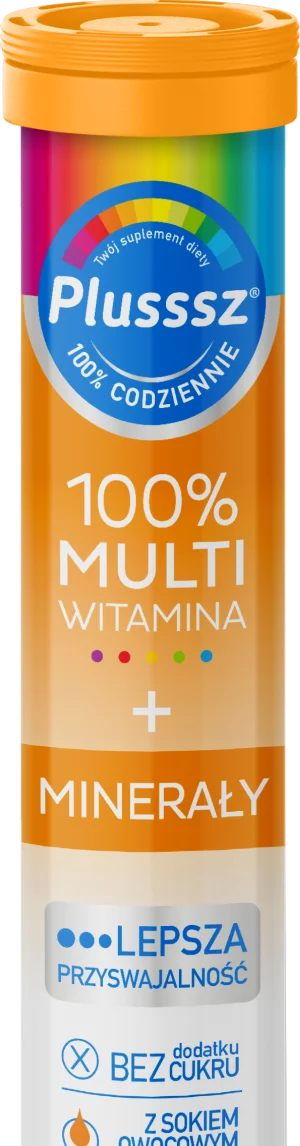
Walk into any pharmacy or scroll through any supplement site in the UK, and you are immediately confronted with dozens of multivitamins all claiming to be the best. Most people pick based on price, packaging, or a friend's recommendation, then wonder three months later whether they are actually getting any benefit. Learning how to choose a multivitamin in the UK properly is not complicated, but it does require you to ignore most of the marketing and focus on a handful of factors that actually determine whether a product will work. This guide cuts straight to those factors.
Key Insight |
Explanation |
|---|---|
Nutrient form beats nutrient dose |
A high dose of magnesium oxide delivers very little to your cells. A lower dose of magnesium bisglycinate or citrate is absorbed far more effectively. |
NRV percentages are minimums, not targets |
The Nutrient Reference Value is set to prevent deficiency, not to support active performance or optimal health. Active individuals often need more. |
Vitamin D3 is better than D2 |
Cholecalciferol (D3) raises blood levels more effectively than ergocalciferol (D2). In the UK, where sun exposure is limited, this distinction really matters. |
No added sugar is non-negotiable for active users |
Sugar-sweetened supplements add unnecessary calories and can undermine training nutrition goals. Effective formulations achieve taste without it. |
One-size-fits-all formulas miss the mark |
Women, men, seniors, and sports-focused individuals have distinct nutritional requirements. A formula designed for all of them equally is optimised for none. |
Check for B12 and folate forms specifically |
Methylcobalamin (B12) and 5-MTHF (active folate) are more bioavailable than cyanocobalamin and folic acid for most people. |
Electrolytes and multivitamins serve different roles |
Electrolytes (sodium, potassium, magnesium) address acute hydration during exercise. A multivitamin addresses longer-term micronutrient maintenance. Both matter; neither replaces the other. |
The UK supplement market is saturated with products that look impressive on the front of the pack and fall apart on the back. Long ingredient lists, bold percentage figures next to NRV, and phrases like "complete formula" are used to imply comprehensiveness. In practice, the ingredient forms chosen and the doses used determine almost everything.
A common mistake is buying based on how many nutrients are listed. A product with 26 nutrients at subtherapeutic doses is often less useful than one with 12 nutrients at genuinely meaningful levels. More ingredients photographed on the label is a marketing decision. What goes into the capsule at what dose and in what form is a formulation decision, and those two things are not the same.
The Nutrient Reference Value tells you how much of the daily guideline a dose provides, but NRVs are minimums for deficiency prevention, not optimal intakes. If you train regularly, your baseline requirements for several micronutrients sit meaningfully above the prevention threshold.
Another underappreciated problem is excipient load. Cheap multivitamins frequently include binders, fillers, artificial colours, and preservatives that add nothing beneficial and, in some cases, reduce the absorption of active ingredients. Checking the full ingredient list, not just the front-label claims, is always worth the 60 seconds it takes.


Bioavailability is the percentage of a nutrient that actually reaches your bloodstream and tissues. For several key vitamins and minerals, the chemical form used in a supplement determines bioavailability far more than the stated dose. This is the single most important technical factor when evaluating any multivitamin.
Vitamin D3 (cholecalciferol) raises blood levels more effectively than vitamin D2 (ergocalciferol). In the UK, where NHS data confirms that sunlight alone is insufficient to maintain adequate vitamin D levels for most of the year, this distinction is particularly important. D3 is the form your skin naturally synthesises when exposed to UVB radiation, which is why it converts more efficiently in the body.
For B12, methylcobalamin is the active, directly usable form. Cyanocobalamin, which appears in cheaper products, requires a conversion step that some people are less efficient at completing. Similarly, 5-MTHF (methylfolate) is the active form of folate and is more directly usable than standard folic acid, particularly for individuals with common genetic variants that affect folate metabolism.
Vitamin C listed as L-ascorbic acid is the correct, bioavailable form. If you see it listed as sodium ascorbate, be aware that you are also taking on a sodium load, which matters if you are monitoring intake.
Magnesium is one of the most widely under-absorbed minerals in supplement form. Magnesium oxide, the cheapest and most common form, has poor absorption. Magnesium bisglycinate or citrate delivers substantially more usable magnesium per milligram. For active individuals who lose magnesium through sweat, this is not a minor difference.
Iron absorption also varies dramatically by form. Ferrous bisglycinate (iron amino acid chelate) and ferrous fumarate are better absorbed than ferric iron forms. One important note: men and postmenopausal women generally do not need iron supplementation at all, and a multivitamin providing 100% NRV for iron may be inappropriate for those groups. A well-designed formula accounts for this.
Pro tip: When reading a label, look for the word "bisglycinate" or "glycinate" next to magnesium and zinc. These chelated forms cost more to manufacture and signal that the formulation prioritises absorption over sticker-price competitiveness.
The best multivitamin for a 28-year-old woman who runs four times a week is not the same as the best multivitamin for a 58-year-old man managing cardiovascular health, or a senior woman whose nutrient absorption is naturally declining with age. Demographic targeting in supplements is not a marketing gimmick when it is done correctly. It reflects genuine physiological differences.
A properly designed women's formula includes higher iron to account for menstrual losses, meaningful folate or methylfolate (especially for women of reproductive age), iodine for thyroid support, and vitamin D3 at a dose that actually moves the needle on blood levels. Formulas that simply replicate a standard adult product with pink packaging are not women's formulas in any meaningful sense.
Men's formulas should prioritise zinc, selenium, and vitamin B6, which support testosterone regulation and general hormonal health. Iron is typically kept low or absent, as most men eating a varied diet are not at risk of iron deficiency and excess iron is associated with oxidative stress. A good men's formula also includes meaningful magnesium, given how commonly men are deficient and how directly magnesium affects muscle function and sleep quality.
Nutrient absorption declines with age. Vitamin B12 absorption specifically requires adequate stomach acid, which decreases in older adults. Senior formulas should increase B12 dose accordingly, alongside higher vitamin D3 and calcium to support bone density. If a product marketed at seniors provides the same doses as a standard adult formula, it is not actually formulated for seniors.
Pro tip: If you are over 50 and still using a standard adult multivitamin, check whether it provides B12 as methylcobalamin at a dose above 100% NRV. The NRV for B12 is set for adults with normal absorption capacity, which does not describe most people over 60.

If you train consistently, whether that means gym sessions, running, cycling, or team sports, your micronutrient demands are elevated compared to a sedentary person eating the same diet. This is not speculation. Exercise increases metabolic rate, induces oxidative stress, depletes electrolytes through sweat, and accelerates cellular processes that depend on B vitamins as cofactors.
B vitamins are not an energy source in the way that carbohydrates or fats are. They are cofactors that allow your body to extract energy from food efficiently. Riboflavin (B2), niacin (B3), pantothenic acid (B5), B6, and B12 are all involved in energy metabolism pathways. Research suggests that endurance and high-intensity exercise may increase requirements for riboflavin and B6 specifically. A multivitamin with B vitamins at meaningful doses is genuinely useful for active individuals, not just a box-ticking exercise.
Vitamin D deficiency is widespread in the UK. Data from a large sample of tested UK adults found that around half had vitamin D levels below the optimal range. The NHS recommends 10 micrograms (400 IU) per day for adults, but many nutrition practitioners consider this the minimum for deficiency prevention rather than the amount needed to support immune function and muscle performance in active individuals. Look for D3, not D2, in your multivitamin.
Magnesium is lost through sweat, and most people eating a modern diet are already not hitting recommended intakes through food alone. Deficiency affects muscle function, sleep quality, and energy production. A multivitamin that includes magnesium bisglycinate at a meaningful dose, rather than a token amount of magnesium oxide, makes a real difference here.
Intense exercise generates reactive oxygen species. Vitamins C and E act as antioxidants that help manage this oxidative load. This does not mean supplementing at extremely high doses, which can actually blunt some training adaptations. It means ensuring your daily intake through diet and a well-formulated multivitamin keeps you covered at sensible levels.
A multivitamin addresses your baseline micronutrient status over weeks and months. An electrolyte drink addresses acute fluid and mineral losses during and after a training session. These are complementary roles, not overlapping ones. If you are training hard in warm conditions, you are losing sodium, potassium, and magnesium in sweat at a rate that a daily multivitamin alone cannot replenish. The combination that works consistently is: electrolyte support around your session, plus a quality multivitamin as part of your daily routine. Trying to use one product to do the job of both usually results in neither job being done well. Plusssz formulates both product types separately and without added sugar, which is exactly the right approach for this.
The format of a multivitamin affects absorption, convenience, ingredient stability, and how well you actually maintain the habit. Here is a direct comparison of the three main formats available in the UK market.
Format |
Absorption and Bioavailability |
Best For |
|---|---|---|
Effervescent Tablets |
Pre-dissolved nutrients enter the gut already in solution, which can support faster absorption compared to solid tablets that must disintegrate first. Particularly effective for water-soluble vitamins like B-complex and vitamin C. |
Active individuals who want hydration combined with micronutrient intake. Also suits people who struggle with swallowing capsules or tablets. The ritual of preparing the drink supports daily consistency. |
Capsules |
Good bioavailability when quality nutrient forms are used. Capsules are typically free of the bulking agents found in compressed tablets. Absorption depends heavily on the nutrient forms inside, not the capsule format itself. |
People who prefer a portable, low-fuss daily supplement without any preparation. Works well when the inner formulation prioritises bioavailable nutrient forms over volume. |
Compressed Tablets |
Requires disintegration before nutrients are released. Binders and fillers used in compression can interfere with nutrient release. Generally the least flexible format for achieving high bioavailability across multiple ingredient types. |
Suitable for stable, single-nutrient or two-nutrient supplements. Less ideal for a broad-spectrum multivitamin where multiple forms need to be delivered effectively. |
In practice, the format matters less than the ingredient quality inside it. A well-formulated effervescent with no added sugar and bioavailable forms is better than a poorly formulated capsule, and vice versa. Do not let a premium-looking format distract you from checking the actual nutrients.
UK supplement labels follow specific conventions that, once you know them, make comparison straightforward. Here is what to look at and in what order.
Before you look at doses or NRV percentages, scan the ingredient list for the forms of key nutrients. If magnesium is listed as "magnesium oxide" and vitamin D is listed as D2, that tells you immediately about the formulation philosophy. Better products will specify "magnesium bisglycinate", "cholecalciferol" (D3), "methylcobalamin" (B12), and "5-MTHF" or "methylfolate" for folate.
NRV percentages appear on every UK supplement label. A 100% NRV figure means the dose meets the reference value for an average adult at rest. For active individuals, this is often a starting point, not a ceiling. Vitamin D at 100% NRV is 5 micrograms, which is below even the NHS minimum recommendation of 10 micrograms for all adults during autumn and winter. A multivitamin providing only 100% NRV for vitamin D is not providing enough vitamin D.
A shorter, cleaner excipient list is usually better than a long one. "Free from gluten, dairy, and nuts" is useful information, particularly if you have intolerances. The absence of artificial colours and excessive fillers is a sign of a more considered formulation. No added sugar is essential if you are active and managing your training nutrition carefully. An effervescent that achieves good flavour without sugar, using food-grade acidulants and natural flavouring, is the right outcome.
Pro tip: If the label does not specify which form of a nutrient is used, for example if it just says "magnesium" with no form listed, assume it is the cheapest form available. Good brands tell you exactly what they used because it is a selling point, not a detail to hide.
Internal links worth exploring if you are building your supplement routine: the Plusssz guide on combining electrolytes and multivitamins for training goes deeper on the timing and sequencing question, and the Plusssz formulation philosophy post explains why demographic-specific formulas matter more than generic ones.
Possibly not, but the honest answer is that most people in the UK do not consistently eat a diet that covers all micronutrient bases. Vitamin D is the clearest example. Around half of tested UK adults have vitamin D levels below the optimal range, and no realistic diet change fixes that during the months when UVB radiation is insufficient. For active individuals, the additional demands of training push B vitamins, magnesium, and antioxidants higher than diet alone typically provides. A quality multivitamin is not a replacement for good eating, but it is a practical safety net for the gaps that most people have.
The Nutrient Reference Value (NRV) is the daily reference intake set for the average adult to prevent nutritional deficiency. It is a minimum threshold, not a performance target. For many nutrients, research suggests that intakes above the NRV are associated with better outcomes in active individuals, particularly for vitamin D, magnesium, and B12. A multivitamin providing 100% NRV for everything is not necessarily providing enough of anything.
Yes, when the formulas are designed properly. Women of reproductive age need more iron and folate. Men typically need no supplemental iron and benefit from higher zinc and selenium. A women's formula with the same iron content as a men's formula, or a men's formula with meaningful iron, suggests the demographic targeting is cosmetic rather than scientific. Always check the actual nutrient profile, not just the label claim.
For most active individuals, electrolytes and multivitamins serve different purposes and are best taken separately. Electrolytes, primarily sodium, potassium, and magnesium, are needed in meaningful quantities around exercise sessions to replace sweat losses. The doses required for effective hydration support do not fit neatly into a once-daily multivitamin tablet without making it impractically large. A dedicated electrolyte product taken around training, alongside a daily multivitamin for ongoing micronutrient coverage, is the more effective approach.
It matters more for some people than others. Methylcobalamin is the active, directly usable form of B12. Cyanocobalamin requires conversion by the body. For younger, healthy adults with normal digestion, the difference is often manageable. For older adults, where stomach acid production decreases and B12 absorption becomes less efficient generally, the form becomes more important. If you are over 50, or if you follow a vegan or vegetarian diet where B12 intake from food is limited, choosing methylcobalamin is the lower-risk option.
Subjective energy and wellbeing improvements are real but difficult to attribute to a single supplement, especially in the short term. The most reliable method is blood testing. A baseline test before starting, followed by a retest after 12 weeks, gives you objective data on whether blood levels of key nutrients like vitamin D and B12 have moved. If they have not moved, the product is either using poor nutrient forms, underdosing, or you have an absorption issue worth discussing with a GP. Supplementing without any measurement is common, but it leaves you guessing about whether anything is actually happening.
Yes, and in some respects they are more effective. Nutrients pre-dissolved in water are already in solution when they enter the digestive system, which can support absorption, particularly for water-soluble vitamins. The key condition is that the effervescent must be formulated with bioavailable nutrient forms and without added sugar. An effervescent that achieves this, as well-formulated products do, is at least as effective as a capsule and often easier to take consistently, which itself is one of the most important factors in supplement effectiveness.
If you have tried different multivitamin formulas, we would genuinely like to know what you found worked or did not work for your training routine. Share your experience in the comments below.