Sweat more than 1.5 litres during a hard session and you can lose enough sodium, potassium, and magnesium to impair muscle contraction, slow cognitive function, and push perceived effort through the roof. Most active people in the UK reach for water alone, or a carbohydrate drink loaded with sugar, and wonder why their legs still cramp at mile eight. The answer is rarely calories. It is almost always a combined deficit in electrolyte supplements UK athletes still overlook and a chronic shortfall in the micronutrients that make every cellular process behind performance actually work.
Key Insight |
Explanation |
|---|---|
Electrolytes and multivitamins address different but overlapping deficits |
Electrolytes manage acute fluid balance and nerve signalling during exercise; multivitamins cover the chronic micronutrient gaps that accumulate over weeks of training. |
UK sweat rates create a specific sodium challenge |
Research from Loughborough University puts average sweat sodium concentration between 460 and 1,840 mg per litre, meaning some athletes lose far more sodium than standard sports drinks replace. |
No added sugar electrolyte formulas outperform sugary alternatives for longer efforts |
Sugar spikes insulin, which can interfere with fat oxidation during low-to-moderate intensity sessions. A no added sugar electrolyte drink keeps energy stable without the crash. |
B vitamins and magnesium directly support energy metabolism during training |
B1, B2, B3, B6, and B12 are all co-factors in ATP production. Magnesium deficiency measurably increases oxygen cost of exercise by up to 20% according to published USDA data. |
Vitamin D deficiency is near-universal in UK active populations through autumn and winter |
Public Health England data shows over 40% of UK adults are deficient in vitamin D between October and March, undermining bone health, immunity, and muscle recovery simultaneously. |
Assimilability matters more than raw dosage |
A multivitamin delivering 1,000 mg of calcium carbonate is far less bioavailable than a formula using calcium citrate or malate. The form of the nutrient determines how much you actually absorb. |
Stacking electrolytes with a targeted multivitamin reduces the supplementation burden |
Rather than managing five separate supplements, a purpose-built electrolyte and multivitamin stack covers hydration, energy, immunity, and recovery in two products. |

The fitness supplement market tends to split hydration and nutrition into separate categories, which leads active people to treat them as separate problems. They are not. Every enzymatic reaction that converts food into usable energy requires both adequate hydration and specific micronutrients working simultaneously. Dehydration of as little as 2% of body mass impairs performance, but the same session that dehydrates you also depletes zinc through sweat, increases your need for antioxidant vitamins C and E, and burns through B-vitamin co-factors at an accelerated rate.
In practice, addressing only one side of this equation produces partial results at best. Athletes who hydrate well but carry chronic vitamin D, magnesium, or B12 deficiencies still report fatigue, poor recovery, and reduced training adaptation. Conversely, someone taking a comprehensive multivitamin for active people but neglecting electrolyte replacement during training will still cramp, fade, and underperform in sessions lasting over an hour.
The stack approach, pairing a high-quality electrolyte formula with a well-formulated multivitamin complex, is not a luxury reserved for elite athletes. It is the minimum sensible baseline for anyone training more than three times per week who wants their body to actually respond to the work they are putting in.
Electrolytes are minerals that carry an electrical charge when dissolved in fluid. The key ones for athletic performance are sodium, potassium, magnesium, chloride, and calcium. Each plays a distinct role, and losing them through sweat is not a theoretical concern. It is a measurable, session-by-session drain.
Sodium governs fluid retention and nerve impulse transmission. When sodium drops, plasma volume falls, heart rate rises for the same workload, and perceived exertion increases. A common mistake is assuming that drinking plain water during exercise is sufficient. It is not. Water without sodium actually dilutes plasma sodium concentration further, which in prolonged events can contribute to hyponatraemia, a genuinely dangerous condition.
The data consistently shows that individual sweat sodium rates vary enormously. Some athletes are “salty sweaters” who lose over 1,500 mg of sodium per litre of sweat. Standard hydration supplements for sport at generic formulations often replace only 200 to 400 mg per 500 ml serving, which is wholly inadequate for high-intensity or hot-weather training.
Potassium works with sodium to maintain the electrochemical gradient that powers muscle contraction. Low potassium is a direct driver of muscle cramps and weakness. Magnesium is involved in over 300 enzymatic reactions including protein synthesis, muscle and nerve function, and glucose metabolism. It is also lost in significant quantities through sweat and exacerbated by high-intensity training that increases magnesium utilisation at the cellular level.
Pro tip: If you regularly cramp in the final third of a run or ride, add 200 to 400 mg of elemental magnesium (as glycinate or malate for best absorption) to your evening routine alongside your post-session electrolyte drink. The combination resolves most exercise-induced cramping within two weeks.
Here is the inconvenient truth: eating what most people would consider a healthy, balanced diet does not guarantee adequate micronutrient status when you are training regularly. Exercise increases the turnover rate of nearly every vitamin and mineral. Sweating removes water-soluble vitamins. Higher caloric intake does not automatically mean higher nutrient density, particularly in a UK food environment where ultra-processed foods make up over 57% of adult dietary energy intake according to data published in the British Medical Journal.
The specific gaps most relevant to active people in the UK are vitamin D (October to March deficiency is near-universal without supplementation), magnesium (dietary surveys routinely show UK adults consuming below the reference nutrient intake), vitamin B12 (particularly critical for those following plant-based diets popular among endurance athletes), iron (especially relevant for female athletes and those doing high running mileage), and zinc (sweat losses plus poor dietary sources combine to create a real deficit in heavy trainers).
A cheap supermarket multivitamin typically uses the cheapest, lowest-bioavailability forms of each nutrient. Magnesium oxide, for instance, has roughly 4% bioavailability compared to magnesium glycinate at around 80%. Folic acid is far less effective than methylfolate for people with MTHFR gene variants, which affect an estimated 40 to 60% of the population. The difference between a multivitamin that works and one that creates expensive urine is almost entirely in the formulation.
This is exactly why a purpose-built multivitamin for active people that prioritises improved nutrient assimilability, rather than a one-size-fits-all tablet aimed at sedentary adults, is a materially different product. The needs of someone training four times a week differ from those of someone who walks to the car and back.

The sports drink industry built its first generation of products around sugars. This made sense in the 1970s and 1980s when the primary target user was an endurance athlete burning thousands of calories per session who needed rapid carbohydrate replenishment. The problem is that most active people in the UK are not running ultramarathons. They are doing 45-minute gym sessions, 60-minute cycling classes, or recreational 5k runs where caloric depletion is not the limiting factor. For these individuals, a sugar-heavy hydration drink adds unnecessary calories, disrupts stable blood glucose, and can undermine body composition goals.
No added sugar electrolytes solve this problem without sacrificing the functional benefit. By delivering sodium, potassium, magnesium, and chloride in effective quantities without glucose or sucrose, these formulations support fluid absorption, muscle function, and endurance without the caloric load or the inevitable post-sugar energy dip.
The data consistently shows that sodium drives fluid absorption through the sodium-glucose co-transport system, but modern formulations can trigger this mechanism with much lower glucose concentrations than classic sports drinks use. The practical upshot is that a well-designed no added sugar electrolyte product can match or exceed the hydration performance of sugar-loaded alternatives for sessions under 90 minutes.
Pro tip: For morning training on an empty stomach, a no added sugar electrolyte drink pre-session is particularly valuable. It primes fluid balance and nerve function without spiking insulin before you start, which means fat oxidation remains accessible as a fuel source throughout the session.
Not all electrolyte and multivitamin products are created equal. The table below compares three broad approaches active people in the UK commonly take, from generic high-street products to purpose-built performance stacks, across the dimensions that actually matter for training outcomes.
Approach |
Electrolyte Coverage |
Multivitamin Quality |
|---|---|---|
Generic supermarket sports drink plus supermarket multivitamin |
Typically 200 to 400 mg sodium per serving, no magnesium, high sugar content (25 to 35 g per bottle). Adequate only for very short low-intensity sessions. |
Low-bioavailability forms (magnesium oxide, cyanocobalamin, folic acid). Formulated for sedentary RDA targets, not training demands. Nutrient absorption often poor. |
Premium single-ingredient supplements (separate sodium tablet, separate magnesium, separate vitamin D, etc.) |
Can achieve precise dosing but requires managing multiple products, easy to create imbalances, and cost per month rises quickly. No added sugar but inconvenient for active use. |
Individual nutrients can be high quality but there is no synergistic formulation. Risk of over-supplementing some nutrients while missing others entirely. |
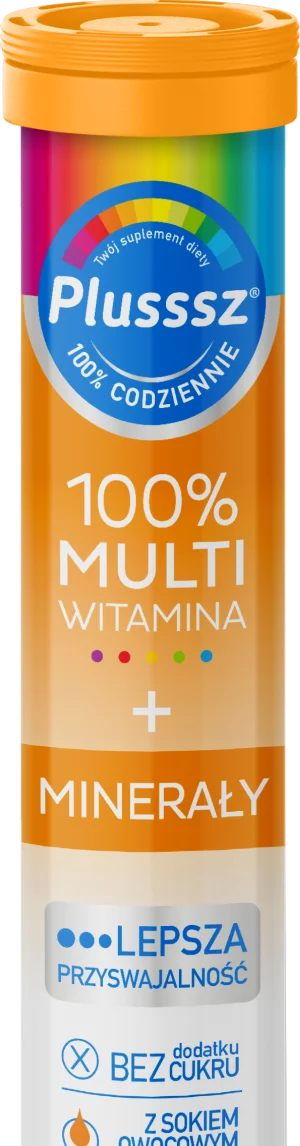
Purpose-built electrolyte hydration product plus active-specific multivitamin complex (e.g., Plusssz UK range) |
Comprehensive electrolyte profile including sodium, potassium, magnesium, and chloride in physiologically relevant ratios. No added sugar. Designed for before, during, and after training. |
Uses high-bioavailability nutrient forms targeted to active individuals. Accounts for increased training demands on B vitamins, vitamin D, zinc, and iron. Demographic-specific variants available. |
The practical winner here is not the most expensive option per se, it is the option with the most appropriate formulation for your specific training load and demographic. A 60-year-old active male has different vitamin D, zinc, and B12 needs compared to a 28-year-old female endurance runner. Generic products serve neither particularly well.
Timing and sequencing of these two product categories matters more than most people realise. Electrolytes are acutely time-sensitive. Multivitamins are a chronic, cumulative intervention. Getting the timing right for each maximises what you actually absorb and use.
For sessions under 60 minutes, consume your electrolyte drink 15 to 20 minutes before training. This pre-loads plasma sodium concentration, primes fluid balance, and reduces early-session fatigue. For sessions over 60 minutes, begin sipping electrolytes at 20 to 30 minute intervals during the session at a rate of approximately 500 ml per hour depending on sweat rate and ambient temperature. Post-session electrolyte replenishment within 30 minutes of finishing accelerates recovery significantly, particularly for the sodium needed to retain any fluid you drink.
Fat-soluble vitamins (A, D, E, K) require dietary fat for absorption. Take your multivitamin with a meal containing some fat, not on an empty stomach. Morning is often practical, but for athletes training first thing in the morning, taking the multivitamin with breakfast post-session works well. Avoid taking high-dose zinc and iron at the same time as they compete for the same absorption pathways.
The combination that works consistently in practice is: electrolyte drink pre-training, water or continued electrolyte sipping during training, then a balanced meal with your multivitamin within an hour of finishing. This covers both the acute session demands and the longer-term nutritional maintenance that keeps training adaptations compounding over weeks and months.
One of the consistent failures of the sports supplement category is its historical design around a single demographic: the 25 to 35 year old male endurance athlete. The reality of the active UK population is considerably more diverse, and the physiological needs diverge meaningfully across age and sex.
Iron loss through menstruation combined with the increased demand training places on iron-dependent oxygen transport makes iron a priority nutrient for active women. Calcium and vitamin D are disproportionately important for female bone health, particularly for female athletes who may experience low energy availability. Folate (as methylfolate for best efficacy) and B12 matter significantly for women of reproductive age. An electrolyte formula with added magnesium is particularly valuable for women given magnesium's role in reducing exercise-induced muscle soreness and its interaction with hormonal fluctuations.
Active men tend to sweat more heavily and lose more sodium per session, making higher-sodium electrolyte formulations more relevant. Zinc is critical for testosterone regulation, immune function, and protein synthesis, and it is genuinely at risk of depletion in men doing heavy resistance training. Vitamin D and magnesium remain universally important, and B vitamins are essential for the energy metabolism demands of high training volumes.
Nutrient absorption efficiency declines with age. Vitamin B12 absorption requires adequate stomach acid, which decreases in older adults, making active forms of B12 (methylcobalamin) in multivitamins more important. Vitamin D requirements are higher in older adults. Electrolyte needs during exercise remain as important as ever, but thirst sensation decreases with age, meaning older active individuals need to be more deliberate about pre-session electrolyte loading rather than relying on thirst as a guide.
“Suboptimal magnesium status appears to consistently impair exercise performance, and the majority of physically active adults in industrialised countries consume inadequate magnesium from diet alone.” -- Dr. Henry Lukaski, USDA Human Nutrition Research, published in Magnesium Research
Recovery is where training adaptations are actually built. The session creates the stimulus. Sleep, nutrition, and targeted supplementation determine whether your body responds with improved fitness or just accumulated fatigue. Sports recovery supplements that combine electrolyte replenishment with micronutrient support serve this window far better than protein shakes alone, which address muscle protein synthesis but ignore the broader physiological repair process.
The post-session window, roughly 30 to 90 minutes after training, is characterised by elevated metabolic demand, heightened inflammation, depleted glycogen stores, and significant electrolyte deficits. During this period, the body's uptake of sodium, potassium, magnesium, vitamin C, zinc, and B vitamins is elevated above baseline. Supplementing during this window, rather than waiting until the next morning's multivitamin, is meaningfully more effective for recovery quality.
In practice, athletes who combine post-session electrolyte replenishment with their vitamins and minerals for exercise routine report faster return to training readiness, reduced muscle soreness, and better sleep quality, all of which are measurable downstream effects of proper micronutrient and electrolyte repletion rather than protein intake alone.
Pro tip: Track your resting heart rate each morning. A consistently elevated resting heart rate (more than 5 to 7 bpm above your normal baseline) is one of the earliest indicators of cumulative dehydration and micronutrient depletion, both of which respond directly to improving your electrolyte and multivitamin protocol.
Yes, if you are training more than three times per week. A balanced diet replaces resting micronutrient needs reasonably well, but exercise dramatically increases sweat losses of sodium, potassium, and magnesium that food alone cannot replenish fast enough between sessions. This is particularly true for sodium, which is lost in significant quantities through sweat and needs active replacement during and after training.
Yes, and in most cases this is actively beneficial. Electrolytes support the fluid environment in which fat-soluble vitamins are distributed through the body. The main exception is avoiding very high-dose zinc and iron at the same time, as they compete for absorption. A standard multivitamin taken with food alongside an electrolyte drink poses no absorption conflicts for most people.
For sessions under 90 minutes, added sugar in electrolyte drinks provides calories you do not need and can cause blood glucose fluctuations that reduce sustained energy output. No added sugar electrolytes deliver the sodium, potassium, and magnesium needed for fluid balance and muscle function without the caloric load, making them appropriate for pre-training, intra-training, and recovery use regardless of session length or body composition goals.
Electrolyte effects are often noticeable within the first one to three sessions, particularly if you have been chronically under-hydrating or experiencing cramping. Multivitamin effects accumulate over three to eight weeks as tissue levels of deficient nutrients restore. Vitamin D status improvement typically shows measurable change at around six to eight weeks of consistent daily supplementation. Patience with multivitamin supplementation matters, but the absence of short-term dramatic change does not mean it is not working.
For the vast majority of healthy active adults, yes. Electrolyte supplements designed for athletes deliver minerals at physiologically relevant levels that complement rather than exceed safe upper intake levels. A well-formulated multivitamin designed for active individuals is calibrated to training needs rather than therapeutic intervention levels. Anyone with kidney disease, hypertension, or other conditions affecting mineral regulation should consult their GP before adding electrolyte supplementation to their routine.
There are meaningful differences in optimal formulation. Active women benefit from higher magnesium, calcium, vitamin D, and iron levels in their supplement stack. Active men typically benefit from higher zinc and slightly higher sodium in their electrolyte formula given higher average sweat rates. A generic electrolyte product designed for a 30-year-old male marathon runner is not the ideal formulation for a 45-year-old woman doing strength training and HIIT, and vice versa.
Have you tried combining electrolyte and multivitamin supplementation in your own training routine, and what difference did you notice? Share your experience in the comments.