Most people over 60 do not feel thirsty until they are already mildly dehydrated. That is not a discipline problem. It is a physiological one. The hypothalamus becomes less sensitive to dehydration signals with age, meaning the body's built-in warning system grows quieter precisely when hydration becomes more critical. For active adults, the stakes rise further. Every swim session, cycling ride, or brisk morning walk accelerates fluid and mineral loss at a time when the kidneys are less efficient at retaining them. Understanding electrolytes for seniors is not optional if you want to keep training, stay sharp, and recover properly after 60.
Key Insight |
Explanation |
|---|---|
Thirst is an unreliable guide after 60 |
Age-related changes reduce the sensitivity of the thirst mechanism, meaning seniors can be significantly dehydrated before feeling thirsty. |
Older adults are 20-30% more prone to dehydration |
Factors including impaired thirst, reduced kidney efficiency, and common medications all compound dehydration risk in people over 65. |
Sodium, potassium, and magnesium form the essential trio |
These three minerals regulate fluid balance, heart rhythm, muscle contraction, and bone health, all of which are particular concerns for active older adults. |
Standard sports drinks are not designed for seniors |
Most sports hydration products are formulated for high-intensity younger athletes and lack the calcium, magnesium, and clean ingredient profile older adults need. |
Vitamin D3 and B12 directly affect energy levels |
Both are commonly deficient in UK older adults and both influence energy metabolism, making them important complements to electrolyte supplementation. |
No added sugar matters more for seniors |
Sugar-sweetened electrolyte drinks create unnecessary blood glucose responses and are poorly suited to adults managing weight or metabolic health. |
Diuretic medications increase electrolyte loss |
Many seniors take diuretics for blood pressure management. These flush sodium and potassium from the body, making regular electrolyte replenishment even more important. |
The body composition shifts that come with age have a direct impact on hydration capacity. Older adults have proportionally less total body water than younger people, which means smaller fluid losses translate into larger physiological effects. Where a 30-year-old might shrug off mild sweating, a 65-year-old faces a more pronounced drop in performance and wellbeing from the same fluid deficit.
Research from the National Institutes of Health confirms that older individuals are 20% to 30% more prone to developing dehydration due to factors including an impaired thirst mechanism, reduced kidney efficiency, and the compounding effects of common medications. In an active senior, these factors stack on top of sweat losses from exercise, creating a real gap that food and plain water alone do not reliably close.
The kidney changes deserve specific attention. As kidney function naturally declines with age, the organs become less able to concentrate urine and conserve water during periods of higher output. This means the body loses fluid faster under the same conditions that a younger person handles with ease. For someone cycling three times a week or doing regular strength training, this is not a minor detail.


Medications add another layer of complexity. Diuretics, commonly prescribed for hypertension in older adults, actively promote the excretion of sodium and water. This reduces blood pressure but simultaneously accelerates the very electrolyte losses that need replacing. The result is a daily deficit that builds up quietly over weeks and months, showing up as fatigue, muscle cramping, and reduced mental clarity before most people connect it to hydration.
Pro tip: If you are over 60 and take any medication for blood pressure or heart conditions, speak to your GP or pharmacist about your electrolyte needs specifically. The standard advice to drink more water is necessary but not sufficient when diuretics are involved.
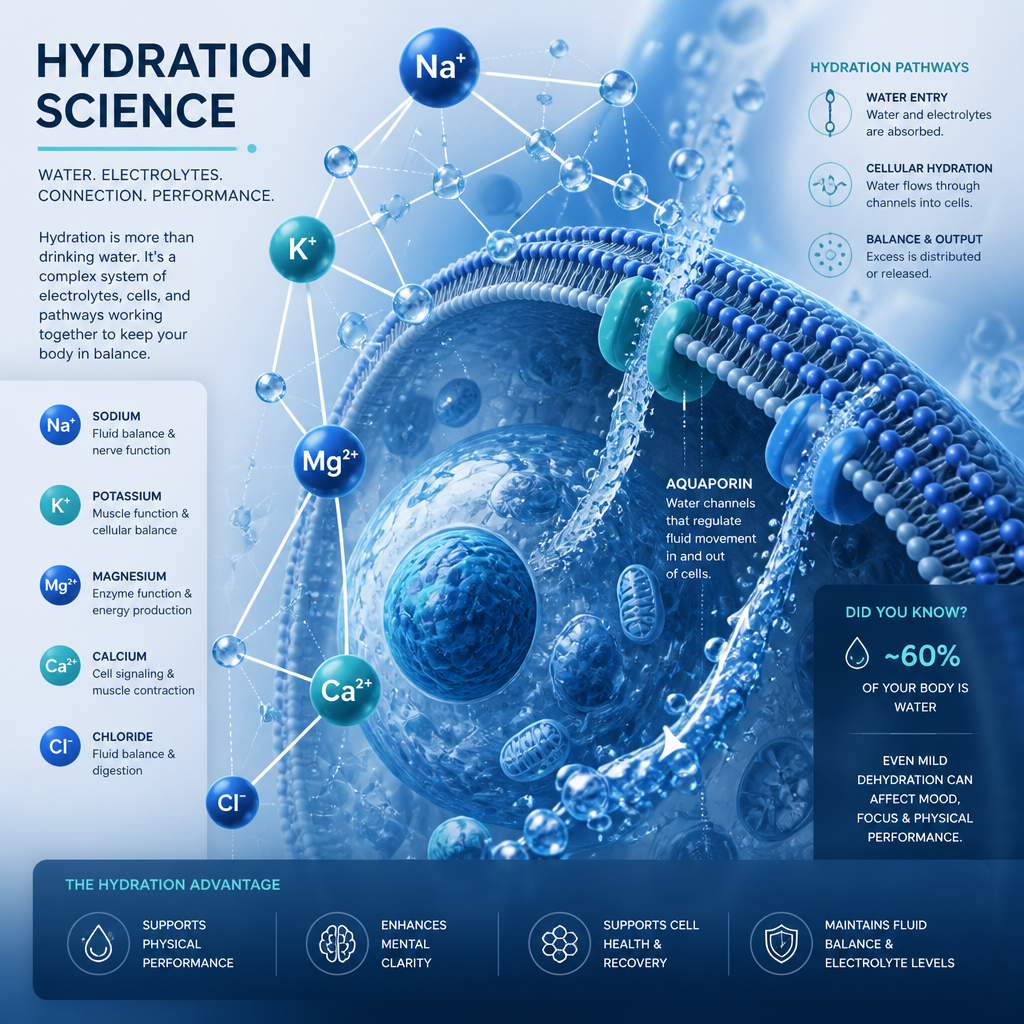
The electrolyte conversation for seniors goes beyond the basic sodium-and-water picture that most sports drinks address. Four minerals form the foundation of effective hydration support for older adults, and each has functions that become more critical, not less, as the body ages.
Sodium regulates blood pressure, fluid volume, and nerve signalling. Hyponatremia, which is low blood sodium, is a genuine clinical concern in older adults and affects a meaningful proportion of those over 65. The risk is not from too much sodium in a supplement but from insufficient replacement after sweat losses, particularly in warm weather or during moderate exercise. A well-formulated senior electrolyte product leads with appropriate sodium levels.
Potassium supports heart rhythm, prevents muscle cramps, and works in direct balance with sodium to manage fluid movement across cell membranes. Diuretic users are especially at risk of potassium depletion. Low potassium in active seniors presents as leg cramps, fatigue, and in more serious cases, cardiac irregularities. A senior-specific electrolyte formulation must include potassium at a meaningful level, not just as a trace addition.
Magnesium is involved in over 300 enzymatic reactions and is essential for bone mineral density, sleep quality, and muscle recovery, all of which deteriorate when magnesium is chronically low. UK dietary surveys consistently show that many older adults do not reach adequate magnesium intake through food alone. For active seniors, the demand is higher still. Magnesium is one of the most important reasons why a senior-specific electrolyte product differs from a generic sports hydration sachet.
Calcium belongs in the senior electrolyte picture because of its dual role in bone maintenance and nerve conduction. Products that include calcium alongside the core electrolyte trio offer more complete support than those that treat it as an afterthought. This is particularly relevant for women over 60, where bone density loss accelerates after menopause.
The most common mistake active seniors make is waiting for thirst before drinking. By the time the thirst signal arrives, mild dehydration is already present. The signs to watch for are subtler and easier to dismiss as normal ageing or low fitness.
Afternoon fatigue that arrives without obvious cause is one of the earliest indicators. So is reduced concentration during activities that normally feel straightforward, such as navigation on a long walk or focus during a group fitness class. Muscle cramps that appear during or after exercise, particularly in the calves or hamstrings, often signal a potassium or magnesium shortfall rather than a structural problem. Dark urine is a reliable visual check: pale straw yellow is the target. Anything darker than that means fluid intake needs to increase.
The absence of thirst does not mean the absence of dehydration. In older adults, the body's fluid regulation system becomes less responsive to water loss, which means proactive hydration habits are more important than reactive ones.
Headaches and low mood are underreported signs of chronic mild dehydration in older adults. Many people attribute these to poor sleep, stress, or simply "getting older" without considering that a consistent 1-2% body weight deficit in fluid can reliably produce both symptoms. In practice, a structured hydration routine eliminates these symptoms for a significant proportion of active seniors within days of starting it.
Pro tip: Keep a 750ml bottle visible on your kitchen worktop and commit to finishing it before lunch and another before dinner. Do not rely on thirst as your reminder. The visual cue does more work than willpower over the long term.
The UK supplement market contains a wide range of hydration products, but most are designed for young, high-intensity athletes. Choosing a senior hydration supplement UK consumers can actually use daily requires knowing the difference between a product built for your physiology and one relabelled for your age group.
First, look for a comprehensive electrolyte profile. A product that only contains sodium and potassium is missing the magnesium and calcium that older adults specifically need. Second, check for no added sugar. Products sweetened with sucrose or glucose create unnecessary blood glucose responses and are poorly suited to adults managing weight or metabolic health. Third, check ingredient transparency. A reputable supplement brand will list every ingredient with its dose, not hide behind proprietary blends that make it impossible to know whether any individual mineral reaches a meaningful level.
Fourth, consider the serving format. Effervescent tablets or dissolvable powders that mix easily into water are practical for daily use by older adults, particularly those managing multiple supplements. A product that requires effort to prepare will not be used consistently. Consistency is the only metric that matters for daily supplementation.
Fifth, look for formulations that include a vitamin D3 and B12 component alongside electrolytes. Both of these vitamins are commonly deficient in UK older adults due to limited sun exposure and reduced absorption in the gut, and both directly affect energy metabolism. Age UK confirms that as people get older, it becomes harder to absorb vitamin B12 from food, increasing deficiency risk and the associated fatigue and neurological effects.
The difference between a purpose-built senior electrolyte formula and an off-the-shelf sports drink is not cosmetic. It reflects genuinely different formulation priorities. The table below shows how these approaches compare across the factors that matter most for active adults over 60.
Feature |
Plusssz Electrolytes SENIOR |
Standard Sports Drink / Generic Electrolyte Tablet |
|---|---|---|
Added sugar |
No added sugar |
Often contains sucrose, glucose, or fructose |
Electrolyte breadth |
Comprehensive mineral blend including sodium, potassium, magnesium, and calcium |
Typically sodium and potassium only |
Formulation target |
Built around the physiology of older adults, including bone density, cardiovascular, and energy metabolism needs |
Designed for peak-output younger athletes with high sweat rates |
Nutrient assimilability |
Improved assimilability as a product design priority |
Not addressed; standard mineral forms used |
Vitamin support |
Complement to senior multivitamin complex including D3 and B12 |
Rarely includes vitamins; electrolytes only |
UK regulatory context |
UK-based brand with transparent labelling and ingredient disclosure |
Variable; some imports not formulated to UK market standards |
The Plusssz Electrolytes SENIOR formulation is built around the specific physiological realities of older adult hydration. It is not a relabelled sports drink. The product reflects the understanding that seniors dealing with joint concerns, bone density considerations, and energy metabolism changes need more from a daily hydration supplement than a younger runner does. This same philosophy runs through Plusssz's broader approach to senior supplementation, which prioritises clean ingredient profiles and targeted formulations over generic active-adult products.
Where competitors like Science in Sport and High Five produce excellent products for competitive athletes, their hydration ranges are optimised for high-intensity training volumes and sweat rates that most people over 60 do not regularly hit. The gap they leave is exactly where a senior-specific formula like Plusssz Electrolytes SENIOR earns its place in a daily routine.
Hydration and vitamin status are more connected than most people realise. The fatigue that active seniors often attribute to training load or poor sleep is frequently a combination of mild electrolyte depletion and specific vitamin deficiencies, the most significant of which in the UK are vitamin D3 and vitamin B12.
Vitamin D deficiency is widespread in the UK among adults over 60, driven by limited sun exposure through much of the year and reduced skin synthesis efficiency with age. Vitamin D is involved in calcium absorption, muscle function, and immune regulation. For an active senior already managing the physical demands of regular exercise, low vitamin D amplifies fatigue and slows recovery. The NHS and public health guidance in the UK consistently recommends that adults over 65 supplement vitamin D year-round.
Vitamin B12 deficiency compounds the picture further. As the gut ages, the production of intrinsic factor, which is the protein required to absorb B12 from food, declines. This means that even a senior with a varied diet containing meat, fish, and dairy can develop B12 deficiency over time. B12 is directly involved in energy metabolism and neurological function. The symptoms of deficiency, which include fatigue, reduced concentration, and low mood, closely mirror those of chronic dehydration and are easy to misattribute.
A joined-up approach to senior supplementation means addressing electrolytes and vitamins together rather than treating them as separate categories. Plusssz's senior supplement approach connects the electrolyte hydration range with a multivitamin complex that specifically addresses the D3 and B12 gaps common in UK older adults. This is a more complete response to the actual nutritional reality of being active over 60 than any single-product solution.
Theory is only useful if it translates into a routine that can be maintained. The following framework is designed for active adults over 60 who exercise regularly at moderate intensity and want consistent hydration support without overcomplicating their supplement routine.
Begin each day with a glass of water before coffee or tea. Caffeine is a mild diuretic and starting the day in a fluid deficit before adding a diuretic compounds the problem before you have even moved. Dissolve an electrolyte sachet in your first 500ml of water. This replaces the overnight fluid deficit and ensures your mineral levels are balanced before any physical activity.
For sessions lasting under 45 minutes at moderate intensity, consistent morning electrolyte intake and adequate water intake during the session is sufficient for most seniors. For sessions over 45 minutes, particularly in warm weather, a second electrolyte serving either during or immediately after the session prevents the post-exercise fatigue and cramping that many active older adults accept as normal but which is largely preventable.
A common error is treating rest days as hydration holidays. Cellular repair, muscle recovery, and hormonal regulation all depend on adequate fluid and mineral status. On rest days, the target remains 1.5 to 2 litres of fluid with at least one electrolyte serving. The NHS recommends 6 to 8 glasses of fluid per day for adults, and for active older adults this represents a minimum rather than a ceiling.
UK summers create a meaningful increase in sweat rate even during light activity. Indoor environments with central heating in winter also create a dehydrating environment that is easy to underestimate. Adjusting electrolyte intake upward during summer and during winter months spent in heated spaces is a practical step that most hydration guides for seniors overlook. The principle is the same as sports nutrition in any climate: match your intake to your output, not to a fixed daily rule.
For a more detailed weekly hydration planning framework tailored to active adults, the Plusssz weekly hydration guide for active individuals sets out how to structure electrolyte intake across training and rest days throughout the week.
The NHS recommends 6 to 8 glasses, or roughly 1.5 to 2 litres of fluid per day for adults. For active older adults who exercise regularly or spend time in warm environments, this represents the minimum. Those taking diuretic medications or exercising in summer conditions should increase their intake and prioritise electrolyte replenishment alongside plain water, since hydration is about fluid and mineral balance together, not volume alone.
Most seniors with high blood pressure should check with their GP or pharmacist before starting any electrolyte supplement, particularly if they are on diuretics or ACE inhibitors. That said, no-added-sugar electrolyte formulas designed for seniors, such as Plusssz Electrolytes SENIOR, are specifically built to work within the physiological context of older adults rather than delivering the high-dose sodium loading found in competitive sports drinks. The conversation with a healthcare provider is about your specific medications, not about electrolytes being inherently unsafe.
A regular sports electrolyte tablet is typically designed for high-output younger athletes and usually contains sodium and potassium as its primary minerals, often alongside sugar or artificial sweeteners. Plusssz Electrolytes SENIOR is formulated specifically for the physiology of older adults, with a comprehensive mineral blend that includes magnesium and calcium alongside sodium and potassium, no added sugar, and an emphasis on improved nutrient assimilability. It is not the same product with a different label.
Muscle cramps in active seniors are frequently linked to potassium and magnesium depletion rather than to muscle damage or overtraining. Consistent daily electrolyte supplementation that includes both minerals at meaningful doses addresses this directly. Many active adults over 60 report a significant reduction in exercise-associated cramping after establishing a regular electrolyte routine. This is one of the most reliably reported practical benefits of senior-specific electrolyte use.
Daily electrolyte intake is more effective than restricting supplementation to training days. The physiological reasons for this are straightforward: fluid and mineral balance is a continuous process, not one that only matters during exercise. Rest days involve cellular repair, hydration regulation, and nutrient processing that all depend on adequate mineral levels. For active older adults, treating electrolytes as a daily supplement rather than a workout supplement produces better results in energy, recovery, and overall hydration status.
In the UK context, vitamin D3 and vitamin B12 are the most important priorities alongside electrolyte supplementation. Both are commonly deficient in older UK adults. Vitamin D is linked to calcium absorption, muscle function, and immune health. B12 is essential for energy metabolism and neurological function, and its absorption from food decreases with age due to reduced gut production of intrinsic factor. A senior-specific multivitamin complex that addresses both of these gaps, taken alongside a targeted electrolyte formula, covers the majority of the supplementation gap for most active over-60s.
For healthy adults following product guidelines, the risk of electrolyte excess from a well-formulated supplement used as directed is low. The greater risk for most active seniors is chronic under-replacement rather than excess. The exception is individuals with compromised kidney function, where mineral processing is impaired and intake needs to be discussed with a doctor. Seniors on dialysis or with advanced chronic kidney disease should not use electrolyte supplements without specific medical guidance.
If you are an active adult over 60 managing your own hydration or helping a family member find a better approach, we would love to hear what has worked in practice. Share your experience in the comments below.