Most people drink water throughout the day and assume that covers hydration. It does not. Sweat, exertion, and even a poor diet strip your body of sodium, potassium, magnesium, and chloride at a rate that plain water cannot replace. Research from the British Dietetic Association shows that even a 2% drop in body fluid levels impairs physical and cognitive performance. A structured 7-day hydration plan removes the guesswork, aligns your fluid and electrolyte intake with your activity levels, and gives your body what it actually needs rather than what feels like enough.
Hydration is not a one-size-fits-all daily target. Your needs shift based on training intensity, ambient temperature, dietary choices, and hormonal cycles. A weekly electrolyte schedule accounts for this variability by planning higher-electrolyte days around training peaks and lighter days around rest or low-activity periods.
In practice, people who follow a structured weekly approach maintain more consistent plasma sodium levels and report fewer mid-afternoon energy crashes compared to those who simply drink when thirsty. Thirst is a late signal. By the time you feel it, your performance is already compromised.
A weekly framework also makes supplementation intentional rather than reactive. Instead of reaching for an electrolyte sachet after a hard session because you feel drained, you build it into the schedule proactively.
Electrolytes are minerals that carry an electrical charge in solution. The four that matter most for active individuals are sodium, potassium, magnesium, and chloride. Each one has a distinct role that water alone cannot cover.
Sodium controls fluid balance between cells and regulates nerve and muscle function. It is the primary electrolyte lost in sweat, with concentrations ranging from 460 to 1,840 mg per litre depending on the individual. Without adequate sodium replacement, drinking large volumes of plain water can actually dilute blood sodium and cause hyponatraemia, a condition that causes nausea, headache, and in serious cases, seizures.
Potassium works alongside sodium to regulate muscle contractions and heart rhythm. A deficiency shows up as muscle cramping, fatigue, and irregular heartbeat. UK adults are recommended to consume 3,500 mg daily, yet average intake falls well below that threshold according to NHS dietary survey data.
Magnesium supports over 300 enzymatic reactions, including ATP energy production, protein synthesis, and glucose metabolism. Athletes and highly active individuals deplete magnesium faster through sweat and urine, which is why it features prominently in quality multivitamin and electrolyte formulations.
Electrolyte |
Primary Role |
Daily Target for Active Adults |
|---|---|---|
Sodium |
Fluid balance, nerve function |
1,500 to 2,300 mg |
Potassium |
Muscle contraction, heart rhythm |
3,500 mg |
Magnesium |
Energy production, muscle recovery |
300 to 400 mg |
Chloride |
Acid-base balance, digestion |
2,300 mg |
This plan is structured around a common UK active lifestyle pattern: two to three moderate training days, one high-intensity session, and a mix of rest and light-activity days. Adjust the intensity markers to match your own schedule. The structure is the constant. The specific training days are variables you slot in.
Start the week by rehydrating from any weekend activity or disruption. Aim for 2.5 litres of fluid total. Begin the morning with 500 ml of water containing a no-added-sugar electrolyte supplement to replenish overnight losses. Keep sodium intake moderate and focus on potassium-rich foods at breakfast, bananas, spinach, or plain yoghurt.
Pro tip: Weigh yourself first thing Monday morning. This gives you a reliable weekly baseline for tracking fluid retention and recovery status across the week.
Pre-hydrate with 400 to 500 ml of water 60 to 90 minutes before exercise. During a session lasting 45 to 75 minutes, an electrolyte drink is advisable if you are sweating noticeably. Post-session, consume a recovery drink that contains sodium and potassium within 30 minutes. Total daily fluid target rises to 3 litres on moderate training days.
This is a lower-intensity day, perhaps yoga, a walk, or a light cycle. Drop back to 2.5 litres of fluid. Prioritise magnesium intake today, either through food sources such as pumpkin seeds, dark chocolate, and legumes, or through a magnesium-containing multivitamin. Magnesium aids overnight muscle repair, so taking it in the evening makes practical sense.
This is your hardest day. Fluid targets go to 3.5 litres. Electrolyte supplementation before, during, and after the session is non-negotiable on a high-intensity day. During sessions exceeding 60 minutes, aim for 500 to 750 ml of electrolyte fluid per hour. Sodium replacement is the priority; sweat rates can strip 1,000 to 2,000 mg of sodium per hour in warm conditions.
Post-workout, pair your electrolyte drink with a protein source to maximise both muscle protein synthesis and fluid retention. Studies published in the Journal of the International Society of Sports Nutrition confirm that co-ingesting protein with electrolytes improves rehydration efficiency compared to electrolytes alone.
Training load drops again. Use Friday to reinforce micronutrient intake through whole foods. A hydration nutrition plan that relies entirely on supplements is incomplete. Cucumbers, celery, watermelon, and citrus fruits contribute meaningfully to both fluid and electrolyte intake. Target 2.5 litres total fluid, with one electrolyte serving in the morning.
Weekends often involve longer, lower-intensity activities. A two-hour hike or a long bike ride requires sustained hydration rather than peak-performance fuelling. Sip 150 to 200 ml of fluid every 15 to 20 minutes during the activity. Carry an electrolyte mix rather than relying on plain water, particularly in summer or during warmer indoor exercise environments. Total fluid: 3 to 3.5 litres.
Rest days are not hydration holidays. Cellular repair, glycogen resynthesis, and hormonal recovery all depend on adequate fluid and mineral intake. Target 2 to 2.5 litres of fluid, with one electrolyte serving. Use Sunday to prepare your hydration supplies for the week ahead, filling bottles, checking your supplement stock, and reviewing your upcoming training schedule to plan heavier electrolyte days.


Supplements fill the gap that diet leaves open. But the best hydration nutrition plan starts with food. UK seasonal produce provides a solid base for electrolyte-rich eating without any additional cost or complexity.
Bananas deliver potassium and are a staple pre-training snack for a reason. Avocados provide both potassium and magnesium. Dairy products and fortified plant alternatives are consistent sources of calcium and sodium. Leafy greens such as kale and spinach are among the most nutrient-dense electrolyte sources per calorie available in UK supermarkets.
A common mistake is assuming that high-sodium processed foods count as useful electrolyte sources. They do not. The sodium in crisps and ready meals comes packaged with excess saturated fat, additives, and refined carbohydrates that work against performance goals rather than supporting them.
Eat within 30 minutes of waking to kickstart fluid absorption. Breakfast foods with high water content, such as porridge made with milk or a smoothie with cucumber and coconut water, hydrate you while delivering fibre and micronutrients simultaneously. Do not train fasted on high-intensity days without pre-hydrating first. The data consistently shows that fasted high-intensity exercise increases perceived exertion and reduces output, partly due to lower plasma volume from overnight fluid losses.
"Hydration status at the start of exercise is the single most controllable variable affecting endurance performance." Dr. Susan Shirreffs, Professor of Exercise Physiology, Loughborough University.
Pro tip: Add a pinch of high-quality sea salt and a squeeze of lemon to your morning water before consuming any Plusssz electrolyte product. This primes gastric absorption and makes the electrolyte supplement work faster and more efficiently.
Not all hydration strategies deliver the same results. The table below compares three common approaches used by active individuals in the UK, so you can see clearly where a structured electrolyte plan sits relative to the alternatives.
Approach |
What It Delivers |
Key Limitation |
|---|---|---|
Plain water only |
Basic fluid replacement |
No electrolyte replacement, risks dilutional hyponatraemia during prolonged exercise |
Sports drinks with added sugar |
Electrolytes and fast-release carbohydrates |
High sugar content unsuitable for daily use, poor for body composition goals |
Structured weekly electrolyte plan with no-added-sugar supplements |
Targeted electrolyte replenishment matched to activity level, no unnecessary sugar |
Requires planning and consistent product use, modest upfront habit investment |
The data consistently shows that the third approach outperforms the others for active individuals whose training spans multiple days per week. Plain water is fine for sedentary individuals. It is inadequate for anyone training more than three times weekly at moderate intensity or above.

Following a plan is only half the equation. Avoiding common errors is the other half. In practice, even structured hydration plans fail because of a handful of repeatable mistakes.
Thirst is a trailing indicator of dehydration, not a real-time signal. By the time you feel thirsty, you are typically already 1 to 1.5% dehydrated. Sip consistently throughout the day rather than waiting for the signal. Using a marked water bottle with hourly targets is a simple but highly effective behavioural cue.
Coffee, tea, energy drinks, and alcohol all increase fluid excretion. If your daily routine includes two or three coffees, add 200 to 300 ml of water per caffeinated drink to maintain net positive fluid balance. Alcohol the night before a training session increases sodium and potassium losses that require deliberate replacement the following morning.
Sweat rates in July are not the same as sweat rates in January, even for the same workout. UK summer temperatures and humidity meaningfully increase fluid and electrolyte losses. A static year-round hydration plan underserves you in summer and over-supplements you in winter. Adjust electrolyte serving frequency seasonally.
A common mistake is treating rest days as electrolyte-free days. Recovery processes, including muscle protein synthesis, glycogen storage, and hormonal regulation, are all electrolyte-dependent. One electrolyte serving on rest days maintains cellular function without any excess.
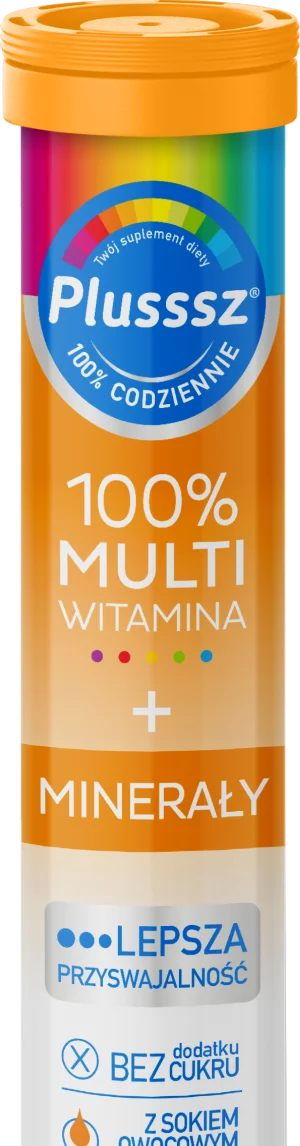
The 7-day hydration plan described above is designed to work with a consistent, no-added-sugar electrolyte supplement used at the right points in the week. Plusssz UK formulates its electrolyte hydration products specifically for active individuals who want precise electrolyte delivery without the sugar loading that standard sports drinks impose.
Where competitors such as Science in Sport and High Five prioritise carbohydrate fuelling products for endurance athletes, Plusssz focuses on daily electrolyte support with improved nutrient assimilability across the full week, not just around race day or event performance. This makes Plusssz products a better fit for the kind of structured weekly plan outlined here, where electrolyte use is consistent rather than occasional.
The multivitamin complexes in the Plusssz range complement the hydration plan by covering micronutrient gaps on rest and lower-intensity days, when food alone may not fully replace magnesium, vitamin D, B vitamins, and zinc. Taking a Plusssz multivitamin in the evening on Wednesday and Sunday, the two lowest-intensity days in the sample plan, ensures micronutrient availability during the recovery windows when the body most needs them.
For women, whose iron and B12 requirements vary across hormonal cycles, and for active seniors managing joint and bone mineral density, the targeted Plusssz formulations address demographics that standard electrolyte products ignore entirely.
On a structured 7-day hydration plan, daily fluid intake ranges from 2 litres on complete rest days to 3.5 litres on high-intensity training days. These figures include fluid from food sources, which typically contribute 20 to 30% of total daily fluid intake. The NHS baseline recommendation of 6 to 8 glasses daily applies to sedentary adults and is consistently insufficient for active individuals training multiple times weekly.
You need electrolytes every day, but the dose varies. On training days, a full electrolyte serving before and after exercise is appropriate. On rest days, a single half-strength or standard serving maintains cellular electrolyte balance during recovery without excess. Skipping electrolytes entirely on rest days is one of the most common errors active people make.
You can get closer through a carefully planned whole-food diet, but reaching the sodium and potassium targets needed for active recovery through food alone is difficult without either eating large quantities of salt-rich foods or consuming very high volumes of fruits and vegetables. A no-added-sugar electrolyte supplement bridges this gap efficiently and without the dietary compromises that food-only approaches require.
First thing in the morning is the most consistently effective timing because it replaces overnight losses immediately and primes fluid absorption before your first meal. On training days, a second serving 30 to 60 minutes before exercise is beneficial. Post-exercise timing within 30 minutes matters on high-intensity days to accelerate rehydration alongside glycogen resynthesis.
Yes, and the difference is significant. Hormonal fluctuations across the menstrual cycle affect fluid retention, sodium sensitivity, and magnesium requirements. During the luteal phase, progesterone increases basal body temperature and sweat rate, raising electrolyte needs. Products formulated for women that account for these cyclical changes deliver better outcomes than unisex formulations calibrated to male physiology.
The most reliable markers are urine colour, morning body weight consistency, and training performance. Pale straw-coloured urine indicates adequate hydration. Morning weight should be stable within 0.5 to 1 kg day to day when hydration is properly managed. Improving or maintaining performance output across the week, without the usual Friday fatigue dip, is a strong functional indicator that the plan is working.
Seniors can follow the same structural framework but with adjusted fluid totals and attention to specific electrolytes. The thirst mechanism weakens with age, making intentional timed drinking even more important. Magnesium and potassium become particularly relevant for seniors to support bone mineral density and cardiovascular function. A targeted senior-specific supplement alongside the weekly framework is the most practical approach rather than relying on standard active-adult formulations.
If you are currently following a hydration plan of your own, we would genuinely like to hear what has worked for you and where you have run into difficulty.