Most people think dehydration is a problem only for marathon runners or people working outdoors in summer heat. The reality is that adults over 60 face a persistent, low-grade hydration deficit every single day, and the consequences are far more serious than a dry mouth. Research from the NHS highlights that older adults lose the ability to detect thirst as reliably as younger people, which means the warning system that normally triggers drinking simply stops working efficiently. Electrolytes for seniors are not a luxury supplement category. They are a practical tool for maintaining cognitive sharpness, muscle function, and cardiovascular stability as the body ages.
Key Insight |
Explanation |
|---|---|
Thirst perception declines with age |
Older adults often do not feel thirsty even when clinically dehydrated, making proactive hydration habits essential rather than optional. |
Sodium loss is the primary concern |
Hyponatraemia (low sodium) is the most common electrolyte disorder in hospitalised elderly patients in the UK, often caused by excessive plain water intake without mineral replacement. |
Diuretic medications increase electrolyte loss |
Many seniors take diuretics for blood pressure or heart conditions, which flush potassium, magnesium, and sodium out of the body faster than normal. |
No-added-sugar formulas matter more for seniors |
Blood sugar regulation becomes more sensitive with age. Sports drinks loaded with glucose are not appropriate for daily senior hydration. |
Magnesium supports sleep and muscle cramps |
Leg cramps at night, a common complaint in older adults, are frequently linked to low magnesium. Supplementing this electrolyte addresses two problems at once. |
Kidney function changes how electrolytes are processed |
Reduced kidney efficiency in older adults means electrolytes need to be consumed in moderate, consistent amounts rather than in large single doses. |
Hydration affects cognitive function directly |
Even mild dehydration of 1-2% body weight loss is linked to reduced concentration, increased confusion, and slower reaction times in older adults. |

The body composition of an adult over 60 is meaningfully different from that of a 30-year-old. Total body water decreases with age, dropping from roughly 60% of body weight in young adulthood to closer to 50% in older adults. This means there is simply less fluid reserve to draw on when intake drops or losses increase.
The kidneys also become less efficient at conserving water and electrolytes as nephron function declines. A common mistake is assuming that because someone is not sweating heavily or exercising intensely, they do not need to think about electrolyte balance. For seniors, the baseline risk is elevated regardless of activity level.
Several physiological changes converge to make this worse. The thirst response is blunted. Hormonal regulation of fluid balance, particularly aldosterone and vasopressin, becomes less responsive. Skin also loses its ability to retain moisture as efficiently, meaning passive fluid loss increases. Add prescription diuretics into this picture, which are taken by a significant proportion of UK adults over 65, and the electrolyte deficit problem compounds quickly.
Pro tip: If your parent or relative is on blood pressure medication, ask their GP specifically about potassium and magnesium levels at their next review. These minerals are commonly depleted by antihypertensive diuretics and the deficiency often goes unnoticed until symptoms appear.
Not all electrolytes carry equal weight for senior health. Understanding which ones matter most, and why, helps cut through the noise of general hydration marketing that is usually aimed at athletes rather than older adults.
Sodium controls fluid distribution between the inside and outside of cells. Without adequate sodium, cells cannot maintain their volume, and signals between nerve and muscle cells become unreliable. For seniors, the danger goes in both directions. Too little sodium from over-drinking plain water causes hyponatraemia. Too much from processed food causes fluid retention and raises blood pressure. The balance matters, and an electrolyte product with a measured sodium dose is more useful than either a salt tablet or plain water.
Potassium works in partnership with sodium to regulate electrical signals in heart muscle and skeletal muscle. Low potassium is directly associated with irregular heartbeat, muscle weakness, and fatigue. The data consistently shows that UK adults of all ages consume less potassium than recommended, and seniors face an even steeper deficit when diuretics are involved.
Magnesium participates in over 300 enzymatic reactions. For seniors specifically, low magnesium is associated with poor sleep quality, nocturnal leg cramps, increased anxiety, and impaired glucose regulation. In practice, this is one of the most underdiagnosed deficiencies in older adults in the UK because magnesium is not included in standard blood panels unless specifically requested.
Calcium is commonly associated only with osteoporosis prevention, but it also regulates muscle contractions, nerve transmission, and blood clotting. Seniors who avoid dairy or have poor gut absorption need to pay close attention to this electrolyte alongside vitamin D, which is essential for calcium uptake.
Dehydration in elderly people rarely presents as the dramatic thirst and dizziness seen in younger adults. It often shows up as something else entirely, which is why it gets misidentified or dismissed.
Confusion or sudden cognitive decline is one of the most significant red flags. It is frequently mistaken for early dementia or medication side effects. In clinical settings, a significant number of elderly patients admitted with acute confusion are found to be primarily dehydrated rather than experiencing neurological deterioration.
Other signs that are regularly missed include constipation that appears suddenly, urinary tract infections that keep recurring, headaches in the morning, unusual fatigue after light activity, and dry or papery skin. Low urine output or dark-coloured urine is one of the more reliable indicators, but many older adults do not monitor this routinely.
"Dehydration in older adults is a clinical emergency that too often masquerades as the normal signs of ageing. Identifying it early is one of the most effective and lowest-cost interventions in elderly care." - Professor David Stott, Professor of Geriatric Medicine, University of Glasgow
A practical approach is to encourage structured drinking habits rather than relying on thirst. Setting reminders to drink small amounts with electrolyte content every two hours is more effective for seniors than waiting until they feel thirsty.
Pro tip: Use the skin turgor test as a quick home check. Gently pinch the skin on the back of the hand. In a well-hydrated person, it returns to flat immediately. In a dehydrated senior, it stays tented for a second or two. This is not diagnostic, but it is a useful flag to prompt action.

Food-first is always the right starting position. A diet rich in vegetables, fruits, legumes, and lean proteins provides meaningful electrolyte content. Bananas, sweet potatoes, leafy greens, nuts, and dairy are all strong contributors. The problem is that the nutritional arithmetic rarely adds up as cleanly as it looks on a diet chart.
In practice, many seniors eat smaller portion sizes due to reduced appetite, have swallowing difficulties that limit food variety, take medications that interfere with nutrient absorption, or simply struggle with grocery shopping and cooking. The result is that dietary electrolyte intake is frequently insufficient even in people who are trying to eat well.
Most commercial sports drinks, including those marketed broadly in the UK, are formulated for people burning large amounts of glycogen during intense exercise. They contain high sugar loads that are entirely inappropriate for older adults managing blood glucose or insulin sensitivity. Brands focused on athletic performance are calibrated for a 25-year-old cyclist, not a 70-year-old managing a mild heart condition.
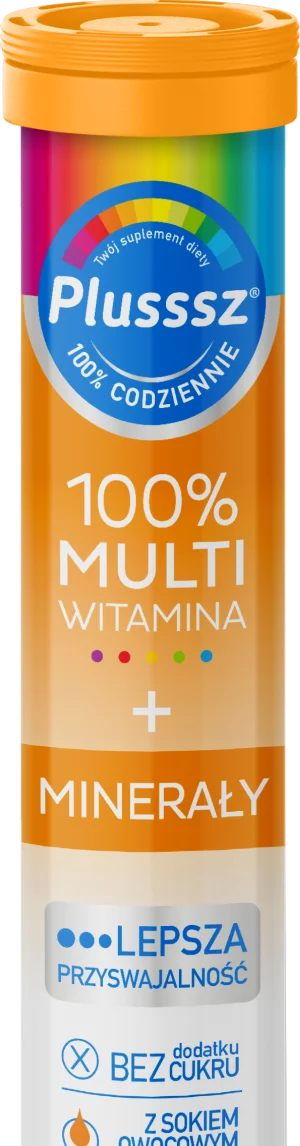
A supplement designed with older adults in mind should contain no added sugar, use forms of minerals with good bioavailability (such as citrate or malate forms rather than oxide forms), include a measured dose of sodium, potassium, and magnesium at minimum, and be easy to mix and consume. At Plusssz, the hydration formulations are built around exactly these criteria, with no added sugar and improved nutrient assimilability specifically because blanket athletic formulas simply do not serve this population well.
The UK supplement market is crowded and, frankly, inconsistent in quality. Choosing a senior supplement UK product requires looking past marketing claims and evaluating the actual formula. Several factors matter more than brand size or advertising spend.
First, check the mineral forms. Magnesium oxide is poorly absorbed. Magnesium citrate or bisglycinate is significantly more bioavailable. The same principle applies to zinc and calcium. A product that lists 100% of the reference nutrient intake (RNI) using a poorly absorbed form delivers far less actual benefit than one using a bioavailable form at a lower headline dose.
Second, confirm there is no added sugar. This is non-negotiable for a daily hydration product used by older adults. Some products use sucralose or stevia as alternatives, which are generally acceptable, but products using glucose, sucrose, or maltodextrin in significant quantities should be avoided for routine daily use by seniors.
Third, look for formulations that include a vitamin D3 and B12 component alongside electrolytes. Both of these vitamins are commonly deficient in UK older adults due to limited sun exposure and reduced intrinsic factor production in the gut, and both directly affect energy metabolism and immune function. The Plusssz multivitamin complex for seniors addresses this specific gap.
Pro tip: Check whether a product is certified by an independent third party such as Informed Sport or has transparent manufacturing standards. For seniors on multiple medications, supplement-drug interactions are a genuine risk, and a high-quality product from a responsible brand makes these conversations with a GP or pharmacist far simpler.
Hydration Approach |
Advantages for Seniors |
Limitations for Seniors |
|---|---|---|
Plain water only |
Zero cost, widely available, no ingredients to evaluate |
Does not replace lost electrolytes. Can worsen hyponatraemia if consumed in large quantities without mineral balance. |
Standard sports electrolyte drinks (e.g., mainstream athletic brands) |
Contains sodium and some minerals, convenient format |
High sugar content, formulated for athletic output not daily senior use, often contains additives inappropriate for older adults. |
No-added-sugar electrolyte supplement designed for seniors (e.g., Plusssz electrolyte hydration) |
Measured electrolyte doses without sugar, bioavailable mineral forms, compatible with low-activity daily routines and medication regimes |
Requires purchase and consistent habit formation. Quality varies by brand, so label reading is still required. |
The NHS recommends 6 to 8 glasses (around 1.5 to 2 litres) of fluid per day for adults, and this applies to seniors as well. However, for older adults on diuretics or those who sweat more due to warm environments or mild exercise, this needs to be supplemented with electrolytes, not just additional plain water. Spacing intake throughout the day in smaller amounts is more effective than attempting to drink large volumes at once.
Yes, and this is an important nuance. Because kidney function declines with age, the kidneys are less efficient at excreting excess electrolytes, particularly potassium. Seniors with chronic kidney disease should consult their GP before starting any electrolyte supplement. For people without kidney disease, a product designed with age-appropriate dosing, rather than a high-performance athletic formula, presents minimal risk when used as directed.
Potassium is found in abundance in bananas, sweet potatoes, avocados, and leafy greens. Magnesium is highest in nuts, seeds, dark chocolate, and wholegrains. Sodium, while plentiful in processed foods, is best sourced in controlled amounts. Calcium comes from dairy, fortified plant milks, and broccoli. The challenge is that many seniors cannot consistently eat enough of these foods to meet daily needs, which is where targeted supplementation becomes genuinely useful.
Most standard electrolyte supplements are safe alongside common medications, but there are specific interactions to be aware of. ACE inhibitors and potassium-sparing diuretics can raise potassium levels, meaning additional potassium supplementation could push levels too high. Conversely, thiazide diuretics deplete potassium and magnesium. Always review any new supplement with a GP or pharmacist, particularly if cardiovascular medications are involved. This is not a reason to avoid electrolytes. It is a reason to use them thoughtfully.
The brain is approximately 75% water, and it is highly sensitive to fluid changes. Even mild dehydration of 1 to 2% body weight loss is associated with measurable declines in attention, working memory, and processing speed in older adults. In practice, families often notice increased confusion, irritability, or lethargy in an elderly relative without connecting it to hydration. Restoring proper fluid and electrolyte balance frequently improves these symptoms faster and more directly than other interventions.
There are real differences worth acknowledging. Post-menopausal women face accelerated bone density loss, making calcium and magnesium more critical. Women over 65 also have a higher statistical risk of hyponatraemia. Men over 65 face different hormonal shifts that affect fluid retention and muscle mass maintenance, making potassium and sodium balance particularly relevant for preserving strength. Products tailored to specific demographics, rather than generic adult formulas, address these differences more effectively.
If you are currently navigating hydration challenges with an older family member or managing your own supplement routine as an active senior, share what has and has not worked for you in the comments below.