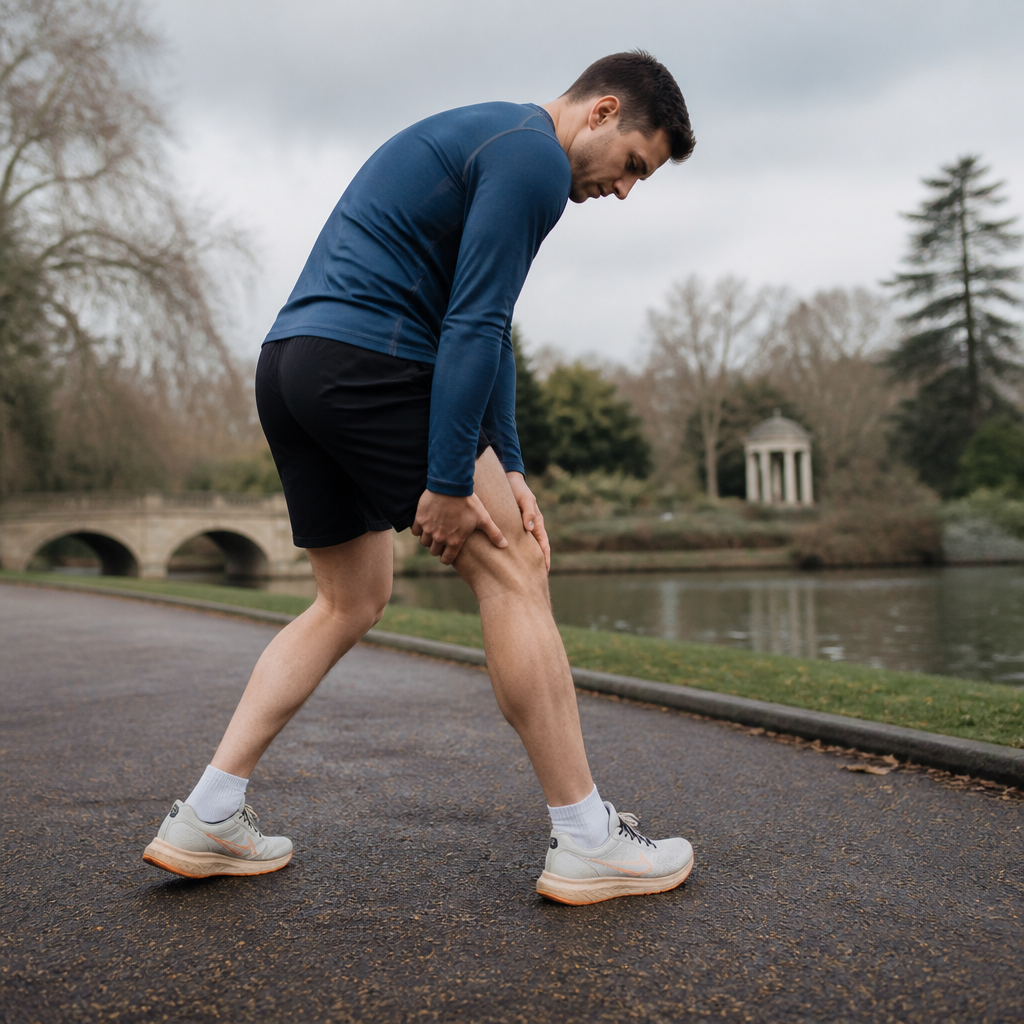
You are pushing hard in your third mile, your calf locks up, and suddenly everything stops. Muscle cramps during exercise are one of the most frustrating interruptions an active person in the UK can face, and the science behind them is more complicated than most sports drinks brands want to admit. The primary keyword muscle cramps exercise UK pulls in tens of thousands of searches every month for a reason: this problem affects runners, cyclists, gym-goers, and weekend footballers alike, across every fitness level. Understanding why they happen and how to actually prevent them makes the difference between consistent training and repeatedly hobbling off the pitch.
An exercise-associated muscle cramp (EAMC) is a temporary but intense and painful involuntary contraction of skeletal muscle that occurs during or shortly after physical activity. The muscles most commonly affected are the calves, hamstrings, and quadriceps, though cramps can strike almost anywhere when conditions align against you.
What makes EAMCs especially frustrating is that they are notoriously unpredictable. You can be well-rested, well-fed, and apparently well-hydrated and still cramp at mile 18 of a marathon. That unpredictability is not just annoying. It is a clue that there is more than one mechanism at work, and that no single solution will fix every case.
Key Insight |
Explanation |
|---|---|
Cramps have more than one cause |
Both electrolyte imbalance and neuromuscular fatigue are supported by research as independent triggers. Treating only one may not be enough. |
Sodium is the lead electrolyte for cramp prevention |
Studies show lower sodium levels correlate with higher cramp susceptibility. Sodium also drives thirst and fluid retention, making it the most important electrolyte to replace during sweating. |
Plain water can make things worse |
Drinking large volumes of plain water during intense exercise dilutes remaining sodium in the blood, which can worsen cramp risk rather than relieve it. |
Stretching stops a cramp in progress |
Passive stretch of the affected muscle activates Golgi tendon organs, which send inhibitory signals to the spinal cord and help break the involuntary contraction cycle. |
Magnesium supports muscle relaxation |
Magnesium helps muscles relax after contraction. Deficiency is linked to prolonged recovery time and higher cramping frequency, especially during repeated training sessions. |
No single anti-cramp supplement works for everyone |
Peer-reviewed research confirms no prevention strategy is consistently effective across all athletes. Personalising your approach based on sweat rate and training type matters. |
Pre-loading electrolytes is more effective than reactive replacement |
Starting a session already electrolyte-replete is more protective than trying to catch up mid-exercise once a deficit has developed. |
Most of the confusion around cramp prevention comes from the fact that two competing scientific theories both have credible evidence behind them. You need to understand both before you can make an informed decision about prevention.
The older and more widely known explanation links cramps to the loss of water and electrolytes through sweat. When sodium, potassium, magnesium, and calcium become depleted, the electrical signals that coordinate muscle contraction and relaxation are disrupted. The result is an involuntary, sustained contraction that the athlete cannot consciously override.
Research published in the British Journal of Sports Medicine found that athletes who experienced exercise-associated muscle cramps had comparatively lower sodium levels than those who did not cramp during the same sessions. This is consistent with evidence from large industrial settings, where heat-related cramping in workers was treated successfully with salt and fluid replacement. The pattern holds across multiple field observations: high sweat rates, hot environments, and prolonged exertion all increase cramp risk, and electrolyte drinks reduce that risk compared to plain water alone.
Pro tip: If you sweat heavily and can see visible salt residue on your skin or kit after training, your sodium losses are likely high. This is the profile where an electrolyte supplement with meaningful sodium content will give you the clearest benefit before and during exercise.
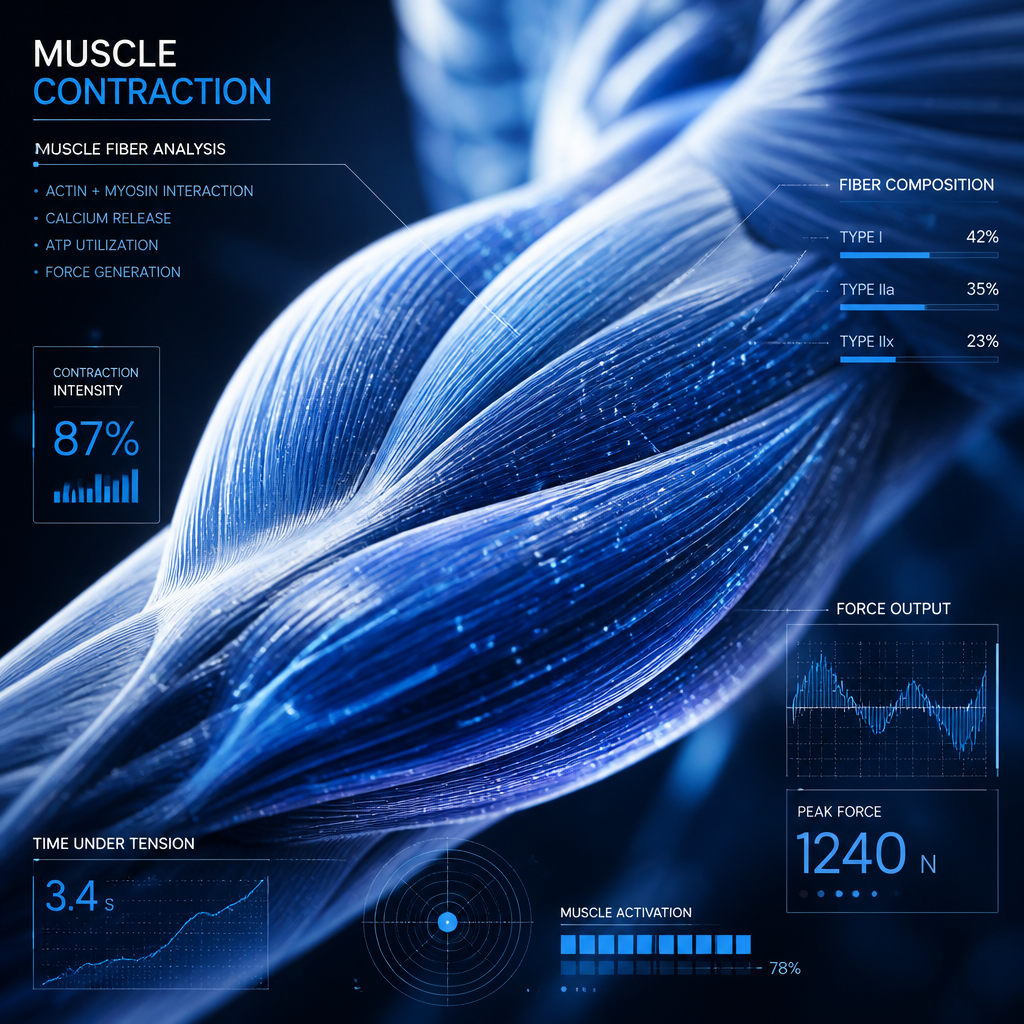
The newer theory, which has accumulated significant research support, proposes that cramps are primarily a neuromuscular phenomenon driven by fatigue rather than dehydration. When a muscle is pushed to fatigue, the balance between two feedback systems breaks down. Muscle spindles, which drive excitatory signals telling the muscle to contract, become overactive. At the same time, Golgi tendon organs, which normally send inhibitory signals to prevent over-contraction, become less effective. The result is a runaway excitatory signal at the spinal level, producing a cramp.
This theory explains why cramps often strike late in an event, why athletes cramp in muscles they have overtaxed specifically rather than randomly, and why laboratory dehydration studies have not consistently reproduced field cramping conditions. Research published in peer-reviewed sports science journals describes this mechanism as a "more plausible physiological explanation" for many EAMCs, and it shifts emphasis toward training load management, pacing, and progressive muscle conditioning.
The causes of, and cures for, the cramps that occur during or soon after exercise remain uncertain. It seems likely that there are different types of cramp initiated by different mechanisms, and the search for a single prevention strategy is unlikely to succeed.
In practice, both theories are probably correct, for different athletes in different situations. The wisest approach is to address both: manage your electrolyte balance and manage your training load. Neither alone is a complete solution.
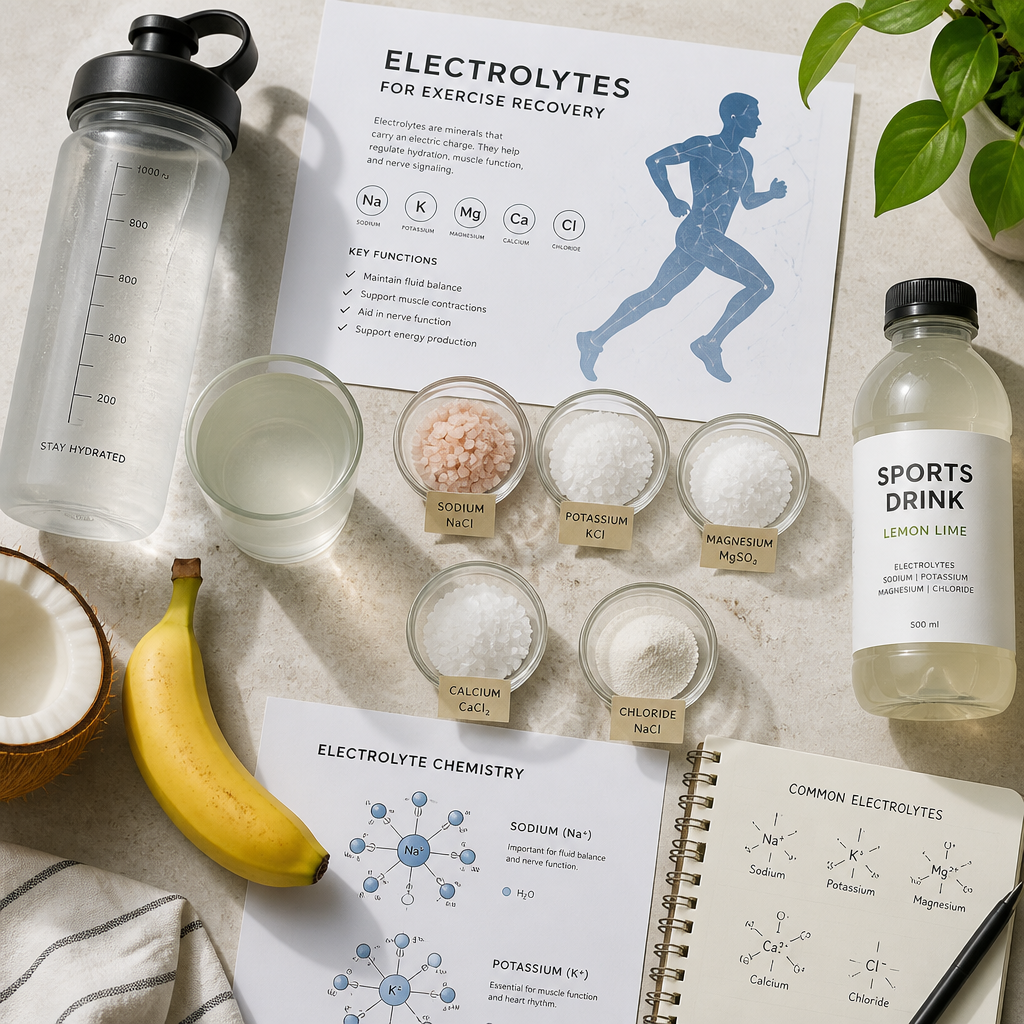
Not all electrolytes carry equal weight when it comes to muscle cramps during exercise. Here is what the evidence actually supports for each key mineral.
Sodium is the dominant electrolyte lost through sweat and the one most consistently linked to cramping risk. It is responsible for maintaining fluid balance inside and outside muscle cells, and it plays a direct role in the electrical signalling that triggers muscle contractions. Drinking plain water during heavy exercise dilutes your remaining sodium, which can worsen cramp susceptibility rather than relieve it. Any electrolyte strategy for cramp prevention should start with sodium.
Potassium works alongside sodium to regulate fluid balance and nerve conduction. Some research has found that potassium levels were similar between those who cramped and those who did not, suggesting its independent role may be smaller than sodium's in exercise-specific cramping. That said, adequate potassium intake remains important for overall muscle function, and it works synergistically with sodium, so you need both in your hydration strategy.
Magnesium is critical for muscle relaxation. While calcium triggers muscle contraction, magnesium acts as the counterbalance, helping muscle fibres release and relax after each contraction cycle. Magnesium deficiency is linked to prolonged recovery time and increased cramping frequency, particularly across multiple training sessions in the same week. Many active people in the UK are not getting enough magnesium from diet alone, making supplementation a sensible consideration.
Calcium initiates muscle contraction at the cellular level. Its balance with magnesium is what determines how smoothly muscles contract and relax. Severe calcium deficiency is less common in practice among people eating a reasonably balanced diet, but ensuring adequate daily intake supports the full picture of muscle function.
Pro tip: When comparing electrolytes for cramps, do not get fixated on any single mineral. A well-formulated electrolyte supplement provides sodium, potassium, and magnesium in meaningful doses rather than token amounts. Check the label: if sodium is listed last or in trace quantities, the product is not optimised for cramp prevention.
Prevention is more effective than treatment. Once a cramp is underway, your options are limited. Building good habits before and during exercise is where you win.
Starting exercise in a state of even mild dehydration raises your cramp risk significantly, particularly in warm UK conditions during summer or heated indoor training environments. Drink water consistently throughout the day before a training session. During exercise lasting longer than 60 minutes, switch to an electrolyte drink rather than plain water to maintain sodium and other mineral levels.
Sweat rates vary enormously between individuals. A person who produces more sweat, or whose sweat is particularly salty, will need substantially more electrolyte replacement than someone who barely perspires during the same session. Pay attention to your individual signals: visible salt lines on dark clothing, intense thirst after exercise, or frequent cramping all suggest higher mineral losses. Adjust your intake accordingly rather than following generic guidance designed for an average athlete.
Given the evidence behind the altered neuromuscular control theory, pacing matters. Athletes who go out too hard early in a race or training session fatigue their muscle spindles faster, disrupting the inhibitory feedback loop and increasing cramp risk. Progressive training that systematically builds your tolerance for sustained effort is genuinely protective, not just good general advice.
When a cramp does strike, passive stretching of the affected muscle is the most reliably useful immediate response. Stretching a cramped calf by pulling the foot toward the shin, for example, activates the Golgi tendon organs in that muscle. This sends inhibitory signals to the spinal cord, counteracting the runaway excitatory signals driving the cramp. Hold the stretch for 30 to 60 seconds and maintain gentle, consistent pressure rather than forcing the stretch aggressively.
A common mistake is treating electrolyte supplementation as a race-day-only intervention. If you are training five or six days a week, cumulative electrolyte deficits build up across the week even if you are fine on Monday. Using an electrolyte product consistently around training sessions, not just on your longest day, is more effective at preventing the gradual depletion that makes late-week sessions higher risk for cramping.
The UK supplement market is crowded with products making cramp-prevention claims, and not all of them are worth your money. Here is what actually matters when evaluating an electrolyte or anti-cramp supplement.
Check that sodium, potassium, and magnesium are present in doses that correspond to actual sweat replacement needs, not just enough to justify listing them on the label. A product with 10mg of sodium per serving is not a meaningful sodium source for someone who loses several grams of sodium per hour of hard exercise.
Standard sports drinks were formulated primarily to deliver carbohydrates during high-intensity endurance events. For most training sessions, the sugar load in these products is unnecessary and can work against body composition goals. Products with no added sugar and an electrolyte profile specifically designed for hydration, rather than carbohydrate fuelling, are a better fit for the majority of UK active people most of the time.
This is a core design principle behind Plusssz UK's electrolyte hydration range. Rather than copying the sugary carbohydrate-heavy format of mainstream sports drinks, Plusssz formulates specifically for hydration and mineral replenishment, with improved nutrient assimilability and no added sugar, making it appropriate for use before, during, and after sessions without loading unnecessary calories.
If a product lists a "proprietary blend" without disclosing individual mineral quantities, you cannot assess whether the doses are therapeutically meaningful. Prioritise brands that show exactly what is in each serving. This matters especially for electrolytes for cramps, where the dose is the point.
If you are already taking a multivitamin complex, check for overlap with magnesium and calcium. Oversupplementing is rarely dangerous for these minerals in the ranges found in sports products, but it is wasteful and unnecessary. Plusssz UK offers both electrolyte and multivitamin formulations that are designed to complement each other, which removes the guesswork for active people who want both hydration support and broader micronutrient coverage. You can explore the Plusssz electrolyte hydration guide for more on how their products differ from mainstream options and why the no-added-sugar formulation matters for regular training use.
Strategy |
Best For |
Key Limitation |
|---|---|---|
Plain water only |
Short, low-intensity sessions under 45 minutes in cool conditions |
Dilutes remaining sodium during prolonged or heavy-sweat sessions, potentially worsening cramp risk |
Standard sugary sports drink |
High-intensity endurance events where carbohydrate fuelling is also needed |
High sugar content makes it inappropriate for most regular training sessions; electrolyte doses are often modest relative to carbohydrate content |
No-added-sugar electrolyte supplement (e.g., Plusssz UK) |
Regular training sessions, multi-day event preparation, athletes managing calorie intake or blood glucose |
Does not supply carbohydrate for fuel, so must be paired with appropriate nutrition for ultra-endurance events |
Heat dramatically increases your sweat rate, which accelerates the loss of sodium and other electrolytes. As your electrolyte reserves drop faster than you can replace them through drinking alone, the electrical balance in your muscle cells is disrupted. Hot conditions also accelerate the onset of muscle fatigue, which compounds the neuromuscular side of cramp risk. The combination makes summer training and warm indoor gyms particularly high-risk environments for active people in the UK.
For low-to-moderate activity levels, a balanced diet including potassium-rich foods such as bananas, sweet potatoes, and leafy greens, plus adequate salt and magnesium-rich foods like spinach, avocado, and nuts, can provide a reasonable electrolyte base. However, during periods of heavy training, particularly in warmer months, dietary intake alone is frequently insufficient to match sweat losses. This is when a targeted electrolyte supplement becomes genuinely useful rather than optional.
Immediately passively stretch the affected muscle and hold the stretch for 30 to 60 seconds. For a calf cramp, this means pulling your toes toward your shin. The stretch activates the Golgi tendon organs in the muscle, which send inhibitory signals to the spinal cord and break the involuntary contraction. After the cramp releases, drink an electrolyte solution rather than plain water to reduce the risk of recurrence in the same session.
The honest answer is: yes for many athletes, but not universally. Peer-reviewed research confirms that no single prevention strategy is consistently effective across all individuals. For athletes whose cramps are driven primarily by electrolyte depletion, particularly those who sweat heavily and train in warm conditions, electrolyte supplementation with meaningful sodium content has clear evidence behind it. For athletes whose cramps are more driven by neuromuscular fatigue, electrolyte supplements provide a useful base but need to be paired with appropriate pacing and progressive training load management.
Magnesium acts as a physiological counterbalance to calcium in muscle cells. Calcium triggers the contraction cycle; magnesium supports the relaxation phase. When magnesium is depleted, muscles have more difficulty fully releasing after a contraction, which increases both cramping frequency and recovery time between cramp episodes. Magnesium is also easily lost through sweat and is frequently under-consumed in the typical UK diet, making it one of the more practical targets for supplementation in active individuals.
Both. Pre-loading by consuming an electrolyte drink 30 to 60 minutes before a session means you start in a replete state rather than trying to catch up mid-exercise. During sessions longer than 60 minutes, continue sipping an electrolyte drink at regular intervals to match ongoing losses. Reactive replacement, meaning only drinking when you feel thirsty or already notice symptoms, is a consistently less effective approach because the deficit has already developed by the time you respond to it.
Most multivitamin complexes include magnesium and sometimes calcium, but they rarely contain the sodium and potassium levels needed for meaningful electrolyte replacement during exercise. A multivitamin supports your baseline micronutrient status. An electrolyte product is specifically designed to replace what you lose through sweat in real time. They serve different purposes and, used together with formulations designed to complement each other, they cover both bases without unnecessary overlap.
Have you found a particular approach to electrolyte or hydration management that has made a real difference to your cramp frequency? Share your experience in the comments below.