Most active adults know they should drink water during exercise. Far fewer understand that water alone can actively work against you when you sweat heavily. Research published in sports medicine journals consistently shows that losing as little as 2% of your body weight in fluids impairs physical and cognitive performance. More importantly, it is the loss of electrolytes alongside that fluid, not just the water, that drives cramping, fatigue, and that familiar mid-session crash. This guide explains exactly why electrolyte supplements UK consumers are increasingly prioritising, and how to use them properly if you are serious about performance and recovery.
Key Insight |
Explanation |
|---|---|
Water alone is not enough during intense exercise |
Sweating depletes sodium, potassium, magnesium, and chloride. Replacing fluid without these minerals can dilute blood sodium and worsen performance. |
Sodium is the most critical electrolyte for athletes |
Sodium drives fluid retention in cells and stimulates thirst. Without adequate sodium, your body cannot hold onto the water you drink. |
Electrolyte needs vary by sweat rate and session intensity |
A 60-minute low-intensity session has very different demands from a 90-minute high-intensity interval session. Dosing matters. |
Most UK adults are mildly dehydrated before training even starts |
Studies consistently show that adults arrive at training sessions already in a mild fluid deficit, compounding the effect of in-session losses. |
No-added-sugar formulations are worth prioritising |
High-sugar sports drinks slow gastric emptying and add unnecessary calories. Clean electrolyte formulas deliver minerals without that trade-off. |
Magnesium is frequently overlooked but critical for muscle function |
Magnesium deficiency is linked to muscle cramps, poor sleep quality, and reduced energy metabolism, all of which undermine training consistency. |
Timing matters: pre, during, and post-session needs differ |
Pre-session electrolyte loading improves starting hydration status. During-session intake maintains performance. Post-session replacement accelerates recovery. |
Electrolytes are minerals that carry an electrical charge when dissolved in fluid. The primary ones relevant to human physiology are sodium, potassium, magnesium, calcium, chloride, and phosphate. Each plays a specific structural role, and they do not operate in isolation.
Sodium regulates fluid volume inside and outside your cells. Potassium supports nerve signal transmission and muscle contractions. Magnesium is involved in over 300 enzymatic reactions including ATP energy production. Calcium enables muscle fibres to contract and release. These are not vague wellness claims. They are well-established biochemical functions that directly affect how hard you can train and how quickly you recover.
In practice, the reason these minerals matter more during exercise is straightforward. Sweat is not pure water. A litre of sweat contains roughly 900mg of sodium, 200mg of potassium, and smaller quantities of magnesium and calcium. If you are sweating for an hour or more, those losses become physiologically significant.


The question of why electrolytes are important has a precise answer: they maintain the electrochemical gradients across cell membranes that power every muscle contraction, nerve impulse, and metabolic process in your body. When those gradients are disrupted by electrolyte loss, function degrades measurably.
A study published in the Journal of Athletic Training found that a 2% loss in body weight from sweat corresponded to a 10-12% reduction in aerobic performance. This is not a minor inconvenience. For a 75kg person, that is just 1.5 litres of fluid loss. For many people exercising in a heated gym or running outdoors during a UK summer, that threshold is reached well within 60 minutes.
The data consistently shows that electrolyte depletion accelerates fatigue onset, reduces neuromuscular coordination, and impairs cognitive sharpness. For activities that require judgement as well as physical output, from team sports to high-intensity interval training, this matters enormously.
Muscle cramps during exercise were historically attributed entirely to dehydration. More recent research points to the neuromuscular fatigue model, where altered nerve excitability in fatigued muscles drives the cramping response. Electrolyte imbalance, particularly low sodium and magnesium, is now understood to contribute to that altered nerve excitability directly.
A common mistake is treating cramps as a hydration problem and drinking more plain water. If sodium is already depleted, adding more fluid without electrolytes dilutes what sodium remains and worsens the problem. The fix is electrolyte replacement, not fluid volume alone.
Pro tip: If you regularly experience calf or foot cramps during or after exercise, increase your magnesium and sodium intake in the two hours before training rather than waiting until the cramp occurs. Prevention outperforms in-session correction every time.
Electrolyte depletion does not always announce itself with dramatic symptoms. Often the signs are subtle enough that active adults attribute them to overtraining, poor sleep, or insufficient calories.
Persistent muscle cramps that occur both during and after training are a primary indicator. So is an unusual sense of fatigue that does not resolve with a rest day. Headaches that develop during or shortly after exercise often reflect low sodium levels. Nausea during high-intensity work that seems disproportionate to effort is another sign.
Irritability, difficulty concentrating, and a general sense of mental fog are commonly associated with magnesium and sodium deficiency. These symptoms are easy to dismiss, but in practice they consistently track with periods of elevated sweat loss and inadequate electrolyte replacement.
Heart palpitations during exercise, while occasionally benign, can also reflect potassium imbalance and should be taken seriously. If they occur repeatedly and are accompanied by dizziness, consult a GP before attributing them to electrolyte deficit alone.
"Hyponatraemia, low blood sodium, is now recognised as the most common electrolyte disturbance in endurance athletes, and it is almost always caused by drinking excess plain water without replacing sodium losses." - British Journal of Sports Medicine
Proper hydration for active adults is a more nuanced undertaking than the "drink eight glasses a day" advice that has circulated for decades. That generalisation ignores body size, sweat rate, exercise intensity, ambient temperature, and individual variation in sweat composition.
Arriving at a training session already dehydrated means your body is starting on the back foot. The American College of Sports Medicine recommends consuming 5-7ml of fluid per kilogram of body weight at least four hours before exercise. For an 80kg individual, that is 400-560ml. Adding electrolytes to that pre-session fluid improves absorption and helps the body retain more of what it takes in.
For sessions under 45 minutes at moderate intensity, water is typically sufficient. For sessions exceeding 60 minutes, particularly at high intensity or in warm conditions, electrolyte replacement becomes essential rather than optional. The practical target is 500-750ml of electrolyte fluid per hour of sustained exercise, adjusted for body size and sweat rate.
The key is regularity. Drinking in small, consistent amounts throughout the session outperforms large bolus consumption at the midpoint. Your gut can only absorb fluid so quickly, and flooding it all at once causes gastrointestinal discomfort without delivering proportionally faster electrolyte uptake.
Post-session, the goal is to replace 150% of the fluid lost during exercise over the following two hours. This accounts for ongoing losses through urine and respiration. Including sodium in your recovery drink is non-negotiable if you have sweated heavily. Sodium drives thirst, which means you continue drinking, and it promotes renal fluid retention so that more of what you drink is actually held in the body.
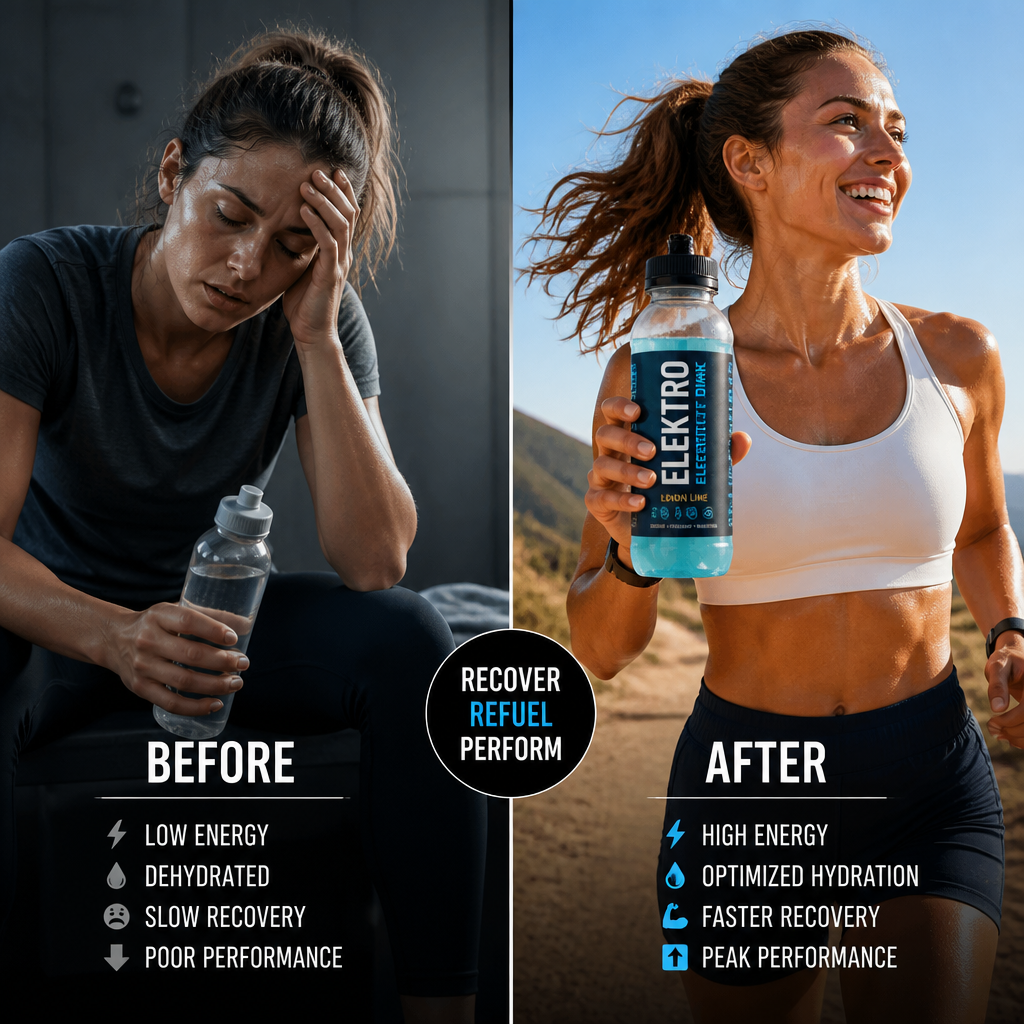
Not all electrolyte products are structured the same way, and the format you choose has real implications for convenience, absorption, and the quality of the mineral profile you receive. Here is a direct comparison of the three dominant formats currently available to UK consumers.
Format |
Advantages |
Limitations |
|---|---|---|
Electrolyte Powder Sachets |
Precise dosing, portable, fast dissolution, easy to combine with water of any temperature. Allows no-added-sugar formulations with a full mineral profile including sodium, potassium, and magnesium. |
Requires preparation. Not suitable for mid-run use without a bottle or vest. |
Electrolyte Tablets |
Extremely portable, long shelf life, no mess. Good for endurance athletes who need to carry replenishment over long distances. |
Often narrower mineral profiles. Some tablets rely on artificial sweeteners or contain low doses of magnesium to avoid tablet size constraints. |
Ready-to-Drink Sports Drinks |
Zero preparation, immediately available, familiar taste profiles. |
Typically high in sugar or artificial additives. Limited control over electrolyte concentrations. Heavy and bulky for transport. Often lack adequate magnesium or vitamin co-factors. |
In practice, electrolyte powder sachets represent the strongest option for most active adults who want control over their mineral intake without the sugar load that characterises most ready-to-drink competitors. Brands like Plusssz are building formulations that address this gap specifically, offering targeted electrolyte blends with no added sugar designed for sustained performance rather than a brief energy spike.
Pro tip: When comparing electrolyte products, check the sodium content first. A product with less than 200mg of sodium per serving is unlikely to meaningfully replace sweat losses during moderate to intense exercise. Many mainstream sports drinks are chronically underdosed on sodium while being overdosed on sugar.
Electrolyte supplementation is not exclusively for elite athletes. Several specific groups have elevated needs that make supplementation a practical necessity rather than a performance luxury.
Anyone training for 60 minutes or more on a regular basis is consistently depleting electrolytes faster than diet alone can replace them. Runners, cyclists, rowers, and CrossFit athletes all fall into this category. The cumulative effect of daily or near-daily sessions without structured electrolyte replacement compounds over weeks and months, degrading both performance and recovery quality.
Older adults experience reduced thirst sensitivity, meaning the biological signal to drink arrives later and less strongly than in younger individuals. This makes proactive electrolyte and fluid replacement even more important. Kidney function also changes with age, affecting how efficiently electrolytes are retained and excreted. For this demographic, a targeted supplement with a comprehensive mineral profile is not optional if activity levels are high.
Hormonal fluctuations across the menstrual cycle affect fluid and electrolyte retention. During the luteal phase, the body retains more sodium but can lose more magnesium. Women who notice cyclical variation in performance, cramping, or recovery quality often find that adjusting electrolyte intake across the month produces meaningful improvements.
Construction workers, emergency responders, personal trainers, and others who combine occupational physical demand with recreational training accumulate sweat losses throughout the day. For these individuals, the daily electrolyte deficit can be considerable even before a formal training session begins.
The UK supplement market has expanded rapidly, and the quality of electrolyte products varies considerably. Several criteria separate genuinely effective formulations from products that are primarily marketing vehicles.
A credible electrolyte supplement should contain at minimum sodium, potassium, and magnesium in meaningful doses. Sodium should be present at 300-600mg per serving. Potassium at 150-300mg. Magnesium at 50-100mg. Products that list these minerals but include them at 10-20mg per serving are delivering cosmetic rather than functional doses.
There is no physiological reason to add significant quantities of sugar to an electrolyte supplement intended for general active use. High-sugar formulations were designed for high-volume endurance athletes who need carbohydrate fuel alongside electrolytes during multi-hour efforts. For gym sessions, fitness classes, and recreational sport, the sugar simply adds calories without adding electrolyte benefit.
Some electrolyte formulations include B vitamins, vitamin C, or vitamin D to support energy metabolism, immune function, and overall bioavailability of the mineral blend. These are genuinely useful additions for active adults, particularly those training through UK winters with limited sun exposure. Vitamin D deficiency affects a significant proportion of the UK population year-round.
If you train at a gym and prep your kit the night before, sachets work well. If you run long distances or train in multiple locations throughout the day, tablets offer practical convenience. The best supplement is the one you will actually use consistently.
After years of working in performance nutrition, the same errors appear repeatedly. Recognising them is half the solution.
Thirst is a lagging indicator. By the time you feel thirsty during exercise, you are already in a state of mild dehydration. The correct approach is to drink on a schedule, not on demand. This is especially true for active adults over 40, where age-related reductions in thirst sensitivity make reactive drinking an unreliable strategy.
A 20-minute walk does not have the same electrolyte demands as a 75-minute HIIT class. Applying a one-size approach, either always supplementing or never supplementing, ignores the actual physiology. Match your electrolyte intake to session duration, intensity, and ambient conditions.
Rest days still involve baseline electrolyte requirements. If you train hard six days a week and eat a diet low in sodium or magnesium, your resting electrolyte status will be chronically suboptimal. Recovery quality, sleep depth, and next-day readiness all depend on maintaining adequate electrolyte levels around the clock, not just during exercise windows.
Some of the most heavily marketed sports nutrition brands in the UK produce electrolyte products with underwhelming mineral profiles dressed up in compelling packaging. The label should tell you precisely how much of each mineral is in each serving. If it does not, or if those numbers are not meaningful, move on regardless of how prominent the brand is.
Regular hydration means replacing lost fluid volume with water. Electrolyte hydration means replacing both the fluid and the dissolved minerals lost through sweat. For sessions under 45 minutes at low to moderate intensity, water is usually sufficient. For longer or more intense sessions, electrolytes are required to maintain cellular function, nerve transmission, and muscle contraction. Drinking only water during prolonged exercise can actually dilute blood sodium levels, a condition called hyponatraemia, which can impair performance and, in extreme cases, pose a health risk.
Visible salt stains on dark clothing after exercise are a reliable indicator of high sodium loss. Salty-tasting sweat confirms the same. Frequent muscle cramps, persistent post-exercise headaches, and unusual fatigue that does not resolve with sleep are all practical signs. If you sweat heavily, exercise in warm environments, or train for more than an hour regularly, you are almost certainly losing enough electrolytes to warrant structured replacement.
For sedentary individuals, a balanced diet covering sodium, potassium, and magnesium-rich foods is often sufficient. For active adults training at moderate to high intensity four or more times per week, dietary electrolytes are difficult to time effectively around sessions. Food also takes significantly longer to be absorbed than electrolyte supplements dissolved in water. Supplementation allows precise, timely delivery of minerals in the window where they are most needed.
For healthy active adults without kidney disease, hypertension, or other conditions affecting electrolyte balance, daily electrolyte supplementation at recommended doses is safe and appropriate. If you have a medical condition that affects kidney function or blood pressure, consult your GP before beginning any electrolyte supplement protocol. The key is using formulations with transparent, measured mineral doses rather than products with vague or undisclosed quantities.
Mainstream sports drinks are typically formulated with high sugar content to appeal to a broad consumer base and to serve as a carbohydrate fuel source during prolonged endurance events. Plusssz electrolyte products are built on a no-added-sugar model with a complete mineral profile targeting active adults who want clean hydration support without unnecessary additives. The formulations are also designed with specific demographics in mind, including different profiles for men, women, and older active adults, rather than applying a single generic formula across all use cases.
The honest answer is that timing depends on session length and intensity, but the most impactful single window for most people is pre-session. Starting exercise already adequately hydrated with electrolytes on board reduces the magnitude of in-session depletion. During sessions over 60 minutes, ongoing intake maintains performance. Post-session replacement accelerates recovery by restoring the cellular environment needed for protein synthesis and glycogen replenishment. For daily training, building electrolyte intake across all three windows produces the most consistent results.
Absolutely, and this is an underappreciated use case. Magnesium specifically supports muscle relaxation, protein synthesis, and sleep quality, all of which are central to recovery. Sodium and potassium restore the osmotic balance disrupted by exercise-induced fluid shifts. Restoring electrolyte levels post-session reduces the likelihood of delayed-onset muscle soreness becoming debilitating and improves readiness for the next training session. Athletes who prioritise post-session electrolyte replacement consistently report better next-day energy levels compared to those who focus only on protein and carbohydrate intake.
If you have found this guide useful or have questions about how electrolyte supplementation has worked in your own training, share your experience in the comments below.