You are mid-session, hitting your stride, when your calf seizes with a force that stops you dead. Or you wake at 3am with a leg cramp so severe it takes a full minute to walk off. If either scenario sounds familiar, you are not alone, and magnesium deficiency is very likely part of the story. For active individuals in the UK, finding the right magnesium supplement UK is one of the highest-leverage dietary decisions you can make for training consistency. This article explains precisely why cramps happen, what the research actually says about magnesium, and how to use targeted supplementation to protect your performance rather than let muscle cramps rob you of the sessions you worked hard to earn.
Key Insight |
Explanation |
|---|---|
Magnesium is lost heavily through sweat |
Athletes exercising at high intensity or volume lose significantly more magnesium than sedentary individuals, making dietary intake alone insufficient for many. |
The UK RNI underestimates active adults' needs |
The Reference Nutrient Intake of 300 mg/day (men) and 270 mg/day (women) is a baseline for sedentary people. Regular training pushes requirements considerably higher. |
Not all magnesium forms are equally absorbed |
Magnesium oxide has poor bioavailability. Citrate, malate, and bisglycinate are absorbed more effectively and should be the default choice for supplementation. |
Vitamin B6 amplifies magnesium uptake |
B6 (pyridoxine) helps transport magnesium into cells and supports neuromuscular function, making it a critical co-factor in any serious anti-cramp formula. |
Acute and chronic cramp causes need separate strategies |
In-session cramps driven by acute electrolyte loss need a full-spectrum hydration drink. Recurring cramps need a daily magnesium supplement to correct baseline status. |
A magnesium-rich electrolyte mix reduced cramp incidence in runners |
Research in the Journal of Exercise and Nutrition found cramp incidence dropped from 46% to 21% when half-marathon runners used a magnesium-rich electrolyte mix instead of water. |
Timing your supplement matters |
Taking a magnesium supplement in the evening supports overnight muscle recovery. Using an electrolyte drink before and during training covers acute in-session needs. |
Magnesium is involved in over 300 enzymatic reactions in the human body. That number is cited so often it has become background noise, but for athletes it carries real, practical weight. Every time a muscle contracts, magnesium regulates the electrical signal that initiates it. Every time that muscle needs to relax afterwards, magnesium is the mineral doing the work. Remove it from the equation, even partially, and you get what athletes experience as cramping: an involuntary, painful contraction that the muscle cannot release cleanly.
Beyond the mechanics of a single contraction, magnesium plays a central role in energy metabolism. It is required for ATP synthesis, the process by which your body produces the fuel that powers muscle work. When magnesium is low, energy production becomes less efficient, fatigue arrives earlier, and neuromuscular control degrades. That degradation is not just a performance problem. It is also a cramp trigger.
Magnesium deficiency is also linked to structural damage at the cellular level. Research published in ResearchGate's database of exercise performance studies notes that magnesium deficit is associated with muscle weakness, cramps, and structural damage of muscle fibres and organelles, likely as a result of increased production of reactive oxygen species and lipid and protein damage. This is not a minor deficiency mineral. It is a foundational one.

The mechanism of depletion is straightforward but frequently underestimated. Magnesium is excreted through both sweat and urine. During intense or prolonged exercise, sweat losses alone can significantly reduce circulating magnesium, and that drop is compounded if the athlete is also dehydrated or consuming caffeine, which acts as a diuretic and accelerates mineral excretion.
Research on magnesium requirements for athletes indicates that individuals engaged in intense exercise need a magnesium intake roughly 10 to 20 percent higher than the average sedentary person, specifically because of these increased losses through sweat and urine. For a male athlete whose sedentary baseline would be 300 mg per day, that translates to a practical daily target of 330 to 360 mg per day from diet and supplementation combined, and that is still a conservative floor for high training loads.
The problem compounds during consecutive training days. You train on Monday, lose magnesium through sweat, and replenish imperfectly through food alone. You train again on Wednesday from a slightly lower baseline. By Friday you are meaningfully depleted even if no single session was extreme. This cumulative effect is why cramps tend to spike mid-week or late in a training block, not after a single hard effort.
Pro tip: If your cramps cluster in the second half of a training week or appear more frequently during high-volume training blocks, chronic depletion rather than acute in-session loss is the more likely culprit. A daily magnesium supplement addresses the root cause; an electrolyte drink alone will not.
Magnesium imbalances in athletes are often caused by a combination of sweat loss, caffeine consumption, high-intensity training, and high training volume. Ruling out sodium, potassium, and calcium first, and then looking at magnesium, is a logical diagnostic sequence for athletes experiencing unexplained cramps or irregular muscle function.
The UK Reference Nutrient Intake for magnesium is 300 mg per day for adult men and 270 mg per day for adult women. These figures come from the Department of Health and Social Care and represent the intake considered sufficient for the general adult population. The critical word there is "general." These figures were not designed with regular training, heavy sweating, or competitive sport in mind.
In practice, many sports nutrition practitioners recommend targets of 350 to 420 mg per day for regularly active adults. That gap between the RNI and a realistic training target is not always bridgeable through diet alone. High-magnesium foods such as leafy greens, nuts, seeds, and wholegrains contribute meaningfully, but hitting the upper end of that range consistently while also managing training, recovery, and a busy life is difficult without supplementation.
The NHS guidance notes that the maximum supplement dose should not exceed 400 mg per day from supplements alone, which gives a useful ceiling to work within. The floor, for athletes, is considerably higher than the general population RNI. A quality magnesium supplement UK product fills that gap without guesswork.
There is an honest nuance worth acknowledging here. The science on magnesium and exercise-associated muscle cramps (EAMC) is promising but not uniformly conclusive. Some researchers argue that EAMC is primarily driven by neuromuscular fatigue and altered spinal reflex activity rather than pure electrolyte depletion, and that the relationship between magnesium blood levels and cramping is more complex than a simple cause-and-effect.
That acknowledged, dismissing magnesium entirely on those grounds is a mistake. The more accurate picture is this: magnesium deficiency is a contributing factor to cramp susceptibility in many athletes, even if it is not the sole cause in every case. Correcting that deficiency reduces risk even if it does not eliminate it entirely.
A 2022 study published in the Journal of Exercise and Nutrition tested a magnesium-rich electrolyte hydration mix (100 mg of elemental magnesium per serving) on half-marathon runners across two separate events on an identical course. The results were clear. Among athletes hydrating with water alone, around 46 percent experienced some degree of muscle cramps. Among those using the magnesium-rich electrolyte mix, that figure dropped to 21 percent. Mild to moderate cramps specifically occurred in about 12 percent of the electrolyte mix group compared to 26 percent in the water-only group.
This is not a pharmaceutical trial. But it is a controlled, sport-specific, real-world measure. For an athlete who cramps repeatedly during events, halving the incidence is a meaningful, tangible outcome that connects directly to training quality and race performance.
Beyond cramping, magnesium depletion impairs energy metabolism and oxygen uptake, which degrades performance even when cramps do not occur. Research on magnesium status and exercise performance notes that physical exercise can deplete magnesium in ways that impair energy metabolism, muscle function, oxygen uptake, and electrolyte balance. Many athletes are operating below their potential not because their training programme is wrong, but because their mineral status is inadequate.
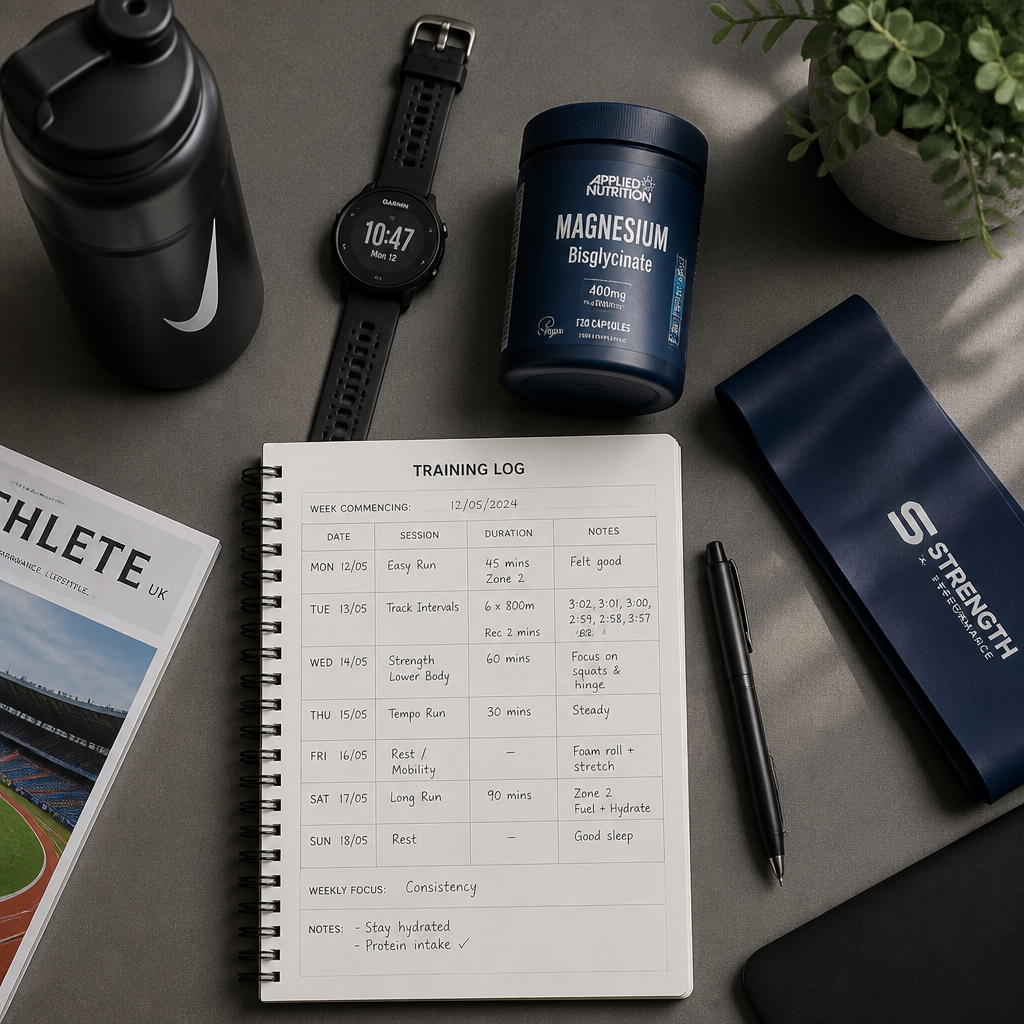
Not all magnesium supplements deliver the same results because not all forms of magnesium are absorbed equally. This is the single most important specification decision when buying any muscle cramp supplement. The form determines how much of the stated dose actually reaches your muscles.
Magnesium oxide is the cheapest and most widely used form in budget supplements. It contains a high percentage of elemental magnesium by weight, which looks impressive on a label. Unfortunately, its bioavailability is substantially lower than other forms. A significant portion of the dose passes through the gut without being absorbed, which is why high doses of oxide are also associated with a laxative effect. If a supplement does not specify the form and its price point is very low, oxide is likely what you are buying.
Magnesium citrate is one of the best-studied and most reliably absorbed forms. It is a solid choice for acute cramp management because it absorbs relatively quickly. Magnesium malate is particularly useful for muscle energy production and is favoured by endurance athletes who need both cramp prevention and sustained energy support. Magnesium bisglycinate (glycinate) is chelated to the amino acid glycine, which improves absorption further and is gentler on the digestive system, making it a strong option for daily supplementation at higher doses. These three forms consistently outperform oxide in absorption studies.
Pro tip: When comparing products, look past the headline magnesium milligram number and check the form listed in the ingredients. 375 mg of magnesium citrate is a more effective dose than 375 mg of magnesium oxide, even though the label numbers look identical.
Approach |
Best For |
Key Limitation |
|---|---|---|
Single-mineral magnesium oxide tablet |
Budget supplementation with no specific performance focus |
Poor bioavailability; laxative effect at effective doses; no co-factors to support absorption or neuromuscular function |
Full-spectrum electrolyte hydration drink (sodium, potassium, magnesium, chloride) |
Acute in-session rehydration and electrolyte replenishment during training or racing |
Does not correct chronic baseline deficiency on its own; needs daily supplementation alongside it for regular trainers |
Dedicated anti-cramp complex with bioavailable magnesium plus B6 and supporting micronutrients |
Correcting chronic magnesium deficiency, supporting neuromuscular function daily, and reducing overnight cramping |
Does not replace in-session electrolytes; works best as a daily baseline combined with a hydration product around training |
For UK active adults, the Plusssz product range addresses both sides of the cramp problem: chronic baseline deficiency and acute in-session depletion. The Plusssz Anti-Cramp Complex was formulated specifically for the profile of UK active adults. It goes beyond a single mineral, combining highly bioavailable magnesium with vitamin B6, which supports magnesium transport into cells and independently supports proper neuromuscular function. The result is a product designed to correct deficiency systematically over time, not just mask a single training session's losses.
The Plusssz Magnesium Forte B-Complex takes this further by combining magnesium with a comprehensive B-vitamin matrix. This formulation contains the five most important B vitamins, including thiamine, riboflavin, nicotinamide, pyridoxine, and biotin, alongside magnesium at 100 percent of the Reference Intake per tablet. The B-vitamin complex supports energy metabolism, reduces fatigue, and ensures the nervous system has the co-factors it needs to function cleanly under training load. It is particularly well suited to athletes who are not just dealing with cramps but also noticing earlier-onset fatigue or poorer recovery during high training periods.
Both products are designed as effervescent tablets dissolved in water, which improves palatability and supports faster absorption compared to hard tablet or capsule formats. For athletes already using Plusssz electrolyte hydration products around training sessions, adding either of these magnesium-focused supplements as a daily baseline creates a protocol that addresses both acute and chronic magnesium needs simultaneously.
The most common mistake athletes make is treating cramping as a single problem with a single solution. In reality, cramps in trained individuals typically involve two overlapping deficits: a chronic baseline deficiency that builds across training weeks, and acute in-session losses that drop electrolytes rapidly during hard efforts. A single product rarely fixes both.
Take a dedicated magnesium supplement, such as the Plusssz Anti-Cramp Complex or Magnesium Forte B-Complex, once daily in the evening. Evening timing is deliberate. Magnesium supports muscle relaxation and recovery during sleep, and overnight cramps are one of the most disruptive symptoms of chronic deficiency. Establishing a consistent daily habit, not sporadic supplementation when cramps occur, is what shifts your baseline status over two to four weeks.
Around training itself, a full-spectrum electrolyte hydration product covers the acute needs. This means a product containing sodium, potassium, and magnesium at physiologically relevant doses. Sodium is the primary driver of rehydration and the most acutely lost electrolyte. Potassium supports cellular fluid balance and helps prevent cramping. Magnesium supports neuromuscular function throughout the session. The Plusssz electrolyte hydration range is built on this complete-electrolyte logic rather than single-mineral shortcuts.
Supplementation works best on top of a diet that is not actively depleting you. Practical dietary priorities for magnesium status include regular servings of leafy green vegetables such as spinach and kale, nuts and seeds particularly almonds and pumpkin seeds, wholegrains, and legumes. These are not exotic foods. They are the same foods most performance nutrition guidance points to for broader micronutrient sufficiency.
A common mistake is relying on magnesium supplementation while maintaining dietary patterns that undermine it. High caffeine intake, regular alcohol consumption, and very high processed food diets all accelerate magnesium excretion or reduce absorption. Supplementation helps, but it works against the current if the dietary context does not support it.
Pro tip: Track your cramp frequency for two weeks before starting a magnesium protocol, noting which sessions trigger them and whether they also occur overnight. After four weeks on a consistent daily magnesium supplement, review the same metrics. A reduction in both training and overnight cramps is the clearest signal that deficiency correction is working.
Most athletes notice a meaningful reduction in cramp frequency after two to four weeks of consistent daily supplementation. This reflects the time needed to correct a chronic baseline deficiency rather than a rapid pharmacological effect. If you are also using a magnesium-containing electrolyte drink during training from day one, acute in-session cramps may improve sooner, but the chronic overnight cramps typically need the longer correction window.
For moderate training loads, a high-quality diet rich in leafy greens, nuts, seeds, and wholegrains can meet the general population RNI. However, for athletes training four or more times per week with significant sweat output, consistently hitting the 350 to 420 mg range that many sports nutrition practitioners recommend is genuinely difficult from food alone. Supplementation bridges that gap reliably without requiring an impractical diet overhaul.
Yes, for most healthy adults. The NHS advises not exceeding 400 mg per day from supplements alone, and this ceiling is conservative enough to make daily use of a properly dosed product safe for the vast majority of people. If you have kidney disease or take regular medications, check with your GP before starting any new supplement routine, as magnesium excretion is managed by the kidneys.
Both products provide magnesium alongside B vitamins for improved uptake and neuromuscular support. The Magnesium Forte B-Complex specifically combines magnesium at 100 percent of the daily Reference Intake with a full panel of the most important B vitamins, making it the stronger choice for athletes also managing fatigue, energy metabolism, and recovery. The Anti-Cramp Complex is formulated with a specific focus on cramp prevention through the magnesium and B6 pairing. Your choice depends on whether the problem is primarily cramping or a broader fatigue and recovery concern.
Yes, and the reason is that the two products solve different problems. An electrolyte drink covers acute mineral losses during and immediately after training. It does not consistently raise your resting magnesium status over time. A dedicated daily magnesium supplement addresses that chronic baseline, which is what drives overnight cramping and cramps later in a training block. Used together, they close both the acute and chronic gaps that cause cramping in trained individuals.
High doses of magnesium oxide, specifically, are associated with loose stools and gastrointestinal discomfort because of the form's poor absorption and osmotic effect in the gut. Better-absorbed forms such as citrate, malate, and bisglycinate are significantly less likely to cause this at standard doses. If you experience digestive discomfort, check the form of magnesium in your supplement before assuming the dose is the problem. Switching to a higher-bioavailability form often resolves the issue without reducing the dose.
Have you found that switching to a higher-quality magnesium supplement changed your experience with training cramps or overnight leg cramps? Share what worked for you below, because your experience could help another active person in exactly the same position.