If you have ever been jolted awake at 3am by a calf cramp so severe it felt like your leg was trying to turn inside out, you already understand why magnesium for muscle cramps UK is one of the most-searched supplement topics among active adults. Research published by the European Journal of Clinical Nutrition found that magnesium deficiency affects an estimated 10 to 30 percent of the general population, with athletes and highly active individuals sitting at the top of that risk bracket. The reason is simple: sweat strips magnesium faster than almost any other electrolyte. Understanding what that means for your training, your recovery, and your sleep is not optional if you take performance seriously.
Key Insight |
Explanation |
|---|---|
Magnesium regulates muscle contraction directly |
It acts as a natural calcium antagonist, preventing muscles from staying locked in a contracted state that causes cramping. |
Sweat loss is the primary culprit for active adults |
A single intense session can cause you to lose 36 to 50 mg of magnesium, making dietary intake alone insufficient for regular trainers. |
Form matters more than dose |
Magnesium oxide has poor bioavailability. Magnesium citrate, malate, and glycinate are absorbed significantly better and should be the standard for any serious anti-cramp supplement. |
Magnesium works as part of an electrolyte team |
Sodium, potassium, and calcium imbalances can undermine magnesium's effect. A full electrolyte formula outperforms isolated magnesium supplementation for cramp prevention. |
Results take 2 to 4 weeks of consistent use |
Magnesium stores are replenished slowly. Expecting overnight relief from one tablet is the most common mistake people make when starting supplementation. |
No added sugar formulas are preferable |
Sugar-loaded electrolyte products spike insulin and can interfere with muscle recovery signalling. Clean formulas without added sugar deliver electrolytes without this trade-off. |
The UK RNI for magnesium is 300 mg per day for men, 270 mg for women |
Most active individuals fail to hit this through diet alone, especially if they train five or more times per week. |
Magnesium is involved in over 300 enzymatic reactions. That is not a figure worth skimming past. Of those processes, the ones most directly tied to cramp prevention involve muscle contraction, nerve signal transmission, and ATP energy production. Without adequate magnesium, your nervous system cannot properly regulate the electrical signals that tell a muscle to contract and, critically, to release.
Think of calcium as the accelerator and magnesium as the brake. Calcium triggers a muscle fibre to contract. Magnesium competes with calcium at the receptor site to end that contraction. When magnesium is depleted, the brake goes soft. Muscles contract more easily and struggle to fully release, and that is the physiological mechanism behind cramping.
In practice, this shows up most often in the calves, hamstrings, and feet during or after exercise, and in the legs at night during recovery. The night cramp pattern is particularly telling because it occurs when the body is trying to rebuild and magnesium-dependent repair processes are running at full demand.


Muscle cramps are involuntary, sustained contractions. The sports science community has debated the exact trigger for decades, but the two most evidence-supported mechanisms are electrolyte depletion and altered neuromuscular control from fatigue. Both involve magnesium directly.
The older model blamed pure dehydration. The more current evidence, including research from the Wilderness Medical Society, points to electrolyte imbalance as a stronger predictor than fluid volume alone. Specifically, when sodium falls and magnesium is simultaneously depleted, muscle excitability increases dramatically.
A common mistake is treating cramps as a potassium problem and reaching for a banana. Potassium matters, but potassium deficiency rarely occurs in isolation in active adults eating a reasonable diet. Magnesium deficiency, by contrast, is widespread precisely because the modern diet is low in magnesium-dense foods like dark leafy greens, nuts, seeds, and wholegrains, and exercise accelerates depletion further.
These two types of cramp have overlapping but not identical causes. Exercise-induced cramps (EAMC) tend to be driven by acute electrolyte loss during high-intensity or prolonged activity, particularly in warm conditions. Magnesium supplementation combined with sodium and potassium replacement is the most effective intervention.
Nocturnal leg cramps are more often linked to chronic low magnesium status, poor circulation, or prolonged sitting and standing during the day. For this group, consistent daily magnesium intake is more important than timing around exercise. Both groups benefit from an approach that treats magnesium as part of a broader electrolyte strategy rather than a standalone fix.
The groups most likely to experience magnesium-driven cramps are not random. The data consistently shows four distinct profiles: endurance athletes, older adults, women during hormonal transitions, and individuals with high stress loads. Each of these groups depletes magnesium through different mechanisms.
Endurance athletes lose magnesium through sweat at a rate that dietary intake cannot match during heavy training blocks. Older adults absorb magnesium less efficiently through the gut and excrete more through the kidneys. Women during menstruation, perimenopause, and menopause experience shifts in magnesium utilisation tied to hormonal fluctuation. High cortisol from chronic stress increases urinary magnesium excretion, meaning desk-bound professionals who also train regularly are doubly at risk.
"Magnesium is the most underrated electrolyte in sports nutrition. Sodium gets the spotlight, but magnesium is the one running quietly in the background doing the hardest work." - Dr. James DiNicolantonio, cardiovascular research scientist and co-author of The Mineral Fix (2021)
If you fall into more than one of these risk categories, individual magnesium supplementation alone is unlikely to be sufficient. A properly formulated anti-cramp supplement that pairs magnesium with cofactors like vitamin B6, which improves magnesium absorption into cells, will consistently outperform a standalone magnesium tablet.
Walk into any UK pharmacy and you will find magnesium supplements ranging from 50p per month to over 30 pounds. The price difference is rarely about dose. It is about form. The elemental magnesium content of a tablet means very little if the compound it is bound to prevents absorption.
Magnesium oxide is cheap and contains a high percentage of elemental magnesium by weight, which is why it dominates cheap supplement ranges. But studies show its bioavailability is as low as 4 percent. Most of it passes through the gut without being absorbed, which is why high doses also cause loose stools. If your current magnesium supplement is causing digestive discomfort, oxide is the likely culprit.
These three forms consistently outperform oxide in absorption studies. Magnesium citrate absorbs well and works faster, making it a solid choice for acute cramp management. Magnesium malate is particularly useful for muscle energy production and is favoured by endurance athletes. Magnesium glycinate has the highest tolerability at higher doses and is ideal for chronic deficiency and overnight recovery support.
A well-designed anti-cramp supplement will use one or a combination of these forms rather than defaulting to oxide simply to hit a headline milligram number on the label.
Pro tip: When comparing magnesium supplements, always check the form listed in the ingredients, not just the dose on the front of the pack. A product listing 400 mg of magnesium oxide delivers roughly 16 mg of absorbable magnesium. A product listing 200 mg of magnesium citrate can deliver three times that in practice.

Isolated magnesium supplementation helps. But it does not fully replicate what your body actually needs during and after intense exercise, because cramps are rarely caused by a single electrolyte failing in isolation. The body regulates muscle function through a precise ratio of magnesium, sodium, potassium, and calcium working together. Pull one out of balance and the others are affected.
This is where many athletes hit a ceiling. They take a magnesium supplement, notice some improvement, but still cramp during long runs, cycling sportives, or multi-set strength sessions. The remaining cramps are often driven by sodium and potassium deficits that magnesium cannot compensate for alone.
A full-spectrum electrolyte hydration product addresses all four electrolytes in appropriate ratios, making it a more complete solution than a single mineral supplement. For active individuals who train regularly and sweat heavily, combining a daily magnesium-forward anti-cramp supplement with an electrolyte hydration drink is the most logical protocol.
Pro tip: Time your electrolyte intake strategically. Take your magnesium-based anti-cramp supplement in the evening to support overnight muscle recovery. Use an electrolyte hydration drink before and during exercise to maintain sodium and potassium levels acutely. These two habits address both chronic deficiency and acute in-session losses simultaneously.
Approach |
What It Addresses |
Key Limitation |
|---|---|---|
Magnesium oxide tablet (generic pharmacy brand) |
Low-cost option for mild deficiency |
Bioavailability as low as 4 percent. Frequent digestive side effects at higher doses. Does not address sodium or potassium imbalances. |
Sports drink with electrolytes (e.g. Science in Sport, High Five) |
Acute sodium and carbohydrate replacement during exercise |
Often contains added sugar. Magnesium content is typically very low or absent. Not designed for chronic deficiency management. |
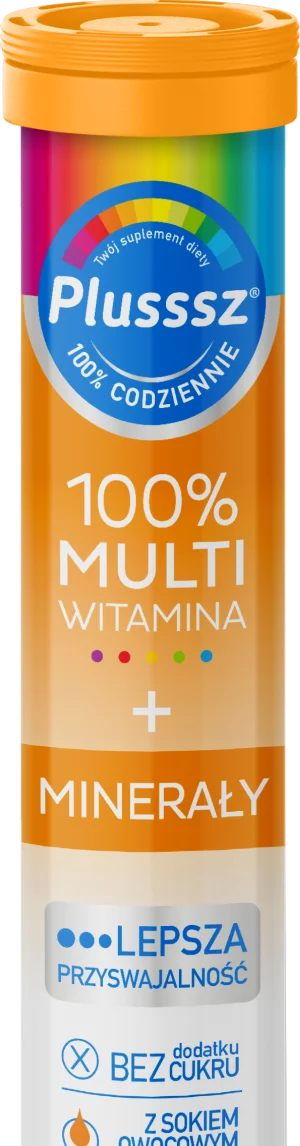
Plusssz Anti-Cramp Complex with full-spectrum electrolyte hydration |
Chronic magnesium replenishment plus acute electrolyte balance. No added sugar. Formulated with B6 for enhanced absorption. |
Requires consistent daily use for 2 to 4 weeks to see full benefit. Not a single-dose rescue product. |
The Plusssz Anti-Cramp Complex was formulated with the specific profile of UK active adults in mind. That means the product goes beyond a single mineral and instead combines highly bioavailable magnesium with supporting micronutrients including vitamin B6, which is one of the few compounds clinically demonstrated to increase intracellular magnesium uptake rather than just blood serum levels.
The absence of added sugar is a non-negotiable part of the formula design. Many competing electrolyte and cramp products mask poor bioavailability with sweeteners and flavourings. A clean formula forces the active ingredients to do the work, which is a higher bar to meet but produces a more honest product.
The Plusssz product range is built around the understanding that active adults across different demographics, whether that is a 45-year-old male runner, a female cyclist managing hormonal changes, or a 60-year-old tennis player dealing with recurring night cramps, have meaningfully different micronutrient needs. A one-size formula is a compromise. Targeted formulations are a better answer.
For those already using the Plusssz electrolyte hydration range, the Anti-Cramp Complex works as a complementary daily protocol rather than a replacement. The hydration products cover in-session electrolyte needs. The Anti-Cramp Complex addresses baseline magnesium status over time. Used together, they close both the acute and chronic gaps that cause cramping in trained individuals.
The UK Reference Nutrient Intake (RNI) for magnesium is 300 mg per day for men and 270 mg per day for women. These are the minimum targets for the general population. Active adults who sweat regularly need to exceed these figures, with many sports nutrition practitioners recommending 350 to 420 mg per day for those training five or more times per week.
Timing matters more than most supplement brands admit. Magnesium taken in the evening takes advantage of the body's overnight repair cycle, when muscle tissue is being rebuilt and magnesium-dependent enzyme activity peaks. Morning dosing is not wrong, but evening dosing is supported by better physiological logic for cramp prevention and recovery.
This is where expectation management is critical. A single dose of magnesium will not stop a cramp that is already happening. Magnesium is a tissue-level mineral, meaning cells need to gradually accumulate an adequate supply. Most individuals notice a clear reduction in cramp frequency after two to four weeks of consistent daily use, with full effect reached closer to six to eight weeks.
If you are still cramping after four weeks of daily supplementation at an appropriate dose, there are two likely explanations. First, the form of magnesium you are using has poor bioavailability. Second, another electrolyte imbalance such as low sodium is driving the cramps independently. Reviewing both the supplement form and overall electrolyte intake together resolves the problem in the majority of cases.
Yes, and this surprises most people. A diet that looks healthy on paper can still fall short on magnesium if it is low in dark leafy greens, seeds, and wholegrains. More importantly, regular intense exercise significantly increases magnesium losses through sweat, meaning your dietary intake needs to scale with your training volume. Many active adults eating nutritious, balanced diets are still chronically low in magnesium relative to their output.
Magnesium has well-documented benefits for hormonally driven muscle cramping, including menstrual cramps. Studies published in journals including the Journal of Women's Health and Obstetrics have found that magnesium supplementation reduces the severity and duration of dysmenorrhoea. The Plusssz Anti-Cramp Complex, combined with the women's multivitamin formulation from Plusssz, provides a comprehensive approach to hormonal and exercise-driven magnesium demand.
ORS Hydration products are designed primarily for acute oral rehydration, focusing on sodium and glucose to restore fluid balance quickly. They are not formulated to address chronic magnesium deficiency. The Plusssz Anti-Cramp Complex targets a different problem: building up adequate cellular magnesium stores to prevent cramps from occurring in the first place. These are complementary purposes rather than competing ones. For active individuals, an oral rehydration product and a dedicated anti-cramp supplement serve different roles.
Not only can you, but for most active individuals who train regularly, you should. An electrolyte hydration drink taken before and during exercise replaces sodium, potassium, and fluids acutely. A magnesium-focused anti-cramp supplement taken daily rebuilds tissue-level magnesium stores over weeks. These two interventions operate on different timescales and address different aspects of the same problem. There is no interaction concern between them.
This almost always traces back to the form of magnesium used. Magnesium oxide and magnesium sulphate have an osmotic effect in the gut, drawing water into the intestine, which causes loose stools or cramping at higher doses. Magnesium glycinate and magnesium malate are chelated forms that do not have this effect and are well tolerated even at the upper end of recommended doses. If a magnesium supplement is causing digestive discomfort, switching form rather than reducing dose is the correct response.
The baseline UK RNI of 300 mg is the floor, not the target, for endurance athletes. Practitioners working with marathon runners, triathletes, and cyclists typically recommend 350 to 420 mg of elemental magnesium per day in a bioavailable form, split into two doses if taking more than 200 mg at a time to optimise absorption. Magnesium needs also rise during peak training blocks and hot weather, so these figures should be treated as starting points rather than fixed ceilings.
Have you found that magnesium supplementation made a noticeable difference to your cramp frequency or training recovery? Share your experience below, as your first-hand account may help another active adult trying to work out what actually works.