You train consistently, eat reasonably well, and sleep enough. Yet your legs feel like concrete by kilometre three, your split times are creeping backwards, and no amount of rest seems to fix it. Before you blame overtraining or stress, consider something that affects nearly 30% of young female athletes and goes undetected for months: iron deficiency fatigue in women. The frustrating part is that the early signs are easy to dismiss as normal tiredness. This article tells you what to look for, why active women are disproportionately at risk, and what you can actually do about it without waiting until the symptoms become severe.
Key Insight |
Explanation |
|---|---|
Iron deficiency can impair performance before anaemia develops |
Stage 1 and Stage 2 deficiency reduce aerobic capacity and recovery even when haemoglobin still looks normal on a basic blood test. |
Fatigue is the most common symptom but not a reliable solo indicator |
A blood test measuring ferritin and haemoglobin is the only definitive way to diagnose iron deficiency. Symptoms alone are not enough to confirm it. |
Menstruation and exercise combine to create double iron losses |
Active women lose iron through both the menstrual cycle and exercise-induced mechanisms such as foot-strike haemolysis and sweat losses, creating a uniquely high demand. |
Hepcidin timing matters for supplement absorption |
Hepcidin rises 3 to 6 hours after exercise and blocks iron absorption. Taking iron in the morning or within 30 minutes post-training reduces this interference. |
Endurance performance can improve 2 to 20% with supplementation |
Research shows iron-deficient female athletes who supplement can recover meaningful aerobic performance, even before reaching full anaemia. |
Vegan and vegetarian athletes face compounded risk |
Plant-based iron (non-haem) absorbs at a lower rate than haem iron from animal sources, meaning dietary intake must be significantly higher to meet the same demand. |
A women-specific multivitamin formulation addresses the gap more precisely |
Formulas designed for women typically include higher iron alongside folic acid and iodine, reflecting different physiological requirements compared to standard adult blends. |
Iron deficiency does not discriminate, but it does show a strong preference for active women. The reason is structural: active women face multiple simultaneous routes of iron loss that men and sedentary women simply do not experience at the same magnitude.
The menstrual cycle accounts for a meaningful share of monthly iron loss. On top of that, exercise itself strips iron through several distinct mechanisms. High-impact activities like running cause mechanical destruction of red blood cells through repeated foot-strike contact, a process called haemolysis. Intense training also triggers an inflammatory response that activates hepcidin, a hormone produced in the liver that actively suppresses iron absorption from the gut. The result is a situation where iron is being lost faster than the body can replace it, even when dietary intake appears adequate.
Diet choices compound the problem further. Many female athletes who follow vegetarian or vegan diets are at greater risk of compromised iron status. This is not purely about eating less iron overall. Non-haem iron from plant sources absorbs at a much lower rate than haem iron from meat and fish. An athlete eating a plant-based diet needs to consume considerably more dietary iron to achieve the same absorbed amount, and that gap often goes unrecognised until fatigue sets in.
Pro tip: If you follow a plant-based diet and train more than four times per week, treat iron status as a routine monitoring point rather than something you only investigate when you feel terrible. Waiting for obvious symptoms means waiting too long.
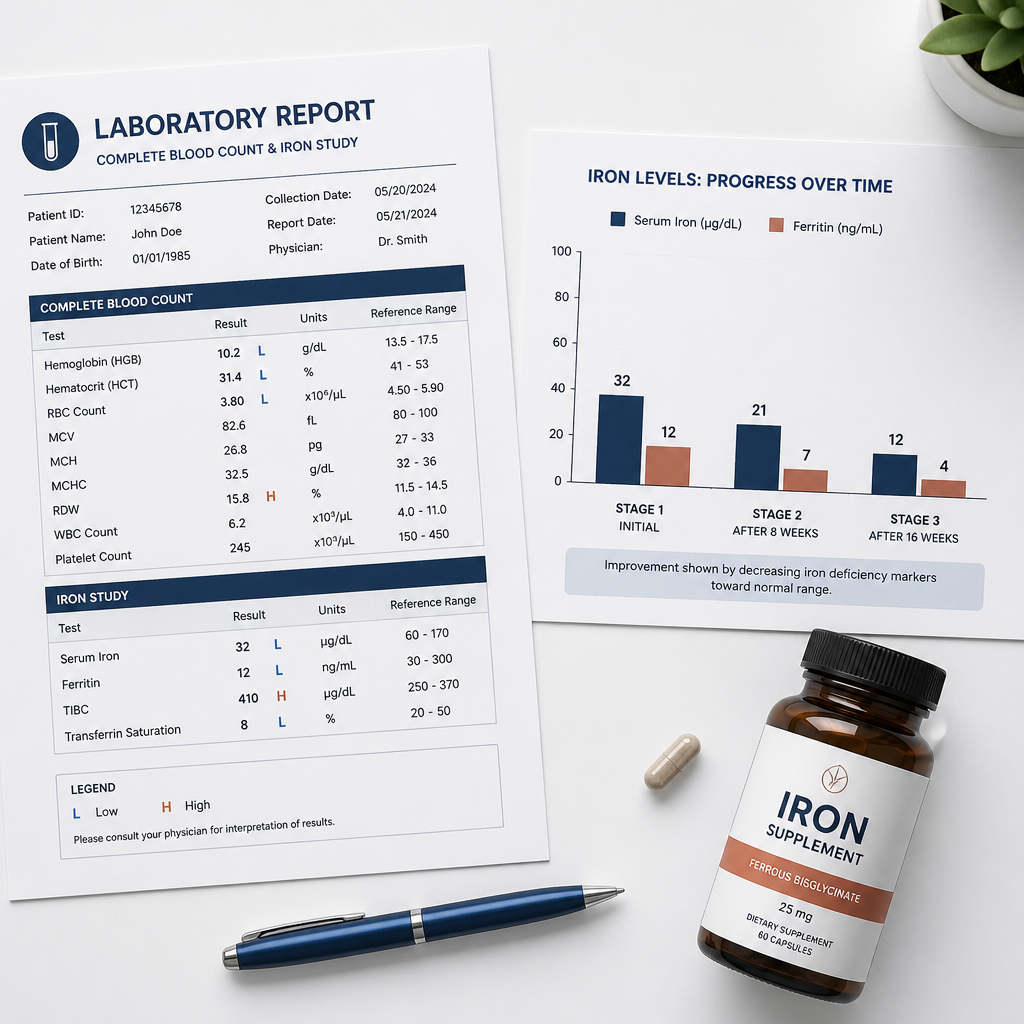
One of the most important things to understand about iron deficiency is that it progresses in stages, and the early stages carry real performance consequences even before a standard blood test flags anything alarming. Many active women reach Stage 2 before anyone takes their fatigue seriously, precisely because their haemoglobin still reads as normal.
At this stage, serum ferritin falls below 35 µg/L, but haemoglobin remains above 120 g/L and transferrin saturation stays above 16%. This is the window where most cases are missed. A GP running a basic full blood count will see nothing wrong. Only a ferritin-specific test reveals the depletion beginning in iron stores. Physical symptoms at this stage are subtle but present: slightly reduced motivation, slightly heavier legs than usual, slightly longer recovery after hard sessions.
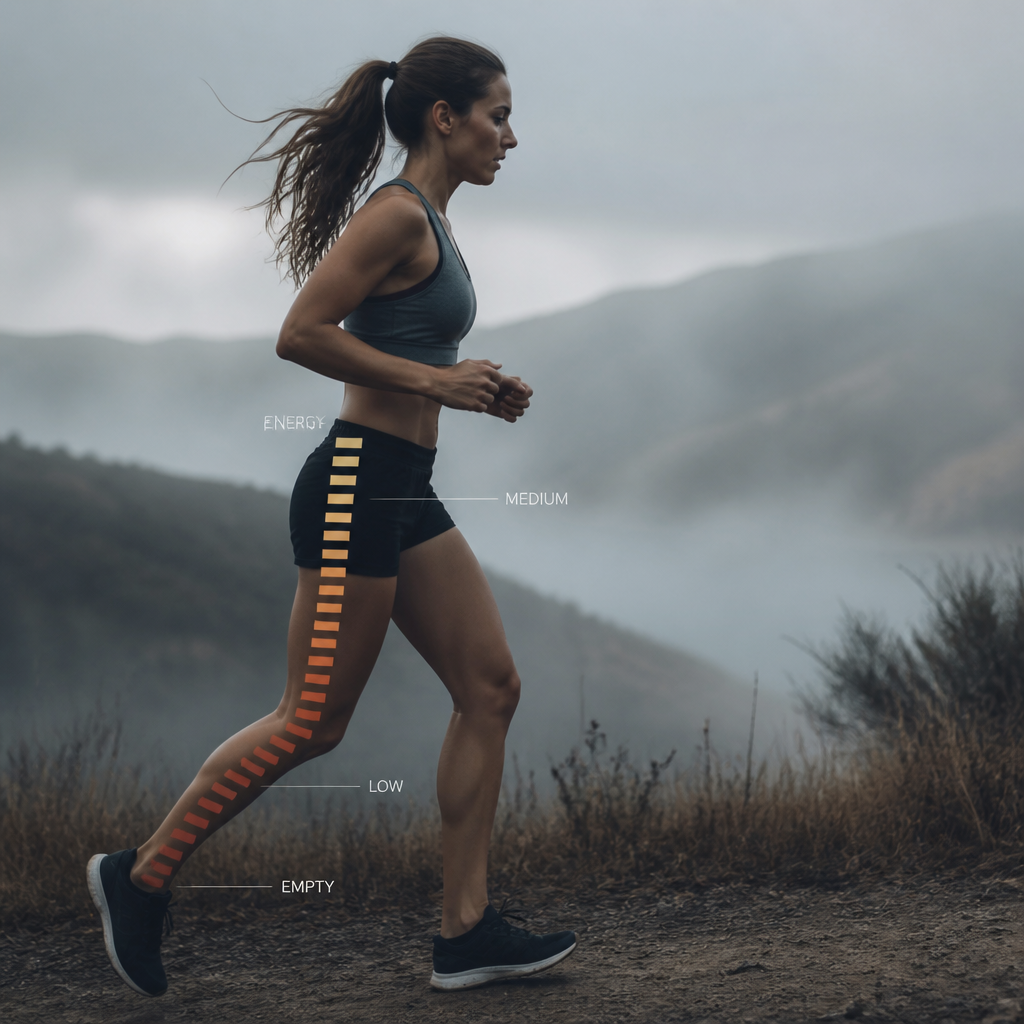
Ferritin drops below 20 µg/L. Haemoglobin may still remain stable, but transferrin saturation begins to fall. The body is now starting to compromise the production of healthy red blood cells. At this point, symptoms become more noticeable: persistent fatigue that does not respond to extra sleep, a clear sensation of "empty legs," and a performance plateau that makes no sense given your training load.
Both ferritin and haemoglobin are now low (ferritin below 12 µg/L, haemoglobin below 120 g/L). Oxygen transport to working muscles is directly impaired. The body is forced to rely more on anaerobic energy systems, which leads to faster glycogen depletion, increased lactic acid build-up, and early fatigue during training or competition. This is the stage most people recognise as iron deficiency. It should not have been allowed to get this far.
Catching iron deficiency at Stage 1 rather than Stage 3 is the difference between a straightforward dietary and supplementation fix and a months-long recovery process that disrupts an entire training cycle.
Most guidance on iron deficiency lists the obvious symptoms: tiredness, pale skin, shortness of breath. Those are accurate but only describe Stage 3. The more useful question for an active woman is: what do the early, subtle signs look like in the context of regular training?
The clearest early indicator is a performance drop that cannot be explained by training load or recovery. If your runs feel harder than the session data suggests they should, or if your heart rate runs noticeably higher at paces that previously felt comfortable, that mismatch is worth investigating. The body is working harder to deliver the same oxygen output.
A second pattern is the "heavy legs" sensation that appears earlier in a session than it should. This is distinct from normal muscle fatigue from hard training. Iron-related heavy legs appear at intensities that previously caused no problem and persist across sessions rather than clearing with rest.
Other early signs worth tracking include:
A common mistake is attributing all of these individually to separate causes: the breathlessness to a cold, the irritability to stress, the fatigue to poor sleep. When several of these signs cluster together and persist across a training block, iron deficiency deserves to be at the top of your differential list.
Pro tip: Keep a short training journal entry after each session for at least three weeks. Rate effort perception against actual output. A consistent gap between perceived effort and measured output is one of the most reliable early indicators of iron deficiency fatigue in women, and it gives a GP concrete data to act on rather than a vague complaint of "feeling tired."
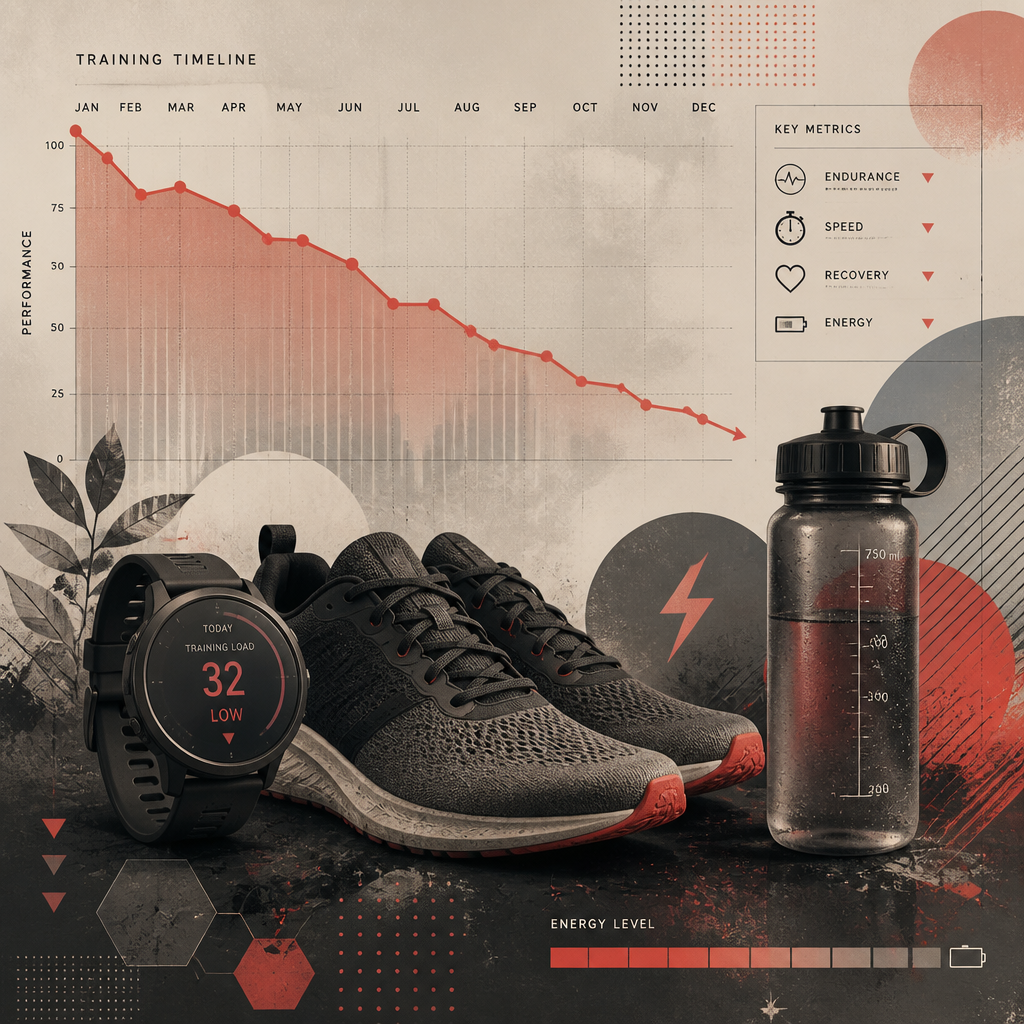
It is worth being specific about the mechanism, because understanding it changes how seriously you take an early ferritin reading. Iron is not just involved in red blood cell production. It is a functional component of oxygen transport via both haemoglobin and myoglobin, and it serves as a cofactor in mitochondrial energy production. This means iron deficiency hits performance at two distinct points: oxygen delivery to muscles, and the muscles' ability to use that oxygen efficiently for energy.
Research reviewing data across 23 studies and 669 female athletes found that iron deficiency negatively affects endurance performance by 3 to 4%. That sounds modest, but for an active woman training to improve times or maintain fitness through a busy season, 3 to 4% represents a meaningful and demoralising regression. The same research found that treating iron-deficient athletes with supplementation improved endurance performance by 2 to 20%, and improved maximal aerobic capacity by 6 to 15% over supplementation periods ranging from 36 to 126 days.
The practical implication is clear. Iron deficiency is not a minor inconvenience. It is a physiological brake on performance that responds well to targeted intervention, provided that intervention happens early enough to avoid the full anaemia stage.
The evidence on iron supplementation for female athletes is reasonably clear on dosage and timing, even if individual responses vary. Research on iron-deficient female athletes has shown that oral iron supplementation can improve iron status and measures of physical performance. Effective protocols in the literature have typically used doses in the range of around 100 mg of elemental iron per day for oral supplementation, though the appropriate dose for any individual depends on the severity of deficiency confirmed by blood testing. This is not something to self-prescribe at high doses without medical guidance.
Timing matters more than most people realise. The hormone hepcidin, produced in the liver, rises significantly 3 to 6 hours after exercise and actively suppresses iron absorption from the gut. This means taking an iron supplement in the early evening after an afternoon training session is one of the least effective approaches, despite being a common habit. Taking iron in the morning before training, or within 30 minutes post-training before hepcidin rises, maximises how much iron actually gets absorbed and used.
Approach |
Best Suited For |
Key Limitations |
|---|---|---|
Dietary adjustment alone (increasing haem iron foods: red meat, liver, seafood) |
Stage 1 deficiency with mild depletion; athletes able to eat red meat regularly |
Slow to restore stores; impractical for vegan/vegetarian athletes; difficult to achieve therapeutic doses through food alone once deficiency is established |
Oral iron supplement (standalone tablet or capsule) |
Stage 1 and Stage 2 deficiency confirmed by blood test; athletes needing a measurable dose |
Absorption varies by timing and co-consumed foods; can cause GI discomfort; hepcidin interaction must be managed; requires medical guidance on dose |
Women-specific multivitamin with iron (formulated with supporting micronutrients) |
Maintenance and prevention; Stage 1 deficiency; active women looking to close dietary gaps consistently |
Iron dose in multivitamins is typically lower than therapeutic doses; not sufficient as sole intervention in Stage 2 or 3 without additional supplementation |
The practical takeaway is that dietary adjustment alone is rarely enough once deficiency is established. A women-specific multivitamin that includes iron works well as a preventive tool and for maintaining status after levels are restored, but Stage 2 and Stage 3 deficiency typically require a targeted oral iron supplement alongside medical oversight.
Not all multivitamins are built the same, and a generic adult multivitamin is rarely the right choice for an active woman concerned about iron status. The key difference lies in how the formula is constructed around female physiology specifically.
A women-specific formulation should include higher iron alongside folic acid or methylfolate and iodine. These are not arbitrary additions. They reflect genuinely different physiological requirements compared to a standard adult or male-targeted product. Folic acid supports healthy red blood cell formation alongside iron. Vitamin C, when included in the same formulation, significantly enhances non-haem iron absorption, which matters most for women eating a plant-forward diet.
The form of each mineral also matters. Bisglycinate forms of iron and magnesium, for example, are better absorbed and cause fewer gastrointestinal side effects than cheaper oxide or sulphate forms. When a supplement product specifies the mineral form (bisglycinate, citrate, picolinate), that is a signal that the manufacturer has made deliberate formulation decisions rather than simply meeting a minimum label claim.
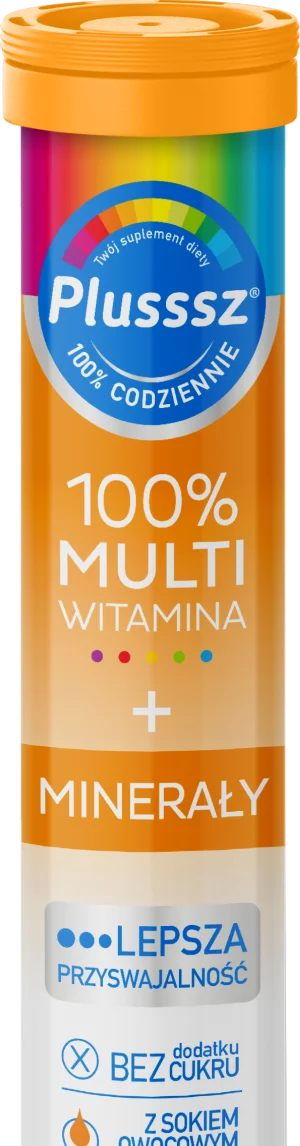
The Plusssz women-specific multivitamin formulation is built around exactly these distinctions. The women's formula prioritises higher iron alongside folic acid and iodine, reflecting the physiological demands of active women whose iron losses through menstruation and exercise consistently outpace what a generic supplement can address. For active women using Plusssz electrolyte hydration products around training, pairing those with the women's multivitamin creates a complementary daily protocol: electrolytes address in-session hydration and mineral losses during exercise, while the multivitamin closes micronutrient gaps on a consistent daily basis including the iron component that endurance training steadily erodes.
Where competitors in the UK electrolyte space such as Science in Sport and High Five focus primarily on carbohydrate fuelling and race-day performance products, Plusssz's positioning around daily micronutrient support and improved nutrient assimilability makes it a more practical fit for addressing something like iron status, which is a chronic, daily nutrition challenge rather than a single-session problem.
Pro tip: If you are buying a multivitamin iron UK product and the label does not specify which form of iron is used (bisglycinate vs sulphate vs oxide), that is information worth seeking before you buy. Ferrous sulphate is widely available and cheaper to manufacture, but it causes more GI discomfort and absorbs less efficiently than chelated forms, which matters when you are trying to actually move your ferritin level.
Yes. A standard full blood count measures haemoglobin, but iron deficiency can significantly impair energy and performance in Stages 1 and 2 before haemoglobin drops. Ask your GP specifically for a serum ferritin test. A ferritin level below 35 µg/L indicates depleted iron stores even when haemoglobin reads as normal, and this alone is enough to cause the fatigue, heavy legs, and performance drop that many active women experience.
In practice, ferritin levels begin to respond within 4 to 8 weeks of consistent oral supplementation, but the performance and energy improvement often takes longer to fully materialise as the body rebuilds its iron stores and red blood cell production normalises. Research has shown meaningful improvements in endurance capacity across supplementation periods of 36 to 126 days. Expecting a dramatic result within two weeks is unrealistic and may lead you to abandon a supplementation approach that would have worked had you stayed with it.
For low-to-moderate doses found in a women's multivitamin, the risk is minimal. However, taking high-dose standalone iron supplements without confirmed deficiency is not advisable. Iron toxicity is a real risk at high doses, and excessive iron supplementation in women who are not deficient can cause GI problems and interfere with absorption of other minerals including zinc. Get a ferritin test first, then dose appropriately based on the result.
Running carries a particular risk because of foot-strike haemolysis, the mechanical destruction of red blood cells that occurs with repeated impact on hard surfaces. High-volume runners also generate a stronger inflammatory response that raises hepcidin levels more frequently, suppressing iron absorption on a regular basis. This makes distance runners, particularly women doing high weekly mileage, one of the highest-risk groups for iron deficiency fatigue.
Electrolytes and iron serve different physiological functions, so electrolyte supplements do not replace iron. However, electrolyte depletion and iron deficiency can produce overlapping symptoms including fatigue and reduced performance, and both are common in active women training regularly. Using an electrolyte product consistently to maintain hydration and replace minerals lost through sweat addresses one component of fatigue, while a women-specific multivitamin with iron addresses the iron component. The two work as a complementary pair rather than substitutes for each other.
Red meat, liver, dark poultry meat, and shellfish provide haem iron that absorbs efficiently. For plant-based athletes, lentils, tofu, dark leafy greens (especially spinach and kale), pumpkin seeds, and fortified cereals provide non-haem iron. The absorption rate of non-haem iron increases significantly when consumed alongside vitamin C-rich foods such as citrus, bell peppers, or tomatoes. Conversely, calcium-rich foods, coffee, and tea consumed at the same time as an iron-rich meal or supplement can suppress absorption, so timing these apart from iron intake is worth the effort.
Have you noticed a connection between your training fatigue and iron levels? Share your experience in the comments, or tell us what signs first made you investigate your iron status.