Selenium and thyroid function in athletes is a topic that keeps resurfacing in UK training circles, and it is easy to see why. Selenium is a trace mineral most people never think about, yet it sits inside the enzymes that help the thyroid make and handle its hormones. For active adults, the real question is not whether selenium matters. It is whether it matters enough to change what you take, and whether a multivitamin is a sensible way to cover it. This guide sets out what the research supports, where athletes tend to go wrong, and how to decide without guessing.
Key Insight |
Explanation |
|---|---|
Selenium is a thyroid-specific nutrient, not a sports electrolyte |
It is built into selenoproteins that help the thyroid convert hormones and protect the gland from oxidative stress. Sweat losses are not the main concern, so a hydration drink will not top it up. |
Most varied diets already supply it |
Plant foods are the major dietary source, and animal proteins, nuts and seeds add more. Routine supplementation is rarely needed unless your intake is restricted or unknown. |
Fatigue has many causes |
Under-fuelling, poor sleep and overtraining can mimic an underactive thyroid. Persistent symptoms deserve a GP appointment and a blood test, not a guessed supplement. |
Hashimoto's evidence is promising but not settled |
Low selenium has been linked to Hashimoto's thyroiditis, and some studies suggest supplementation may slow progression. It is not a replacement for medical treatment. |
Graves' disease needs prescriber input first |
Short-term benefits alongside antithyroid drugs appeared in most studies, but long-term benefit is less clear. Anyone with an overactive thyroid should check with their prescriber before adding selenium. |
Add up your totals before you add a product |
Multivitamins, iodine products and single-mineral capsules can stack. Total your daily intake from everything you take before buying another product. |
Selenium is a micronutrient the body builds into a family of proteins called selenoproteins. In adults, the thyroid holds more selenium per gram of tissue than any other organ, according to a review of selenium and thyroid disease published in the International Journal of Endocrinology in 2017.

That concentration is not decorative. The same review notes that selenium is required for the thyroid's antioxidant defences and for the metabolism of thyroid hormones. Hormone production creates its own oxidative load, so the gland relies on selenium-dependent enzymes to keep working cleanly.
Deiodinases are selenium-dependent enzymes that remove iodine atoms from thyroid hormone. The thyroid mostly releases T4, and tissues convert some of it into the more active T3 using these enzymes. Without adequate selenium, that conversion may not run as efficiently, which is why selenium is discussed alongside energy levels and metabolism.
In practice, this means selenium is less a booster and more a component the thyroid needs to run its own machinery. A deficiency is the scenario where it matters, and that is much rarer in the UK than the supplement aisle suggests.
Selenium is not something you take for the thyroid in the way you take caffeine before a session. It is something the thyroid already needs to do its job.
Selenium levels depend on diet, geographic area and soil composition, as the same review points out. In the UK, the selenium in a vegetable or a piece of meat depends on the ground it grew in and what the animal ate. That is why two athletes eating similar meals can end up with quite different intakes.
Selenium gets mentioned in athlete circles partly for good reasons and partly because of marketing noise. Hard training raises oxidative load, and antioxidant enzymes are part of how muscles and the gut cope with that stress. Selenium-dependent glutathione peroxidases belong to that group. The logic is reasonable, but it is a chain of plausible steps, not proof that a healthy athlete needs extra selenium.
Sodium, potassium and magnesium are the minerals you lose in meaningful amounts through sweat, and they are what a good hydration product should address. Selenium is a different category. It does not sit in your sweat in any amount that matters for a training session, so a hydration drink will not top it up.
This is where the category confuses people. Our electrolyte products are built for fluid and mineral replacement during and after training. Selenium belongs to a separate conversation about your daily nutrient base, and it is best handled through food or a multivitamin rather than a sports drink.
A common mistake is treating selenium as a performance nutrient. Athletes who train hard usually eat a lot of protein and calories, which often covers selenium without any effort. The people who need a deliberate plan are those on restricted diets, those who eat very little animal protein, and those who rely on a narrow range of foods grown in the same area.
Anyone who has cut out a food group or who eats mostly from one supplier should check their intake rather than assume it is fine. A simple two-week food log is often enough to show whether selenium is a real gap or a non-issue.
Tiredness, slow recovery, feeling cold in the winter months and a stubborn plateau in performance can come from overtraining, under-fuelling, poor sleep or an underactive thyroid. The symptoms overlap so heavily that a training log alone cannot separate them. This is the trap many active adults fall into, especially in the darker months when everyone feels a bit flat.
Persistent fatigue that does not improve with rest, unexplained weight change, constipation, low mood, and changes to your cycle are all reasons to book an appointment. Do not start a selenium product to solve a symptom you have not had checked. Thyroid problems are usually confirmed with a blood test, and a GP can order one.
A practical tip: write down what you have noticed for three to four weeks, including training load, sleep, and any changes in appetite or temperature. Bring that list to the appointment, because it gives the clinician something concrete to work with.
Selenium itself is rarely tested as a routine check. An NHS trust micronutrient monitoring guideline advises checking selenium only if a patient has unexplained fatigue, anaemia, metabolic bone disease, chronic diarrhoea or heart failure. That narrow list is a useful reminder that a test result should guide a decision, not a shopping list.
Pro tip: If you are fatigued and training hard, ask for a full blood count and thyroid function test before changing your supplement routine. Changing several things at once makes it impossible to know what helped.
Hashimoto's thyroiditis is an autoimmune process in which the immune system produces antibodies that attack the thyroid over time. According to a July 2024 public summary from the American Thyroid Association, it is the most common cause of hypothyroidism in the United States. The same summary notes that women are roughly ten times more likely than men to develop it.
Low selenium has been associated with Hashimoto's, and some studies suggest selenium supplementation may help slow progression and the onset of hypothyroidism. The summary describes a systematic review of earlier studies that measured thyroid function markers in people with the condition. The honest read is that the evidence is suggestive, the studies vary in design, and the findings do not replace medical care.

If you already have a diagnosed Hashimoto's, selenium is a conversation for your GP or endocrinologist, not a stack you build yourself. Your clinician can check your levels, your antibody status and your current treatment before deciding whether a supplement adds anything.
If you have no diagnosis, the evidence does not justify taking high-dose selenium in the hope of protecting your thyroid. Eating a varied diet and getting your symptoms checked is a far better use of your time and money than buying a product that promises thyroid support.
Graves' disease is the opposite problem, where an overactive thyroid produces too much hormone. Symptoms can include weight loss, a racing heart, heat intolerance and anxiety. For athletes, these signs are easy to mistake for fitness, which makes them a real hazard, particularly when a resting heart rate creeps up over weeks.
Research on selenium in Graves' disease is more mixed. A 2024 review of selenium and Graves' disease by V. Fatourechi found that, in the short term, selenium added to antithyroid drugs showed benefit in most studies, but the long-term picture was less clear. That is a useful result for specialists, and it is a poor basis for self-treatment.
A product marketed for thyroid support can reach people with an overactive thyroid who are already taking medication. Anyone with Graves' disease should check with their prescriber before adding selenium, iodine or any multivitamin with thyroid-relevant ingredients. Interactions and dose stacking are the realistic risks here, not dramatic side effects.
In a clinic, these decisions are made with blood results in hand. At home, the safest default is to keep your routine simple and let your prescriber set the plan.
In UK clinical material, the most specific selenium dose I could verify appears in thyroid eye disease. An NHS Tayside guidance document states that selenium supplements at 200 micrograms daily are beneficial in improving symptoms of mild thyroid eye disease. That is a clinical decision made under specialist care, not general advice for athletes or for thyroid health in general.

The same number can mean something entirely different depending on the condition, the person and the other products they take. A dose that is sensible under a specialist's supervision can become a risk when it is added to a multivitamin, a protein powder and a second capsule without anyone adding it up.
Selenium has an upper limit, and it is easier to cross than most people assume once several products are involved. The practical lesson is to read labels and track totals, not to chase a higher number because someone online has suggested it.
For most active adults in the UK, the practical choice comes down to three routes. Each one has a different job, and the right answer depends on your diet and how much you can verify about your intake. The table below sets them side by side.
Approach |
Strengths |
Watch-outs |
|---|---|---|
Whole foods from a varied diet |
Selenium arrives with protein, fibre and other nutrients, and there is little risk of overdoing it |
Intake varies with soil and sourcing, and it is hard to measure precisely without a food log |
Multivitamin with a stated selenium amount |
Covers small gaps in a predictable way, and is easy to fit into a daily routine |
Easy to double up with other products, and iodine or other minerals may add to the total |
Single-mineral selenium capsule |
Useful only when a clinician has identified a specific need and set the dose |
Highest risk of exceeding intake when used without a plan, and the least forgiving for guesswork |
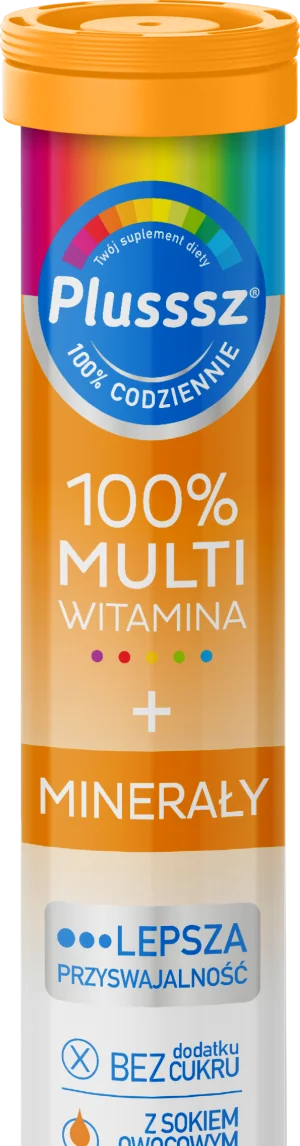
Look for the amount of selenium per daily serving, then check the form and the total. A label that lists a sensible daily amount is more useful than one that promises vague thyroid benefits. Our multivitamin complexes are designed for active adults, but the same rule applies to any product, including ours: compare the label with your food log before adding anything.
If you already eat Brazil nuts, count them. A single nut can contain a large share of a day's needs, but the amount swings widely depending on where the tree grew, so you should not rely on them as a fixed dose.
Plant foods are the major dietary source of selenium, and animal proteins, nuts and seeds add to that. For most people, a diet built around whole foods will do more for selenium status than any capsule. Supplements make sense as a backstop, not as the foundation.
Iodine and selenium are the pair most often bought together, and they are not interchangeable. The NHS notes that iodine helps make thyroid hormones, and that taking 0.5mg or less a day of iodine supplements is unlikely to cause harm. That is a reassuring figure, but it only holds if the rest of your intake is accounted for.
The real problem is stacking. A multivitamin, an iodine product, a kelp supplement and a selenium capsule can add up quickly, and each label looks modest on its own. Stacking trace minerals is the mistake I see most often among people who are trying to be thorough.
The trap is assuming that a little extra of a thyroid-linked nutrient is harmless and possibly helpful. Thyroid hormone production depends on balance, and a supplement that corrects a gap can overshoot if it is added to other products. A simple check is to list every product, note the daily amount of iodine and selenium in each, and add them up.
Pro tip: Take a photo of every supplement label you use and write the daily selenium and iodine amounts on a single sheet. If the total looks higher than you expected, drop the duplicate before you change anything else.
Consistency matters more than timing for most trace minerals. Pick one routine, keep it for several weeks, and review it with your GP if symptoms persist. Switching products every month makes it impossible to tell what is working, and it makes it easy to double up without noticing.
Most active adults who eat a varied diet with some animal protein, nuts or seeds get enough selenium from food, so routine supplementation is rarely needed. People on restricted diets, or those whose intake is unknown, may benefit from a check with a GP or dietitian before starting anything.
No. Hypothyroidism is treated with prescribed hormone replacement when it is needed. The evidence for selenium in Hashimoto's is suggestive rather than a substitute for medical care, and it should be discussed with your clinician.
For many people, a multivitamin with a sensible daily selenium amount covers a small gap. Check the label, add up intake from other sources, and avoid doubling up with a second selenium product.
Routine selenium testing is not generally advised. An NHS trust guideline recommends checking only where there is unexplained fatigue, anaemia, metabolic bone disease, chronic diarrhoea or heart failure, so talk to a clinician if any of those apply.
Check with your prescriber before adding any supplement while you are on thyroid medication. This matters most if you have Graves' disease, where the evidence is mixed and treatment is specialist-led.
Often yes, in modest amounts, but you need to check the total. The NHS notes that 0.5mg or less a day of iodine supplements is unlikely to cause harm, yet combined products can push your daily totals higher than you intended.
Have you noticed selenium coming up in your own training or thyroid conversations, and what did your GP or coach make of it?