If you have spent a week with flu, a fever or a stubborn stomach bug, your body has lost more than fluid. Sodium, potassium and magnesium leave with it, and most people in the UK walk back into training assuming a few glasses of water will fix the problem. It usually does not. Electrolytes after illness need a deliberate rebuild, and getting that rebuild right decides whether your first session back feels like training or like a slow collapse. Here is how we think about it, what to drink first, and when to step back into hard work.
Key Insight |
Explanation |
|---|---|
Fever, vomiting and diarrhoea all count as electrolyte losses |
Sickness drains sodium, potassium and magnesium even when you are not exercising, so treat recovery as a rebuild. |
Water alone rarely restores what you lost |
Plain water dilutes your sodium further. Pair fluids with salt and food so your body can hold on to what you drink. |
Sip little and often in the first day or two |
A large volume at once can sit badly on an unsettled stomach. Small, regular amounts are easier to keep down. |
Judge readiness by resting heart rate and effort, not the calendar |
Return when you feel normal at rest and an easy warm-up feels ordinary, rather than after a fixed number of days. |
Keep the first session short and easy |
Cut duration and intensity noticeably for the first week back. Stop if dizziness or nausea returns. |
Check labels for sugar and sodium before buying |
Sugar-free formulas suit most people, but confirm the sodium per serving matches how much you lost. |
Illness takes electrolytes out of the body through several routes at once. Cleveland Clinic notes that fever, diarrhoea and vomiting can all pull electrolyte levels down, and that dehydration usually travels with that loss. Most people think of sweat as the main culprit, but sickness is often the bigger drain.
The routes differ, and that matters for how you rebuild. Vomiting and diarrhoea remove fluid and minerals from the gut quickly, while a fever makes you sweat even when you are lying still under a duvet. Each one leaves you short of sodium, potassium and magnesium in a slightly different balance, which is why a single generic drink rarely fixes everything.
Many people treat a fever as a sweat problem and forget the rest of the illness. Reduced eating and drinking mean you take in fewer electrolytes at exactly the moment you are losing them. Cleveland Clinic lists muscle cramps, headaches, brain fog and a general feeling of being unwell as common results of this imbalance.
In practice, the first session back often exposes the gap. Legs that felt fine on the sofa cramp by the second interval, and a mild headache turns into a grey, flat hour on the bike. Those symptoms are your cue to rebuild before you push, not to grit your teeth.
Ohio State's sports dietitians describe tiredness, brain fog, nausea and dizziness as signs that the body has lost too many electrolytes and fluid. Those same symptoms can appear for other reasons, so treat them as a prompt to slow down and check. If dizziness comes on when you stand, stop and rest.
The first drink after a bad day of illness should be easy to keep down, not the most impressive product on the shelf. Start with fluids you can tolerate, then add electrolytes once your stomach settles. The goal is to restore balance gradually, not to chase numbers on a label.
A large glass taken in one go can trigger the very nausea you are trying to avoid. Small, regular sips over an hour or more are easier to keep down and give your gut time to absorb what it receives. If you are still vomiting, wait until the worst has passed before trying anything beyond tiny amounts.
Ohio State's sports dietitians note that water alone is not enough for rigorous exercise, especially in heat or humidity. The same logic applies after illness. Large volumes of unsalted water can dilute the sodium in your blood, and the fluid may pass through your system faster than you want. Water is still essential, but it works best when food and a small amount of sodium come with it.
Sodium is the main electrolyte people lose in sweat, and Ohio State dietitians describe it as the key mineral to replace in a drink. Illness losses are not the same as sweat losses, but sodium still tends to lead the list. Broths, lightly salted crackers and oral rehydration products are typical ways people get it back. Check the label on your electrolyte product for sodium per serving rather than trusting the flavour name.
Rehydrating after illness is a timing problem as much as a quantity problem. Replace what you lost while your gut can take it, rather than waiting until you have already crashed.
Pro tip: For the first 24 hours after symptoms stop, write down what you drank and when. That record gives a GP something concrete to look at if symptoms return, and it stops you guessing at your next step.
If you cannot keep fluids down for a day, feel faint on standing, or notice blood in your vomit or stools, contact a GP or call NHS 111 rather than relying on any drink.
Food does more of the work than most powders. Johns Hopkins sports medicine guidance notes that electrolytes, especially sodium, are crucial for muscle, nerve and organ function, which is why replacing them matters during extended or intense activity. After an illness you will rarely want a big meal, so the focus should be on small portions that carry several minerals at once.
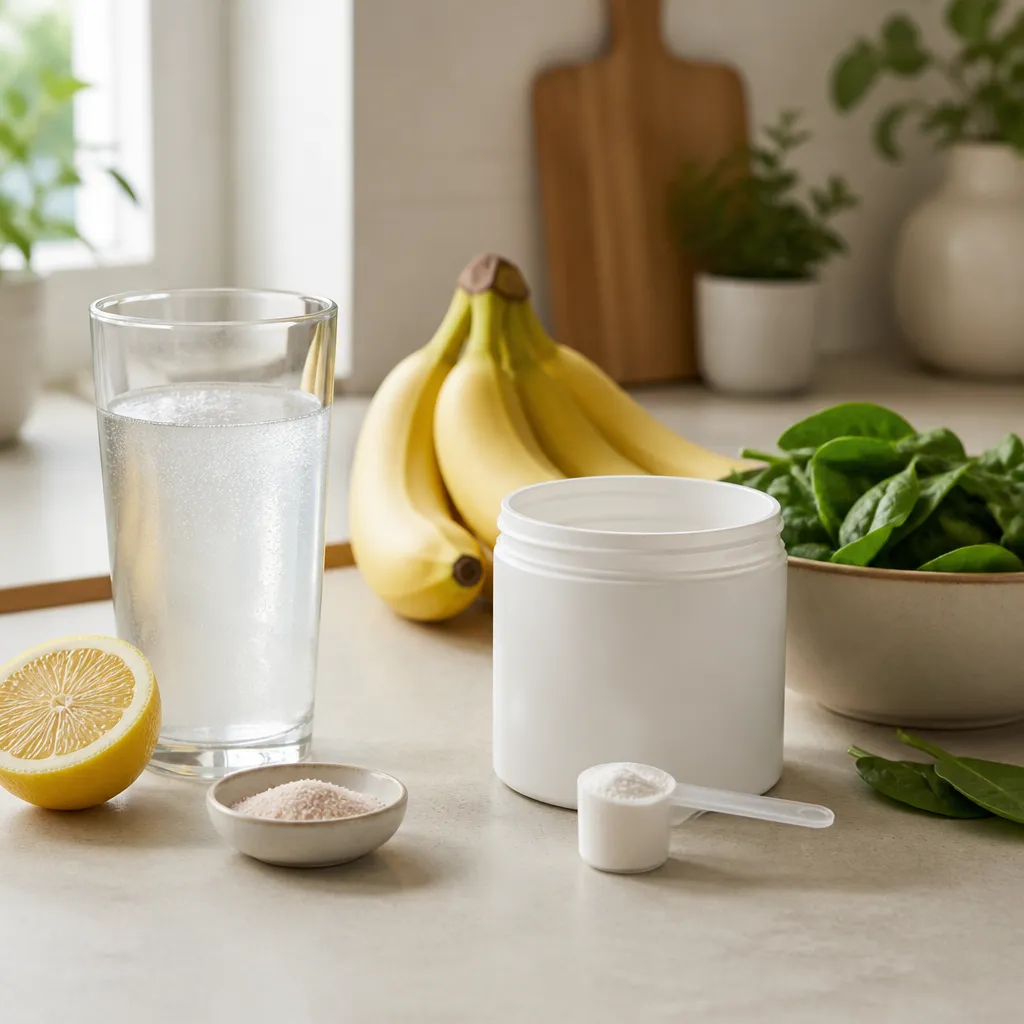
Broth, soup and plain toast with a little butter bring sodium back without overwhelming a sensitive stomach. Bananas, potatoes and yoghurt supply potassium, while beans, lentils and wholegrains contribute magnesium. Pick two or three of these across the day rather than one large plate, especially in the first few days after your appetite returns.
Many people crave sweet food and fizzy drinks first. Those feel comforting, but they do little for sodium and potassium, and a sugary drink can make a queasy stomach worse. Aim for savoury food early, and save the sweet treats until your normal eating pattern is back.
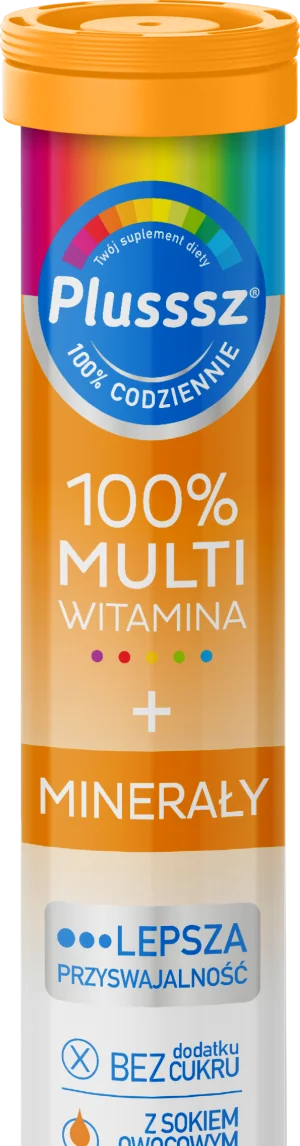
A multivitamin complex can help fill gaps across a varied diet, including options from Plusssz UK, but it is not a substitute for food during recovery. Treat it as background support once you are eating normally, not as the thing that restores your electrolytes on day one.
The most common mistake is the restart that goes too hard, too soon. People feel better by Tuesday, book a hard interval session on Wednesday, and spend the weekend back in bed. A return to training should be staged, and the first session matters far less than the week that follows.
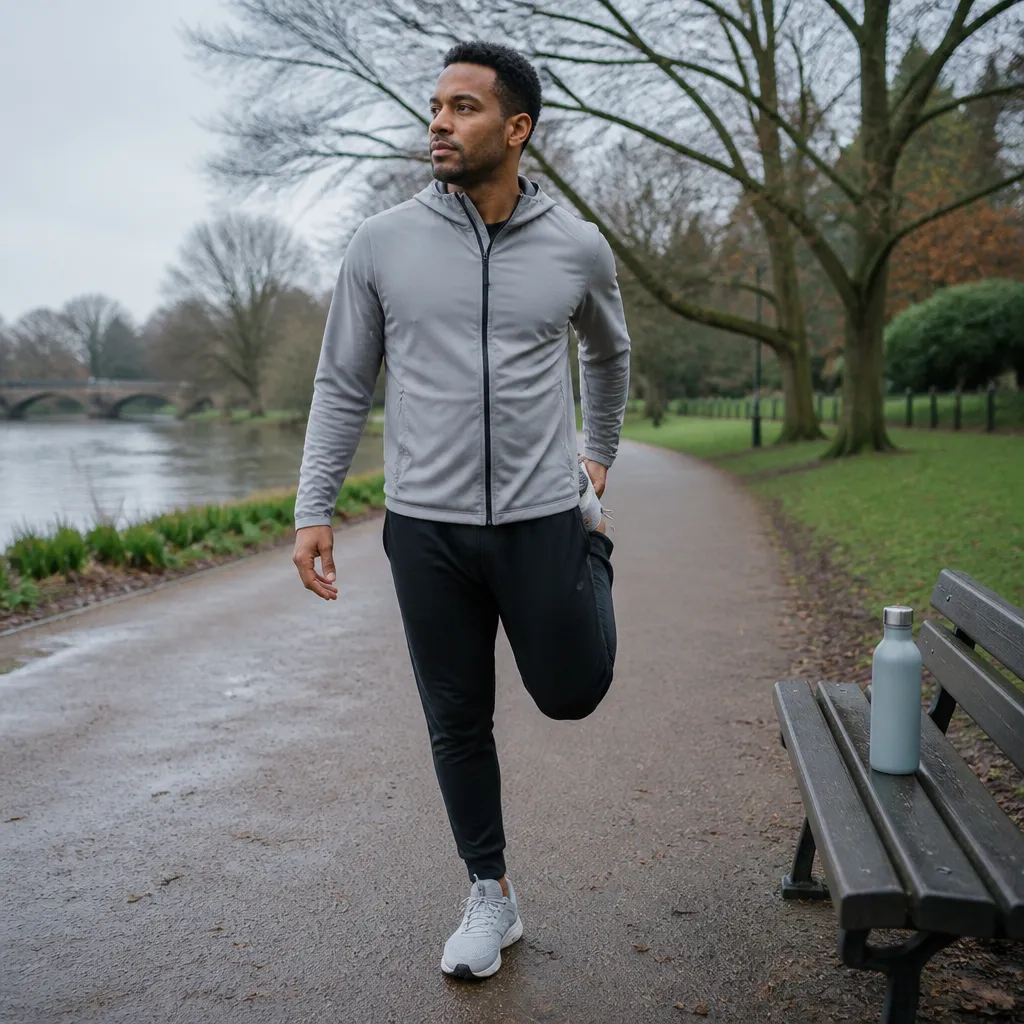
Before you train, check how you feel at rest and during a gentle warm-up. If your resting heart rate is still above your normal baseline, or an easy jog feels like hard work, you are not ready for intensity. Use your own usual numbers as the benchmark rather than a fixed calendar date.
Choose a session you could hold a conversation through, and cut its duration and intensity for the first week. A short, steady session beats a planned hour that leaves you flat for three days. Stop if dizziness, nausea or a fresh headache appears, and treat that as information rather than a challenge.
Most people focus on what they drink mid-session and forget the hours before and after. Start the session already hydrated through meals and fluids across the day, then rehydrate afterwards with food and an electrolyte drink if you sweated heavily. Urine colour is a simple check: pale yellow suggests you are on track, while dark yellow means you need more fluid.
Pro tip: Plan your first two sessions back as easy efforts, and treat the third as the real test. If it goes well, you have a sound base to return to normal training.
Once you are eating and drinking normally, a supplement can help close the gap. The question is which format suits your stomach, your schedule and your training. UK shoppers face a crowded market, so the label is where you should start.
Ready-to-drink sports drinks are convenient, but they can carry a sugar load you do not need if you are not training hard. Powders and tablets let you control concentration, which helps if you want a gentler drink early on. Our electrolyte hydration range is built around no added sugar, so you get sodium, potassium and magnesium without extra sweetness on a stomach that is still settling.
Look for the sodium amount per serving, the presence of potassium and magnesium, and the sugar content in grams. Compare the sodium figure with how much you lost to illness or sweat, and avoid anything that promises to cure a bug. Check with your GP or pharmacist first if you take medication, have kidney or heart conditions, or are pregnant.
Approach |
Best For |
Watch Out For |
|---|---|---|
Food and plain water |
Mild illness with appetite returning |
Slow to restore sodium after significant losses |
Hydration tablets or powders |
Controlling strength and returning to light sessions |
Mixing too strong a dose on an unsettled stomach |
Ready-to-drink sports drinks |
Hard sessions once you are fully recovered |
Added sugar, and cost if used with every meal |
In practice, I use food and water first, a measured powder for light sessions, and a ready-made drink only when the training is genuinely hard. Matching the format to the session is more useful than picking the most popular product.
Most recovery problems come from a handful of predictable habits. They are easy to avoid once you know what to look for.
Returning at full intensity after a fever is the fastest route to a relapse. Your body is still recovering, and hard intervals ask a lot of it. Build back over several sessions, and let your effort rather than your plan decide the day.
Chugging a litre of sports drink after a session does not undo a day of poor intake. Spread fluids and electrolytes across the day, and eat a proper meal within a few hours of training. Small, steady intake works better for most people than a single large dose.
No drink or tablet shortens an infection or replaces the rest your body needs. Electrolyte products help with fluid and mineral balance, and that is all they should be asked to do. If symptoms persist or worsen, see a GP rather than adding another product.
Pro tip: Check how you feel the morning after your first planned session back. A headache, unusual fatigue or low appetite means you should drop back a stage, not push through.
A good return plan has stages, and each stage has a clear test before you move on. Keep notes on how you felt, how much you drank and how each session went. The notes matter more than the plan itself, because they show you when you are genuinely ready.

Use the first week to rebuild routine rather than fitness. Two easy sessions, a rest day and one moderate session is a sensible shape for many people. Keep electrolyte intake steady across every day, not only on training days.
Rest days show you whether you rushed. If your sleep, appetite and mood have settled, you are probably on track. If you feel worse on a rest day than on the day before, scale back and try again later in the week.
Reintroduce intervals or heavy lifting only after several easy sessions feel ordinary. Add intensity gradually, and keep at least one rest day each week until your normal routine feels stable. When hard work feels like hard work rather than a battle, your hydration plan is probably doing its job.
There is no single number that fits everyone. Wait until you feel normal at rest, your appetite is back, and an easy warm-up feels ordinary. If symptoms return during or after training, rest, and see a GP if they persist.
Many people recover well with regular meals and water, especially after a mild bug. A drink is more useful after significant losses or when you are returning to hard sessions. Ohio State dietitians note that people who are not training intensely probably do not need electrolyte drinks.
For most healthy adults, a sugar-free formula is a sensible choice because it delivers minerals without extra sugar. If you have diabetes, a digestive condition, or you are unsure, check with your GP or pharmacist before starting a new product.
A multivitamin can help fill nutritional gaps once you are eating a varied diet again. It does not replace fluid, food or rest during the acute phase of an illness. If you take regular medication, ask your pharmacist about possible interactions before starting any supplement.
Dark urine, dizziness when you stand, persistent headaches and unusual tiredness are common signals. If you cannot keep fluids down, feel faint, or notice blood in your vomit or stools, contact a GP or call NHS 111 rather than relying on a drink.
We would love to hear what helped you rebuild your hydration after your last illness, and what you would do differently next time.