Bonfire night in the UK usually means standing in a field in cold, damp air, a cup of something hot in your hands, watching the sky for an hour or two. Then you walk back in the dark, often further than you expected, and wonder why you feel flat the next morning. For anyone trying to keep fit through the autumn, Guy Fawkes fitness in the UK is less about the fireworks and more about what you drink and eat around them. Cold weather hides fluid loss, late dinners disrupt sleep, and a few drinks blur your judgement. Here is how we would plan the evening, from the first hot drink to breakfast the next day.
Key Insight |
Explanation |
|---|---|
Thirst arrives late in the cold |
Cold air dulls the urge to drink, so set a simple schedule for fluids rather than waiting to feel thirsty. |
Salt matters as much as water |
Long hours outdoors and any sweating cost sodium, so plain water alone may not fully rehydrate you. |
Eat a real meal before you leave |
A proper meal with carbohydrate and protein before the fireworks beats relying on sweets from a stall. |
Keep added sugar out of your electrolytes |
Many hot drinks and sports drinks carry sugar you do not need after a night spent standing still. |
Late snacks should be small and simple |
Eating close to bedtime is fine if portions stay modest and you choose easy-to-digest protein and carbohydrate. |
Pace alcohol with water |
Alcohol and mulled drinks make it harder to judge how much fluid you have had, so alternate each drink with water. |
A night out on 5 November is not a training session, but it places a specific load on the body. You stand outside for an hour or two in cold, damp air, you may walk a long way over uneven grass, and the evening often runs later than your usual routine. This year, 5 November falls on a Thursday, so plenty of people will be heading into work or training the next morning on a short night.
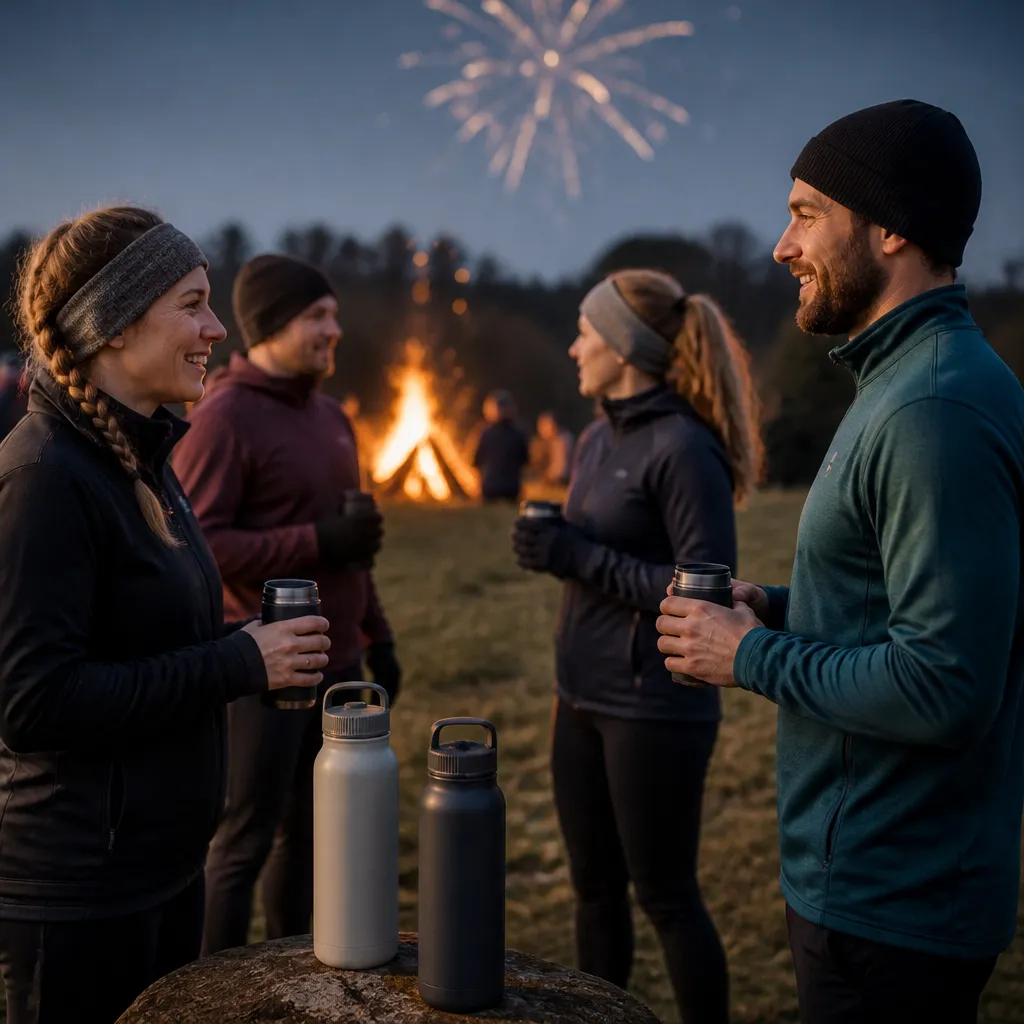
The combination creates three problems. Cold reduces the sensation of thirst and makes sweat less obvious, so fluid loss goes unnoticed. Meals get pushed around too: people graze on crisps and sweets at six, then eat something heavy at ten. Alcohol and hot drinks, meanwhile, make it hard to judge how much you have actually had.
In practice, the people who recover well after a late outdoor evening are not the ones with the most expensive kit. They plan three things in advance: how they will drink, when they will eat a proper meal, and what they will have before bed. Everything else is secondary.
A common mistake is treating the night as a write-off. One late evening will not undo a training block, but repeated patterns of skipped meals and under-hydration will show up in how you feel in the gym or on the pitch a few days later. Treat 5 November as a single event to manage, not a reason to abandon your routine for the week.
Pro tip: Write down your plan for the evening before you leave, even if it is only three lines on your phone. Having a fixed plan makes it far easier to stick to it once the mulled wine arrives.
Dehydration is usually associated with heat, which is why many people assume it does not apply to a November evening. That assumption is the trap. The UK Health and Safety Executive makes the point clearly in its workplace guidance: thirst is not a good indicator of dehydration, and by the time you feel thirsty, the effects have already started. Cold weather does not change that physiology, it just makes the signal easier to ignore.
When you are wrapped in layers and standing still, you do not feel hot and sweaty in the way you would after a run. That means you lose fluid through breathing, sweat that evaporates quickly, and urine, without the usual cue to drink. The result is a person who feels fine at 7pm and noticeably drained by 11pm.
The same guidance suggests that people working hard in heat should drink around 250 ml every 15 minutes. That figure was written for heat stress, not for a cold field, so use it as a sense check rather than a target. What it tells you is that frequent, small sips work better than one large drink at the end of the evening.
Our approach is to keep fluid moving steadily rather than chasing a number. Have a glass of water before you leave the house, then take a few sips every 20 to 30 minutes while you are out. The NHS advice on daily fluid intake, which is around 6 to 8 cups or glasses a day for most adults, is a useful baseline for the whole day rather than just the night.
A practical rule: if your urine is dark when you get home, you have not drunk enough across the day. If it is pale and you have been sipping steadily, you are probably fine. Neither is perfect science, but both are easy to check without special equipment.
Plain water is the right choice for most people for most of the evening. The problem is that water alone does not replace the salts you lose when you sweat, and the HSE guidance notes that replacing sweat with water alone can still leave you dehydrated because of lost salt. That is where electrolyte drinks earn their place, particularly if you have been active before the fireworks, walked a long distance, or sweated under several layers.
Penn State Extension's cold-weather hydration guidance notes that sports drinks are generally only recommended after significant fluid loss or vigorous exercise lasting more than an hour. For a typical bonfire night, that means an electrolyte drink is most useful if you have trained, played sport or done heavy physical work earlier in the day, or if you know you will be outside and moving for a long time. Sipping one all evening because it feels like the sensible choice is not necessary.
This is the context in which our electrolyte hydration products make sense. They are designed for people who want to replace salts without a sugar load, which suits a night where you are already likely to be eating and drinking more than usual. Use them as a tool for specific situations, not as a replacement for a proper meal.
Many drinks marketed for hydration or energy contain more sugar than you need when you are not burning serious calories. After a long evening of standing still, a sugary drink adds to the total without helping much. Check the label for added sugar, and be wary of hot chocolate mixes and festive drinks that look healthy but are sweetened heavily.
Pro tip: If you are buying a drink at the event, ask yourself whether you would drink it at home on a normal evening. If the answer is no, bring your own bottle with an electrolyte sachet and skip the sugary option at the stall.
The most useful thing you can do for your recovery happens before you leave the house. A meal eaten two to three hours before the fireworks gives your body time to digest and means you are not relying on crisps and toffee apples to keep you going. Think of it as the foundation for everything else.
Aim for a plate that combines carbohydrate, protein and some vegetables. Rice or potatoes with chicken or lentils, a wrap with eggs or tofu, or wholewheat pasta with a tomato and bean sauce all work well. The carbohydrate helps replenish energy, the protein supports muscle repair, and the vegetables add fibre and fluid. A recovery nutrition guide that outlines four keys, carbohydrate, protein, fluid and salt, is a useful checklist for this kind of meal.
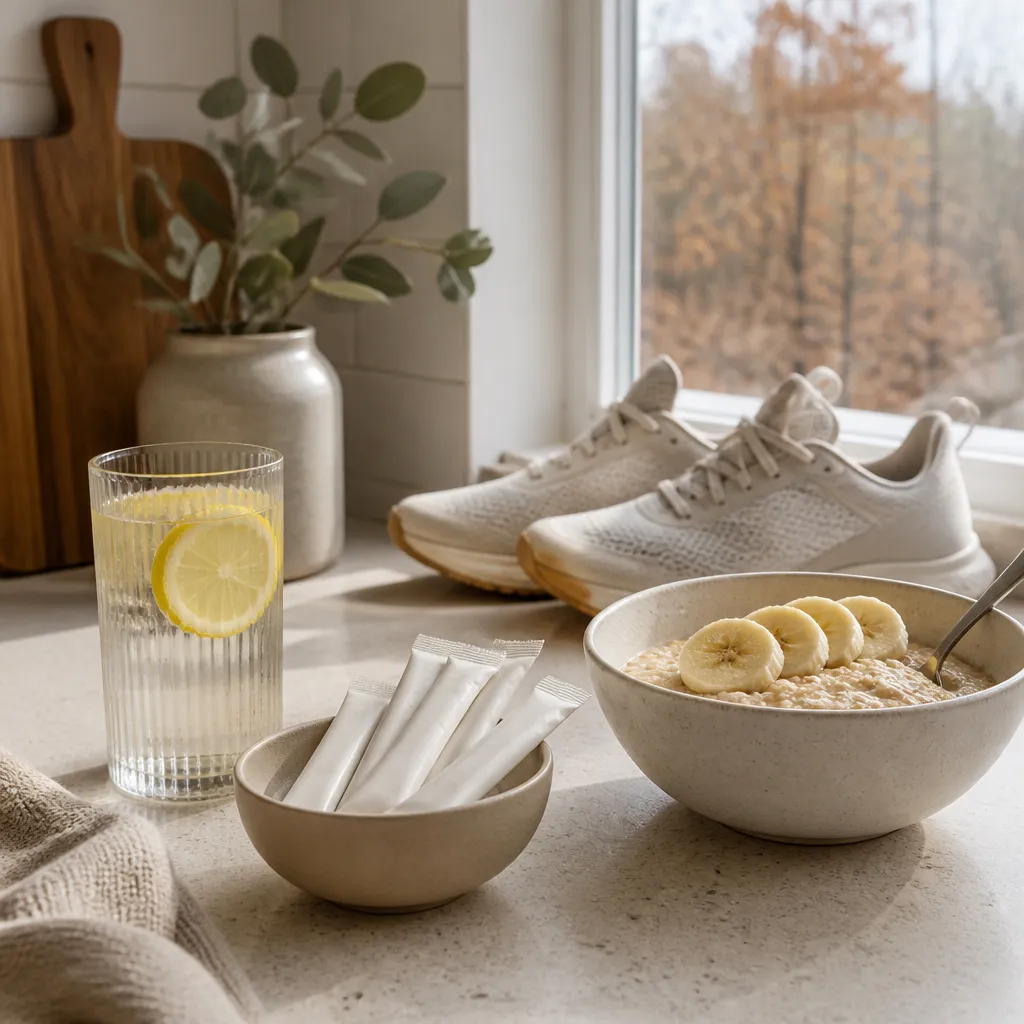
If you know the walk back will be long, carry a small snack that is easy to eat in the cold. A banana, a cereal bar with a reasonable sugar level, or a small pot of yoghurt will do. Avoid anything that requires cooking or lots of chewing, because your appetite often disappears in the cold and you will be tempted to skip it. Keep it in an inside pocket so it does not freeze.
During the fireworks itself, you do not need to eat much. Small sips of water and a snack if you feel hungry are enough. Save the heavier food for when you are home and sitting down.
Late evenings make recovery harder because they compress the time you have to eat. A 2017 review of recovery nutrition for elite soccer players noted that night games limit the time available to consume recovery nutrients before sleep. The same logic applies to a bonfire night that ends at 11pm, when you may only have a short window before bed.
The answer is not a heavy meal at midnight. It is a small, sensible snack that combines protein and carbohydrate. Greek yoghurt with berries and a little granola is a good example, as is a slice of wholegrain toast with a boiled egg or a glass of milk. These are small enough not to disturb sleep but substantial enough to support overnight repair.
Keep portions modest and avoid very large amounts of fat or spice close to bedtime, which can make sleep lighter. If you have been drinking alcohol, a bland option like toast or yoghurt is usually easier on the stomach than anything rich.
Recovery is mostly the sum of ordinary meals eaten at sensible times. One clever late snack will not compensate for a day of skipped food and poor fluid intake.
The morning after is where the plan pays off. Eat a breakfast with carbohydrate, protein and fluid, and do not skip it because you feel rough. A bowl of porridge with milk and fruit, or eggs on toast with a glass of water, covers the basics. If you are training that day, keep the session lighter than usual and let your body catch up.
Almost every bonfire night involves at least one hot drink and very often a few alcoholic ones. Neither is a disaster in moderation, but both change how your body handles fluid, and both are easy to overdo when you are cold and having fun. UKHSA's hot weather advice recommends limiting caffeine and alcohol when you are trying to stay well, and the same principle applies to a cold evening: keep these drinks in check so you can judge your fluid intake properly.
Mulled wine, mulled cider and hot chocolate are all tempting on a cold field, and they are also heavy on sugar and, in the case of mulled drinks, alcohol. Treat them as occasional treats rather than the main source of fluid. If you have one, follow it with a glass of water so the drink does not become your only intake for the evening.
Alcohol increases fluid loss through urine and makes it harder to tell how much you have drunk. A practical approach is to alternate each alcoholic drink with a glass of water, keep the total number of drinks low, and stop early enough to eat a proper meal. Hangovers are not a recovery strategy, and they will cost you a training day that you could have kept.
Caffeine is a separate question. A strong coffee or energy drink late in the evening can make it harder to sleep, which undermines the recovery you are trying to support. If you need something warm after 8pm, choose a decaffeinated option or herbal tea.
Most people do one of three things the morning after a late night outside. The table below compares them honestly. The best option depends on how much fluid and salt you lost, how much you ate, and whether you are training that day.
Approach |
Best for |
Main drawback |
|---|---|---|
Water and a normal breakfast |
Light evenings with modest alcohol and no strenuous activity |
May not fully replace salt lost after long hours outdoors or heavy sweating |
Electrolyte drink with no added sugar plus breakfast |
Long evenings outdoors, sport earlier in the day, or a long walk home |
Unnecessary if you ate well and drank steadily, so it is not needed every time |
Sugary sports or energy drink |
Very little, unless you need fast carbohydrate during long exercise |
Adds sugar you do not need after a night of standing still, and can mask how much you have drunk |
For most people, the middle option is the most useful when the evening was genuinely demanding. The first is perfectly good for a relaxed night, and the third rarely makes sense outside sport. The real skill is matching the approach to the actual evening rather than defaulting to the same routine every time.
The biggest mistake we see is relying on a single late decision to fix a day of poor choices. People skip lunch, drink two coffees and a glass of wine, then try to eat a large dinner at 10pm and wonder why they sleep badly. Recovery works best when the whole day is reasonable, not when one meal is perfect.
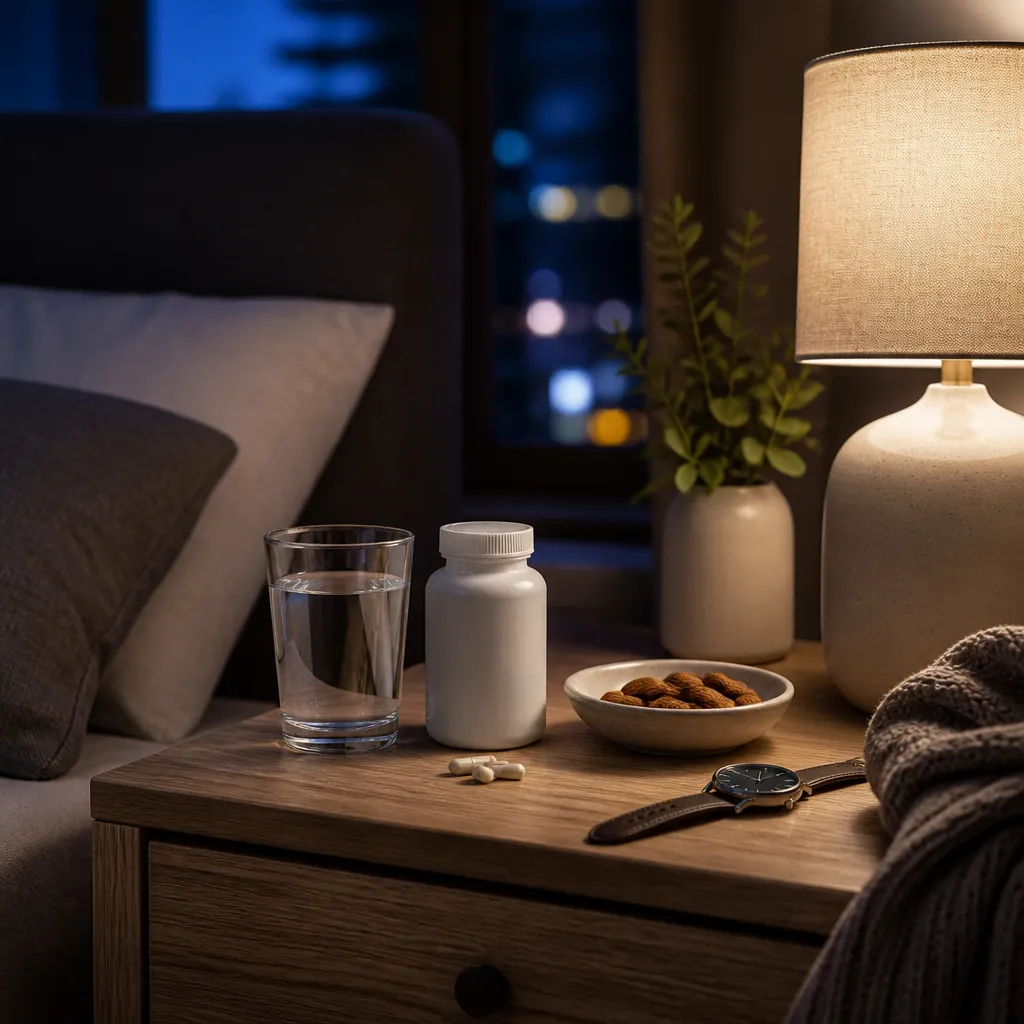
Another frequent error is ignoring the cold itself. Standing still in the cold can leave you stiff and tired, and some people reach for a large meal to warm up. A warm, simple meal and some movement when you get home work better than a heavy plate eaten in front of the television.
Finally, do not confuse feeling full with feeling recovered. A large amount of food late at night can leave you uncomfortable without giving your body what it needs. Aim for the right ingredients in sensible portions, then let the night end.
Pro tip: Set an alarm for 10am on the day after to check how you feel. If you are light-headed or unusually tired, drink water with a meal, eat something with carbohydrate and protein, and delay any hard training until the afternoon.
Usually not. For a relaxed evening with a normal meal beforehand, water is enough for most people. An electrolyte drink makes more sense if you have trained or worked hard earlier in the day, sweated heavily, or will be outside and walking for several hours.
Cold weather reduces the thirst signal and sweat often evaporates before you notice it. You also lose fluid through breathing and urine, so the drop can be gradual and easy to miss. Regular small sips help you stay ahead of it.
A small snack combining protein and carbohydrate works well, such as Greek yoghurt with berries, or wholegrain toast with an egg. Keep the portion modest so it does not disturb your sleep.
Moderate alcohol is fine for most adults, but it increases fluid loss and makes it harder to judge how much you have drunk. Alternate each alcoholic drink with water, eat a proper meal, and avoid training hard the next morning if you feel unwell.
Choose a breakfast with carbohydrate, protein and fluid, such as porridge with milk and fruit or eggs on toast with a glass of water. Do not skip the meal because you feel rough, since skipping it usually makes recovery slower.
Tell us how your own bonfire night recovery went this year and what you reached for when you got home, because the routines that work best are usually the ones people have tested themselves.