Ask most runners or gym regulars in the UK when they get thirsty and they will say summer. Yet autumn is when many people quietly underdrink. Cold air, grey skies and a damp jacket make sweat feel like it is not happening, so the bottle stays in the bag. The result is a session that feels harder than it should, followed by a headache or a flat recovery. Cold weather hydration in the UK is less about warmth and more about recognising how much fluid and salt you lose when you cannot see it. This guide explains why autumn sessions cost more fluid than they seem to, and how to plan for it.
Key Insight |
Explanation |
|---|---|
Visible sweat is a poor guide to fluid loss |
Layers and cool air evaporate or absorb sweat before you feel wet, so judge your intake by the session length, effort and how you feel afterwards. |
Run your own sweat test |
Weigh yourself before and after a typical session, record what you drank, and repeat it across several sessions to find your personal number. |
Thirst lags behind need |
Cold exposure tends to blunt the urge to drink, so set a sipping schedule instead of waiting to feel thirsty. |
Sip every 15 to 20 minutes on longer sessions |
Small, regular sips over a long run or session are easier to keep up with than one large volume, and they avoid a sloshing stomach. |
Use electrolytes for longer or heavier sessions |
Water covers short, moderate efforts, but salt loss adds up over an hour or more of hard work in layers. |
Rehydrate with food as well as fluid |
A meal with some salt and carbohydrate helps you hold on to what you drink, which matters after a dark morning session. |
Sweat is not a feeling so much as a cooling system, and in autumn it rarely announces itself. In summer you feel wet, your shirt clings and your face goes red. On a damp October run with a windproof on, sweat evaporates quickly or soaks into a base layer, and you may never notice how much you have lost.
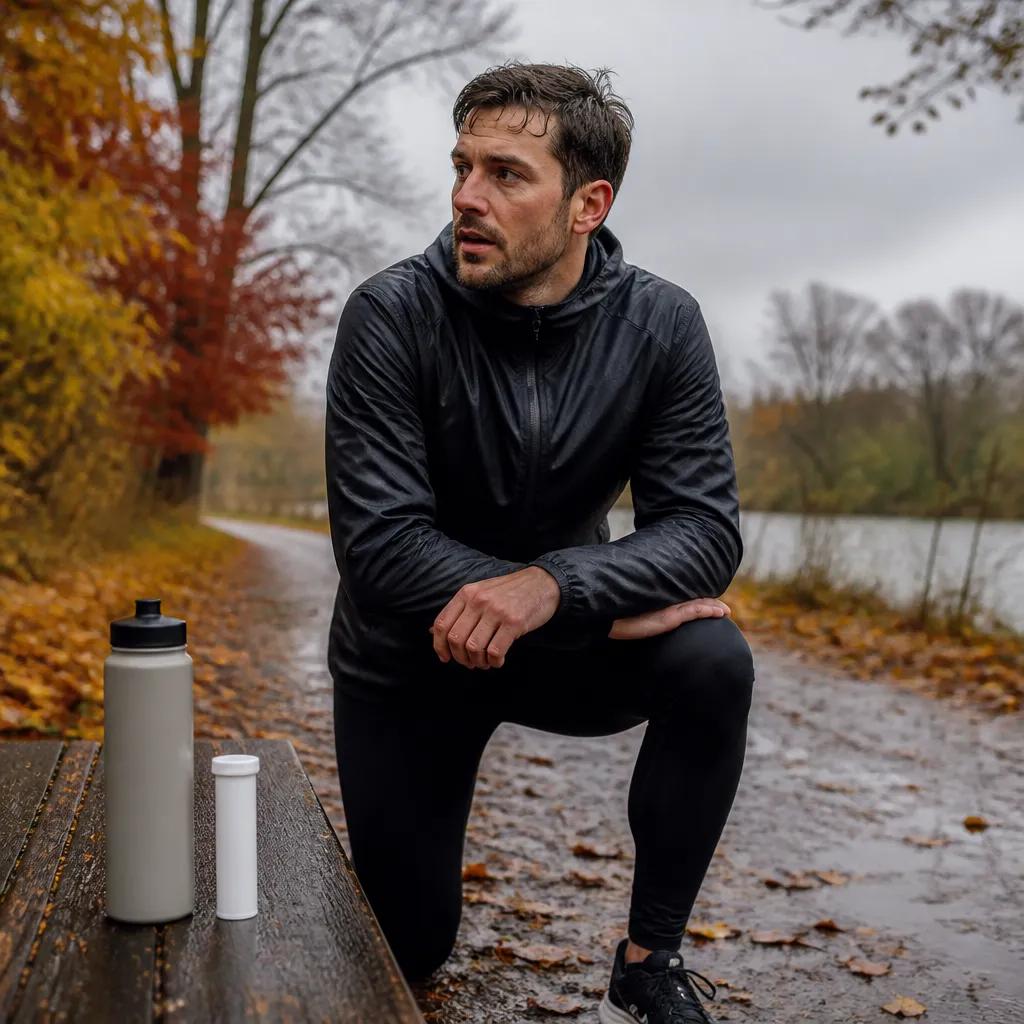
Many people use the lack of drips as a measure of effort. That is a mistake. Layers trap sweat against the skin, so you can lose a meaningful volume of fluid before anything obvious tells you to stop and drink.
Autumn also brings a shift in training. Sessions move indoors, start earlier or later, and often get longer as people build fitness before winter. Each change adds fluid demand without adding the visual cue most people rely on.
Autumn hides sweat, not fluid loss. If you judge your intake by how wet you feel, you will almost always underdrink.
In practice, visible sweat is a poor gauge of fluid loss, especially once temperatures drop. Judge your intake by session length, effort level, how your head and legs feel afterwards, and the weight change you record over time. A damp T-shirt tells you very little.
Sweat rate varies widely between people, which is why generic drinking advice rarely works. A simple way to estimate yours is to weigh yourself before and after a one-hour session, wearing similar clothing and drying off first. As a rough rule of thumb, each kilogram of body weight lost is close to a litre of fluid that needs replacing.
Guidance on winter hydration from DU Sport Sense makes a practical point: once an athlete knows their sweat rate, the goal is to practise a strategy that lets them drink as much fluid as they sweat. That means testing more than once. A cold, dry day and a mild, damp one produce different results, and you will only see the pattern across several sessions.
Repeat the test three or four times over a few weeks. Note the temperature, what you wore and how hard you pushed. Once you have a range, you can plan your bottle size and sipping schedule around a number you measured rather than one you guessed.
Hopkins Medicine notes in its dietitian Q&A that athletes can lose large amounts of fluid and sodium through sweat, and that dehydration can hurt performance. Sodium is the part most people forget in autumn, because they stop reaching for the salty snack they would have eaten after a summer run.
Salt loss shows up in a few familiar ways. You may see white marks on dark kit, notice a salty taste on your lips, or get cramp in the back half of a long session. Those signs matter more in cold weather, when you are less likely to recognise thirst as a warning.
Pro tip: Weigh yourself before and after a session wearing the same clothing, and towel off first. Log the change along with what you drank, then repeat the test across three or four sessions before you set a fluid target.
Thirst is driven by several signals, and cold exposure tends to dull the urge to drink. Many people feel less thirsty in winter even when their fluid needs have not dropped. The gap builds quietly over a week of training, and by the weekend you may feel flat without knowing why.
In practice, the people most likely to underdrink are the ones who train in the dark before work and feel no real desire for water at 6am. Their bodies are still losing fluid through sweat, breathing and, in some cases, a higher urine output after exercise in the cold. Waiting for a signal that is muted in the cold is the wrong strategy.
Cold weather can also increase urine output in some people, a response often described as cold-induced diuresis. You may pass more urine after a session and assume you are well hydrated when the balance is still negative.
Cold air holds less moisture than warm air, so every breath out on a chilly run carries away a little water from the airways. You will not feel this as sweat, but it adds to the total fluid balance across a long session. The effect is modest on a short jog and more noticeable on a long hill walk or a multi-hour ride.
Some people find very cold drinks hard to get down on a frosty morning, and that resistance means they drink less. Room temperature or lightly warm fluids tend to be easier to keep up with on a cold walk, so pick a temperature you will actually drink.
A workable plan starts before you leave the house. Split it into three checkpoints: before the session, during it, and after it. Keep each one simple enough to repeat on a Tuesday evening when you are tired and the light has already gone.
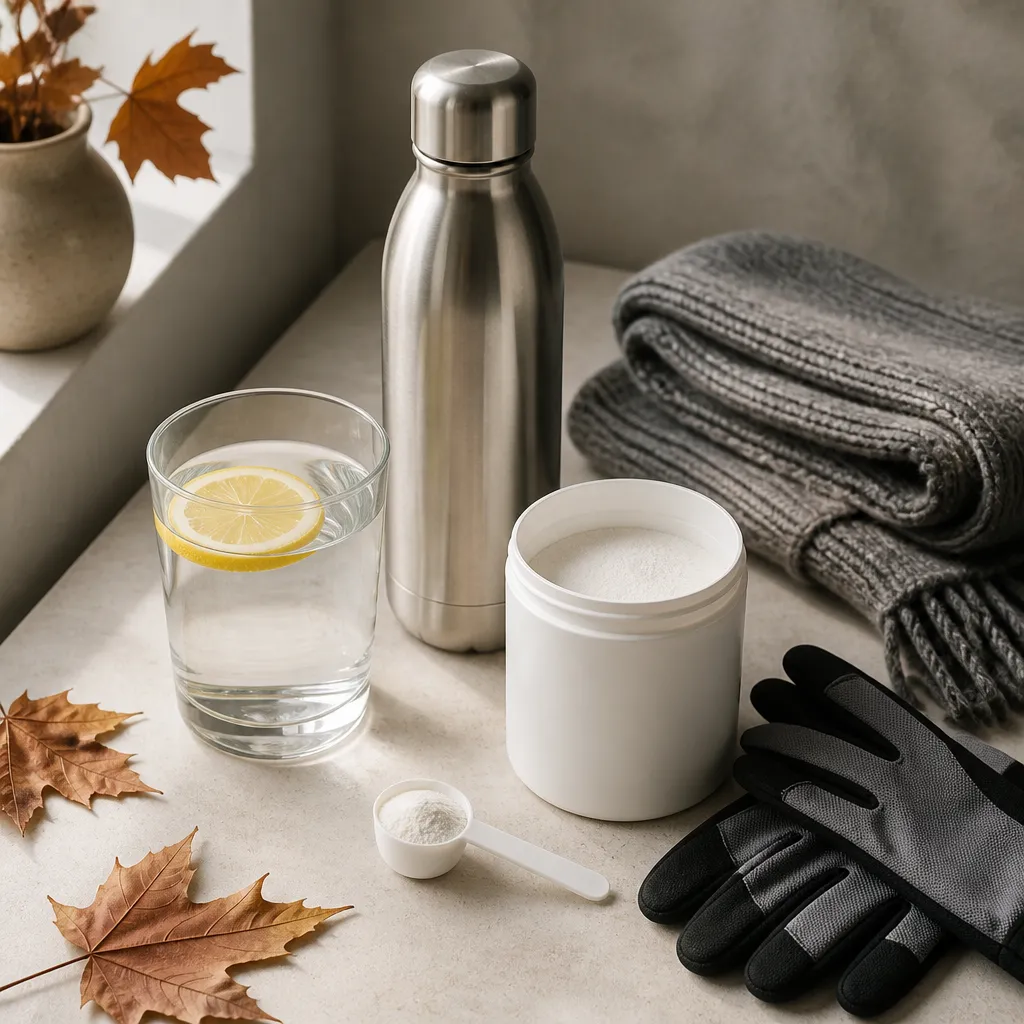
The PMC review on hydration for performance and recovery suggests starting training well hydrated, with approximately 500 to 600 ml of water or sports drink two to three hours beforehand. In practice, that means drinking with breakfast or lunch rather than gulping a bottle in the car park five minutes before you start.
If you train early, have a glass of water when you wake and a fluid-based breakfast, such as porridge made with milk. You will arrive at the session with a head start instead of playing catch-up through the first warm-up.
Autumn workout guidance from Fitness Quest suggests taking small swigs every 15 to 20 minutes to stay hydrated without the bloat. For sessions over an hour in cold conditions, regular small sips work better than a large volume at once. Trying to drink a litre in one go is how people end up with a stomach that sloshes for the rest of the run.
Pro tip: Keep your bottle inside a jacket pocket on cold runs. It stays drinkable, and you are far more likely to sip it when it is close to your body.
The same autumn guidance suggests drinking roughly another 500 ml after exercise to replace lost fluid. Use it as a starting point and adjust based on your sweat test. Pair the drink with food where you can, because a meal helps you retain fluid more effectively than water alone.
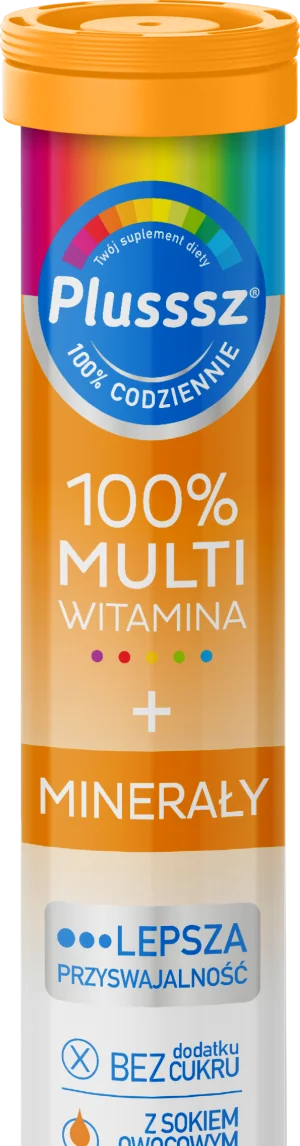
If you want electrolytes without added sugar, Plusssz electrolyte hydration products are designed for this post-session window. Dissolve one in your bottle and you cover both the fluid and the salt without relying on a sugary sports drink.
Water is the baseline, but it does not replace sodium. For a short, moderate session on a mild day, plain water is usually enough. For long or heavy sessions, or sessions where you sweat heavily under layers, electrolytes start to matter.
Approach |
Best suited for |
Watch out for |
|---|---|---|
Plain water |
Short, moderate sessions under an hour on a mild day |
On its own, it does little to replace sodium over long or sweaty efforts |
Electrolyte drink or tablet |
Sessions over an hour, heavy sweaters, and hard efforts under thick layers |
Check the label for sugar and sodium per serving, since products vary widely |
Warm tea or broth |
Cold walks, recovery after training, and anyone who dislikes cold drinks |
Plain tea contains very little sodium, so pair it with food or choose a savoury broth |
The right choice depends on duration and sweat loss more than on any blanket rule. If you finish a session with a salty taste on your lips or a dull headache, you probably needed more than water. Electrolyte products are built for that situation, and they are easy to carry in a jacket pocket.
The question is not which is better in general, but how long you are working and how much you sweat. A 40-minute easy run on a mild afternoon does not need the same plan as a 90-minute tempo session in a damp, windy park. Match the drink to the demand, not to a habit.
Plusssz formulas are built with no added sugar, so they suit people who want the salt and minerals without the extra carbohydrate they may not need on a short session. That makes them a practical option for longer autumn efforts where plain water falls short.
Hot tea and warm broth have a real role. A warm drink feels more comfortable on a cold walk, and some people find it easier to drink. Broth also supplies sodium, which makes it useful after a long outdoor session when your appetite is low and the cold has made you tired.
Warm drinks are a poor choice if you only reach for them as a substitute for fluid during a hard effort. Save them for the walk home, the cool-down, or the period after you finish.
Most autumn hydration problems come from habits rather than knowledge. People know they should drink, but the routine that worked in July quietly stops working in October. Three mistakes come up again and again.
Waiting for thirst is the most common mistake. By the time you notice it, you are already behind on fluid. Set a timer for sips instead, especially on indoor sessions where the room is warm but nobody is watching the clock.
Build the habit outside training too. Drink a glass of water with each meal and keep a bottle on your desk. You will arrive at sessions with a better baseline rather than trying to fix a deficit in the middle of a workout.
Coffee is a huge part of the autumn routine, and many people count a flask of it as their morning fluid. Caffeine has a place in a normal diet, but it should not be your main source of fluid before a session. Alcohol is similar, since it adds to fluid loss and does nothing useful for recovery.
A simple fix is to keep a bottle of water next to your coffee cup. Each mug of coffee gets a glass of water alongside it, and you will hit your target without giving up the drink you enjoy.
Drinking a litre in one go before a run sits poorly and can leave you stopping for a toilet break halfway round. Spread the volume across the morning and the hour before training. Smaller, steady intake is easier on the stomach and easier to absorb.
Recovery matters more in autumn because the body works hard to keep warm, and the fluid you lost is easy to forget once you are back indoors with the heating on. Shivering, a stiff jacket and a long walk home all add to the effort.

Weigh yourself again after the session and aim to replace the loss over the next few hours. The 500 ml figure from earlier is a starting point, not a target for everyone. A heavier sweater or a longer session may need more, and your own sweat test is the best guide.
Many UK runners train before work in the dark. The drink you reach for on the way in, often a coffee, does little for sodium or fluid replacement. A bottle of electrolyte drink or a glass of water with your breakfast fills the gap far better than a hot drink alone.
If you train in the dark, keep a labelled bottle at the front door so you do not forget it. The habit is easier to stick to when the bottle is already in your hand as you leave.
Sodium and carbohydrate in a meal help your body hold on to what you drink. Toast with a savoury topping, porridge with a pinch of salt or a bowl of soup does more for recovery than a second cup of tea. Treat food as part of the rehydration plan rather than an optional extra.
Sip regularly, roughly every 15 to 20 minutes on longer sessions, and base your total on your own sweat test. Start with a sensible target and adjust after a few sessions based on how you feel and how much weight you lose.
Water is enough for short, moderate sessions on a mild day. For sessions over an hour, heavy sweating under layers, or a session that leaves you with cramp or a salty taste, electrolytes are a better choice because they replace the sodium that water alone does not.
Yes, for many people it does. Cold exposure tends to dull the urge to drink, even when you are still losing fluid through sweat and breathing. That is why a fixed sipping schedule works better than waiting until you feel thirsty.
A warm drink is a reasonable part of your pre-session routine if you enjoy it and it helps you feel comfortable. Make sure it does not replace water, and consider pairing it with food, since plain tea contains very little sodium.
Common signs include a headache, dark urine, unusual tiredness, cramp and a weight loss since before the session. If symptoms are severe or you feel unwell, seek medical advice rather than relying on a drink to fix it.
What has your own cold weather hydration routine looked like this autumn, and has it changed how you feel after training?