Every October the same hydration advice resurfaces: drink more water and you will be fine. For UK adults who train, cycle to work, or spend the autumn break chasing children around a park, that advice is only half right. The dehydration myths that circulate in the cooler months quietly shape how people drink, and they often leave active adults under-replaced without realising it. As half-term approaches and routines shift, this is a good moment to test your assumptions about electrolytes. Below are the myths we hear most often, and what the evidence actually supports.
Key Insight |
Explanation |
|---|---|
Water alone rarely covers heavy or long sweating |
Sweat carries minerals as well as water, so plan electrolytes for sessions that leave you salty or drained. |
Thirst lags behind your actual need |
Set drinking times before training and through the day rather than waiting to feel dry. |
Aim for pale yellow urine, not perfectly clear |
The NHS target is a clear pale yellow colour. Very clear output can signal that you are drinking more than you need. |
Cold weather still drives fluid loss |
Layers trap sweat against the skin, and breathing hard in cold air still costs you moisture. |
Electrolytes suit specific situations |
Use them for heavy sweating, long sessions, or back-to-back training days rather than every workout. |
Tea and coffee count, within limits |
NHS guidance says they count towards daily intake, and pregnant people should keep caffeine under 200mg a day. |
Water is the default answer to almost every hydration question, and on a normal day it does the job. NHS guidance describes water as a healthy and cheap way to stay hydrated, and it notes that other drinks also count. The problem starts when plain water becomes the only tool someone uses during a heavy session, a long cycle in autumn drizzle, or a punishing week of training.
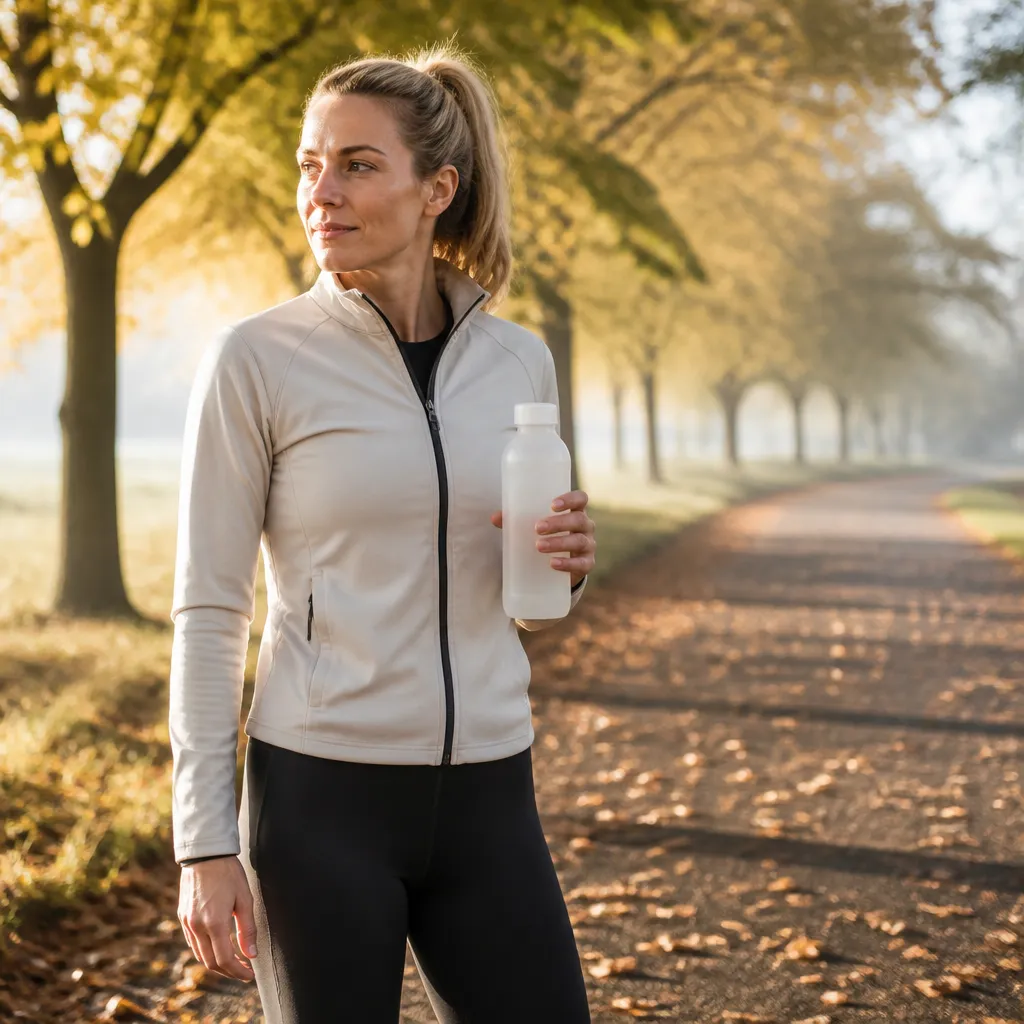
In practice, we see active adults drink litres of water after a hard session and still feel flat, cramp-prone, or foggy the next morning. Cramps have many causes, so electrolytes are not a cure-all. Still, sweat carries sodium, potassium, and other minerals out of the body, and drinking large amounts of plain water does not replace them.
Plain water works well for light activity lasting under an hour in mild conditions. It becomes less reliable once you are sweating heavily for longer periods, training twice in a day, or working outdoors in wind that hides how much fluid you are losing. The NHS lists being physically active for long periods as a reason to drink more than the standard guide, and that is exactly where a water-only habit starts to fall behind.
A common mistake is to fix this by drinking a huge volume at once. Large amounts taken in quick succession sit heavily and do little for the minerals that were lost. Spreading fluid through the day, and adding some electrolytes around harder sessions, tends to work far better than chasing the bottle.
Many people assume only water counts. NHS guidance says that water, lower-fat milk, and lower-sugar drinks, including tea and coffee, all contribute to your daily intake. We also get some fluid from the foods we eat. A bowl of soup, a glass of milk with breakfast, or a cup of tea after a walk all add to your total, and counting them can change how much extra water you actually need.
Thirst feels like a precise gauge, so many people wait for it before they drink. In practice, it tends to lag behind your real needs, especially during exercise, when attention is on effort and the mouth can feel fine even as fluid losses build. Relying on thirst alone makes it easy to finish a long session already behind.
Thirst is a late signal, not an early warning, so a hydration plan works best when it is set before you feel dry.
Cooler temperatures suppress the obvious cues of heat and sweat, so you can be losing fluid without noticing. Wind and rain also whisk moisture away from the skin, which means sweat evaporates quickly and you may not feel how much you have lost. The result is an athlete who finishes a run feeling fine, then notices a headache or heavy legs later that afternoon.
Fluid losses from breathing also continue during hard efforts, so your body is working through the session whether or not your mouth feels dry. That is why waiting for thirst is a poor plan for anyone training more than once a week.
Set a straightforward routine: a glass of fluid on waking, a drink with every meal, and a planned intake before and after training. The NHS suggests about 6 to 8 cups or glasses a day as a guide, with more needed if you are physically active for long periods. Treat that as a floor rather than a ceiling, and let the routine do the work instead of your sense of thirst.
The NHS says most people should drink enough during the day so their pee is a clear pale yellow colour. That is a useful, low-cost check, and it is one of the better signals available to most people. The myth is treating colour as a finish line, so that any clear output means you have done enough.
Very pale or completely clear urine can mean you have been drinking more than your body needs, particularly when intake is large and rapid. Drinking far more water than you are losing can dilute the sodium in your blood, which is why guidance focuses on steady drinking rather than gulping. Clear is not the same as balanced.
Use urine colour as a check-in twice a day, not as a score to chase. If you are pale all day and then feel off after a session, adjust by adding a measured electrolyte drink or a salty snack rather than simply drinking more water. Watch how you feel as well as what the toilet shows you.
Pay attention to patterns across a week. If you feel fine on easy days but drained on heavy days, the answer is usually a change in what you drink during the heavy days, not a general increase in volume.
When the temperature drops, the instinct is to ease off drinking. Summer heat is an obvious trigger for thirst, so cooler weather feels like permission to relax. The NHS lists being in a hot environment as one reason to drink more, alongside being physically active for long periods, pregnancy, breastfeeding, and illness. Cold weather does not remove the need for fluid, it simply hides it.
A typical scenario is a club run or a Saturday ride in October, followed by a warm pub lunch. You have sweated under layers, and your body still loses water through breathing, especially when you are working hard. Plan around the session and the effort, not around the thermometer.
Multiple layers trap sweat against the skin, where it cools and feels damp rather than obviously wet. Many people stop feeling sweaty and assume they have lost nothing. Check your base layer after training. If it is soaked through, you need fluid, and probably some sodium as well.
Half-term often means family days, a walk in the morning, and long stretches indoors with the heating on, in a car, or in a soft play centre. Warm rooms and busy schedules mean drinks get forgotten, and nobody notices the gradual drift. Keep a bottle close and treat active family days as sessions in their own right.
Electrolytes have a reputation as a tool for elite endurance athletes, which is why many casual exercisers dismiss them. A BBC Food article on the rise of electrolyte drinks asks whether most people actually need them, and the honest answer depends on the situation rather than the label on the bottle. For the everyday active adult, electrolytes are a targeted tool for specific conditions, not a daily necessity.
Sweat rates and sweat composition vary a lot between people. Someone who leaves white salt marks on dark kit, or who gets cramps during long sessions, has a stronger case for electrolytes than someone finishing an easy 30 minute workout. Heavy, long, or repeated sessions in one day are where a mineral-containing drink earns its place.
Conventional sports drinks can add a lot of sugar to a day that already includes plenty of it. Mixes with no added sugar let you replace minerals without the extra calories you do not need on a rest day or during a short session. This is the reasoning behind the no-added-sugar formulas in the Plusssz electrolyte hydration range, which are built for people who want hydration support without a sugar load.
Pro tip: Mix your electrolyte drink at the strength on the label, and use the same mix on similar training days. That way you can tell how it affects your energy and stomach, rather than changing two variables at once.
The idea that caffeine drains your body of water is one of the most repeated hydration myths in the UK. NHS guidance states that lower-sugar drinks, including tea and coffee, count as part of your daily fluid intake. The bigger point is moderation, because people differ in how sensitive they are to caffeine depending on how much they drink and how often.
In practice, a morning coffee alongside a glass of water is not a hydration problem for most adults. The trouble starts when caffeinated drinks replace water entirely, especially for someone who trains in the afternoon and drinks little all day. Caffeine does not cancel out fluid, but a day of coffee can make you feel topped up when plain water is still needed.

If you are pregnant, the NHS advises not having more than 200mg of caffeine a day. That specific limit is worth remembering alongside any caffeinated drinks you use during work or training. If you are unsure how much caffeine a drink contains, check the label before you order a second cup.
The NHS advises checking nutrition labels and looking for drinks with green or amber colour-coded labels. Flavoured teas, iced coffees, and sports drinks can carry significant sugar, so read the label before assuming a drink is a hydration win. Fruit juice and smoothies should be limited to one small glass of 150ml a day, taken with a meal.
Most active adults end up choosing between three approaches: plain water, a conventional sugary sports drink, or a no-added-sugar electrolyte mix. Each has a clear place. The table sets out where each one fits and where it can let you down, so you can match the choice to the session instead of defaulting to habit.
Approach |
Best used for |
Where it falls short |
|---|---|---|
Plain water |
Daily fluid, short and easy sessions, and drinks with meals |
Does not replace the sodium and other minerals lost during heavy or long sweating |
Conventional sugary sports drink |
Long, intense efforts where fast carbohydrate is genuinely useful |
Adds sugar and calories that are unnecessary for a short or easy day |
No-added-sugar electrolyte mix |
Heavy sweating, repeated sessions, or hot indoor and cold outdoor days |
Needs to be mixed as directed and does not replace food, or medical advice for a health condition |
Our view is that most people should start with water and meals, then add an electrolyte mix only when a session is heavy, long, or repeated. Using a sugary sports drink for every workout tends to add calories you do not need. Using plain water for every workout, however, can leave you short on minerals during the sessions that matter most.
The choice also depends on what comes after the session. If you are heading straight into a busy family afternoon, a lighter electrolyte mix is often enough. If you are training again the next morning, the sugar question matters less than making sure your minerals are topped up before bed.
The autumn break is a good time to reset habits, because routines shift and drinking often slips. Many schools in England take their break in late October or early November, so check your own calendar, but the principles stay the same whatever the dates. A simple plan stops you relying on memory or thirst.
Drink a glass of water in the hour before you train, and include some fluid with your pre-session meal. If the session will be long, hot indoors, or followed by a cold outdoor walk, have your electrolyte drink ready instead of treating it as an afterthought. Start the session already hydrated rather than already behind.
Half-term often means several short activities in one day, such as a swim, a play session, and a walk. Keep a bottle on hand, refill it at each stop, and count each refill. Include lower-fat milk, tea, or soup as part of your total so you are not fixated on the bottle size alone.
Pro tip: Set two phone reminders on busy break days, one mid-morning and one mid-afternoon, that simply say "drink now". Hydration then happens without relying on memory or thirst.
After the last activity, have a drink with your meal and avoid chugging a large volume in one go. Keep evening intake steady, and cut back on caffeine later in the day if it disrupts your sleep. The next morning, check your urine colour and energy levels, then adjust the day's plan rather than repeating a pattern that left you flat.
Usually not. Water and a normal meal are typically enough for short, moderate sessions. Electrolytes become more useful when you sweat heavily, train for longer, or repeat sessions on the same day.
The NHS Eatwell Guide recommends 6 to 8 cups or glasses of fluid a day as a guide. You may need more if you are pregnant or breastfeeding, in a hot environment, physically active for long periods, or unwell.
Many people do, through meals that include milk, vegetables, fruit, and the occasional salted snack. A food-first approach is a sound base, and you can add an electrolyte drink when sessions are heavy, long, or repeated.
Not for most adults in moderation. NHS guidance counts tea and coffee towards your daily intake, but if you are pregnant, you should not have more than 200mg of caffeine a day.
For most healthy adults, a sugar-free mix used as directed suits regular use better than sugary drinks. If you have a medical condition or take medication that affects fluid or salt balance, speak to your GP or pharmacist before adding any electrolyte product to your routine.
Tell us which hydration myth you believed the longest, and what finally changed your routine, by getting in touch through our website.