Most athletes can list calcium, iron and magnesium without thinking. Manganese rarely makes that list, yet it helps your body build connective tissue, activate enzymes involved in bone formation and process the nutrients you use to train. If you load your joints repeatedly and eat a diet with obvious gaps, a manganese supplement UK shoppers often overlook could matter more than you expect. This guide separates what the evidence supports from what the marketing claims, and explains how to decide whether you need manganese from food, a multivitamin or a dedicated product.
Key Insight |
Explanation |
|---|---|
Manganese is a trace mineral |
You need only small amounts, but a sustained shortfall can affect bone, connective tissue and nerve function. |
It works as an enzyme helper |
Manganese acts as a cofactor for enzymes involved in bone formation and in the metabolism of carbohydrates, fats and amino acids. |
The joint link runs through antioxidants |
Your body needs manganese to make superoxide dismutase (SOD), an antioxidant enzyme that helps limit inflammation around joints. |
Joint trials are promising but narrow |
Studies on mild to moderate knee osteoarthritis are encouraging, but they do not show manganese rebuilding cartilage in healthy athletes. |
Check your diet before adding more |
Deficiency is uncommon. Whole grains, nuts, seeds, legumes, leafy greens and tea cover much of the requirement for most people. |
More is not better |
Long-term high intake can affect the nervous system, so count manganese across every product you take, not just one bottle. |
Manganese does its work quietly, mostly as a helper for other molecules. Cleveland Clinic describes it as critical for healthy bones and connective tissue, alongside blood clotting and nerve function, and notes that your body stores it in bone, brain, kidneys, liver and pancreas. That storage pattern is one reason bone is the first place people think about when they ask what manganese does.
The NHS explains that manganese helps make and activate some of the enzymes in the body, which is a useful way to think about it. Enzymes do not run on minerals as fuel. They need specific metal partners to shape their active sites and carry out chemical steps. Manganese is one of those partners, and bone-building processes depend on a handful of enzymes that need it.
In practice, this means manganese is rarely the single factor that makes or breaks bone strength. It is a supporting player that matters most when the rest of your nutrition is solid. A diet heavy on refined foods with little variety is where the gaps tend to appear, not in an otherwise balanced plate.
A 2024 review in PubMed Central looked at the multifaceted role of manganese in bone health, including its effects on bone regeneration, mineralisation and overall skeletal strength. The review is a useful starting point because it pulls together laboratory and human evidence rather than relying on a single finding. It also makes clear that the mechanisms are still being mapped out.
For athletes, the relevance is straightforward. Bone adapts to repeated load by remodelling, and that process needs a steady supply of building materials and enzyme activity. Manganese is part of that supply chain, but it is not a shortcut. If your training plan is poorly structured or your recovery is thin, no mineral will compensate.
Manganese is a helper in the bone and joint system, not a repair crew. It matters most when the rest of the nutrition and loading picture is already in order.
There is little evidence that exercise alone drains manganese in a way that calls for routine supplementation. The more realistic problem for active people is that their eating patterns narrow over time. Someone who trains early, eats the same breakfast, relies on sports bars and cuts out wholegrains will often end up with a thin intake of trace minerals across the board.
Restrictive eating is the clearest risk. Athletes trying to hit a body composition target often cut back on carbohydrate-rich foods and legumes, which are among the richest everyday sources of manganese. The result is a diet that may look high in protein and still be short on several trace nutrients.
Three patterns come up repeatedly in practice. The first is low food variety, where the same five or six foods make up most meals. The second is heavy reliance on refined or highly processed products, which tend to strip out much of the natural mineral content. The third is skipping plant foods altogether because they feel bulky around training sessions.
None of these patterns is an emergency. They are simply worth noticing, because a varied plate covers manganese without any extra thought. A few changes, such as adding oats, nuts, seeds or lentils several times a week, usually do more than a new bottle on the shelf.
Vegetarian and vegan athletes often eat plenty of manganese-rich foods, but they also need to check that their overall diet is not built around a small set of staples. Athletes who have had gastrointestinal surgery, or who manage a condition that affects absorption, should talk to their GP or a dietitian before making changes. Anyone who is unsure should ask for a proper dietary review rather than guessing.
Pro tip: Keep a three-day food log during a normal training week, then check it for wholegrains, nuts, seeds, legumes and tea. If at least two of those appear daily, your manganese intake is probably fine without a supplement.
The joint side of manganese research is where most of the interest, and most of the hype, lives. Manganese is involved in the antioxidant system that protects cartilage and surrounding tissue from oxidative stress. That biological story is plausible, and it is the reason manganese keeps appearing in joint health discussions. The human evidence is more modest than the headlines suggest.
The Linus Pauling Institute at Oregon State University reports that manganese ascorbate was beneficial in relieving pain from mild or moderate knee osteoarthritis compared with a placebo. That is a useful finding, but it sits inside a specific context. Those trials looked at people with osteoarthritis, not healthy athletes looking to prevent wear.
Several other studies combined manganese with glucosamine and chondroitin, which makes it hard to isolate manganese's own contribution. Some of these trials reported symptom improvements, with the benefits described as more pronounced in people with milder disease. When you see a product that bundles all three ingredients, you cannot tell which one is doing the work.
Cleveland Clinic explains that your body uses manganese to create superoxide dismutase, and that this enzyme helps reduce inflammation throughout the body, including the pain associated with joint inflammation. This is the mechanism most people mean when they say manganese supports joints. It is coherent, but it is still a mechanism, not a clinical outcome.
From a coaching perspective, the sensible interpretation is that adequate manganese supports normal antioxidant defences. It does not replace load management, sleep, progressive training or proper footwear, and it will not undo a poorly managed training block.
The current evidence does not show that manganese prevents injury, rebuilds damaged cartilage in healthy athletes or delivers a measurable performance advantage on its own. Trials are small, many are older, and the populations studied are mostly people with established joint disease. Anyone promising faster recovery from manganese alone is claiming more than the research supports.
Food should be your first source of manganese. Reference lists across the research commonly include nuts and seeds, whole grains, legumes, beans, leafy green vegetables and tea. Cleveland Clinic highlights kale and chickpeas as a practical combination, which is a good example of how an ordinary lunch can cover a meaningful share of your needs.
The simplest approach is to rotate carbohydrates and add a seed or nut to most meals. Porridge with seeds, wholemeal bread with a legume-based filling, lentil soup, and a handful of almonds as a snack will cover a lot of ground. Tea, which many people drink daily, also contributes. None of this requires precision tracking, just a deliberate choice of foods that are not refined.
Cooking method matters less than people think. Most of these foods retain their mineral content through normal preparation, so you do not need to obsess over it. What you want is regularity across the week, not perfection on a single day.
Commonly cited US figures set the recommended daily intake at about 2.3 mg for adult men and 1.8 mg for adult women. UK labels, however, show a percentage of a reference value rather than an absolute figure, so it is easier to read the label's percentage than to convert between systems. A product that lists manganese at a modest percentage is adding a small, useful amount, not closing a large gap by itself.
Pro tip: If you already eat a varied diet, a multivitamin with a moderate manganese content is usually enough to top up without pushing you toward the upper limit. Take the product label and your food log to your next appointment if you want a second opinion.
If your food log shows real gaps, a supplement can help. The key is choosing the right format for your situation. Some athletes need only a general multivitamin, while others have a specific reason to look at a joint-focused blend. Matching the product to the gap matters more than picking the one with the biggest claims.
Check the amount of manganese per serving, the form listed, and what else is in the product. Multi-ingredient joint formulas often include glucosamine, chondroitin or other compounds, so you may be paying for components you do not need. Look for clear per-serving amounts and avoid products that hide dosing behind proprietary blends.
Pay attention to how many manganese-containing products you take at once. A multivitamin, a joint supplement and a sports drink can each add a little, and the totals can climb faster than you expect. Track the combined intake, not just the number on one bottle.
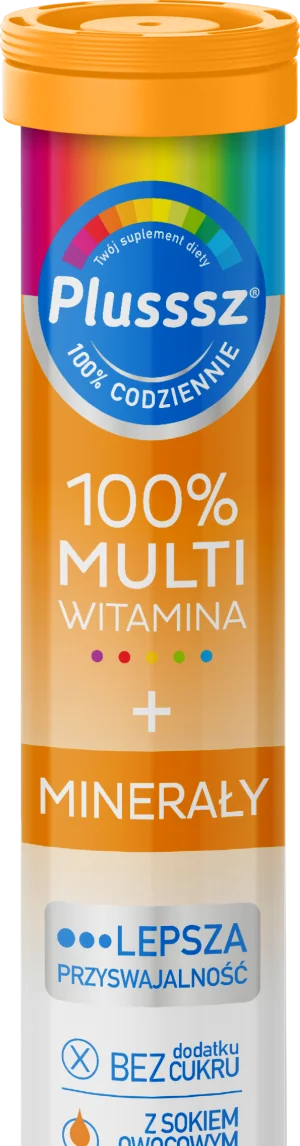
A multivitamin suits athletes who want broad coverage of several trace minerals, especially during heavy training blocks or when food variety is limited. Plusssz UK offers multivitamin complexes designed around active lifestyles, and these are worth comparing against your own diet rather than assuming they cover everything. A single-ingredient product makes sense only when a specific gap has been identified, because it gives you precise control but no backup for other nutrients.
Approach |
Where it fits |
Main drawback |
|---|---|---|
Food first, with a varied plate |
Athletes with a reasonably broad diet who want no added supplement |
Hard to verify without a food log, and gaps can persist unnoticed |
Multivitamin with a moderate manganese amount |
Athletes with limited variety or heavy training who want broad coverage |
Manganese per serving can be modest, and it may overlap with other products |
Joint-focused or single-ingredient product |
Athletes with a documented gap or a clinician-advised reason to add manganese |
Multi-ingredient blends make results hard to attribute, and costs can rise quickly |
Manganese is generally well tolerated at normal intakes, but more is not better. Cleveland Clinic makes the point clearly: you do not need a lot of manganese, but without enough you run the risk of several health issues. The opposite problem exists as well, and it deserves the same respect.

Most people who run into trouble with manganese are not taking a single large dose. They are combining a multivitamin, a pre-workout, a joint supplement and a fortified drink, then assuming each one is small. Over months, the total can climb into a range that research associates with concern. Long-term high intake has been linked to neurological symptoms similar to Parkinson's disease, which is why the upper limit is taken seriously.
Treat manganese like any other nutrient you add deliberately. Write down what you take, check the per-serving amounts across every product, and stop adding new items until you have a clear picture of the total.
See a GP or pharmacist before starting a manganese product if you have a pre-existing medical condition, you take regular medication, or you are pregnant or breastfeeding. Symptoms such as persistent joint pain, unexplained tremor, changes in mood or unusual fatigue are reasons to get checked rather than to increase the dose. Supplements are a support tool, and they should never delay a proper assessment of an injury or a long-standing joint problem.
Manganese contributes to normal bone formation because it helps activate enzymes involved in bone-building processes. It is one part of a wider nutritional picture that includes calcium, vitamin D, protein and adequate training load, so it works best alongside those rather than in place of them.
Some trials in people with mild to moderate knee osteoarthritis have reported pain relief with manganese-containing products. Evidence in healthy athletes is much thinner, so manganese should be seen as a supporting nutrient, not a treatment for joint pain. Persistent pain should be assessed by a clinician.
Probably not. Whole grains, nuts, seeds, legumes, leafy greens and tea cover much of the requirement for most people who eat a varied plate. A supplement is more useful when your food log shows a clear gap or when restrictive eating has narrowed your intake.
Upper limits matter most for long-term intake from supplements rather than food. Avoid stacking several manganese-containing products, and check the total against the label of each one. If you are unsure, ask a pharmacist or GP to review your full list of supplements.
No. The two minerals have similar names but different roles. Magnesium is a macromineral needed in larger amounts, while manganese is a trace mineral needed in small quantities. Their functions overlap in some enzyme systems, but they are not interchangeable.
Have you noticed any change in joint comfort or recovery after paying closer attention to your mineral intake, and what did you try first?