When athletes in the UK talk about sleep and athletic recovery, the conversation usually starts and ends with fuelling. Protein after training, electrolytes through the afternoon, a multivitamin with breakfast. Those habits matter. But they only work if your body has the time and the conditions to use them, and that happens overnight. If you train before work, squeeze sessions around family life, or cope with a damp, dark winter schedule, sleep may be the variable holding back your next training block. This guide looks at what poor sleep does to recovery, where nutrition falls short, and what to change first.
Key Insight |
Explanation |
|---|---|
Sleep is a recovery tool, not a reward for finishing training |
Tissue repair and heart and cell recovery depend on sleep, so a late night can cancel out part of a hard session. |
Fix bedtime consistency before adding hours |
In practice, a fixed wake time does more for most athletes than an extra hour in bed on a random night. |
Watch reaction time in skill sessions first |
Slower reactions, lower accuracy and poorer decisions often show up in technical work before fatigue is obvious. |
Treat poor sleep as an injury risk signal |
Lack of sleep and poor sleep quality can worsen low mood and anxiety, and these may themselves raise injury risk. |
Young athletes need more sleep than adults |
Guidance cited by Mayo Clinic Health System gives children aged 6 to 12 nine to 12 hours, and teens aged 13 to 18 eight to 10 hours. |
Nutrition supports recovery but cannot replace a night of sleep |
Hydration and nutrients supply the raw materials, while sleep provides the window in which the body uses them. |
Recovery is often described as a list of inputs: carbohydrate after training, protein before bed, electrolytes in the afternoon. Those inputs matter, but they feed a system that only does its repair work properly when you are asleep for long enough. Treating sleep as passive downtime is the first mistake I see in athletes who feel flat despite eating well.

The Sleep Foundation describes sleep as supporting athletic performance and recovery, helping the body repair tissues while also supporting learning, memory and mental performance. Sleep also allows the heart to rest and cells and tissue to repair, which is why a hard session without enough sleep afterwards leaves work undone. The sleep stages themselves shift heart rate and breathing through the night, which is part of why sleep is linked to cardiovascular health.
In practice, the athletes I would worry about are the ones who train at six in the morning, work until six in the evening, and answer messages until midnight. Their diet is solid and their water bottle is always full, yet they feel heavy by Thursday of every week.
Nutrition decides what your body has available to rebuild with. Sleep decides how much of that rebuilding actually gets done.
That distinction changes how you prioritise. If you are sleeping five hours a night, adding another protein shake is unlikely to solve the problem. Fixing the sleep is the higher-leverage step, and it costs nothing.
Training creates a stress that your body adapts to, but only once it has recovered. The tissue wear that comes from pushing harder, going faster and moving with more control is real. Mayo Clinic Health System notes that sleep gives the body time and energy to repair that wear and tear, which in turn lowers the chance of injury and illness.
Sleep also supports immune function. The Sports Science Exchange article on sleep and athletes, produced by the Gatorade Sports Science Institute, notes that reductions in performance, decision making, learning and cognition can occur alongside reductions in immune function. That combination is why a poorly slept athlete may feel both sluggish and run down at the same time.
For someone training for a half marathon or a club season, the practical risk is a string of sessions that feel harder than they should. You may still complete the work, but the quality drops, and you start chasing fatigue instead of building fitness.
One bad night rarely shows up in the data you are tracking. The cost accumulates. A week of five-hour nights followed by a heavy weekend session can leave you slower, more irritable and more likely to feel like you are dragging for the rest of the block. Sleep Foundation lists quicker exhaustion among the effects of sleep deprivation, which matches what coaches see when athletes lose a few hours a night for several weeks.
A common mistake is judging recovery by how you feel on the morning after a single good night. Look at the trend across seven to ten days instead. If your legs feel heavy on the same sessions every week, sleep is one of the first things to check.
Sleep is not only about muscle and speed. It is also about the mental side of training, which affects how carefully you move and how much you can absorb from a hard week. The Sleep Foundation states that sleep deprivation can contribute to a greater risk of injury, alongside slower reaction times and impaired decision making.
A research article on sleep and athletic performance, published in PubMed Central, reports that lack of sleep and poor sleep quality can exacerbate symptoms of depression and anxiety, and that these conditions may also increase injury risk. That is a useful link to keep in mind. When an athlete becomes short-tempered, withdrawn or anxious about selection, poor sleep is one of the first explanations to test before blaming the programme.
We see this pattern most often in athletes who are returning from a minor niggle. They are anxious about getting back, they sleep badly, and then they push through sessions with poor body awareness. The result is a second injury that was partly predictable from the sleep log.
Keep a simple note alongside your training log. Record sleep duration, how easily you fell asleep, and whether you woke during the night. Add one line for mood. Over two weeks, the pattern usually becomes clear, and it is far easier to act on than a vague sense that you are not recovering.
Sleep matters most in sports that depend on split-second judgement. Mayo Clinic Health System reports that studies of collegiate athletes show reaction times and accuracy decrease when they do not get enough sleep. Its summary of one study focusing on basketball free throws and three-pointers found that sleep-deprived athletes could see accuracy drop by as much as 50 percent, while those with 10 or more hours of sleep could see accuracy rise by about 10 percent.
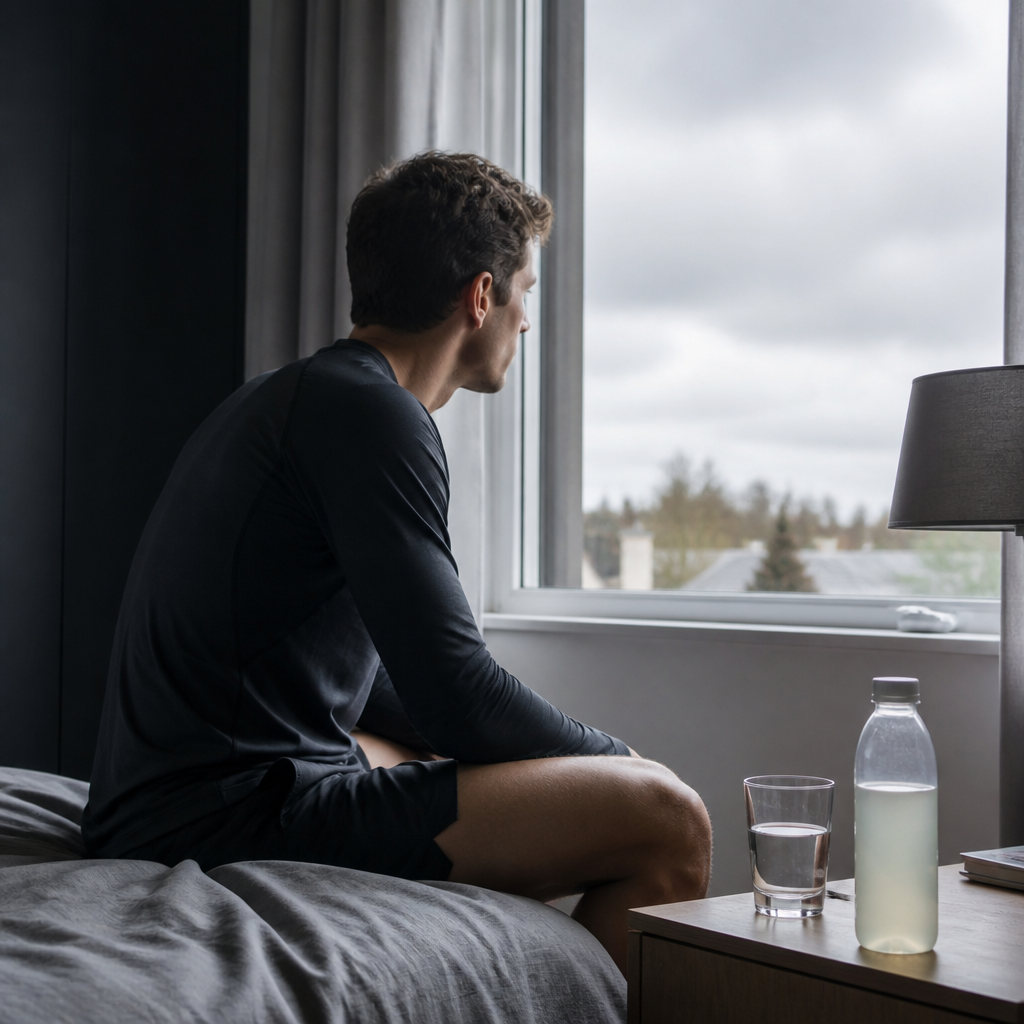
Technical work is where poor sleep becomes visible. Passing accuracy slips, first touches get heavier, and decisions under pressure take a fraction longer. Sleep Foundation describes sleep deprivation as contributing to slower reaction times, reduced accuracy and impaired decision making, which is exactly what coaches notice in drills that look easy on paper.
My advice for anyone running skill-based sessions is simple. Schedule your most technical work on the days after your best sleep, not after a late fixture or a long shift. If you have to train on a poor night, keep the session to familiar patterns and avoid learning anything new.
Sleep also helps the brain sort what you practised. Mayo Clinic Health System explains that during sleep the brain processes information from the day, filters some of it, stores other parts in memory, and helps assimilate new skills or techniques so they become more automatic. This is why a new kick, serve or shot often feels clumsier before bed and more natural the next morning. If you want a new movement to stick, practise it earlier in the day and protect the night that follows.
Sleep needs change with age and stage of life, and the figures matter more than most athletes realise. Mayo Clinic Health System gives children aged 6 to 12 nine to 12 hours, teenagers aged 13 to 18 eight to 10 hours, and adults over 18 seven or more hours. Those are guidance figures, not targets for elite training, and they are the minimum starting point for a conversation about recovery.
In practice, seven hours is a floor. Many adults in heavy training blocks find that they feel noticeably better with more, especially after double sessions or long travel days. If you are consistently waking before your alarm feeling unrested, your target is probably higher than seven.
Teenage athletes face a particular problem. Mayo Clinic Health System notes that during the teen years the natural sleep-wake cycle shifts, so young people tend to stay up later and sleep later in the morning. Add early practices, school, and the demands of games, and many teenagers land well short of eight hours. Coaches of youth squads can help by protecting regular training times and talking openly with families about bedtime during heavy competition weeks.
Many UK adults train before work, commute long distances, or work shifts that move around. Each of these affects your body clock. A dawn run after a late shift is a recipe for broken sleep, while a late evening gym session can make it harder to wind down. If your schedule forces a trade-off, choose the option that keeps your wake time steady, because the body adapts more readily to a predictable routine than to a random one.
Most athletes do not need a complicated sleep protocol. They need a few habits practised consistently enough to change the nightly pattern. The approaches below are the ones I would start with, in the order I would introduce them.
Choose a wake time you can keep seven days a week, including the weekend, and build your bedtime backwards from it. Irregular timing is one of the most common problems in active people, because late training and social plans push the schedule around. A fixed wake time anchors the body clock, which tends to make falling asleep easier on the nights you need it most.
A useful wind-down routine is short, repeatable and boring. Dim the lights, stop hard training at least a couple of hours before bed where possible, and keep phones out of reach once you get into bed. Athletes who train late often find that a warm shower, a few minutes of easy stretching and a glass of water with their electrolytes earlier in the evening helps the transition without making the routine feel like a chore.
Pro tip: If you train late, move your last electrolyte drink to early evening rather than right before bed. You protect hydration for the next morning without waking up needing the toilet during the night.
The NCAA has added sleep screening to its best practices to monitor for conditions such as insomnia and sleep apnoea. That is a useful model for clubs and individuals. Ask whether you snore heavily, wake unrefreshed despite a full night in bed, or struggle to fall asleep for long periods. Persistent problems of this kind should be raised with your GP rather than managed with more training.
UK Sport's own development resources treat sleep as a priority for elite athletes, and include a programme designed to help people recognise common sleep-related problems. It is a sensible reference point for coaches and athletes who want to move beyond advice from social media.
Athletes often reach for the most visible option when recovery feels off. The table below compares three common approaches, what each one actually targets, and where it tends to fall short.
Approach |
What It Targets |
Where It Falls Short |
|---|---|---|
Extending time in bed |
Total sleep duration |
Adds little if sleep is fragmented, late or irregular, and can make early mornings harder to manage |
Fixed wake time with a wind-down routine |
Sleep timing, consistency and ease of falling asleep |
Needs steady effort over several weeks and is harder to keep during late fixtures or travel |
Nutrition and hydration alone |
Fuel, fluid and nutrient supply for repair |
Cannot replace the overnight window in which repair, immune support and memory consolidation take place |
The honest comparison is that the first two approaches work on sleep itself, while the third supports the body's raw materials. Most athletes who feel stuck have already done the third. The gain usually comes from combining a steady schedule with sensible nutrition, rather than swapping one for the other.
When you review your own routine, be specific about what you have tried. If you have added extra protein and electrolytes for six weeks without changing your bedtime, the data is telling you that sleep is the bottleneck.
Our electrolyte hydration products and multivitamin complexes are designed to support active people who want to maintain fluid balance and nutrient intake alongside a balanced diet. They have a clear role in a recovery plan. They are not a substitute for sleep, and they should never be used as a reason to accept five-hour nights.
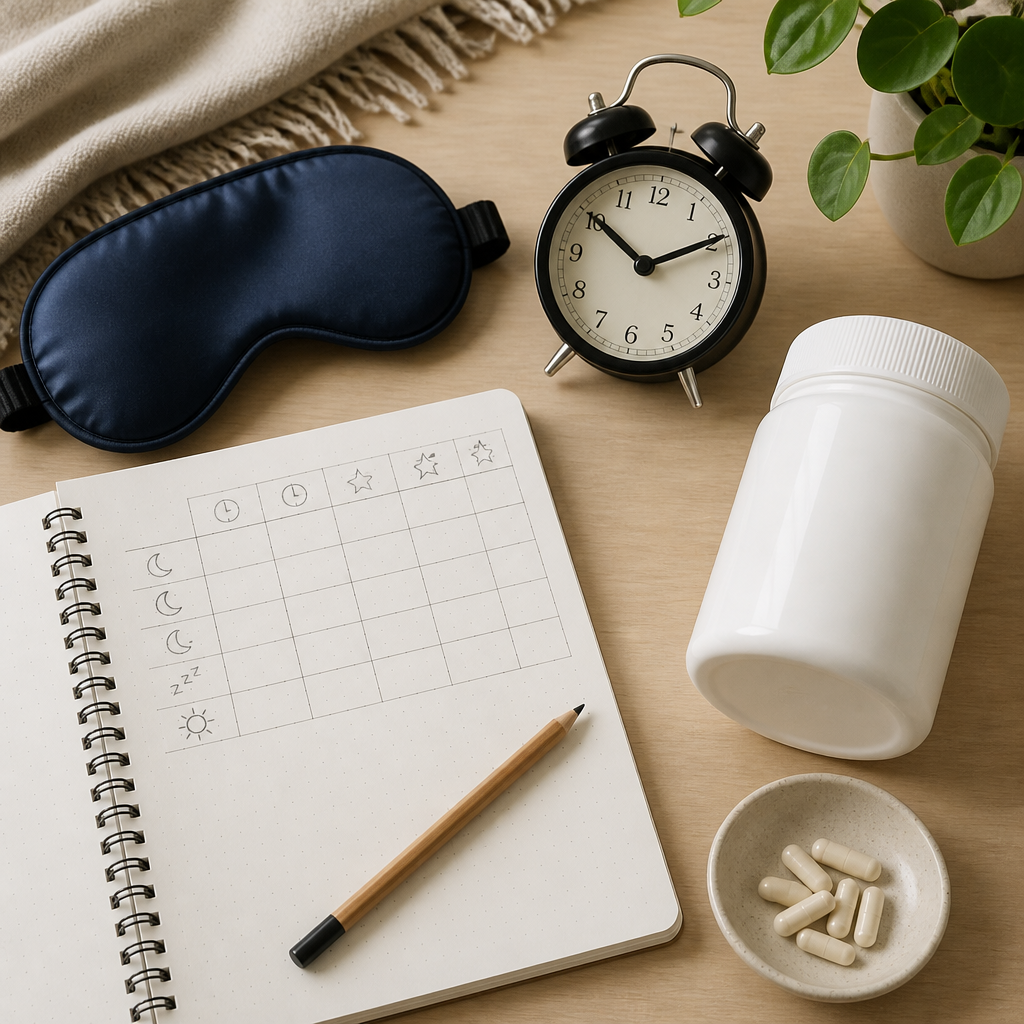
The simplest way to put this into practice is to decide which problem you are solving. If you are sweating heavily in training and feel light-headed late in sessions, hydration and electrolytes belong in your plan. If you are waking tired, slow to react and irritable, the first fix is sleep, and nutrition should be adjusted around that rather than used to paper over it.
Pro tip: If you cannot change your sleep all at once, start with a single fixed wake time for seven days. Once that feels normal, move your bedtime earlier in 15 minute steps rather than trying to add two hours in one go.
Treat your sleep log as seriously as your training log. Track it for a month, compare it with how your sessions feel, and make one change at a time. That approach gives you clear evidence about what is working, and it stops recovery from becoming a shopping list.
Mayo Clinic Health System gives seven or more hours as the guidance for adults over 18. For many people in heavy training, that is a minimum rather than a target, so track how you feel across a week and adjust upwards if you wake unrefreshed.
A longer lie-in can reduce short-term tiredness, but it does not fully reverse a week of short nights. It can also shift your body clock, which makes Monday morning harder. A steadier schedule across the whole week works better than a large catch-up on Saturday.
Sleep deprivation is linked to slower reactions, impaired decision making and a greater risk of injury, according to the Sleep Foundation. A research article in PubMed Central also reports that poor sleep can worsen depression and anxiety symptoms, which may themselves raise injury risk.
Our hydration and multivitamin products are designed to support fluid balance and nutrient intake for active people. They are not sleep aids, and they should not be used to manage sleep problems. If sleep difficulties persist, speak to your GP.
Keep your wake time steady, finish hard sessions at least a couple of hours before bed where you can, and use a short wind-down routine. Move your last fluid intake earlier in the evening to limit night waking, and avoid large meals immediately after training.
Common signs include slower reactions in skill work, heavier legs on familiar sessions, low mood, and waking unrefreshed after a full night in bed. If several of these show up together across two weeks, prioritise sleep before adding more training load.
Tell us which sleep change made the biggest difference to your training, and what you are still struggling to fix.