If you train hard, you probably think about protein, electrolytes and sleep long before you think about vitamin A. That is a mistake worth correcting. Vitamin A is a fat-soluble vitamin at the centre of the body's first line of defence, from the lining of the airways to the signalling inside immune cells. For anyone training several times a week, that role matters more than the label suggests. This guide explains what vitamin A actually does, where the evidence is solid, how retinol differs from beta-carotene, and how to choose a vitamin A supplement in the UK without overdoing it.
Key Insight |
Explanation |
|---|---|
Vitamin A is stored, not flushed |
Because it is fat-soluble, the body keeps reserves in the liver and fatty tissue. Shortfalls build slowly, and so do excesses. |
Its main job is maintenance |
Vitamin A helps keep mucous membranes and immune signalling working correctly. It does not act as a stimulant or a performance booster. |
Hard training adds load to the same barriers |
Heavy blocks and poor sleep stress the tissues vitamin A supports, so a marginal intake matters more for you than for a sedentary person. |
Retinol and beta-carotene are not interchangeable |
Preformed retinol from animal foods and supplements is ready to use. Beta-carotene from plants is converted only as needed, and conversion varies between people. |
Stacking sources is the real risk |
A multivitamin, fortified foods, liver products and retinol skincare can each look modest. Added together, they can exceed what you need. |
Pregnancy changes the rules |
If you are pregnant or trying to conceive, speak to a GP, midwife or pharmacist before taking any product containing retinol. |
Most people think of immunity as something happening in the blood, with white cells hunting down viruses. A large part of the defence happens at the surfaces where the body meets the outside world. Vitamin A helps maintain the mucous barriers lining the airways, gut and eyes, and those barriers are the first thing a pathogen has to get past.

Healthy mucous membranes trap particles and bacteria before they can settle in. Reviews of vitamin A deficiency describe impaired immune function, and a lining that is under-supported does not fail dramatically. It simply gives way more often, especially in the weeks when training volume rises.
For a runner breathing hard through a cold morning or a cyclist sharing close air with a bunch of riders, the airway lining is working harder than most people realise. Respiratory and gut infections are the most common complaints from athletes who believe their diet is fine on paper.
The second role is less visible. Research summarised in the immune literature describes vitamin A as involved in the development of the immune system and in regulating both cellular and humoral responses. A 2012 USDA review on vitamin A and immune function noted that deficiency alters the development of memory T lymphocytes, which in turn shapes the type of protective immunity that develops.
Other reviews describe vitamin A regulating cytokine production, the chemical messages that tell immune cells how hard to respond. What this means for you is that vitamin A is not a stimulant. It does not make your defences louder. It helps keep the wiring correct, so the response is appropriate when it is needed.
Vitamin A is best understood as a maintenance nutrient for the immune system, not a boost. Its value lies in keeping the front line intact and the signals accurate.
Hard training is a paradox. It makes you fitter, but for a period afterwards the immune system can run less efficiently. The size and duration of that dip varies a lot between people. The practical point is simple: if your barriers are already marginal, extra training stress lands on a weaker base.
Long endurance efforts, heavy strength blocks and back-to-back competitions all raise demand on the same tissues that vitamin A supports. In practice, the athletes who get ill are rarely the ones who skipped every session. They tend to be the ones who stacked high volume on top of poor sleep and inconsistent meals, then wondered why a sore throat arrived in week three of a block.
Vitamin A does not fix that pattern. Sleep, energy availability and total training load matter far more. What vitamin A can do is make sure the nutritional base is not the weak link.
Under-eating is a common problem for active people trying to lean out or hit a weight target. When energy intake drops, micronutrient intake often drops with it, because the foods that supply carbohydrate and protein often supply fat-soluble vitamins too. A multivitamin can cover gaps, but it cannot replace a plate that includes enough food to support your training.
A common mistake is adding a supplement on top of a chronically low-calorie diet and assuming the supplement is doing the work. The better order is to fix energy intake first, then use a supplement to cover what diet cannot reliably provide.
Vitamin A reaches the body in two broad forms. Preformed vitamin A, called retinol or retinyl esters, comes from animal foods and supplements, and the body can use it directly. Provitamin A carotenoids, mainly beta-carotene, come from plants and must be converted before they do the same job.
Retinol is the form most supplements use because it is predictable. You know how much you are taking, and the body does not have to convert it. That predictability is useful if you eat few animal foods, follow a vegan or near-vegan diet, or have a history of low intake.
Being predictable is not the same as being harmless. A retinol supplement gives you a set dose each day, and daily habits compound over months in a way a single high-dose day never would.

Beta-carotene from carrots, squash, leafy greens and orange fruit is a sensible part of any diet and carries a lower risk of excess, because the body converts it only as needed. That conversion is also its weakness. Efficiency varies between individuals, so a plant-heavy diet does not guarantee the same vitamin A status as a supplement.
My position is this: for most active people eating a varied diet, food-based beta-carotene is the right foundation, and a supplement should be chosen to cover a clear gap rather than taken as a default. If you eat little fruit or vegetables, or your diet is restricted, a retinol-containing product is often the simpler route, provided you stay within label guidance.
Approach |
What It Offers |
Where It Falls Short |
|---|---|---|
Supplement with preformed retinol |
A known daily dose that the body can use directly, useful when diet is restricted |
Can accumulate with regular high intake, so label amounts must be checked against total diet |
Beta-carotene from vegetables and fruit |
Low risk of excess, fits naturally into meals, comes packaged with other plant compounds |
Conversion varies between people, and actual intake is hard to measure |
Food first with occasional animal sources |
Good nutrient mix alongside protein, fat and minerals, and no supplement needed for many people |
Hard to hit consistently during heavy training weeks or when appetite is low |
The biggest mistake I see with vitamin A is treating it like vitamin C, where any excess leaves the body in urine. Vitamin A is fat-soluble, so it is stored, mainly in the liver and fatty tissue. That storage protects you from short gaps, but it also means a habit of high intake can build a surplus over months.
A single generous dose is unlikely to cause harm for most healthy adults. The risk comes from stacking sources: a multivitamin, a fortified breakfast cereal, a retinol skin product and a liver-based supplement. Each one looks modest alone. Together they can push intake well beyond what you need.
Check every label, add up what you take across the day, and compare the total with current UK public health guidance. If a daily multivitamin already supplies your vitamin A, adding other retinol products is where most problems start.
High-dose retinol is the reason pregnant women are advised to be cautious. If you are pregnant or trying to conceive, speak to a GP, midwife or pharmacist before taking any product containing retinol. Be careful with liver and liver-based supplements too, since they are very rich sources.
Beta-carotene from food does not carry the same concern, which is one more reason to keep the two forms distinct in your mind.
Pro tip: For one week, write down every product with a vitamin A figure, including skin creams if they contain retinol. Most people discover at least one source they had forgotten about.
For most active people, the goal is not to chase a dose but to make sure the basics are covered consistently. That means food first, a sensible supplement second, and a check on the total picture every few months. The routine below works because it fits around training rather than competing with it.
Build meals around foods that carry vitamin A naturally. Orange and dark green vegetables, such as carrots, sweet potatoes, spinach and kale, supply beta-carotene. Eggs, dairy and oily fish supply preformed vitamin A. Vitamin A absorption depends on dietary fat, so pair these foods with a fat source such as olive oil, nuts or the yolk itself.
Keep it practical. A post-training meal with eggs and roasted sweet potato does more for consistency than a perfectly designed plan you cannot repeat on a busy week.

Read the vitamin A line on any multivitamin and compare it with what your diet already gives you. If you eat fish, eggs, dairy and vegetables most days, a standard multivitamin may be enough. If you avoid animal foods, eat little fruit or vegetables, or train heavily on a restricted diet, you have a clearer case for supplementing.
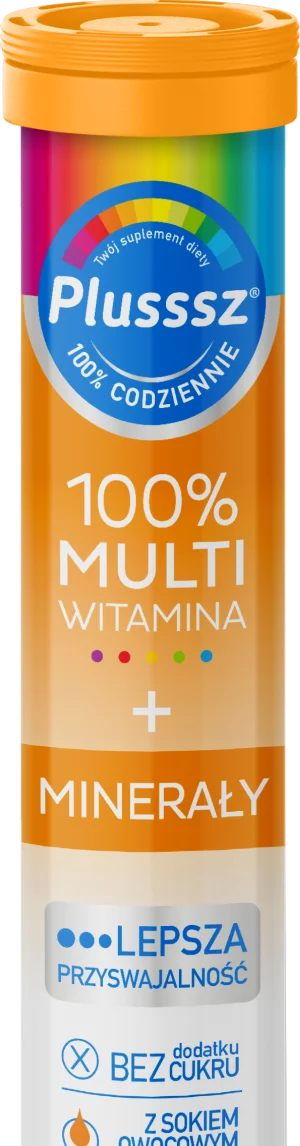
A multivitamin complex is designed to fill small gaps, not to correct large dietary holes. If you are weighing up options, you can compare formulas on the Plusssz UK website, paying close attention to the vitamin A content and to what else sits in the product.
Pro tip: Take your supplement with your largest meal of the day. Because vitamin A is fat-soluble, a meal containing some fat supports absorption far better than taking it on an empty stomach with water.
Most people eating a varied diet with regular eggs, dairy, oily fish and orange or green vegetables can meet their needs from food. The weak point is usually the weeks when appetite drops or training volume rises and meals become repetitive. If you cannot describe where your vitamin A comes from in a typical week, that is a sign to look more closely.
For most healthy adults, a supplement taken at the level stated on the label is reasonable as part of a varied diet. The safety issue is stacking: multivitamins, fortified foods, liver products and retinol skincare can all add up. Count your total intake before assuming a second product is harmless.
There is no good evidence that vitamin A boosts performance in someone who already eats enough of it. Its value for an active person lies in supporting the barrier and immune systems, which helps you keep training consistently. Expecting a noticeable jump in strength or endurance will only lead to disappointment.
Beta-carotene is a valuable part of a plant-rich diet and carries a lower risk of excess, but it is not a direct replacement for retinol for everyone. The body converts it only as needed, and conversion varies between individuals. If your diet is low in fruit and vegetables or you avoid animal foods, a retinol-containing product may be more reliable, provided you stay within label guidance.
Night vision problems are the classic early sign of low vitamin A. Dry eyes and skin, and more frequent infections, can also point towards a shortfall, though these signs are far less specific. If you notice any of them, speak to a GP rather than self-treating with high doses.
Do not start or change a retinol-containing product during pregnancy, or while trying to conceive, without advice from a GP, midwife or pharmacist. Beta-carotene from food is generally a different matter, and a balanced diet is the safest starting point. Always check with a professional before adding a supplement.
If you have tracked your vitamin A intake alongside your training and noticed a difference in how often you get ill or how quickly you recover, we would like to hear about your experience, so please share it with us.