Most lifters in the UK have been told to drink more water. Far fewer have been told that water alone can leave them flat during a hard session, especially when the gym is warm and the sets are heavy. People search for electrolytes weight training UK advice because sodium, potassium and magnesium drive muscle contraction and nerve signalling, and sweat takes them out of your body. This guide explains when electrolytes earn a place in your gym bag, which minerals matter for lifting, and how to avoid the mistakes that turn a useful habit into an expensive one.
Key Insight |
Explanation |
|---|---|
Plain water is often enough for short, moderate sessions |
If you lift for under an hour in a cool room and eat a varied diet, water and normal meals usually cover your needs. |
Sodium is the mineral you lose most in sweat |
Ohio State's sports dietitians identify sodium as the primary electrolyte lost in sweat, so it should be the focus of any gym product. |
Heavy, hot or long sessions change the maths |
For rigorous exercise, water alone is not enough, especially in heat or humidity. Replace water and electrolytes together. |
Look for white salt residue after training |
Dried white crust on your skin, cap or dark kit is a practical sign that you are a heavy sodium sweater. |
Weigh yourself before and after a session |
Body mass lost during training is a rough guide to fluid lost, which tells you how much to drink afterwards. |
More is not better |
Too many electrolytes can cause symptoms similar to too few. Lighter training days rarely need an electrolyte drink. |
Read the sodium figure, not the flavour |
Sports drinks typically contain between 35 and 200 mg of sodium, so the label decides whether a product suits your sweat rate. |
Lifting weights is not the same stress as a long run. A heavy session is built from short, intense efforts with rest in between, so you rarely get the steady sweat loss of endurance work. Heart rate still spikes, core temperature climbs under load, and sweat can keep coming across an hour in a crowded, warm room.
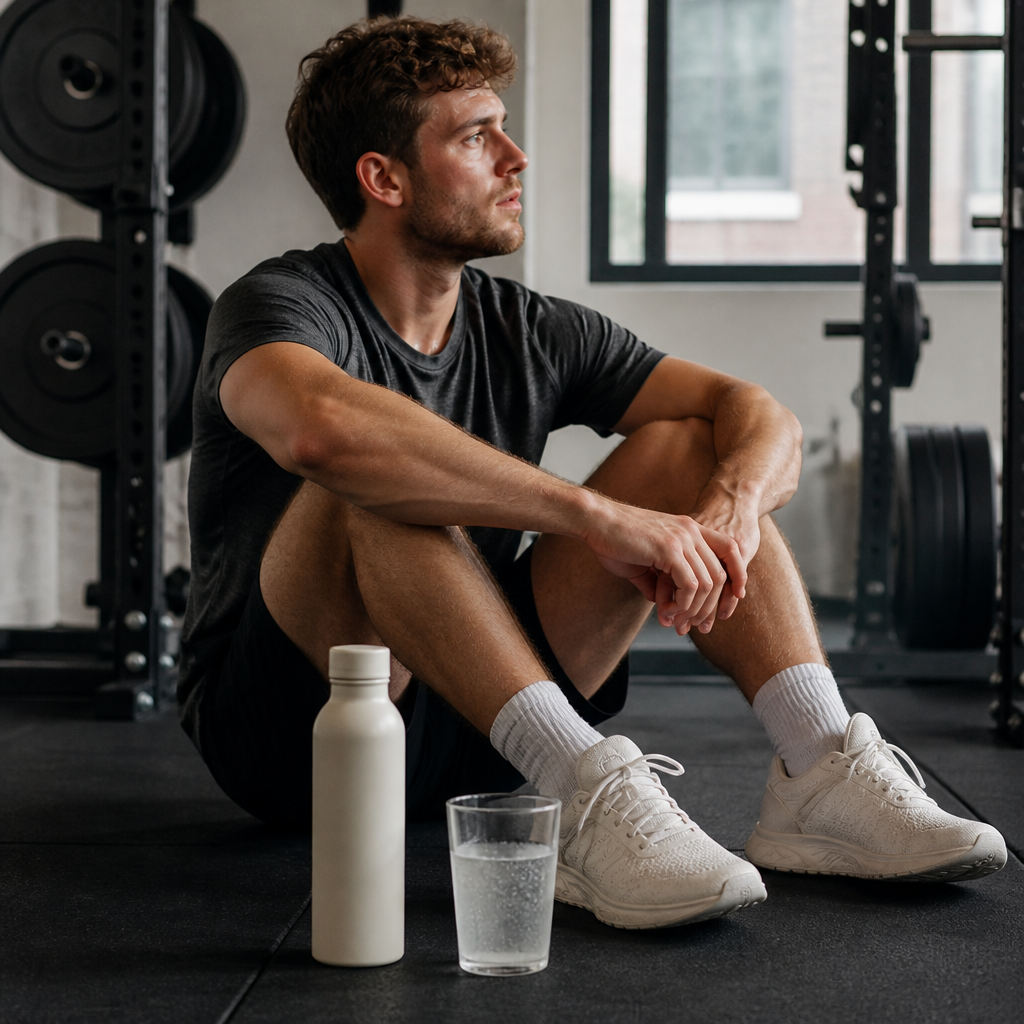
Electrolytes matter because muscle contraction depends on nerve signals, and those signals depend on minerals dissolved in your body fluids. When those minerals drop, the first things most lifters notice are fatigue, twitchy or cramping muscles, and a flat feeling in the final sets. Those symptoms are easy to blame on poor sleep or a bad programme, which is why they often go unaddressed.
Compare a 60 minute strength session with a 60 minute steady jog. The jog produces a continuous, predictable sweat rate, while a lifting session has bursts of effort, pauses and chalk, and a lot of standing around between sets. Many people assume the lower total effort means lower losses, but heavy compound lifts and short rest periods can still push sodium losses higher than expected.
Indoor gyms hide sweat loss. Air conditioning, fans and a steady breeze from the ceiling vents evaporate sweat before you notice it, so a lifter can finish a session soaked and feel fine. The result is that the drink is skipped, and the cramp arrives on the drive home.
Sweat is mostly water, but it carries dissolved minerals with it every time you train. Ohio State's sports dietitians describe sodium as the primary electrolyte people lose in sweat, which is why it is the mineral that matters most for a session. Potassium, calcium and magnesium also leave the body, though in smaller amounts.
Sodium helps your body hold onto fluid and keeps nerve signals firing. When you sweat heavily and drink only plain water, you dilute the sodium left in your blood, which is one reason some lifters feel waterlogged yet still cramp and fade. Replacing sodium alongside water is the simplest fix.
Sodium losses vary a lot between people. Some lifters sweat clean and light, while others leave a visible salt film on everything they wear. If you are in the second group, a sodium-free water bottle will never fully solve the problem.
UnitedHealthcare's overview of electrolytes notes that potassium helps the body's cells, heart and muscles function properly. Magnesium supports heart, muscle and nerve function and helps regulate blood sugar. Neither mineral is usually the reason a session falls apart, but they belong to the same system, so a product that only contains sodium is a partial answer.
In practice, a varied diet covers most people's potassium and magnesium needs. Supplementation helps most when you train hard, sweat a lot and eat little fruit, vegetables, dairy or pulses. A good electrolyte product fills the gap without replacing the food.
Thirst is a late signal. By the time you feel parched in the middle of a heavy session, you have usually been behind for a while.
You do not need a lab test to find out whether electrolytes are worth it for you. Two practical checks, used together, will tell you far more than a generic recommendation. Both take less than five minutes and cost nothing.
After a hard session, look at your skin, your hairline, your cap brim and your dark training shirts once they have dried. White crusts or stiff white lines point to high sodium loss. If you see nothing, your sodium losses are probably modest and a plain water approach may be enough.
Keep in mind that this check is a clue, not a diagnosis. Some people sweat sodium heavily but wipe it away before it dries, so use the crust test alongside the weigh-in below.
Weigh yourself naked or in minimal kit before a session, then again straight after, towel-dry first. Body mass lost is a rough guide to fluid lost, since one kilogram of body mass is roughly one litre of water. Aim to replace that fluid over the next few hours, not all at once in the car park.
Pro tip: Do the weigh-in on three or four similar sessions in a row before you decide what to drink. One session can be misleading because of heat, a late meal or a poor night's sleep, but a pattern is useful.
The format matters less than the sodium content and whether you will actually drink it. Water, powders, ready-to-drink mixes and tablets all deliver fluid, but they differ in how much sodium they carry and how easily you can measure it. Choose the one you will use consistently, because a product that stays in the cupboard does nothing.
Plain water is the right choice for a 40 minute upper body session on a cool morning, followed by a normal lunch. It is also the right choice on rest days and light recovery sessions. Adding an electrolyte product to every workout is an easy way to take in sugar, sweeteners and extra sodium you do not need.
A sodium-rich mix earns its place when you train hard in heat, run back-to-back sessions, or see salt crust after every workout. Plusssz's electrolyte hydration range is built around no added sugar, which suits lifters who already get carbohydrate from food. The key is to check the sodium on the label before you commit, not to assume that every electrolyte product is the same.
Approach |
Best for |
Main drawback |
|---|---|---|
Plain water with normal meals |
Short, moderate sessions in cool rooms |
Misses sodium during heavy, hot or long sessions |
Powder or ready-to-drink electrolyte mix |
Heavy, sweaty sessions and back-to-back training days |
Easy to overdo on light days, so check sodium per serving |
Hydration tablets |
Simple dosing and carrying a product to the gym |
Taste varies, so read the sodium and potassium content before buying |
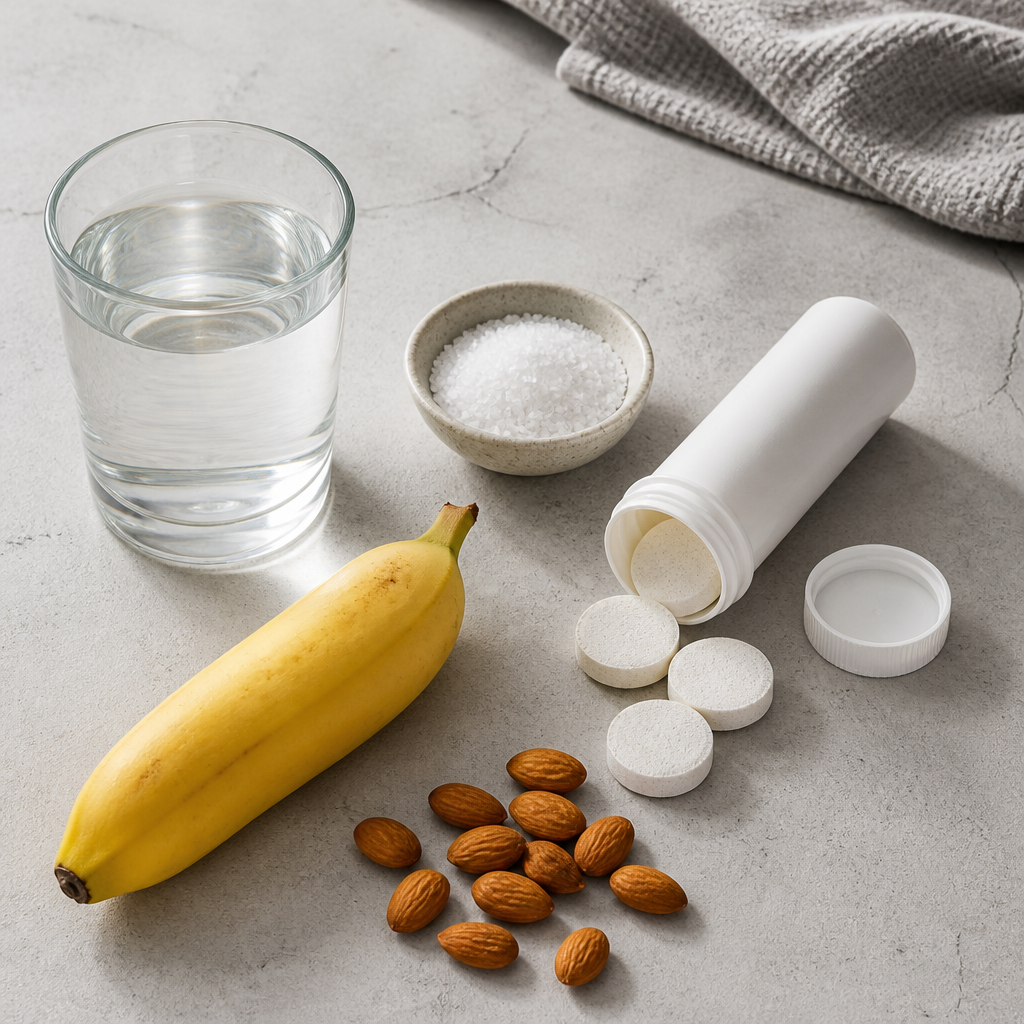
Ohio State's guidance is blunt on this point. Hydration tablets can be more convenient than a powdered drink, because you drop them into a bottle of water, shake and drink. The best product for you may simply be the one you like the taste of, provided it delivers enough sodium for how you sweat.
Sodium is where most lifters go wrong. They buy a product for its flavour or its branding, then drink it at the wrong times in the wrong amounts. A sensible approach starts with understanding the label and matching it to your losses, rather than chasing a universal number.
Ohio State's dietitians note that sports drinks usually contain between 35 and 200 mg of sodium, and some products sit higher than others. A bodyspec comparison of electrolyte drinks points to a sports drink or mix with moderate sodium and about 4 to 8 grams of carbohydrate per 100 mL. Use those ranges as a starting filter, then check the actual figure on the pack.
Be wary of products that promise a lot of benefit from a very small sodium figure. A drink with minimal sodium is mostly flavoured water, and it will not help a heavy sweater who is losing salt every session.
For a short, moderate session, plain water and a normal meal usually do the job. For a long, hot or heavy session, a moderate sodium mix sipped through the session can make the difference between finishing strong and fading in the last twenty minutes. Start with one product, use the salt crust and weigh-in checks for a few weeks, then adjust.
Pro tip: If you feel nauseous or bloated when you drink a strong electrolyte mix during a session, dilute it further or sip it more slowly. Gulping concentrated drinks between heavy sets often causes more discomfort than the sodium itself.
Timing and environment shape how much you need. A lifter training in a heated sports centre in the middle of a British evening has very different losses from someone doing a session outdoors in a cold, wet park. The principles are the same, but the numbers shift.
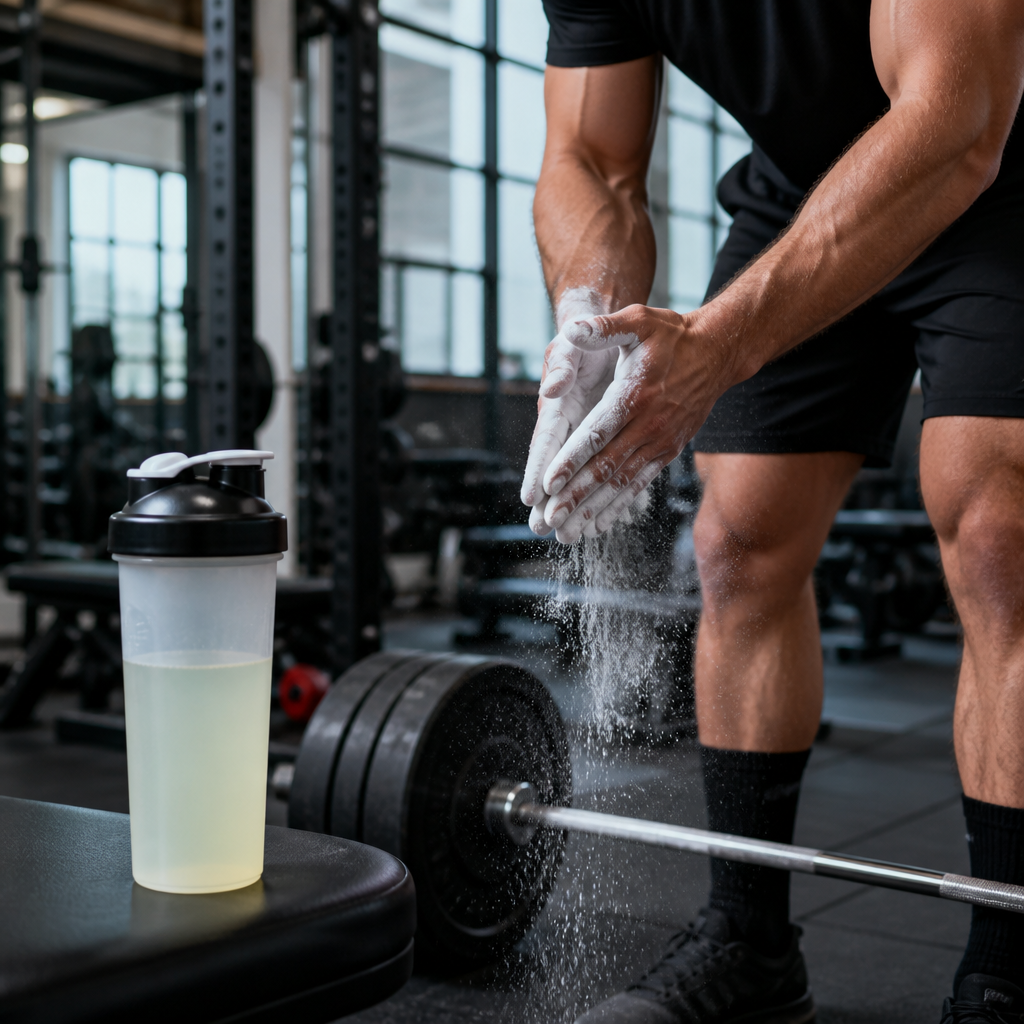
Heated studios and busy gyms with poor ventilation push sweat rates up even when the session feels moderate. Lifters often underestimate this because they feel comfortable, but sweat is still doing its job in the background. If your facility is hot and crowded, plan your electrolyte intake as if the session were harder than it feels.
Timing is simpler than most guides suggest. Start the session reasonably hydrated, sip during long rest periods rather than gulping at once, and finish with fluid and a balanced meal. Drinking a large volume of plain water late in the session can make you feel heavy without fixing the sodium gap.
Outdoor training in October and November is a different challenge. Cold air hides sweat, so many people drink less and then struggle with cramps and low energy once they are back indoors. Layers trap sweat against the skin, so the salt crust check is still worth doing after a cold session.
In practice, the drop in sweat visibility in autumn is the reason the weigh-in method is more reliable than instinct. If your body mass falls noticeably after a cold park session, your fluid losses were bigger than they felt, and the replacement plan should follow the numbers.
Most electrolyte problems in the gym are not dramatic. They are small habits that repeat week after week and quietly undermine training. Fixing them usually costs nothing and makes a bigger difference than switching products.
Electrolytes support hydration and nerve function, but they are not a stimulant and they do not replace sleep, protein or a sensible training plan. A lifter who drinks a sodium-heavy mix before every session but eats poorly and sleeps five hours is solving the wrong problem. Start with the basics, then add electrolytes where your losses justify it.
Some lifters respond to cramps by drinking large volumes of plain water, which dilutes the sodium they still have. That can leave them feeling bloated and still cramped. If you are sweating heavily, the answer is usually more sodium in the drink, not more water.
Pro tip: Keep a simple log for two weeks. Record the session type, the weigh-in change, whether you saw salt crust and how you felt in the final sets. Patterns in that log will show you more about your electrolyte needs than any general guide.
Usually not, unless the session is hot, very sweaty or followed by another demanding effort. For a moderate session in a cool room, water and a normal meal are generally enough. Use the salt crust and weigh-in checks to find out whether your losses are larger than average.
For most people, daily use is unnecessary if they are not training intensely, and it can add sugar or sodium they do not need. If you have a medical condition, take blood pressure medication or have been told to limit salt, speak to your GP before adding a daily product.
Many people can, provided they eat a varied diet and drink enough water. UnitedHealthcare notes that about 20% of an adult's water intake comes from food, which shows how much of your hydration sits on your plate. Heavy, sweaty training is the situation where food alone often falls short.
Sodium is the one to focus on, because Ohio State's sports dietitians identify it as the primary electrolyte lost in sweat. Potassium and magnesium also matter for muscle and nerve function, so a balanced product or diet covers the wider picture.
Sipping during longer or harder sessions tends to work better than drinking a large amount beforehand. Start the session reasonably hydrated, then use the rest periods to take small amounts. Finish with fluid and a balanced meal once you have finished training.
Both can deliver the same minerals, so the form matters less than the sodium content and whether you will use it consistently. Tablets are convenient to carry and dose, while powders can be easier to adjust. Choose on sodium per serving, taste and how often you will train.
Tell us in the comments or by getting in touch which type of session first made you reach for electrolytes, and what you noticed once you started using them.