Most beginners treat a 5K like a small event and eat accordingly, which usually means either skipping breakfast or piling into a heavy meal and hoping for the best. Neither works well. A 5K is short enough that your body already holds most of the fuel it needs, so your job is less about loading up and more about avoiding the stomach cramps, mid-run toilet stops and fading legs that come from getting the basics wrong. This checklist covers what 5K running nutrition in the UK looks like in practice, from the days before race day to the drink you take at the start line.
Key Insight |
Explanation |
|---|---|
Carb loading is for longer events |
The practice is aimed at races of 90 minutes or more. A 5K is usually over long before that, so a normal carbohydrate-based diet is enough. |
Start hydrating days ahead |
Sip water through the days before the race rather than drinking heavily in the final minutes. |
Aim for 500-600ml two to three hours out |
This gives your body time to deal with the fluid before you reach the start line. |
Keep the pre-race breakfast light |
Around 200-300 calories, mostly easy-to-digest carbohydrate, eaten one to two hours before running. |
Limit fibre and fat before running |
Aim for under 10g of fibre per serving and 5-10g of fat, and skip spicy food. |
Test everything in training first |
Race morning is the wrong time to find out that a food or drink upsets your stomach. |
Use electrolytes when sweat losses are high |
Hot, humid or early sessions make a stronger case, and sugar-free options suit anyone avoiding added sugar. |
Carb loading gets all the attention in running circles, but it is designed for a different distance. The practice of cutting back on protein and fat while stacking carbohydrate-heavy meals is aimed at events lasting 90 minutes or longer, such as half marathons and marathons. A 5K is usually finished well inside that window.
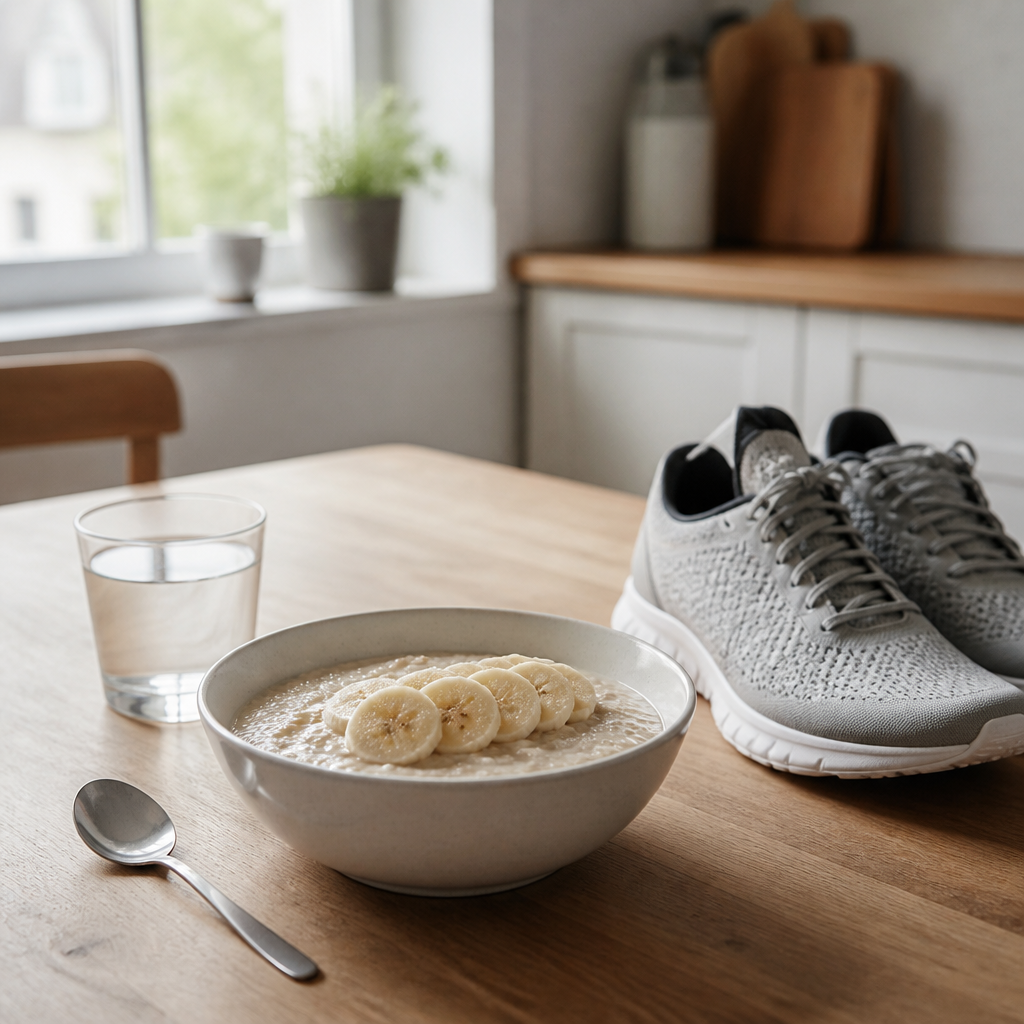
Your body already stores enough energy for most 5K runners to race well without running out of fuel. In practice, a normal diet with plenty of carbohydrate across the week does more for you than a dramatic pasta binge the night before. The goal is consistency, not excess.
Most UK runners training for a 5K can cover their needs with wholesome meals built around a mix of carbohydrates, protein and healthy fats. Carbohydrate supplies the energy for running, protein helps your muscles repair, and fats keep you satisfied between meals. If one of those three is missing from most of your meals, your training will feel harder than it should.
Guidance from the US Department of Agriculture, which other health services repeat, suggests making half your grains whole grains and half your plate fruit and vegetables. Limiting added sugars and saturated fats fits the same pattern. Swapping a sugary breakfast for oatmeal with berries or scrambled eggs on a bagel with fruit is a small change that adds up over a training block.
The night before your race, eat a familiar meal built from pasta, rice, potatoes, bread or fruit. These foods help your body store energy without asking your gut to handle anything unusual. A plate of pasta you have eaten many times is a far better choice than a restaurant dish you have never tried.
A common mistake is treating the evening meal as the moment to try something new. Do not add a new sauce, spice blend or protein bar on the eve of your first 5K. Keep it plain, keep it familiar and go to bed without a full stomach.
Hydration for a 5K starts several days out, not on the morning of the race. Sip water regularly through the week so your body is well supplied when race day arrives. Drinking a large amount in the final minutes before the start is one of the most common causes of mid-run toilet breaks and sloshing discomfort.
Most 5K problems are decided days before the start line, not in the last ten minutes.
On race morning, aim to drink 500-600ml of fluid around two to three hours before the start. This is enough to top up your fluid levels while leaving time for your body to process what you have drunk. Wash down your pre-race meal with that fluid rather than taking it as a separate task.
Pro tip: Keep a water bottle beside your breakfast the day before, so you drink through the meal without having to think about it. Routine beats willpower when the alarm goes off early.
Coffee, tea and sports drinks can all be part of your pre-race routine, but only if you already drink them before training and they sit well with your stomach. A new caffeinated drink on race morning is a gamble. If your usual cup of tea is fine before a long run, it is probably fine before a 5K too.
Sugar-free electrolyte drinks are a practical choice for people who want the fluid and salts without added sugar. Test any drink in a training session before you rely on it. Your stomach is the judge, not the label.
If your 5K is in the morning, eat a light meal one to two hours before the start. It should be large enough to take the edge off hunger but small enough that you do not feel full when the gun goes. Most beginners get this wrong by eating too little, too close to the start, or too much and too early.
Aim for a meal of around 200-300 calories. The bulk of those calories should come from familiar, easy-to-digest carbohydrate. Keep fibre under 10g per serving, or lower if you have a sensitive stomach, and limit fat to roughly 5-10g.
Fibre and fat both take a long time to digest, which is why they cause problems on the start line. Wholegrain toast with a thick layer of nut butter may be healthy in a normal day, but it is a poor choice two hours before you run. Spicy food is also best avoided, because it can upset your stomach at the worst possible moment.
A bagel with a small peeled apple and 250ml of sports drink works well for runners who want quick energy and fluid together. An English muffin topped with two tablespoons of jam and a piece of fruit is another simple option that keeps fibre and fat low. A bowl of porridge with fruit also suits many runners, though a sugar-free version using fresh berries or banana fits anyone trying to cut added sugar.
Whichever you choose, try it on at least two or three training runs. The breakfast that sits well on a Saturday long run may not sit well when you are nervous on race morning. Repeat the same meal so there are no surprises.
Afternoon and early evening races change the plan. What you eat at breakfast and lunch will shape how you feel during the race, so keep both meals light and familiar. A big lunch that sits heavily in your stomach will still be there when you line up at 5pm.
Use a snack about one to two hours before the start if you feel hungry, but keep it small and low in fibre and fat. The principle is the same as the morning plan, just spread across the whole day.
For most beginners, plain water with a normal breakfast is all that is needed on race morning. A 5K is short, and a well-hydrated start usually carries you to the finish without a drink in between. Electrolytes become more relevant when conditions push your sweat losses higher.
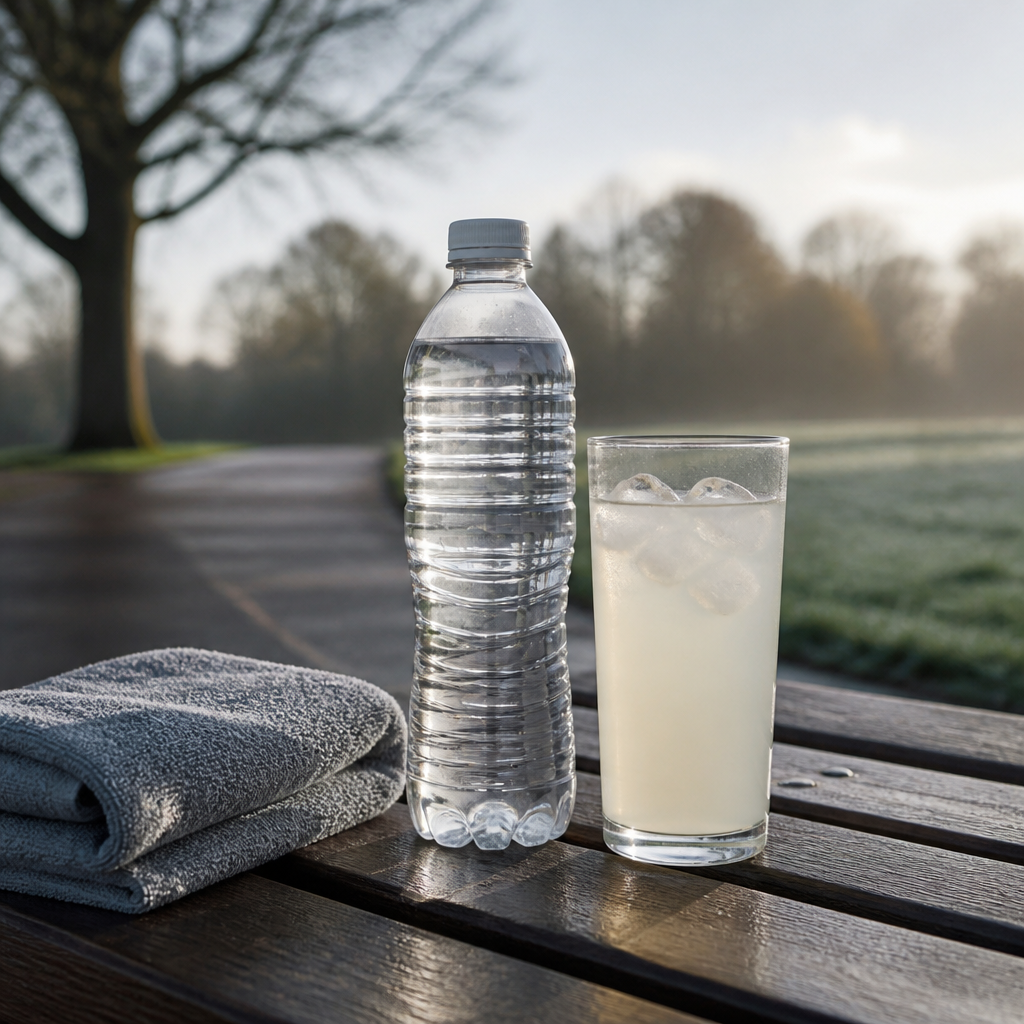
On a cool morning, with a sensible pre-race drink and no unusual effort in the days before, water is usually sufficient. Most people will not need to drink during a 5K at all. Taking a few sips at a water station is fine, but gulping a large volume mid-race can cause discomfort.
Think of water as the default. Electrolytes are the tool you reach for when the default is not enough.
Electrolytes make the most sense on hot or humid days, on early starts after a heavy sweat session, and for runners who know they lose a lot of salt when they sweat. You will often see the white residue on clothing or feel cramps creeping in on long training runs, and those are clues worth noting. A sugar-free electrolyte drink can replace those salts without adding the sugar that other drinks bring.
The aim is not to drink as much as possible. It is to match what you take in to what you lose, so keep the concentration and volume sensible and follow the product instructions.
Before race day, use the same electrolyte drink on two or three runs of similar length and temperature. Notice the taste, how your stomach feels afterwards and whether you want more or less of it. If the drink makes you feel bloated or nauseous, change it before the race rather than hoping it will settle.
Never try a new electrolyte drink for the first time on race morning. Your training runs are where you learn whether it suits you, and race day is where you simply use what you already know.
Beginners usually choose between three basic approaches on race morning. Each has a clear use case, and each fails in a predictable way when it is used in the wrong situation. The table below compares them so you can match the choice to your own training and conditions.
Approach |
Best suited to |
Main drawback |
|---|---|---|
Plain water with a light, familiar breakfast |
Cool mornings and runners who sweat lightly |
May not replace salts if conditions are hot, humid or the session is very intense |
Sports drink with a small breakfast such as a bagel and apple |
Runners who already use sports drinks in training and tolerate the sugar |
Sugar and volume can upset a stomach that has not been tested before |
Sugar-free electrolyte drink alongside water |
Hot days, early starts after heavy sweating, and anyone avoiding added sugar |
Taste and stomach tolerance vary, so it must be trialled in training |
For most people starting out, the first row is the right default. The second and third options are useful additions, but only once you have tested them. Mixing all three on race morning without a trial run is how beginners end up with an upset stomach at the two-kilometre mark.
Most fuelling problems on 5K race day are not caused by a lack of knowledge. They come from small decisions that feel sensible in the moment. Knowing the usual traps makes them easier to avoid.
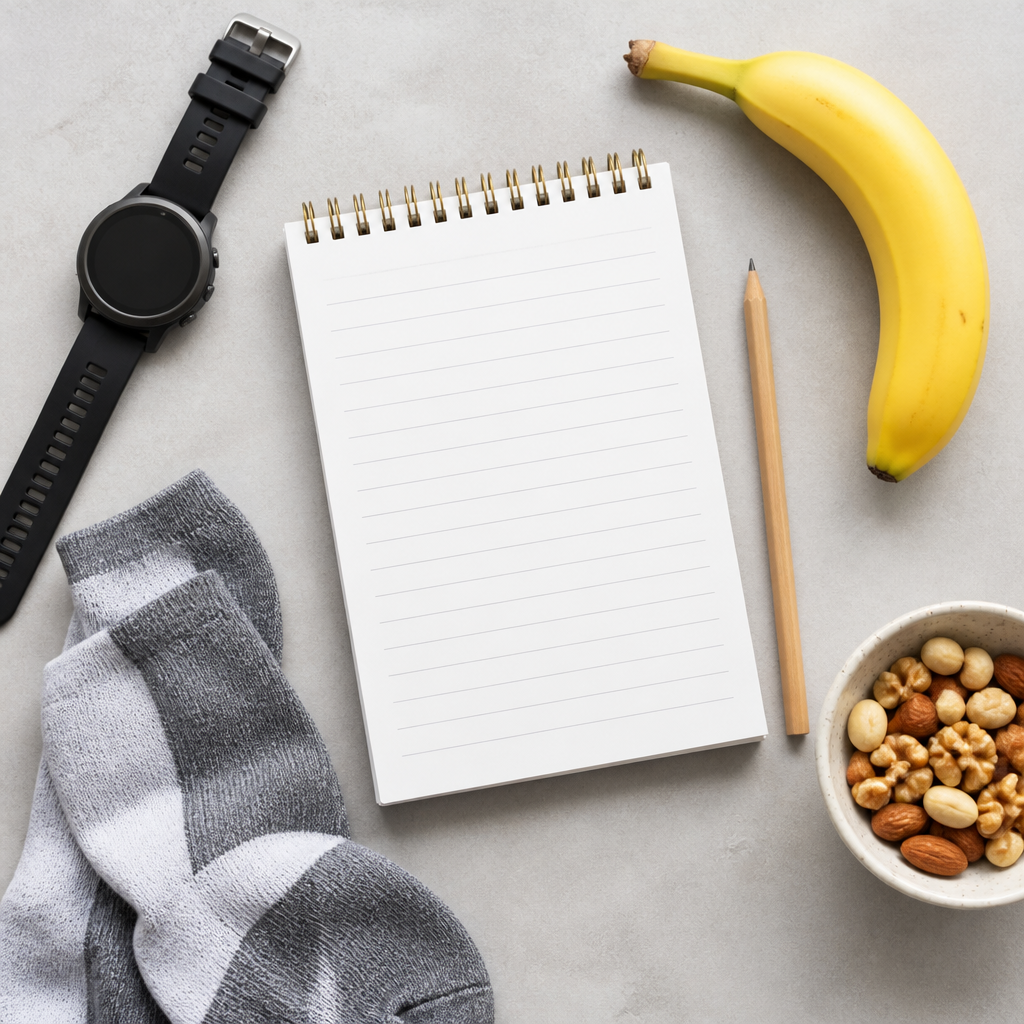
Nerves make people want to do something different, such as a new energy gel, an unfamiliar breakfast bar or a drink they saw recommended online. Resist that urge. Every new food or drink is a variable you have not tested, and race morning has enough variables already.
If you must try something new, do it on a training run that is similar in length and timing. That way, you learn how it feels without risking your race.
Many beginners think more water means better performance, so they drink until the moment they line up. The result is a full stomach, a rushed trip to the toilet or a sloshing feeling for the first kilometre. Front-load your hydration instead, with the bulk of your fluid taken well before the race.
Pro tip: If you still feel thirsty in the final 20 minutes, take only a small sip rather than a full bottle. Your body has already had the time it needed to absorb the earlier fluid.
High-fibre breakfasts, bran cereals and large portions of beans or lentils can feel virtuous in the morning, but they can cause real trouble on a run. The same goes for curries, chilli and rich sauces. Keep your pre-race food plain, familiar and low in fibre and fat, and save the healthy high-fibre meals for days when you are not racing.
Use this checklist to turn the advice above into a routine you can repeat. It is designed for beginners, so each item is simple enough to do without tracking every gram. Tick them off across your training block and again in race week.
Pro tip: Write your checklist on a card and keep it in your running bag. A simple written plan prevents the nerves-driven guesswork that causes most race-day fuelling mistakes.
Aim for 500-600ml of fluid around two to three hours before the start, and sip water steadily through the days before the race. Avoid drinking large amounts in the final minutes, because that is the usual cause of discomfort on the start line.
No. Carb loading is designed for events lasting 90 minutes or more. For a 5K, a normal diet with plenty of carbohydrate across the week and a light, familiar meal the night before is enough.
Choose a light meal of around 200-300 calories, mostly from easy-to-digest carbohydrate, and eat it one to two hours before the start. Keep fibre low, fat limited to roughly 5-10g and avoid spicy food. Test the meal in training first.
Not always. Plain water is usually enough on a cool morning. Electrolytes make more sense on hot or humid days, on early starts after heavy sweating, or if you notice salt residue on your kit or cramping during training.
Most beginners do not need to drink during a 5K at all. If you do want a drink on the course, only use one you have already tested in training, because an unfamiliar drink taken mid-race can cause stomach problems.
Keep breakfast and lunch light and familiar, so they do not sit heavily when you race. A small, low-fibre snack one to two hours before the start can help if you feel hungry.
Tell us what you ate before your first 5K and how your stomach and legs responded, because real race-day experiences are the best way to refine this checklist.