If you have spent any time in a UK gym or on a local running route, you have probably heard someone swear by creatine and someone else by electrolytes, often in the same conversation. The two get lumped together because both sit on the same shelf and both appear in training routines. They do completely different jobs, though, and treating them as interchangeable is one of the most common ways people end up with the wrong product. This guide explains what each one does, where they overlap, and how to think about creatine vs electrolytes UK training needs without the hype.
Key Insight |
Explanation |
|---|---|
Creatine is not an electrolyte |
It is an organic compound your body makes and stores mainly in skeletal muscle. It works on muscle energy supply, not on fluid balance. |
Electrolytes are charged minerals |
Sodium, potassium, chloride, magnesium and calcium carry an electrical charge and help control fluid balance, nerve signals and muscle contraction. |
Sweat loss decides the electrolyte question |
If your session is short and you barely sweat, you usually do not need an electrolyte product. Long, hot or heavy sweating sessions are where it earns its place. |
Creatine is a daily habit |
The benefit comes from keeping muscle stores topped up over weeks. A single dose before one session is not the point. |
Taking both is about need, not clashing ingredients |
For most healthy adults the choice comes down to your training load and budget. Anyone with a kidney condition or on medication that affects salt or fluid balance should check with a GP or pharmacist first. |
Read the label for minerals, not just sugar |
A no added sugar claim tells you nothing about how much sodium or potassium is in each serving. Compare those figures before you buy. |
Creatine is a compound your body produces naturally from amino acids, and most of it is stored in skeletal muscle. In muscle it helps regenerate ATP, the immediate energy currency your body uses in short, hard efforts such as a heavy set, a sprint or a fast change of direction in a football match.

The research base behind creatine is large and mostly centres on high intensity work and repeated short efforts. A review by Wax and colleagues, published in the journal Nutrients in 2021, covers creatine for exercise and sports performance along with recovery considerations for healthy populations. It is one of the first places to look if you want to understand what the evidence actually supports.
In practice, creatine is a daily habit rather than a pre-session hit. Most people take a steady daily amount, and the benefit builds as muscle stores stay full over weeks. Missing the odd day matters far less than being inconsistent for a month.
Electrolytes are minerals that dissolve in body fluids and carry an electrical charge. Creatine is built from carbon, hydrogen, nitrogen and oxygen, and it contains no mineral content. That means it cannot replace the sodium or potassium you lose in sweat, however much you take.
A simple test: if a product's main job is replacing salts lost in sweat, it is an electrolyte product. If its main job is supporting muscle energy across repeated efforts, it is a creatine product.
This is the distinction that causes the most confusion on shop shelves. Two products can share a tub, a flavour and a marketing line, and still do opposite jobs inside your body.
Electrolytes are the charged minerals that keep your body's fluids working. Runner's World describes them as ions that conduct electrical signals, helping to maintain fluid levels, allow proper muscular contraction, regulate pH and support nerve function. Sodium, potassium, chloride, magnesium, calcium and phosphate are the ones most relevant to training.
Sweat is mostly water, but it also carries sodium and chloride. Sodium is the mineral people lose most noticeably, and it is the one that shows up as salt crust on clothing after a hard session. Plain water helps with hydration, but in very long efforts drinking large volumes without any salt can dilute the sodium left in your blood, which is why sodium features in so many products.
Food covers a lot of this for most people. The problem arises when sweat losses run well beyond your normal daily intake, and a salty breakfast does not refill what was lost during a 90 minute session.
Potassium is also lost in sweat, though in smaller amounts than sodium, and it works alongside sodium in nerve and muscle function. Magnesium and calcium play their own roles in muscle contraction and relaxation. Most people get these from a varied diet, which is why a food-first approach should always come before any product.
Pro tip: Weigh yourself before and after a typical hard session, wearing similar clothes each time. A drop of more than a kilogram suggests you lost a meaningful amount of fluid, and it tells you more about your personal sweat rate than any general guideline.
The overlap is mostly on the packaging. Both creatine and electrolytes come as powders, tablets and drinks, and both are sold to people who train hard. Only one of them is designed to address fluid and mineral loss, and that difference should guide your choice.
People often ask whether mixing creatine and electrolytes causes problems. Verywell Health's explainer on this question makes a useful point: creatine draws fluid into muscle cells, while electrolytes help maintain fluid volume in the blood plasma. Those are different compartments of the body, so the two are not competing for the same job.
For most healthy adults, combining them is a question of need and budget rather than chemistry. If you have a kidney condition, take medication that affects salt or fluid balance, or have been advised to limit sodium, speak to your GP or pharmacist before combining them.
Creatine can nudge the scales up a little because water is held inside muscle. That is not dehydration, and it is not fluid you need to replace with an electrolyte drink. Treating that small weight change as a reason to stop drinking is a mistake, because it pulls water out of the picture just when you need it.
Not every session needs an electrolyte product. A 40 minute steady run on a cool morning, or a light gym session with plenty of rest between sets, usually does not produce the sweat losses that justify one. The real question is how much you are sweating and how long you are going for.

If you train for more than roughly an hour, or you finish with a white film of salt on your kit, you are losing enough sodium that food and plain water may not keep up. This is where electrolyte drinks, tablets and powders are genuinely useful. Taking them during long sessions and around hard efforts helps you finish strong rather than fading in the last third.
Heavy sweaters are a different group. Some people lose far more sodium than their training partners do, and this is partly genetic. If you notice salt marks on your clothes or cramp during training that others never mention, your needs are probably higher than the general advice suggests.
Indoor sessions catch people out. A packed spin class in a heated studio or a hard circuit in a poorly ventilated hall can produce heavy sweat without feeling extreme. Because the environment feels manageable, many people underestimate what they have lost and skip replacing it, which makes the next session harder.
Pro tip: If you are training indoors in a heated space, plan your electrolyte intake the same way you would for an outdoor run of the same length. Heat load matters more than the label on the wall.
The right choice depends on what you are training for, not on which product is trending on social media this week. Each training style creates a different demand, so it helps to match the product to the demand.
For lifters, sprinters and anyone whose sessions are built on repeated high intensity efforts, creatine has the stronger research base. Its role in supporting muscle energy across repeated work is the reason it sits at the centre of many training plans. Electrolytes matter less here unless the session is long, hot or unusually sweaty.
In practice, a strength athlete training for an hour in a well-ventilated gym gets more from consistent creatine intake and sleep than from an electrolyte drink. Adding electrolytes will not make up for a missed daily dose.
Runners, cyclists and footballers playing in autumn drizzle face sustained sweat losses that can last well over an hour. For these athletes electrolytes make the most sense during and after training, especially when conditions are warm or the session is long. Creatine may still help some athletes in stop-start team sports, but it does not replace the sodium lost through sweat.
Vegetarians and vegans deserve a specific mention. Creatine is found mainly in meat and fish, so people who eat little or none of these may have lower baseline intake from diet. That is a reason to consider creatine as a deliberate part of the plan, not an automatic one.
The table below compares three common approaches athletes use to support training. They are not interchangeable, and each one fits a different situation.
Approach |
Main Job in the Body |
Best Fit for Training |
|---|---|---|
Creatine monohydrate taken daily |
Supports muscle energy during repeated short, hard efforts |
Strength, sprint and high intensity training |
Electrolyte drinks, tablets and powders |
Replaces sodium, potassium and other minerals lost in sweat |
Long, hot or heavy sweating sessions |
Food-first mineral intake with regular water |
Covers everyday losses through meals and fluid across the day |
Light to moderate training in normal conditions |
The comparison makes one thing clear: creatine supports what your muscles do, while electrolytes support the fluid and mineral balance that keeps you functioning through sweat. Most athletes who train seriously need both ideas in their plan, but they need them for different reasons.
A no added sugar claim is useful, but it only tells you about sugar. Check the sodium and potassium per serving, and be wary of products that list a long blend of ingredients without giving clear amounts. If a creatine product also contains a large mineral blend, check whether you are paying for something you do not need.
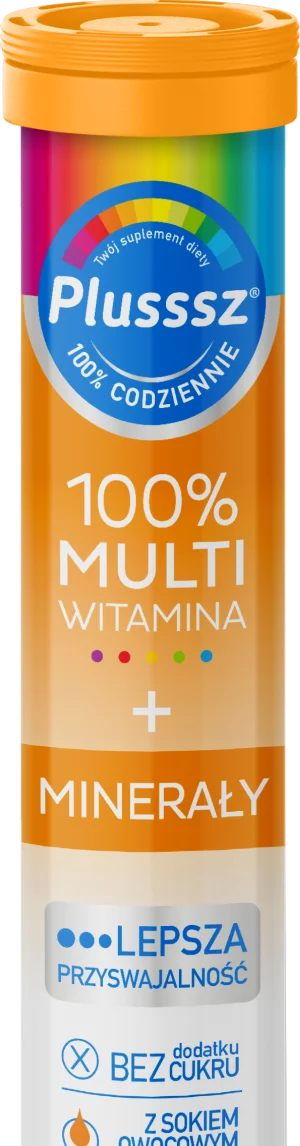
Plusssz UK formulates its electrolyte hydration products with no added sugar, so the label focus should be on the minerals themselves. Whichever brand you choose, compare the figures rather than relying on the front of the pack.
Most of the problems athletes run into are not about the products themselves. They come from using the wrong product for the wrong reason, or from dropping a useful habit after a week because nothing seemed to change.

Electrolytes do not replace water. Drinking a salty mix while ignoring plain fluid during a long session leaves you under-hydrated in a different way. Sip water through the session, use electrolytes when sweat losses are high, and drink normally afterwards.
Creatine works through consistent daily intake, so stopping after two weeks because you did not feel a dramatic difference misses the point. Judge it over a training block of several weeks, alongside your sleep, food and session quality.
Pro tip: Pick a fixed time for your creatine, such as with breakfast, and stick to it. Consistency is easier to maintain when the habit is attached to something you already do every day.
No. Creatine is an organic compound that your body makes and stores mainly in muscle. Electrolytes are charged minerals such as sodium and potassium, and creatine does not replace them.
For most healthy adults, yes, provided you need both. The two work on different parts of the body, so the decision is about your training load and budget. If you have a kidney condition or take medication that affects salt or fluid balance, check with your GP or pharmacist first.
Usually not, unless the session is hot, you sweat heavily, or you notice salt marks on your kit. For most one hour sessions in normal conditions, food and water cover the losses.
No. Creatine pulls water into muscle cells rather than drawing it out of your body. A small rise on the scales reflects water stored in muscle, so it is not a reason to skip drinking.
Start with diet. Creatine is found mainly in meat and fish, so people who eat little or none of these may have lower baseline intake. Creatine supplementation is a deliberate option to discuss with a healthcare professional, while electrolytes depend on how much you sweat.
Compare the sodium and potassium per serving with how much you sweat. Weigh yourself before and after hard sessions, and adjust your intake if you consistently lose a large amount of weight through sweat.
Have you noticed a difference between taking creatine and electrolytes in your own training, and what would you like us to cover next?