Most UK athletes obsessing over protein timing, creatine loading, and electrolyte balance completely overlook niacin vitamin B3 UK intake, even though this water-soluble vitamin sits at the very centre of how your body converts food into the energy that powers every rep, interval, and long run. It is not a headline-grabbing ingredient, which is exactly why so many active adults are quietly running suboptimal energy metabolism without realising it. If you have ever wondered why your training hits a wall despite solid nutrition, B3 deserves a much closer look.
Key Insight |
Explanation |
|---|---|
B3 is a coenzyme essential for energy metabolism |
Niacin acts as a fundamental coenzyme in enzymatic reactions that release energy from carbohydrates, fats, and proteins during exercise. |
NAD+ is niacin's most important metabolite for athletes |
The body converts B3 into nicotinamide adenine dinucleotide (NAD+), the molecule that drives ATP production in the mitochondria. |
Deficiency affects endurance and recovery before it becomes clinically obvious |
Suboptimal niacin intake can reduce exercise tolerance, increase fatigue, and impair muscle recovery well before a frank deficiency shows up on a blood test. |
Nicotinamide is the flush-free form preferred in multivitamins |
Unlike nicotinic acid, nicotinamide (niacinamide) does not cause the skin-flushing side effect and is widely used in sports multivitamin formulations. |
Megadoses can actually harm performance |
High-dose niacin supplementation has been associated with impaired fat oxidation during exercise, making precise dosing more important than simply "more is better." |
The UK RDA is 16 mg for men and 14 mg for women |
Active individuals with higher energy demands may have increased requirements that a standard diet alone does not always reliably cover. |
B3 supports cell repair and oxidative stress protection |
Beyond energy conversion, niacin aids DNA repair and protects cells from oxidative damage that accumulates during intense training. |
Niacin is a water-soluble B vitamin that the body cannot produce in adequate amounts on its own, which means it must come from food or supplementation. It appears on ingredient lists under several names: niacin, nicotinic acid, nicotinamide, and niacinamide. For the purposes of exercise physiology, they all point back to the same functional role: keeping the biochemical machinery of energy production running.
Niacin functions as a coenzyme in enzymatic reactions of energy metabolism, meaning it does not provide energy itself but enables the reactions that extract energy from the food you eat. When you push through a tough session on the bike or grind through a strength circuit, your muscles are demanding ATP at rates that only a well-functioning energy metabolism can sustain. Without adequate B3, those reactions slow down at a fundamental level.
Niacin also plays roles beyond pure energy production. It aids tissue repair after training, supports cell signalling, contributes to DNA repair processes, and helps protect cells from the oxidative stress generated by hard exercise. This multi-role profile is why it belongs in every serious athlete's nutritional checklist, not just as an afterthought on a label.


The most important thing niacin does for athletic performance is serve as the primary dietary precursor to nicotinamide adenine dinucleotide (NAD+). NAD+ is the coenzyme that sits at the heart of cellular energy production, shuttling electrons through the metabolic pathways that ultimately generate ATP in the mitochondria.
During intense training, energy demand multiplies rapidly. The mitochondria must convert nutrients into ATP at an accelerating rate, and NAD+ is the molecule that makes this possible. Without sufficient NAD+ available, that conversion process becomes a bottleneck. In practical terms, you hit your energy limit sooner, your muscles fatigue faster, and recovery after the session takes longer.
NAD+ is also a substrate for enzymes involved in mitochondrial biogenesis, the process by which your body builds new mitochondria in response to training stress. This is one of the core physiological adaptations that separates well-conditioned athletes from those who plateau. If your niacin intake is chronically low, you may be quietly limiting that adaptation.
Reduced NAD+ availability can lower ATP output in the mitochondria, increase oxidative stress within muscle cells, and impair both muscle and cognitive function. The result is a cluster of symptoms that active adults often attribute to overtraining or poor sleep: persistent tiredness, reduced exercise tolerance, sluggish recovery, and difficulty concentrating during training. Getting niacin intake right is one of the most overlooked steps in addressing these symptoms.
NAD+ drives the fundamental chemical reactions that transform nutrients into ATP, the body's primary cellular fuel. When NAD+ levels drop, athletic performance follows, and recovery slows considerably.
Pro tip: If you consistently feel flat in sessions despite adequate sleep and caloric intake, do not immediately reach for stimulants. Audit your B vitamin intake first, paying particular attention to niacin. A quality multivitamin formulated for active adults that includes a well-absorbed form of B3 is often the simplest and most overlooked fix.
The relationship between B3 exercise performance and supplementation is more nuanced than most supplement marketing suggests, and understanding the actual science protects you from both overhyped claims and unnecessary avoidance.
Research is clear that B vitamins including niacin play a fundamental role as coenzymes in the enzymatic reactions of energy metabolism, and that increased energy demand during physical exercise can alter the requirements for these vitamins. Where the picture becomes more complicated is whether supplementing niacin beyond adequate levels produces additional performance gains in athletes who are already meeting their baseline requirements.
A narrative review examining B complex vitamins and exercise performance concluded that supplementation with these vitamins does not necessarily produce ergogenic effects in already-replete individuals. In other words, if your intake is already sufficient, adding more will not make you faster or stronger. But the emphasis here is on sufficiency. The question for most active UK adults is whether they are actually hitting that baseline, and that is less certain than many assume.
There is also a clear counterpoint to the "more is better" mindset: evidence indicates that high niacin intake can harm exercise performance, not help it. Supplementing with very large doses of nicotinic acid has been associated with impaired fat oxidation during exercise. The body's ability to use fat as a fuel source during sustained endurance activity is essential for preserving glycogen and maintaining performance over longer durations. Disrupting that process by taking excessive niacin doses is the opposite of what you want.
The practical takeaway is straightforward: aim for consistent, well-absorbed adequacy rather than megadosing. A well-formulated multivitamin targeting active adults will typically include niacin at meaningful but not excessive levels, which is exactly the right approach.
Pro tip: Check the niacin content in any multivitamin you are considering. Products aimed at active individuals should include a bioavailable form at levels that support your increased energy demands without tipping into the range associated with fat oxidation interference. Transparency on form and dose is a key differentiator between a serious formulation and a superficial one.

Not all niacin on a supplement label is identical. The two forms you will encounter most often are nicotinic acid and nicotinamide (also called niacinamide), and they behave quite differently in the body.
Nicotinic acid is the form associated with the well-known "niacin flush," a warm, tingling, reddening sensation on the skin that can occur after taking doses above around 30 mg. The flush is caused by the release of prostaglandins and increased blood flow to the skin. While harmless in most cases, it is genuinely unpleasant for many people, and it is the main reason nicotinic acid is rarely the preferred choice in multivitamin formulations designed for daily use. It diminishes with regular use over time, but it is still a meaningful barrier to consistent supplementation.
Nicotinamide is the flush-free form of B3. It does not produce the skin response, making it far better tolerated for daily supplementation. It is the active form of B3 and a direct component of the NAD coenzyme, which means it contributes to the same fundamental energy and repair processes as nicotinic acid without the side effect profile. This is the form most often found in well-designed multivitamin complexes for active adults, and it is the sensible choice for consistent daily use.
For most active individuals taking a daily multivitamin, nicotinamide is the practical choice. The exception would be therapeutic, medically supervised use at high doses for specific health conditions, which falls outside the scope of everyday sports nutrition. When you are choosing a multivitamin to support your training and recovery, look for nicotinamide or niacinamide on the label rather than nicotinic acid if you want flush-free, comfortable daily supplementation.
Niacin is found in a reasonable range of everyday UK foods. The richest sources are animal proteins: beef liver, chicken breast, turkey, tuna, salmon, and mackerel are all excellent sources. For those following plant-based or flexitarian diets, options include peanuts, nutritional yeast, sunflower seeds, mushrooms, and whole grains, though bioavailability from some plant sources can be lower.
The UK reference nutrient intake (equivalent to the recommended daily amount) for niacin is 16 mg niacin equivalents for adult men and 14 mg for adult women. On the surface, this looks achievable from diet alone for most people eating a varied omnivore diet. The issue for active individuals is that exercise significantly increases energy turnover, which means the enzymatic machinery that depends on NAD+ is working harder and may have higher throughput demands on B3.
A common mistake among active UK adults is assuming that eating "enough protein" automatically covers their micronutrient bases. It does not. Athletes who are in a caloric deficit during weight-cutting phases, those who restrict food groups, and those with very high training volumes are all groups where dietary niacin intake deserves specific attention rather than an assumption of adequacy.
The solution is not to obsessively track every milligram of niacin from food. The practical answer is a well-formulated multivitamin that closes the gap consistently, day after day, regardless of what training or dietary fluctuation a given week brings. That kind of reliable baseline is what separates supplementation strategy from guesswork.
Niacin does not work in isolation. As one of the energy vitamins active adults rely on, B3 operates as part of the broader B vitamin family, which includes thiamine (B1), riboflavin (B2), B6, B12, and folate. These vitamins share overlapping roles in energy metabolism and work synergistically, which is why single-nutrient supplementation is rarely the right approach compared to a well-balanced multivitamin complex.
For athletes who also use electrolyte hydration products, there is an often-overlooked link between hydration status and B vitamin function. Water-soluble vitamins including niacin are excreted through sweat and urine. High-intensity training that produces significant sweat loss can accelerate the depletion of water-soluble vitamins. Pairing a comprehensive electrolyte hydration strategy with a multivitamin that covers B3 and the rest of the B complex is a more complete approach to performance nutrition than focusing on electrolytes or vitamins alone.
Certain groups within the active population have particular reason to monitor their niacin and B vitamin status. Seniors who are physically active may have reduced absorption efficiency for several B vitamins. Women with high training loads, particularly those managing caloric intake carefully, face the dual challenge of higher energy demands and potentially lower dietary intake. Men engaged in heavy resistance training or endurance sport have elevated overall micronutrient turnover. Each of these groups benefits from a multivitamin formulation that is specifically calibrated to their profile rather than a generic one-size-fits-all product.
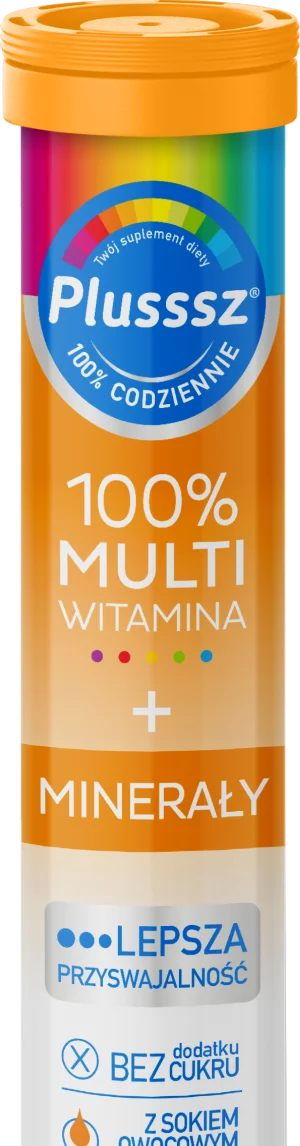
Plusssz multivitamin complexes are designed with exactly this differentiation in mind, offering targeted formulations for different demographics. If you are looking for an intelligently assembled multivitamin that includes B3 alongside complementary vitamins and minerals at levels appropriate for an active lifestyle, explore the Plusssz multivitamin range built around improved nutrient assimilability and no added sugar.
When evaluating multivitamin ingredients UK products that include niacin, it helps to understand the different approaches on the market and what each one actually delivers for active adults.
Approach |
What It Offers |
Key Consideration for Athletes |
|---|---|---|
Generic one-a-day multivitamin |
Broad micronutrient coverage at RDA levels, typically nicotinic acid or nicotinamide at baseline doses, no demographic targeting |
May not account for the increased micronutrient turnover of active individuals; flush risk if nicotinic acid is used; not calibrated to training demands |
Sport-specific multivitamin complex |
Formulated with active adults in mind, typically includes nicotinamide (flush-free), full B complex, and complementary minerals; may be segmented by demographic (men, women, seniors) |
Better fit for active individuals; look for transparent labelling showing form and dose of each ingredient, no added sugar, and improved assimilability claims backed by formulation choices |
High-dose standalone B3 supplement |
Delivers niacin at therapeutic doses, often as nicotinic acid; used in clinical or cholesterol-management contexts |
Not appropriate for most athletes seeking performance support; high doses of nicotinic acid can impair fat oxidation during exercise and carry additional risk at sustained high intake; requires medical supervision |
The sport-specific multivitamin complex is the right choice for the vast majority of active UK adults. It covers B3 at levels that support training demands, uses the flush-free nicotinamide form, and situates niacin within a complete micronutrient profile rather than treating it as a standalone intervention. Pairing this with a targeted electrolyte hydration product, particularly one formulated without added sugar, provides the complementary foundation for serious training support. You can find both types of product in the full Plusssz supplement range.
During exercise, niacin functions as a coenzyme that enables enzymatic reactions converting carbohydrates, fats, and proteins into usable energy. Its conversion to NAD+ in the body is what makes this possible. NAD+ acts as a molecular carrier in the metabolic pathways inside the mitochondria that produce ATP, the actual fuel your muscles use. Without adequate niacin, this process becomes less efficient, which can translate to earlier fatigue, slower energy output, and reduced capacity for intense effort.
Possibly, if your diet is varied and includes good sources such as chicken, turkey, tuna, salmon, beef, or peanuts. However, active individuals with high training volumes, those managing caloric intake for body composition, or those restricting food groups face a genuine risk of not consistently meeting their B3 needs. The water-soluble nature of niacin means it is not stored in meaningful amounts, so intake needs to be reliable day to day. A targeted multivitamin is the most practical way to ensure consistency.
The niacin flush is a harmless but uncomfortable response to nicotinic acid doses above roughly 30 mg. It involves redness, warmth, and tingling, particularly on the face, neck, and chest. It is caused by increased blood flow and prostaglandin release, not an allergic reaction, and it typically diminishes with regular use. That said, it is a practical barrier to consistent supplementation. For daily multivitamin use, choosing a product that contains nicotinamide (niacinamide) instead of nicotinic acid eliminates this issue entirely.
If you are already meeting your baseline niacin requirements, supplementing additional amounts is unlikely to produce further performance gains. The research on this point is fairly consistent. The real performance risk is going the other way: chronic under-intake that keeps NAD+ lower than your training demands require, quietly limiting energy production and recovery. Additionally, supplementing at very high doses of nicotinic acid has been associated with impaired fat oxidation during exercise, which is counterproductive for endurance athletes.
The UK reference nutrient intake is 16 mg niacin equivalents per day for men and 14 mg per day for women. Active individuals with heavy training loads may have modestly higher requirements due to increased energy turnover and sweat losses of water-soluble vitamins. A sport-specific multivitamin will typically include niacin at levels designed to support those elevated demands. What you want to avoid is both persistent under-intake and the unnecessarily high doses found in standalone high-dose niacin products.
Niacin is a broad term covering several related compounds. Nicotinic acid and nicotinamide (also called niacinamide) are both forms of vitamin B3. Nicotinamide is the flush-free form that does not cause the skin-reddening response associated with nicotinic acid. Both contribute to NAD+ production and share the core metabolic functions of B3. For daily supplementation in a multivitamin context, nicotinamide is the better-tolerated form, which is why it is the preferred choice in sport-focused multivitamin complexes.
Niacin and electrolytes address different but complementary aspects of performance nutrition. Electrolytes manage fluid balance, nerve transmission, and muscle contraction. Niacin underpins the cellular energy machinery. Because both niacin and electrolytes are lost through sweat during intense training, athletes with high sweat outputs benefit from addressing both. A combined strategy of a quality electrolyte hydration product alongside a complete multivitamin covering the B complex is more thorough than focusing on either in isolation.
Have you ever adjusted your B vitamin intake and noticed a difference in your energy levels or recovery? Share your experience in the comments below.