Most active people in the UK reach for vitamin C at the first sign of a sniffle. That instinct is not wrong, but it dramatically undersells what this nutrient actually does for your body under training load. Vitamin C and exercise share a relationship that goes well beyond cold prevention: collagen repair, iron metabolism, oxidative stress management, and recovery speed all hinge on getting the right amount at the right time. If you are training hard and treating vitamin C as a winter-only habit, you are leaving real performance and recovery benefits on the table.
Key Insight |
Explanation |
|---|---|
UK RDA is likely too low for active adults |
The UK's recommended intake of 40 mg per day was set in 1991 and has been questioned as insufficient for individuals under significant physical stress. |
Vitamin C is essential for collagen production |
It acts as a cofactor for the enzymes that cross-link collagen fibres in tendons, ligaments, and cartilage, making it directly relevant to structural injury prevention. |
More is not always better for training adaptations |
Doses exceeding 1 g per day may blunt mitochondrial adaptations to endurance training by suppressing the oxidative signals that drive those adaptations. |
Timing matters for connective tissue support |
Taking vitamin C approximately one hour before exercise, particularly alongside a collagen source, elevates its concentration in the bloodstream when tendon cells are most active. |
Iron absorption depends on vitamin C |
Vitamin C enhances non-heme iron absorption from plant foods; in athletes, low iron directly reduces aerobic capacity and endurance output. |
Athletes in intense training need more vitamin C than sedentary adults |
Aerobic exercise generates free radicals that increase the body's demand for antioxidant nutrients, including vitamin C, beyond standard dietary guidelines. |
Regular supplementation can cut illness risk during heavy training |
Research in endurance athletes such as marathon runners found that regular vitamin C supplementation at 250 to 1000 mg per day reduced the risk of the common cold by over 50%. |
Every training session generates free radicals as a by-product of elevated oxygen consumption. At moderate levels, those free radicals serve a useful signalling function, prompting your body to adapt. At high levels, they tip into muscle damage, prolonged fatigue, and compromised recovery. Vitamin C for athletes is relevant here because it is one of the body's primary water-soluble antioxidants, capable of neutralising free radicals before they accumulate to damaging levels.
The problem is that the UK's official recommended daily intake of 40 mg was established in 1991, based on research from the 1950s focused solely on preventing scurvy. Researchers publishing in the British Journal of Nutrition have argued this figure is substantially lower than international standards and insufficient for people under physical stress. Active individuals have a measurably higher requirement, and that gap matters when you are training four, five, or six days a week.
Athletes participating in aerobic activities who maintain adequate vitamin C intake report less muscle soreness and return to baseline function more quickly after strenuous sessions. This is not coincidental. Vitamin C contributes to the reduction of oxidative damage in muscle tissue, and it supports the production of carnitine, a compound involved in fat metabolism and sustained energy output during longer efforts.

This is the function that most training guides skip past, and it is arguably the most important one for anyone who runs, lifts, cycles, or trains at any volume. Vitamin C is a required cofactor for two enzymes, prolyl hydroxylase and lysyl hydroxylase, that cross-link collagen fibres during synthesis. Without sufficient vitamin C, your body cannot build structurally sound collagen, full stop.
Collagen is the primary structural protein in tendons, ligaments, and cartilage. Every repetitive loading activity, from a 5K run to a heavy squat session, places stress on these tissues. They respond by remodelling, but only if the raw materials are available. Tendons and ligaments are notoriously slow to heal precisely because their blood supply is limited, meaning nutrient delivery is restricted.
Research published in the American Journal of Clinical Nutrition, and referenced in subsequent collagen supplementation studies, demonstrated that consuming vitamin C alongside a collagen or gelatin source approximately one hour before exercise significantly augments collagen synthesis markers. The logic is straightforward: this timing allows vitamin C and the relevant amino acids to peak in the bloodstream exactly when exercise-induced loading stimulates tendon cells to begin remodelling activity.
In practice, this means if your goal is tendon and ligament resilience, the timing of your vitamin C intake is not arbitrary. Taking it with a meal two hours post-workout delivers fewer targeted connective tissue benefits than taking it with a collagen-containing food or supplement around 45 to 60 minutes before you train.
Pro tip: If you train in the morning, consider incorporating a vitamin C-rich source such as a small glass of citrus juice alongside your pre-session nutrition rather than saving it for a post-workout smoothie. The pre-exercise window genuinely changes how much collagen your tendons and ligaments can synthesise during recovery.
Here is the part that most supplement marketing glosses over. Antioxidant supplements in sport are not universally beneficial, and the evidence is clear enough that ignoring it would be bad advice. When you take large doses of vitamin C, particularly above 1 gram per day on a consistent basis during a training block, you risk blunting the very adaptations you are training to achieve.
Free radicals produced during exercise are not just waste products. They act as signalling molecules that trigger mitochondrial adaptation, improve cellular protection against future physical stress, and contribute to increases in aerobic capacity over time. When you flood the system with antioxidants at high doses, you suppress those signals. The result is reduced adaptation to endurance training over the long term.
The question for any active individual is not whether to take vitamin C, but how much to take and when, because the right amount supports recovery and immunity, while too much can work against the very adaptations that make training worthwhile.
The concern is most pronounced for endurance athletes in sustained training blocks, where mitochondrial biogenesis and aerobic adaptation are the primary goals. Doses of around 200 mg per day, achievable through a well-constructed diet with some supplementary support, appear to reduce oxidative stress meaningfully without impairing training adaptations. Mega-doses of 1 g or more, taken daily throughout a long training period, are where the evidence turns cautionary.
A common mistake is treating vitamin C like a nutrient with no upper risk, where more is simply better. It is water-soluble, so excess is excreted, but excess intake can still create unnecessary renal load and, more relevantly for training, interfere with the oxidative signalling that drives mitochondrial improvement.

Iron deficiency is one of the most common nutritional issues among endurance athletes in the UK, particularly among women and plant-based eaters. What is less often discussed is how vitamin C status directly influences whether you absorb enough iron from your food. Non-heme iron, the form found in plant sources such as lentils, spinach, and fortified cereals, has poor bioavailability on its own. Vitamin C consumed at the same meal converts non-heme iron into a more absorbable form, substantially increasing uptake.
Low iron reduces the oxygen-carrying capacity of the blood, which translates directly into reduced aerobic output and faster onset of fatigue during sustained efforts. If you are training hard and feeling persistently flat despite adequate sleep and caloric intake, iron status and vitamin C adequacy are two variables worth reviewing together, not in isolation.
Pro tip: If you follow a plant-based or mostly plant-based diet and train regularly, pair your iron-rich meals with a vitamin C source at the same sitting. A squeeze of lemon over lentils, or bell pepper alongside fortified oats, is not a trivial detail. It meaningfully changes how much iron your gut actually absorbs.
The UK's official recommendation of 40 mg per day is a minimum for the general population, not a target for active individuals. Researchers have highlighted that this figure is among the lowest in the developed world and was not designed with exercise physiology in mind. International recommendations for men and women not engaged in sport sit at 75 to 90 mg per day. For athletes, requirements are higher still due to increased oxidative stress and faster depletion during training.
The practical evidence points toward a range of 200 to 500 mg per day as appropriate for most regularly active adults, combining dietary sources and supplementation where needed. This range supports immune function, connective tissue maintenance, and antioxidant activity without reaching the threshold at which adaptation blunting becomes a real concern.
A thoughtful diet can get you reasonably close. Red and yellow peppers, kiwi fruit, broccoli, strawberries, and citrus fruits are all high in vitamin C. The challenge for athletes is consistency and volume. During heavy training blocks, travel, illness, or simply the constraints of a busy lifestyle, dietary intake becomes unpredictable. A targeted, low-dose supplement filling the gap between dietary intake and optimal levels for training is a practical and evidence-aligned approach for most active people.
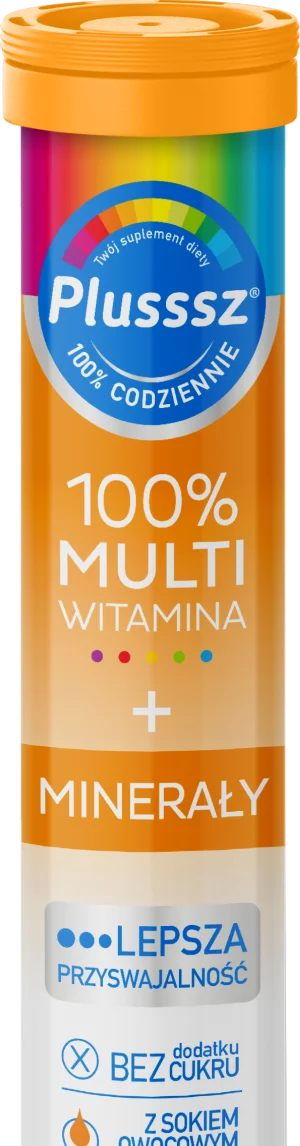
Multivitamin formulations designed specifically for active adults, such as those available through Plusssz UK, are worth considering for this reason. They provide structured micronutrient support calibrated to the demands of an active lifestyle rather than to sedentary baseline recommendations. When vitamin C appears as part of a comprehensive electrolyte and vitamin complex, you are also supporting the hydration, magnesium, and B-vitamin status that exercise demands simultaneously.
Timing is an underrated variable for active individuals using vitamin C intentionally. The guidance depends on what you are trying to achieve.
For connective tissue support and injury prevention, taking vitamin C approximately 45 to 60 minutes before a training session, particularly alongside a collagen source, is the approach most directly supported by the available research. This pre-exercise window primes the tendons and ligaments to synthesise more collagen during the recovery period that follows.
For immune support during heavy training blocks, consistent daily intake matters more than specific timing. The immune-depressing effect of very hard training is cumulative, and regular vitamin C intake across the day is the relevant variable, not a single large pre-session dose.
For iron absorption, the timing anchor is your main iron-containing meal. Vitamin C needs to be present in the gut at the same time as the iron you want to absorb, so pairing the two at the same sitting is the practical rule.
Approach |
Typical Daily Dose |
Best For |
|---|---|---|
Diet only (varied whole foods) |
60 to 120 mg, depending on dietary choices |
General health maintenance; adequate for sedentary adults, likely insufficient during heavy training without careful meal planning |
Low-dose supplement or multivitamin (100 to 250 mg/day) |
100 to 250 mg combined with dietary intake |
Active adults wanting to close the gap between diet and optimal training requirements without risking adaptation blunting; supports immune function and collagen synthesis |
High-dose standalone vitamin C supplement (500 mg to 1 g+ per day) |
500 mg to 1000 mg or more |
Short-term immune support during illness or extremely heavy training periods; not recommended as a sustained daily approach for endurance athletes due to risk of blunting mitochondrial adaptation |
Not directly in the sense of making you faster or stronger in a single session. What vitamin C does is support the conditions that allow consistent performance over time: faster recovery, reduced illness disruption, better connective tissue integrity, and improved iron absorption. Athletes with adequate vitamin C status experience less muscle soreness after aerobic training and return to full training capacity more quickly than those with deficient intake.
Yes, and this is a genuinely important point. While vitamin C is water-soluble and excess is excreted, consistently supplementing above 1 gram per day during training blocks can suppress the oxidative signalling that drives mitochondrial adaptation. For endurance athletes building aerobic capacity, this is a meaningful trade-off. The sweet spot for most regularly active adults appears to be in the 200 to 500 mg per day range, combining food and supplementation.
Researchers have argued it is not. The UK's 40 mg per day recommendation was established in 1991 based on the threshold needed to prevent scurvy, not to optimise health or performance in physically active adults. It is substantially lower than the recommendations set in other developed countries and was not designed with exercise-induced oxidative stress or connective tissue demands in mind.
It depends on your goal. For connective tissue support, 45 to 60 minutes before training alongside a collagen source is the most evidence-backed timing. For immune support during heavy blocks, consistent daily intake throughout the day matters more than a specific peri-exercise window. For iron absorption, take vitamin C at the same meal as your iron-rich food, whether that is breakfast, lunch, or dinner.
For most active adults, vitamin C provided within a well-formulated multivitamin designed for active people is sufficient to bridge the gap between a reasonable diet and optimal training requirements. A standalone high-dose supplement is rarely necessary unless you are managing a specific illness or are in an exceptionally high training volume period. The advantage of a purpose-built active-adult multivitamin is that it addresses multiple micronutrient needs simultaneously, which is more relevant to your total physiology than optimising any single nutrient in isolation.
The evidence suggests that adequate vitamin C intake, not mega-doses, reduces markers of muscle damage such as creatine kinase after eccentric exercise, which is associated with reduced soreness and faster functional recovery. This effect is more consistent when vitamin C intake is maintained regularly rather than taken as a one-off large dose after a hard session.
Have you noticed a difference in your recovery or injury frequency when you pay closer attention to your vitamin C intake around training? Share what has worked for you in the comments below.