Most active people in the UK spend a lot of time thinking about protein, carbohydrates, and electrolytes. Very few give a second thought to chromium. That is a mistake worth correcting. Chromium is a trace mineral with a specific, approved role in maintaining normal blood glucose levels, and the research on how exercise changes your chromium status is more interesting than most supplement labels let on. If you train regularly, manage your carbohydrate intake carefully, or simply want your body to use fuel efficiently, understanding what chromium does, and why a chromium supplement UK market is worth navigating properly, is directly relevant to your performance and recovery.
Key Insight |
Explanation |
|---|---|
Chromium has an approved health claim in Great Britain |
It is officially recognised as contributing to normal macronutrient metabolism and the maintenance of normal blood glucose levels. |
Exercise increases chromium excretion |
Research shows urinary chromium excretion rises significantly on exercise days compared to rest days, meaning active people lose more than sedentary individuals. |
Chromium is lost through sweat |
Studies on athletes confirm that substantial quantities of chromium are excreted in sweat during training, compounding dietary shortfalls. |
The EU NRV for chromium is 40 micrograms per day |
This is the Nutrient Reference Value used for food labelling, giving a baseline target for supplementation decisions. |
Chromium picolinate may improve insulin receptor function in muscle |
Research suggests it helps insulin receptor sites on muscle cells work more efficiently, supporting glucose uptake during and after training. |
People with lower baseline chromium benefit most from supplementation |
Evidence indicates that individuals with lower dietary chromium intake show the greatest response to supplementation on postprandial glucose metrics. |
Chromium is found in multivitamin formulas designed for active adults |
Rather than a standalone pill, chromium is most practically obtained alongside other micronutrients in a well-formulated multivitamin tailored for sport. |
Chromium is an essential trace mineral involved in the processes that make glucose available for energy. It also plays a role in the metabolism of amino acids and fats, making it relevant across all three macronutrient pathways, not just carbohydrates. In Great Britain, the health claim that chromium "contributes to normal macronutrient metabolism and the maintenance of normal blood glucose levels" is approved based on robust scientific evidence.
The mechanism is specific. Chromium supports a binding protein called chromodulin, which works at the level of muscle cell insulin receptors. When insulin attaches to a muscle cell, signals within that cell activate glucose transporters so the cell can take up glucose from the blood and use it for energy. Chromium's role is to help those insulin receptor sites on muscle cells function efficiently. Without adequate chromium, that signalling becomes less sharp.
This is not the same as saying chromium is a blood sugar medication. It is a micronutrient that keeps a normal physiological process running at the level it should. For active adults in the UK, that distinction matters because the goal is not treating a condition, it is keeping fuel metabolism working well under the demands of regular training.
Pro tip: If you track your macros carefully but feel your energy output is inconsistent despite hitting your carbohydrate targets, poor micronutrient status, including chromium, is a plausible reason to investigate before adjusting your macros further.


This is the part most sports nutrition content misses entirely. Exercise does not just consume chromium. It actively mobilises it and increases its excretion at the same time. Research published in the scientific literature demonstrates that urinary chromium excretion increases significantly on exercise days compared with rest days. The effect is not marginal: exercise results in a marked mobilisation of chromium into circulation, followed by large increases in its excretion through urine.
The picture becomes more concerning when you factor in sweat losses. Studies measuring trace element concentrations in sweat from athletes during training confirm that substantial quantities of chromium are excreted through sweat. Individuals who train intensively face repeated increased losses, and when these are combined with dietary intakes that fall short, overall nutritional status can become suboptimal.
Counterintuitively, research suggests that trained athletes show lower resting urinary chromium losses than sedentary individuals, but larger acute increases in chromium excretion when they exercise. This suggests the body adapts to retain chromium at rest, but the exercise-induced loss remains elevated. The practical implication is that a person who trains hard several times per week faces repeated, cumulative chromium losses that a sedentary person does not.
This is why the concern about chromium status is not primarily about deficiency in a clinical sense. Gross deficiency is rare. The real question for active adults is whether marginal shortfalls, compounded by repeated exercise-induced losses, are quietly undermining blood sugar balance and energy metabolism over weeks and months of training.
Pro tip: Tracking your chromium intake is difficult because most nutrition apps do not log it reliably. The practical approach is to ensure your multivitamin formulation includes chromium at a meaningful level, rather than assuming your food intake covers it adequately.
Blood sugar balance during and after exercise is one of the more underappreciated aspects of performance nutrition. Most athletes focus on fuelling before and during training, but what happens to blood glucose in the hours after a session, the recovery window, also determines how well you restore glycogen, manage appetite, and sustain energy across the rest of your day.
Chromium's relationship with postprandial glucose, that is, blood sugar after a meal, is where some of the most relevant research sits. Studies have found that supplementation with chromium as picolinate reduced the glucose area under the curve following a test meal in otherwise healthy adults, with the most pronounced effects seen in those with lower baseline chromium levels. That finding is directly relevant to active people who eat a relatively low-meat or low-dairy diet, a common pattern among UK endurance athletes and those following plant-based approaches.
When you consume a carbohydrate-rich meal after training, the goal is for that glucose to reach muscle tissue efficiently for glycogen resynthesis. Insulin is the primary driver of that process, and chromium's role in supporting insulin receptor function in muscle means that your chromium status is directly relevant at this specific moment. A meal that contains the right macronutrients but is processed inefficiently because of micronutrient shortfalls is a wasted recovery opportunity.
In practice, this means the conversation about blood sugar balance should not only happen in the context of diabetes or metabolic disease. For a 35-year-old who trains five days a week and eats reasonably well, chromium is one of the trace minerals worth paying attention to as part of a properly assembled supplement stack.
Chromium contributes to normal macronutrient metabolism and the maintenance of normal blood glucose levels. For those exercising regularly, this function is not a background detail. It is central to how efficiently the body processes every carbohydrate-containing meal.
Not all chromium in supplements is the same. The form matters for absorption and for the type of evidence available behind it. Here is a clear comparison of the three forms most commonly found in UK supplements.
Form |
Absorption and Evidence |
Best Fit For |
|---|---|---|
Chromium Picolinate |
Most researched form. Picolinic acid enhances absorption. The majority of clinical studies on blood glucose and insulin sensitivity use this form. Studies on muscle insulin receptor function specifically used chromium picolinate. |
Active adults focused on blood sugar balance, post-workout glucose management, and insulin sensitivity support. |
Chromium Nicotinate (Polynicotinate) |
Combined with niacin, which may improve bioavailability compared to basic inorganic forms. Less studied than picolinate but considered a well-tolerated option in some formulations. |
Those seeking a well-tolerated general micronutrient top-up as part of a broader multivitamin complex. |
Chromium Chloride |
Inorganic form with lower bioavailability. Less commonly found in premium supplement formulations. Limited evidence of meaningful impact at typical doses. |
Low-cost supplement fillers. Not the preferred choice for active adults with specific performance goals. |
Chromium picolinate is the form with the strongest evidence base for the specific outcomes active people care about: insulin receptor function in muscle, postprandial glucose management, and improved insulin sensitivity in individuals with elevated insulin resistance. When evaluating any chromium supplement UK product or multivitamin complex, confirming the form used is a basic due-diligence step.

Good dietary sources of chromium include liver, kidney, yeast products, wholegrain cereals, nuts, and legumes. The UK's 1997 Total Diet Study estimated average daily chromium intake from food at around 100 micrograms per day, which sits well above the EU Nutrient Reference Value of 40 micrograms. That sounds reassuring, but it does not account for the exercise-induced losses described above, the lower dietary chromium intakes common among those eating less meat and dairy, or the reduced absorption efficiency that comes with age.
For active adults who eat a varied diet including wholegrains and some meat, dietary intake is likely adequate at rest. The problem is that dietary chromium intake tells you nothing about how much you are losing through exercise-related excretion. It is a static number applied to a dynamic situation.
A common mistake is assuming that because chromium appears in a wide range of foods, supplementation is unnecessary. That reasoning ignores the exercise effect entirely. An athlete who trains hard multiple times per week, sweats substantially, and follows a higher-carbohydrate diet, which increases chromium mobilisation relative to a low-carbohydrate approach, is in a categorically different situation from the general adult population that provided the 100 micrograms per day figure.
The practical position is this: dietary sources remain the foundation, but a well-formulated multivitamin that includes chromium at the EU NRV level provides straightforward insurance against the gaps that hard training creates. That is not a controversial claim. It is basic sports nutrition housekeeping.
Chromium sits alongside zinc, copper, and selenium as trace minerals that are directly affected by regular intense exercise. Research confirms that exercise increases the excretion of chromium, zinc, and copper, and that trained athletes show altered metabolism and nutritional status of these minerals compared with sedentary controls. When these exercise-enhanced losses are combined with dietary intakes that fall below recommended levels, which is common in both sedentary and exercising individuals, nutritional status becomes suboptimal.
What makes chromium slightly different from zinc and magnesium in this group is that its specific function connects directly to the carbohydrate metabolism that active people depend on. You can deprioritise trace mineral status in general, but deprioritising the mineral responsible for making your glucose metabolism run efficiently is a specific problem for anyone whose performance depends on effective fuelling.
For active adults working on body composition, chromium's role in insulin sensitivity is directly relevant. Insulin management affects not just energy availability but also fat storage dynamics and muscle protein synthesis. Research on chromium picolinate supplementation found that in individuals with higher baseline insulin resistance, improvements of around 10% in insulin sensitivity were observed in a notable proportion of subjects. That is not a dramatic transformation, but for someone managing their carbohydrate intake precisely around training, marginal improvements in insulin efficiency add up.
The point is not that chromium is a body composition supplement in isolation. The point is that trace minerals active adults lose through training are not optional extras. They are part of the infrastructure that makes every other aspect of a training and nutrition programme work properly.
The UK's approved health claim framework is specific and useful here. In Great Britain, the claim that chromium "contributes to normal macronutrient metabolism and the maintenance of normal blood glucose levels" is approved. This is not marketing language. It is a regulatory position based on the scientific evidence available. For micronutrients sport UK consumers evaluating supplement labels, an approved health claim on chromium means the basic function is not in dispute.
What remains more nuanced is the question of performance enhancement. The evidence does not support the idea that chromium supplementation directly improves athletic performance in people who are already well-nourished. Studies looking at anaerobic exercise capacity found no additional benefit from chromium picolinate added to a carbohydrate beverage in healthy, active men compared with carbohydrate alone. This is an important distinction: chromium is not a performance booster. It is a micronutrient that keeps a normal physiological process running normally.
The most practical way to approach chromium for active adults in the UK is as part of a comprehensive multivitamin formulation rather than as a standalone supplement. Chromium does not work in isolation. Its role in glucose metabolism intersects with magnesium, which is involved in insulin receptor function; with B vitamins, which support energy production; and with other trace minerals affected by exercise. A well-designed multivitamin complex that addresses all of these simultaneously, at appropriate levels, is far more useful than isolated megadosing of single nutrients.
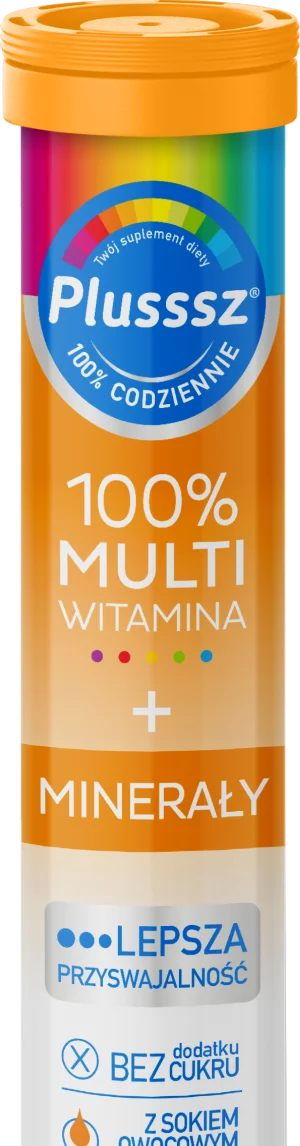
Plusssz formulations are built with exactly this logic: bringing together the micronutrients that active adults in the UK lose through training and often do not replace adequately through diet alone. Chromium belongs in that stack because the evidence for its role in blood glucose maintenance and macronutrient metabolism is clear, regulated, and relevant to anyone who trains seriously. If you want to explore how Plusssz builds these nutrients into a no-added-sugar formula designed for active individuals, the Plusssz blog covers formulation decisions in detail.
Pro tip: When comparing multivitamin products, check not just whether chromium is listed but what form it appears in and at what dose relative to the 40 microgram EU NRV. A product listing chromium chloride at a trace amount is not delivering the same functional value as chromium picolinate at a meaningful dose.
Chromium is an essential trace mineral with an approved health claim in Great Britain for contributing to normal macronutrient metabolism and the maintenance of normal blood glucose levels. For active people, it is particularly relevant because exercise increases chromium excretion through urine and sweat, meaning those who train regularly face higher ongoing losses than the general population.
Research shows that urinary chromium excretion increases significantly on exercise days compared with rest days, and substantial quantities are also lost through sweat during training. When these losses are combined with dietary intakes that fall short of recommended levels, which is common even in otherwise health-conscious individuals, nutritional status can become suboptimal. Active adults, particularly those training intensively multiple times per week, face repeated cumulative losses that a sedentary person does not.
Chromium picolinate is the most researched form for blood sugar balance and insulin sensitivity outcomes. The picolinic acid component enhances absorption, and the majority of clinical evidence, including studies specifically on muscle insulin receptor function, uses this form. When choosing a chromium supplement UK product or a multivitamin containing chromium, confirming the form is chromium picolinate rather than a basic inorganic form such as chromium chloride is a worthwhile step.
The evidence does not support chromium as a direct performance enhancer in people who are already well-nourished. Studies looking at exercise capacity have not found additional performance benefits beyond what carbohydrate fuelling already provides. Chromium's value for active adults lies in maintaining efficient glucose metabolism, supporting insulin receptor function in muscle, and replacing exercise-induced losses that could otherwise create marginal deficiencies over time.
The EU Nutrient Reference Value for chromium is 40 micrograms per day, and this figure is used as the standard for food labelling purposes in the UK. This is a baseline for the general adult population. Active adults who train regularly and lose chromium through sweat and urine on exercise days should factor those additional losses into their assessment, making consistent dietary sources and a well-formulated multivitamin the most practical approach to meeting ongoing needs.
Good dietary sources include liver, kidney, yeast products, wholegrain cereals, nuts, and legumes. A mixed diet that includes wholegrains and some animal protein will generally provide chromium across the day. However, dietary intake figures are based on the general adult population at rest, and they do not account for the increased excretion that occurs during and after exercise sessions, which is why supplementation is a sensible additional layer for active adults.
Chromium supplementation at doses around the EU NRV level of 40 micrograms, or at the levels commonly used in clinical research of up to 200 to 1,000 micrograms as picolinate, is generally considered safe for healthy adults. As with any supplement, the practical approach is to use chromium as part of a balanced formulation rather than in isolation at very high doses. If you have a diagnosed metabolic condition or are taking medication that affects blood sugar, discussing supplementation with a healthcare professional first is the appropriate step.
Have you noticed changes in your energy levels or post-training recovery since paying more attention to your micronutrient intake? Share your experience in the comments below.