Most active people who struggle with poor sleep and stubborn stress are missing one thing, and it is not another herbal remedy or a sleep hygiene checklist. Magnesium for sleep UK searches have surged for good reason: this single mineral sits at the intersection of your nervous system, your stress hormones, and your ability to reach deep, restorative sleep. If you train hard, live a busy life, and still wake up unrefreshed, low magnesium is a serious candidate. This guide explains the mechanism, the evidence, the right forms, and how to fit it into a recovery-focused routine that actually works.
Key Insight |
Explanation |
|---|---|
Magnesium supports GABA activity |
Magnesium acts as a natural GABA agonist and NMDA antagonist, calming neural excitability and making it easier to fall and stay asleep. |
It lowers cortisol directly |
Supplementing magnesium has been shown to reduce serum cortisol levels, which is the stress hormone most likely to keep you wired at night. |
Athletes lose more magnesium |
Strenuous exercise increases urinary and sweat losses, raising magnesium requirements by an estimated 10 to 20 percent above sedentary needs. |
Glycinate is the best form for sleep |
Magnesium glycinate is highly bioavailable, gentle on the gut, and carries glycine, an amino acid with its own calming effect on the nervous system. |
NHS recommends 300 mg for men, 270 mg for women |
For active individuals targeting sleep and stress, the upper end of the 300 to 400 mg elemental magnesium range tends to produce the strongest effects. |
Timing matters |
Taking magnesium 30 to 60 minutes before bed with food consistently outperforms random daytime dosing for sleep-specific outcomes. |
Electrolyte balance amplifies the benefit |
Magnesium works alongside sodium, potassium and other electrolytes. Replenishing the full electrolyte profile after training accelerates recovery and supports sleep quality overnight. |
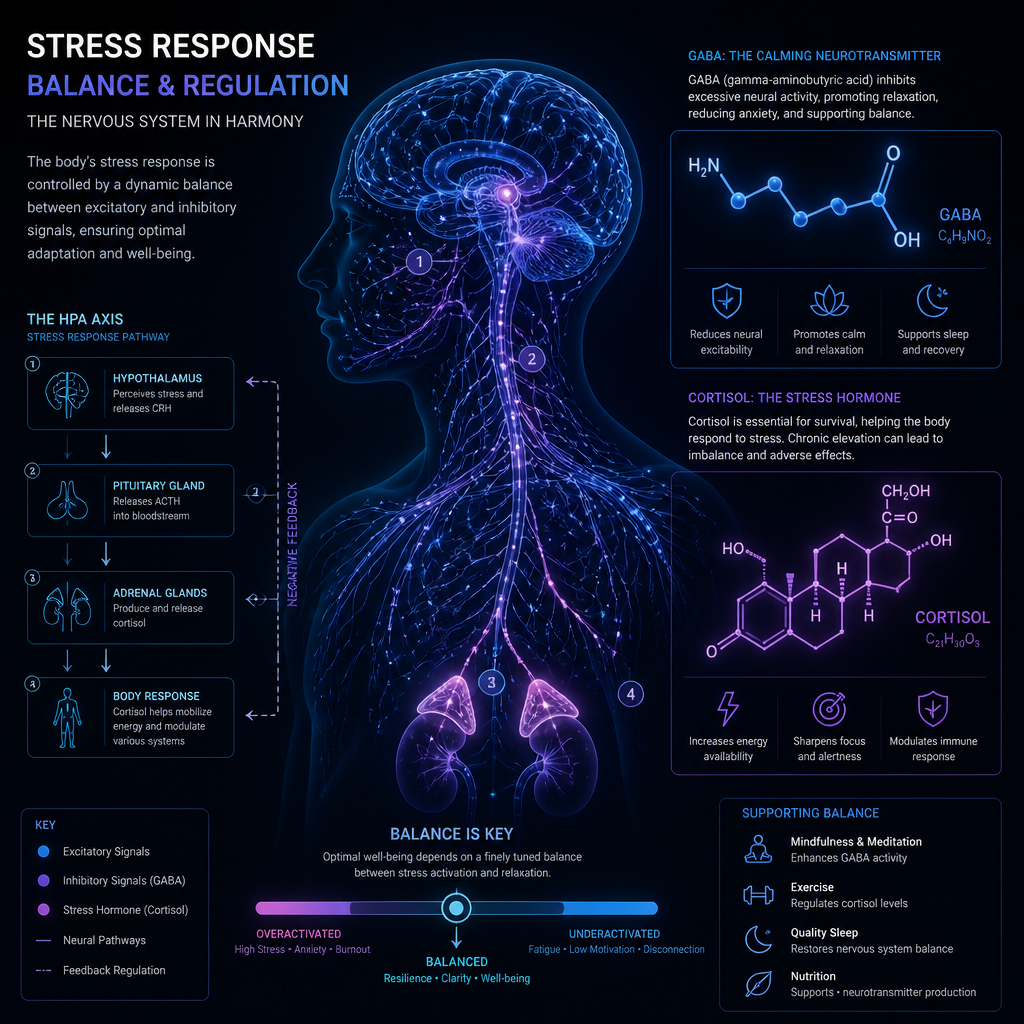
Magnesium is involved in over 300 enzymatic reactions in the body, but its role in the nervous system is what makes it uniquely relevant to sleep and stress. It acts as a natural brake on neural excitability, blocking NMDA receptors (which keep neurons firing) and activating GABA receptors (which calm them). The result is a quieter nervous system that transitions more smoothly from the alert state of the day into the rest state your brain needs for quality sleep.
Magnesium also plays a direct role in melatonin production. Your body uses magnesium as part of the pathway that converts tryptophan into serotonin and eventually into melatonin, the hormone that signals nighttime to every cell in your body. Without adequate magnesium, this signalling is weakened, and sleep onset takes longer.
The cortisol connection is equally important. Research has shown that magnesium supplementation reduces serum cortisol concentrations. Cortisol and sleep are antagonistic: elevated cortisol at night keeps you in a light, fragmented sleep state. For anyone dealing with work pressure, training loads, or the general demands of an active schedule, suppressing that evening cortisol spike is one of the most practical things you can do for recovery.
Magnesium not only acts as a natural NMDA antagonist and GABA agonist but also has a relaxing effect on the central nervous system, making it one of the most mechanistically well-supported nutrients for sleep quality.
Research from long-term nutrition studies supports this consistently. Higher dietary magnesium intake has been linked to better sleep quality and a lower likelihood of sleeping fewer than seven hours per night. The CARDIA study found that higher magnesium intake was associated with better sleep quality and reduced the risk of short sleep duration. This is not a fringe observation. It is a pattern that has emerged across multiple large population studies.

The standard population reference for magnesium adequacy was not built around someone who trains four or five times a week. Exercise changes your magnesium economy significantly. Strenuous physical activity increases magnesium losses through both sweat and urine, with research estimating that requirements rise by 10 to 20 percent above normal during periods of heavy training. That means an active person who hits the NHS reference intake of 300 mg per day may still be running short.
A study of elite British athletes found that 22 percent were clinically deficient in red cell magnesium, a measure that better reflects what is actually available inside your cells rather than in the blood. For recreational runners, cyclists, and HIIT participants juggling training with work and life stress, subclinical depletion is even more widespread than these clinical deficiency figures suggest.
Physical stress and psychological stress both drain magnesium through the same mechanism: the stress response triggers adrenaline and cortisol release, which in turn increases magnesium excretion via the kidneys. This creates a vicious cycle. Low magnesium raises your stress response. A heightened stress response depletes more magnesium. Poor sleep from low magnesium raises cortisol further. Breaking that cycle requires deliberate replenishment, not just hoping your diet will cover it.
Magnesium is found in nuts, seeds, leafy greens, and whole grains. However, UK dietary surveys consistently show that a significant proportion of adults do not meet even the basic reference intake from food alone. Processed food dominates many diets, and modern agricultural practices have reduced the magnesium content of many crops compared with historical levels. If you eat well and train hard, supplementing is not a sign of poor diet. It is a practical response to a genuine gap.
Pro tip: If you wake repeatedly between 2am and 4am and feel anxious without a clear reason, low magnesium is one of the most common overlooked causes. Try 300 mg of magnesium glycinate before bed for two to four weeks and track your sleep quality before drawing conclusions.
Not all magnesium supplements are the same. The form determines how well the mineral is absorbed, whether it causes digestive discomfort, and whether it delivers the specific benefits you are after. For sleep and stress relief specifically, form selection matters more than the label claim on the front of the packet.
The three forms you will encounter most often in UK supplement stores are oxide, citrate, and glycinate. Here is how they compare against the criteria that matter for an active person focused on sleep and stress recovery.
Form |
Bioavailability and Tolerability |
Best Use Case |
|---|---|---|
Magnesium Glycinate |
High bioavailability. Gentle on the gut. Chelated with glycine, which adds calming nervous system effects. Rarely causes loose stools. |
Sleep support, stress relief, daily recovery. The preferred form for anyone prioritising sleep quality and nervous system regulation. |
Magnesium Citrate |
Good absorption. Well-tolerated at moderate doses. Can have a mild laxative effect at higher doses. Faster rise in serum levels than glycinate. |
General deficiency correction, constipation support, daytime energy. Reasonable for sleep if glycinate is unavailable, though glycine's co-effect is absent. |
Magnesium Oxide |
Low bioavailability. High elemental content per gram but poor uptake. Most likely to cause digestive discomfort. Frequently found in cheaper products. |
Short-term bowel regularity. Not recommended as a primary supplement for sleep or stress. The form most often responsible for disappointing results. |
The practical conclusion is straightforward. For magnesium stress relief and sleep, glycinate is the form to prioritise. The glycine molecule it is bound to independently supports calming neurotransmitter activity, so you get a synergistic effect. When reading a supplement label, always check the elemental magnesium content, not the total weight of the compound. A 500 mg capsule of magnesium glycinate may contain only 50 to 100 mg of actual elemental magnesium depending on the formulation.
Pro tip: When comparing products, ignore the headline weight and look for the phrase "elemental magnesium" on the label. That figure is what determines whether you are hitting your target dose. A product showing 400 mg total with only 48 mg elemental magnesium requires you to take eight capsules to reach the NHS reference intake for men. Always do that calculation before buying.
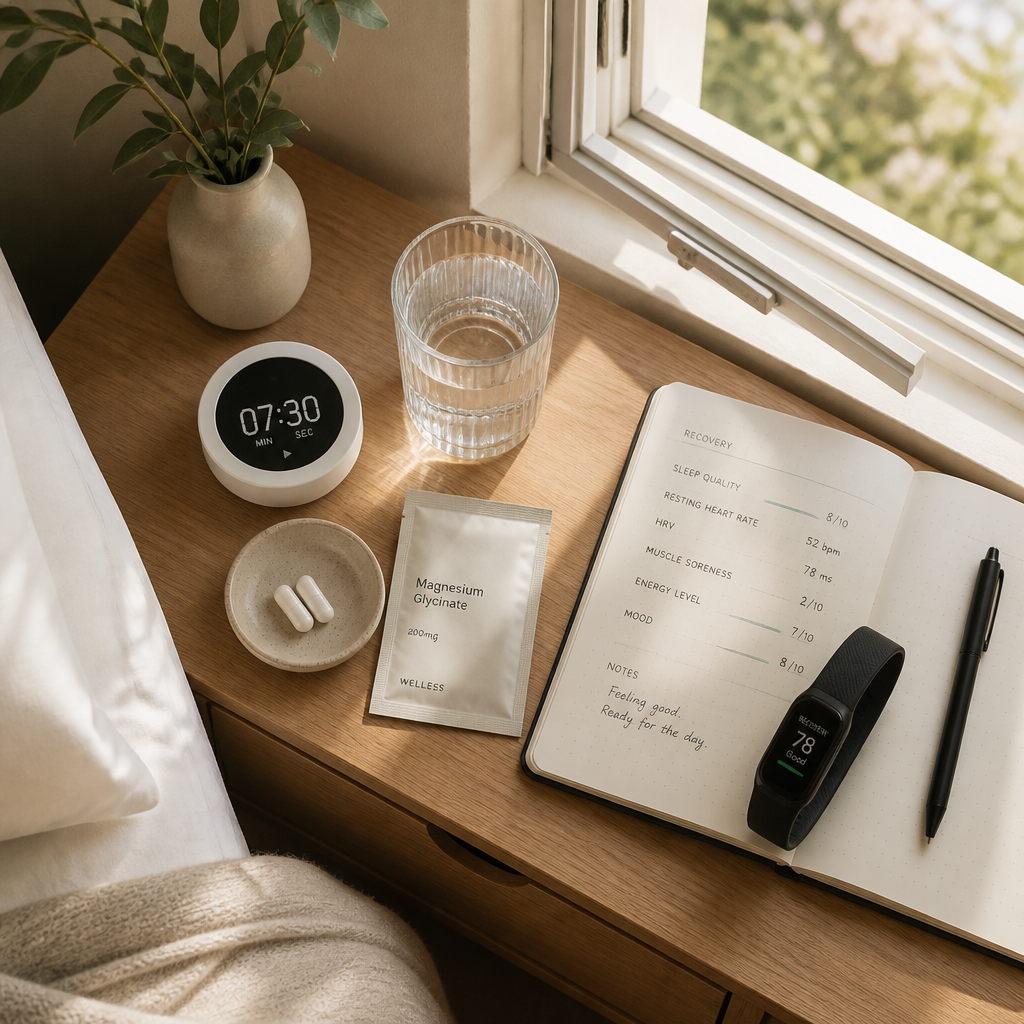
The NHS reference nutrient intake for magnesium is 300 mg per day for adult men and 270 mg per day for adult women aged 19 to 64. For active individuals specifically targeting sleep quality and stress regulation, evidence from clinical studies supports the upper end of a 300 to 400 mg elemental magnesium daily range. The tolerable upper intake level from supplements, according to NHS guidance, is 400 mg per day for adults.
Timing is not a minor detail. For sleep-specific outcomes, taking magnesium approximately 30 to 60 minutes before bed, with a small amount of food, consistently outperforms random daytime dosing. This aligns the supplement's calming effect on GABA receptors with the natural winding-down process your nervous system needs to go through before sleep onset.
For athletes using magnesium as part of a post-training recovery strategy, an early-evening dose after dinner achieves both goals: it supports neuromuscular recovery from the session and prepares the nervous system for overnight restoration. There is no meaningful benefit to splitting the dose across morning and evening for sleep purposes specifically.
Magnesium is not an acute sedative. Expect to run a consistent protocol for two to four weeks before evaluating its impact on sleep quality. If you are genuinely depleted, you may notice improvements in sleep onset and overnight waking within the first week. Stress and anxiety markers typically take longer to shift because they reflect a systemic change in how your nervous system handles excitatory signals.
A common mistake is taking magnesium for three days, noticing no dramatic effect, and abandoning it. Repletion of a genuine deficit takes time. Keep a simple sleep log for four weeks and rate sleep quality on waking. The pattern will be clear.
Magnesium does not operate in isolation inside your body. It is one of the core electrolytes alongside sodium, potassium, calcium, and chloride, and these minerals regulate fluid balance, nerve conduction, and muscle contraction as a system. When you train hard and sweat, you lose the full spectrum, not just one mineral in isolation.
This is where treating magnesium purely as a sleep supplement falls short of the full picture. Post-exercise electrolyte replenishment that includes magnesium accelerates the normalization of your nervous system after training. That means lower post-exercise cortisol persistence, faster muscle relaxation, and a smoother transition into the sleep stages where actual physical repair happens.
Dehydration and electrolyte imbalance are underestimated contributors to poor sleep. Even mild dehydration after a training session can reduce sleep efficiency by disrupting the balance of electrolytes that regulate your body's overnight processes. For anyone training in the evening or later afternoon, arriving at bed in a well-hydrated, electrolyte-replete state is as important as the magnesium dose taken before sleep.
A complete recovery approach combines targeted magnesium supplementation with a broader electrolyte strategy. Products formulated specifically for active individuals, with no added sugar and precise electrolyte ratios, address both the hydration deficit from training and the magnesium gap that drives poor sleep and elevated stress response. At Plusssz UK, the electrolyte and multivitamin formulations are built with exactly this integration in mind, supporting active individuals through both the training session and the recovery that follows it.
Magnesium works more effectively when vitamin D levels are adequate. Vitamin D and magnesium are co-dependent: vitamin D requires magnesium to be activated, and low magnesium blunts vitamin D's effects. For UK residents, where low vitamin D is common year-round due to limited sunlight hours, addressing both nutrients together is a practical and well-supported approach to sleep, stress, and overall recovery.
B vitamins, particularly B6, are also relevant. B6 supports the conversion of tryptophan to serotonin and ultimately to melatonin, the same pathway that magnesium facilitates. A multivitamin complex that includes B6, vitamin D, and adequate magnesium covers the key nodes in the sleep and stress regulation network rather than addressing a single variable in isolation.
The evidence is stronger than a placebo effect. Clinical research has found that magnesium supplementation in older adults improved sleep onset time, sleep duration, and self-reported sleep quality. Researchers also observed higher melatonin levels and lower cortisol levels in the supplemented group. The mechanism is well-established: magnesium activates GABA receptors and reduces neural excitability, which are the same biological processes targeted by prescription sleep aids, though through a gentler, non-dependency pathway.
Magnesium glycinate is the consistently recommended form for sleep. It has high bioavailability, is gentle on the digestive system, and is chelated with glycine, an amino acid that independently supports calming activity in the brain. Magnesium oxide, which appears in many budget UK supplements, has low bioavailability and is not appropriate as a sleep or stress supplement. When choosing a UK product, always verify the elemental magnesium content rather than the total compound weight on the label.
The NHS reference intake is 300 mg per day for men and 270 mg for women. For stress relief specifically, studies have used doses ranging from 200 mg to 400 mg of elemental magnesium daily. Active individuals and those under sustained psychological stress are more likely to benefit from the upper end of that range. Do not exceed 400 mg from supplements without medical guidance, as excessive intake can cause digestive discomfort.
Most people who are genuinely deficient notice improvements in sleep onset and overnight waking within one to two weeks of consistent supplementation. Stress and anxiety benefits typically take longer to become noticeable, usually two to four weeks, because they reflect a systemic shift in how the nervous system handles excitatory input. Taking magnesium sporadically will not produce the same results as a consistent nightly protocol.
In theory, yes. In practice for most active UK adults, no. Exercise increases magnesium losses through sweat and urine by an estimated 10 to 20 percent above sedentary needs. UK dietary surveys consistently show that many adults do not reach even the basic reference intake from food. Combined with the fact that stress also drives magnesium excretion, an active individual under regular training and life pressure has elevated requirements that diet alone rarely meets without meticulous planning around magnesium-rich foods every day.
Yes, for most healthy adults. Daily magnesium supplementation within the NHS guidance of up to 400 mg from supplements is considered safe for long-term use. It is not habit-forming and does not suppress your body's ability to use dietary magnesium. People with kidney disease or certain medical conditions should consult a GP before supplementing, as impaired kidney function affects how magnesium is excreted. For the majority of active, healthy individuals, consistent nightly use is both safe and beneficial.
Have you noticed a difference in your sleep or stress levels after adding magnesium to your routine? Share your experience below, as it genuinely helps others in the community decide whether to try it.