Most people in the UK are walking around with at least one nutritional gap they cannot name. Fatigue, muscle cramps, brain fog, brittle nails, low mood - these are classic vitamin deficiency symptoms UK adults dismiss as stress, poor sleep, or simply getting older. The reality is more specific. When your body runs short of certain vitamins and minerals, it produces predictable, measurable signals. Catching them early, and addressing them with the right nutrition or supplementation strategy, makes a genuine difference to how you train, recover, and feel day-to-day. This article walks through exactly what happens inside your body when key nutrients fall below optimal levels.
Key Insight |
Explanation |
|---|---|
Vitamin D is the UK's most widespread deficiency |
Around 1 in 6 adults in the UK have low vitamin D levels during winter, largely due to limited sunlight exposure at northern latitudes. |
Iron deficiency is the leading cause of fatigue in active women |
Iron deficiency anaemia reduces the blood's ability to carry oxygen, causing tiredness, breathlessness, and impaired exercise performance. |
B12 deficiency presents as neurological and cognitive symptoms |
Pins and needles, confusion, and persistent fatigue are common early signs. Vegans and older adults are at the highest risk in the UK. |
Magnesium is the mineral most depleted by regular exercise |
Sweat and increased metabolic demand during training accelerate magnesium loss. Muscle cramps and poor sleep are early warning signs. |
Electrolyte depletion is not just a performance issue |
Sustained losses of sodium, potassium, and magnesium through sweat affect heart rhythm, nerve signalling, and muscle coordination. |
Deficiency symptoms are often vague and easily misattributed |
Tiredness, poor concentration, and muscle aches are shared by many deficiencies. Without targeted supplementation or testing, the root cause is frequently missed. |
Active individuals have higher micronutrient needs than sedentary adults |
Exercise increases nutrient losses through sweat, urine, and accelerated metabolic processes, raising the daily requirement for key vitamins and minerals. |
Vitamin and mineral deficiency is not a problem confined to developing nations or extreme diets. National nutrition surveys consistently show that significant portions of the UK population are falling short of recommended intakes for several critical nutrients. The common assumption that a reasonably balanced diet covers all bases does not hold up when you account for the realities of modern eating patterns, reduced food quality, and the extra demands placed on the body by regular physical activity.
The causes are varied. Poor dietary variety, underlying digestive conditions such as Crohn's disease or coeliac disease that impair nutrient absorption, and the simple fact that the body's absorption efficiency declines with age all contribute. According to NHS statistics, over-50s make up almost three quarters of all those admitted to hospital for malnutrition in England, which illustrates how age compounds nutritional risk over time.
For active individuals, the picture is even more pressing. Exercise increases the loss of nutrients through sweat, urine, and accelerated metabolic processes. A training programme that is not matched by appropriate nutritional support creates a deficit that compounds week on week. Feelings of lethargy and persistent fatigue are often the first signals that the body sends, but they are easy to explain away as the natural consequence of hard training. They are not always that.
Nutrient deficiencies are often subtle at first. Fatigue, brain fog, poor immunity, brittle nails, thinning hair: all symptoms that can easily be mistaken for "just life catching up with you." Left unchecked, they can progress into more serious health problems ranging from anaemia to osteoporosis.
Pro tip: If you have been training consistently but feel like your recovery is getting worse rather than better, do not automatically increase training volume. Consider whether a nutritional shortfall is the actual bottleneck. A targeted multivitamin supplement UK formulated for active adults can help close common gaps without guesswork.


Vitamin D occupies a unique position among nutrients because the body can synthesise it directly from UVB sunlight exposure. That works reasonably well in countries close to the equator. In the UK, with its long winters and low sun angles, it fails large parts of the population for months at a time. Around 1 in 6 adults in the UK have low vitamin D levels during winter, and the problem extends well into spring for many people.
Vitamin D works to maintain calcium levels within the normal range in the body. Even when calcium intake from food is adequate, low vitamin D means the body cannot absorb that calcium efficiently into bones and muscle tissue. The downstream effects of sustained deficiency include reduced bone mineral density, elevated fracture risk, and in children, rickets, a condition that causes permanent bone deformities and impaired muscle development.
For adults, and particularly for active adults, the muscle and immune system effects of vitamin D deficiency are just as significant. Symptoms include fatigue that persists even with rest, muscle weakness, frequent illness, and low mood or anxiety. Indoor athletes and those who train primarily in gyms face a compounded risk because they are not getting incidental sunlight exposure from outdoor exercise.
Research involving UK university-level athletes has highlighted that poor vitamin D status is a recognised problem within the UK athletic community. Studies examining athletes at higher latitudes confirm that deficiency is not limited to sedentary populations. Bone and muscle function, both critical for training and competition, are directly affected by inadequate vitamin D availability.
Severe or prolonged vitamin D deficiency can lead to osteomalacia, a softening of the bones that significantly increases injury risk during impact or resistance training. This is not a theoretical concern. It is a practical risk for any active person who is not monitoring their vitamin D status through autumn and winter.
Pro tip: In the UK, the NHS advises that everyone consider a vitamin D supplement during the autumn and winter months. If you train hard year-round, that window extends further. Look for a multivitamin supplement UK that includes vitamin D3 rather than D2, as D3 is more effectively utilised by the body.
Iron deficiency is the most widespread nutritional deficiency globally, and it remains highly relevant in the UK. Its primary mechanism of harm is straightforward: without enough iron, the body cannot produce sufficient healthy red blood cells, and without healthy red blood cells, oxygen delivery to working muscles is impaired.
The classic symptoms of iron deficiency anaemia include tiredness, lack of energy, shortness of breath during exertion, heart palpitations, and pale skin. These are symptoms that active people frequently attribute to overtraining or inadequate sleep. The problem is that dismissing them delays correction, and iron stores can decline slowly over months before anaemia becomes clinically obvious.
For athletes and fitness enthusiasts, the consequences are measurable before a clinical diagnosis is reached. Submaximal iron depletion, before full anaemia develops, still reduces exercise capacity. The body has to work harder to deliver the same amount of oxygen, which translates directly to slower times, reduced power output, and longer recovery between sessions.
Menstruating women face the highest risk of iron deficiency in the UK, because monthly blood loss significantly increases iron requirements. Endurance athletes of both sexes face additional risk through a mechanism involving exercise-induced inflammation: intense exercise increases levels of a compound that suppresses iron absorption from the gut, meaning that athletes actively running down their iron stores are simultaneously less able to replenish them through food alone.
Vegetarians and vegans also face elevated risk because non-haem iron from plant sources is absorbed less efficiently than haem iron from animal products. If your training load is high and your diet is plant-based, iron should be near the top of your monitoring list.

Vitamin B12 is essential for producing red blood cells and maintaining a healthy nervous system. Unlike vitamin D or iron, B12 deficiency has a strong neurological character that distinguishes it from simple fatigue syndromes. The most common early signs include persistent fatigue and lethargy, pins and needles in the hands and feet, oral problems such as a sore or inflamed tongue, confusion, and irritability.
These neurological symptoms reflect the fact that B12 deficiency damages the myelin sheath, the protective covering of nerve fibres. Without adequate B12, nerve signal transmission degrades. For active individuals, this shows up as reduced coordination, slower reaction times, and a general blunting of mental sharpness that makes training feel harder than it should.
B12 is found almost exclusively in animal-derived foods. Vegans and vegetarians who do not supplement are therefore at significant risk. According to NHS data, around 1 in 20 people aged 65 to 74 are affected by B12 deficiency, and older adults in general face higher risk because stomach acid production, which is necessary for B12 absorption, decreases with age. B12 deficiency is also increasingly seen in younger populations following vegan or restrictive diets.
The practical issue is that B12 stores in the liver can last for years, which means a person can be depleting their reserves for a long time before symptoms become obvious. By the time deficiency is severe, some neurological changes may be slow to reverse even with supplementation. Catching it early through a comprehensive multivitamin or targeted B12 supplement matters more than most people realise.
Magnesium is described by some nutritionists as "the forgotten mineral," and that label is earned. It supports more than 300 biochemical reactions in the body, including muscle relaxation, nerve signalling, blood sugar regulation, and the stress response. Modern diets, which lean heavily on processed foods, are often low in magnesium because processing strips it out. Regular exercise accelerates the depletion further through sweat loss and increased metabolic demand.
Symptoms of magnesium deficiency include muscle cramps, twitching, anxiety, poor sleep quality, and headaches. For anyone who trains regularly, muscle cramps are frequently the first obvious sign. A common mistake is to treat cramping purely as a hydration issue when the deeper cause is electrolyte imbalance, specifically low magnesium and potassium rather than fluid volume alone.
Magnesium deficiency is rarely tested in routine blood panels, which means it goes undetected far more often than iron or vitamin D shortfalls. This is a practical reason why many active individuals benefit from electrolyte hydration products that include the full spectrum of key minerals rather than sodium alone.
When you sweat, you lose sodium, potassium, magnesium, and chloride. Replacing fluid without replacing these electrolytes creates an imbalanced internal environment. Sustained electrolyte losses affect heart rhythm, nerve signal transmission, and muscle coordination. For athletes training in warm conditions or exercising for extended periods, this is not a niche concern. It is one of the most direct routes from a minerals-for-health deficit to a measurable drop in performance and an elevated injury risk.
Plain water does not restore electrolyte balance. Sports drinks that contain only sugar and sodium address only part of the problem. A well-formulated electrolyte product that includes magnesium, potassium, and trace minerals alongside sodium gives the body what it actually needs to recover and perform consistently.
There are several ways to address vitamin and mineral deficiencies, and they are not equally effective for people with active lifestyles. The table below compares the three main approaches directly.
Approach |
Best For |
Key Limitations |
|---|---|---|
Diet optimisation alone |
Individuals with mild gaps, plenty of time to plan meals, and no absorption issues |
Difficult to hit optimal levels for vitamin D, B12, and magnesium through food in the UK context. Does not account for exercise-induced losses or seasonal deficits. |
Single-nutrient supplements (e.g. vitamin D only, iron only) |
Confirmed clinical deficiency in one specific nutrient, identified through blood testing |
Misses co-existing gaps. Nutrients interact: low vitamin D impairs calcium absorption; low iron affects B12 metabolism. Treating one nutrient in isolation can leave others unaddressed. |
Comprehensive multivitamin with electrolytes |
Active adults, athletes, and health-conscious individuals who want consistent, broad-spectrum nutritional support without managing multiple separate supplements |
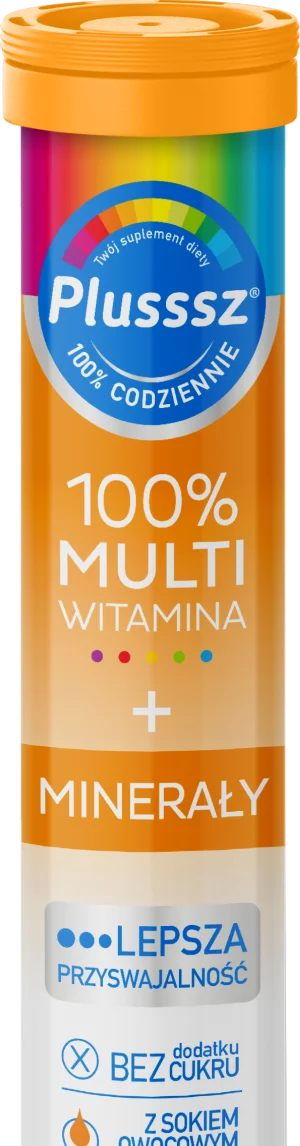
Requires choosing a formulation that is appropriately dosed and sugar-free. Generic products with poor bioavailability deliver less benefit. Look for no-added-sugar options with electrolyte blends, such as those from Plusssz UK. |
In practice, the comprehensive approach suits most active individuals because it accounts for multiple simultaneous gaps without requiring a separate testing programme for each nutrient. The key is choosing a product formulated for the specific demands of an active lifestyle rather than a generic one-size-fits-all tablet.
It depends on the nutrient. Vitamin B12 stores in the liver can sustain normal function for one to three years before deficiency symptoms emerge, which is why the condition is often caught late. Magnesium and electrolyte deficits can produce symptoms such as muscle cramps and fatigue within days of sustained loss, particularly during periods of intense training or hot weather. Vitamin D levels typically decline progressively over autumn and winter, with symptoms becoming noticeable by late winter if stores were not built up adequately in summer.
Yes, and this is an underappreciated risk for active people in the UK. Exercise increases the loss of nutrients through sweat, accelerated metabolic processes, and urine output. The stress that intense exercise places on the body raises requirements for B vitamins, iron, magnesium, and vitamin D above standard recommended daily amounts. This means that an intake which is adequate for a sedentary person may be insufficient for someone training four or more times per week.
Vitamin D2 (ergocalciferol) is plant-derived, while vitamin D3 (cholecalciferol) is the form produced by the skin in response to sunlight. Research consistently shows that vitamin D3 raises blood levels of the active form of vitamin D more effectively than D2. When choosing a multivitamin supplement UK product, check that it specifies D3 rather than simply "vitamin D," particularly if you are supplementing through the autumn and winter months when UK sunlight is insufficient for natural synthesis.
Water alone does not restore electrolyte balance after significant sweating. Sodium, potassium, and magnesium lost through sweat cannot be replaced by fluid intake alone. For sessions lasting more than an hour, training in warm conditions, or back-to-back training days, an electrolyte product that covers the full range of key minerals is genuinely useful rather than a marketing add-on. This is a specific area where a product like the Plusssz electrolyte formulation, designed for active individuals, provides something plain water cannot.
Several groups face elevated risk. Over-50s have reduced absorption efficiency across multiple nutrients. Vegans and vegetarians are at specific risk of B12 and iron deficiency. Menstruating women face higher iron requirements. People with limited outdoor exposure, including those who work indoors or cover their skin for cultural or medical reasons, are at heightened vitamin D risk. Active individuals across all these groups face compounded risk because of exercise-related nutrient depletion on top of baseline shortfalls.
The most reliable approach is a blood test that covers the key markers: vitamin D, B12, ferritin (iron stores), and magnesium. Many GP practices offer these as part of routine health checks, though waiting times vary. Private testing is also widely available. In the absence of testing, a well-formulated multivitamin supplement UK product that covers the nutrients most commonly deficient in active adults provides practical insurance against the most frequent gaps, particularly through winter.
Have you noticed any of these symptoms yourself, or changed your supplement routine after discovering a deficiency? Share what worked for you in the comments below.