If you train regularly, follow a busy routine, and still feel tired, flat, or slow to recover, your diet probably has micronutrient gaps, and a standard supermarket multivitamin designed for the average adult is not filling them. The best multivitamin for women UK shoppers should actually consider is one built around the specific demands of an active female body: higher iron needs tied to menstruation, vitamin D shortfalls compounded by training indoors, and B-vitamin requirements that scale with how hard you are working. This guide tells you exactly what those nutrients are, which formulation choices actually matter, and what to ignore on the label.
Key Insight |
Explanation |
|---|---|
Iron is a priority for menstruating active women |
Iron deficiency prevalence in female athletes ranges from 15 to over 50% in some studies. A women's formula should include iron; a men's formula typically should not. |
Vitamin D3 beats D2 for absorption |
D3 (cholecalciferol) raises and sustains blood levels more effectively. UK women training indoors are at particular risk of shortfall year-round. |
Bioavailable mineral forms are worth the extra cost |
Magnesium bisglycinate, for example, absorbs significantly better than magnesium oxide. The dose on the label means little if the form is poorly absorbed. |
Methylfolate is preferable to synthetic folic acid |
A common genetic variation (MTHFR) reduces the body's ability to convert synthetic folic acid. Methylated folate (L-5-MTHF) bypasses this bottleneck. |
No added sugar matters in practice |
Many gummy multivitamins contain added sugars and lower actual nutrient doses. For active women watching body composition, this is a meaningful trade-off. |
B-vitamin needs scale with training intensity |
B6, B12, riboflavin, and thiamin all support energy metabolism. Women who train hard and restrict calories are especially vulnerable to shortfalls in these nutrients. |
Megadoses are not evidence of quality |
Very high percentages of the Nutrient Reference Value on a label do not indicate a better product. They can signal poor formulation judgment and, for some nutrients, carry risks. |
An active woman's micronutrient requirements diverge from both a sedentary woman's and an active man's in ways that a generic multivitamin does not address. Menstruation increases iron demand. Higher training loads increase demand for B-vitamins involved in energy metabolism. Bone stress from impact exercise increases the importance of calcium and vitamin D, both of which are commonly under-consumed in women who avoid dairy or train primarily indoors.
Research from sports science consistently identifies the same cluster of nutrients as the most likely to be insufficient in active women's diets: iron, zinc, calcium, vitamin D, and B-vitamins including folate, B6, thiamin, and riboflavin. The risk is highest when energy intake is restricted, food choices are limited, or digestive issues are present. This is not a fringe finding. It reflects the intersection of female physiology, the demands of regular training, and the realities of how most people actually eat.
A common mistake is assuming that eating "reasonably well" covers these gaps. In practice, even a broadly balanced UK diet tends to fall short on vitamin D (due to low sunlight hours), iron (particularly in women who do not eat red meat frequently), and magnesium (which is depleted by sweat and under-represented in most processed foods). A well-formulated multivitamin designed for active women is not a replacement for good nutrition. It is specific insurance against the gaps that are statistically most likely.


Not all nutrients in a multivitamin carry equal weight for active women. Some are present mainly to pad the ingredient list. The following are the ones that genuinely move the needle.
Iron is the nutrient most likely to be deficient in active women of menstruating age, and the consequences for performance are direct: fatigue, reduced endurance, slower recovery. Estimates of iron deficiency in female athletes range from 15 to more than 50% depending on the population studied. A women's multivitamin should include iron in a form that does not cause significant gastrointestinal discomfort, such as ferrous bisglycinate rather than ferrous sulphate, which is harder to tolerate.
The UK's low sunlight hours mean that vitamin D insufficiency is widespread in the general population, and active women who train indoors face the same risk as everyone else. A target of around 10 micrograms per day is in line with UK health guidance for the general population. Look for D3 (cholecalciferol) rather than D2 (ergocalciferol), as D3 is the form that raises and sustains blood levels more reliably.
Folate supports red blood cell formation, energy metabolism, and hormonal function. The issue with synthetic folic acid is that a significant proportion of women carry a common genetic variation affecting folic acid conversion. Methylated folate (L-5-MTHF) is the active form that the body can use directly, which is why a better-formulated women's multivitamin will specify methylfolate rather than just listing folic acid.
The B-vitamin group supports energy release from carbohydrates, fats, and protein. Active women who restrict calories while training are particularly vulnerable to shortfalls in these nutrients, because B-vitamin requirements increase with exercise intensity while dietary intake decreases. B12 deserves specific attention for women who eat little or no animal food, as it is found almost exclusively in animal-derived sources.
Calcium supports bone density, which is a genuine long-term concern for active women, particularly those in impact sports. Magnesium is involved in muscle function, sleep quality, and energy production, and is depleted through sweat. For both minerals, the form matters. Calcium carbonate is cheaper but poorly absorbed without food. Magnesium oxide is common in budget products but has low bioavailability compared to bisglycinate or citrate.
Iodine supports thyroid function, which directly affects energy and metabolic rate. UK women who do not regularly consume dairy, fish, or iodine-fortified alternatives are at risk. Zinc supports immune function, wound healing, and hormonal health, and is commonly under-consumed in women who eat limited meat or who follow plant-based diets.
The dose printed on a supplement label is only meaningful if the body can actually absorb and use that nutrient. This is where many budget multivitamins fail in a way that is not obvious from the front of the pack. A product can list 100% of the Nutrient Reference Value for magnesium while using magnesium oxide, a form with very low absorption, and deliver a fraction of the functional benefit of a product using half the stated dose in bisglycinate form.
A useful multivitamin is nutritional insurance, not a fat burner or muscle builder. The value is in consistent, absorbable coverage of the nutrients most likely to be missing, not in impressive-looking percentages on the label.
When reviewing any women's multivitamin, the ingredient list, not the headline numbers, tells you whether the manufacturer has made real formulation decisions. Bisglycinate forms of minerals (magnesium bisglycinate, iron bisglycinate, zinc bisglycinate) consistently outperform oxide and sulphate forms on absorption. Methylcobalamin is the preferred form of B12 over cyanocobalamin for direct usability. Vitamin K2 (MK-7) is better retained than K1 for bone-related functions. These are not marketing distinctions. They reflect real differences in how nutrients enter and are used by the body.
Pro tip: When comparing two women's multivitamins, skip the percentages and go straight to the ingredient list. If the magnesium source is listed as magnesium oxide, the iron as ferrous sulphate, and the B12 as cyanocobalamin, that is a budget-form product regardless of what the front of the pack claims.

The things to avoid in a women's multivitamin are just as important as the things to look for. Several common formulation choices either deliver no benefit, actively reduce efficacy, or introduce ingredients an active woman simply does not need.
Gummy vitamins have grown in popularity, but a significant portion of the product is sugar or sugar alcohols, the actual nutrient payload is often lower than a capsule equivalent, and the format is essentially candy with vitamins added. For women managing body composition, recovery nutrition, and hydration alongside training, added sugar in a daily supplement is a pointless addition with no nutritional benefit.
Synthetic dyes, titanium dioxide, and various flowing agents appear in cheap multivitamins for cosmetic and manufacturing reasons. They add nothing to the nutritional profile and represent a level of formulation carelessness that usually extends to the quality of the active ingredients as well.
A multivitamin delivering 600% of the NRV for vitamin B6 is not six times better than one delivering 100%. At very high doses, vitamin B6 has been associated with neurological effects. Excess preformed vitamin A (retinol) can accumulate in the body and carries toxicity risk at sustained high doses. Sensible amounts close to 100% NRV for most nutrients, with a few exceptions for nutrients where higher doses are well-supported, is a sign of considered formulation rather than marketing excess.
As noted above, a meaningful proportion of women cannot efficiently convert synthetic folic acid into the active form the body uses. A product that uses only folic acid, rather than including methylfolate, is making a cheaper choice that may not serve all users equally well.
Post-menopausal women generally do not need supplemental iron, and excess iron intake in women who do not require it provides no benefit and can cause digestive issues. A formula targeted at active women of menstruating age should include iron. A formula targeted at women over 50 or post-menopause should typically not. Make sure the product you are buying is designed for your actual stage of life, not just your activity level.
Not all women's multivitamins are built to the same standard. The differences between a demographic-specific, bioavailable formula and a generic adult or gummy-format product are substantial enough to affect real-world results.
Approach |
Strengths |
Weaknesses |
|---|---|---|
Generic adult multivitamin (e.g. standard supermarket brand) |
Low cost, widely available, covers basic NRV percentages across a broad range of nutrients |
Not formulated for female physiology. Often uses cheap mineral forms (oxide, sulphate). Iron content varies unpredictably. No consideration of active women's elevated B-vitamin needs. |
Gummy women's multivitamin |
Easy to take, palatable, some include iron and B-vitamins |
Added sugar, lower actual nutrient doses compared to capsule formats, short shelf life once opened, and formulation compromises driven by taste requirements rather than efficacy. |
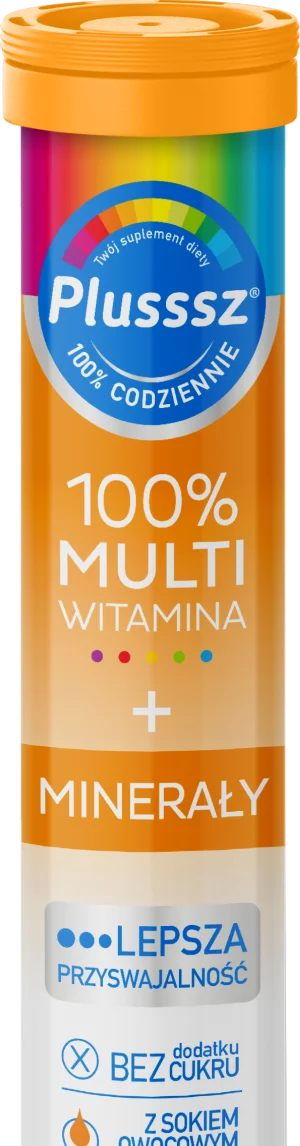
Bioavailable women's formula (e.g. Plusssz Women's Multivitamin) |
Uses bioavailable mineral and vitamin forms (bisglycinate, methylfolate, D3). Designed around female-specific nutrient needs including iron, iodine, and B-vitamins. No added sugar. Formulated for active women. |
Higher cost per serving than supermarket alternatives. Requires reading the label to appreciate the formulation difference versus cheaper products. |
Pro tip: The best way to assess whether a women's multivitamin is worth paying more for is to check three things on the ingredient list: the magnesium form (bisglycinate beats oxide), the folate form (methylfolate beats synthetic folic acid), and whether the iron is included and dosed appropriately for menstruating women. If all three pass, the formulation is serious. If two or more fail, the headline price is probably reflecting the input cost rather than a deliberate premium.
One of the most common gaps in active women's supplement planning is treating a multivitamin and an electrolyte product as interchangeable or overlapping. They are not. They address different physiological needs, and the most effective approach combines both in a way that avoids redundancy.
Electrolyte hydration products, such as the Plusssz electrolyte range, are primarily designed to replace sodium, potassium, magnesium, and chloride lost through sweat during and after training. They support fluid balance, muscle function during exercise, and recovery hydration. A women's multivitamin addresses a different layer: the fat-soluble vitamins (A, D, E, K), B-vitamins for energy metabolism, iron, zinc, iodine, and calcium that are not typically included in electrolyte products and that need to be supplied consistently over time regardless of training load on a given day.
In practice, an active woman benefits most from taking her multivitamin consistently on both training and rest days, while using electrolyte hydration products around specific training sessions or during periods of higher sweat loss. The two products complement each other without significant overlap when chosen thoughtfully. The Plusssz multivitamin range is specifically formulated with this kind of complementary use in mind, covering the micronutrient gaps that electrolyte products are not designed to fill.
Where brands like Science in Sport or High Five focus primarily on carbohydrate-based performance fuelling, Plusssz's combined approach of electrolyte hydration and targeted multivitamin complexes is built around the active woman who trains regularly and wants comprehensive daily nutritional support, not just race-day fuelling.
Yes, meaningfully so. A standard adult multivitamin is typically calibrated for a sedentary adult and does not account for the higher iron requirements of menstruating women, the elevated B-vitamin demands of regular training, or the increased importance of vitamin D and calcium for women engaged in impact sports. A women's specific formula, particularly one designed for active individuals, addresses these differences in both the nutrients included and their doses.
Ferrous bisglycinate is the preferred form. It has good absorption rates and is considerably gentler on the digestive system than ferrous sulphate, which is the form used in most budget products. If a multivitamin lists iron as ferrous sulphate and you have a sensitive stomach, look for an alternative. The dose should be appropriate for menstruating women, typically in the range of 14 to 18mg, not a token amount added purely for label purposes.
A balanced diet is the foundation, and no multivitamin replaces it. However, even women who eat well tend to have shortfalls in specific nutrients: vitamin D in the UK is structurally difficult to obtain from food alone given the sunlight levels, magnesium is depleted by sweat and not easily replaced by modern diets, and iron requirements in menstruating active women are high enough that dietary sources do not always cover them reliably. A well-formulated women's multivitamin covers the gaps that are statistically most common, even in otherwise good diets.
For most nutrients in a sensibly formulated product, no. The risk arises with products that deliver very high multiples of the NRV for specific nutrients, particularly preformed vitamin A (retinol), vitamin B6, and iron. Preformed vitamin A accumulates in the body over time and is toxic at sustained excess doses. Vitamin B6 at very high doses (well above NRV levels) has been associated with peripheral nerve effects. A well-formulated multivitamin stays close to 100% NRV for most nutrients and does not use impressive percentage figures as a selling point.
Yes, and for most active women this combination makes sense. A multivitamin covers fat-soluble vitamins, iron, zinc, iodine, B-vitamins, and other micronutrients. An electrolyte supplement covers sodium, potassium, and magnesium for hydration and muscle function around training. There is some overlap on magnesium, so check the combined daily total if you are taking both, but in most cases the overlap is small and poses no issue at normal supplement doses.
With food, usually at a main meal. The fat-soluble vitamins in a multivitamin (A, D, E, K) absorb better in the presence of dietary fat, so taking your supplement alongside a meal that includes some fat improves uptake meaningfully. Iron absorption can be improved by vitamin C in the same meal and is reduced by calcium and tannins (in tea and coffee), so if iron status is a particular concern, avoid taking your multivitamin immediately with a cup of tea.
Have you noticed a difference switching from a generic multivitamin to one formulated specifically for active women? We would genuinely like to hear what changed for you.