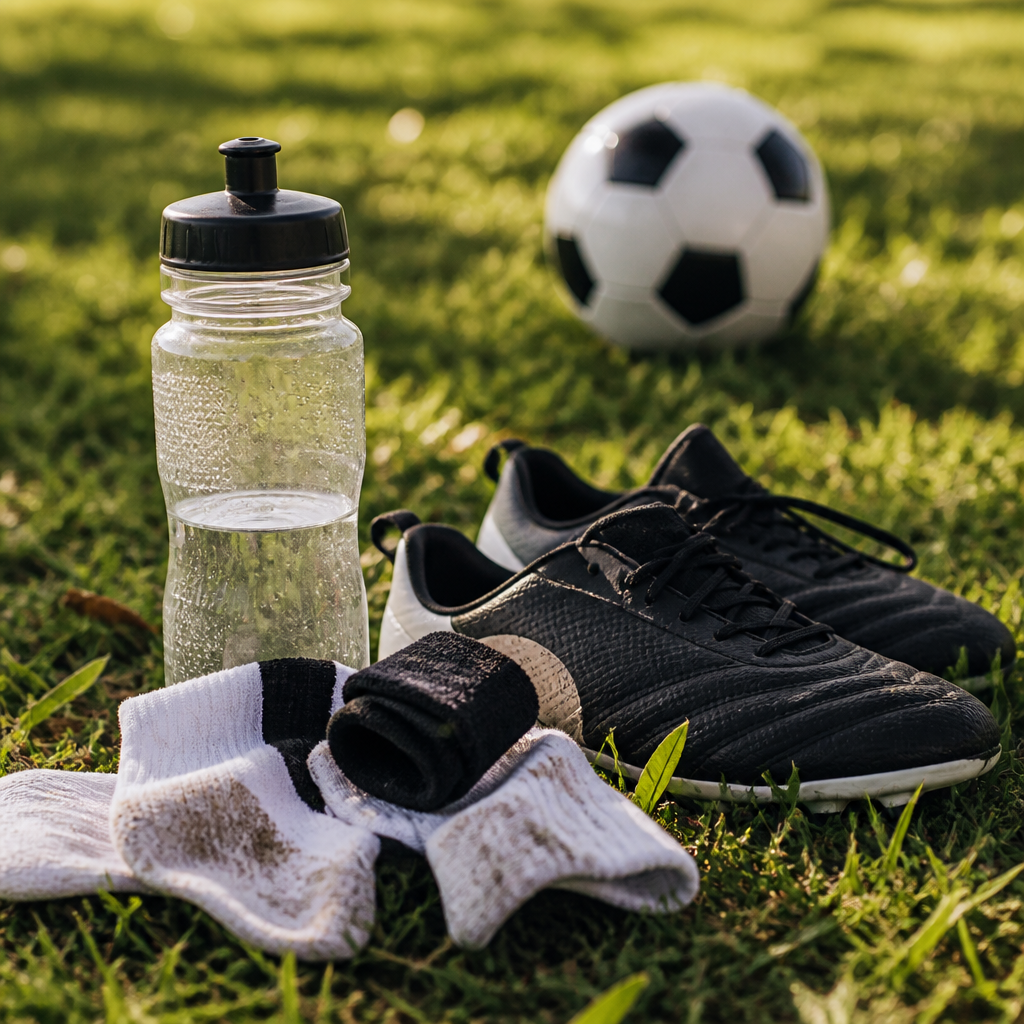
Most parents hand their child a glass of water after football practice and call it done. That is not enough. When children sweat, they do not just lose fluid; they lose sodium, potassium, and magnesium, the very minerals that keep muscles working and energy levels stable. Plain water replaces the liquid but leaves the mineral deficit untouched, which is exactly why a child can drink plenty of water and still feel sluggish, crampy, or irritable after intense play. Understanding electrolytes for children UK families need to know about is not complicated, but it does require looking beyond the water bottle.
Key Insight |
Explanation |
|---|---|
Children dehydrate faster than adults |
Their higher body surface area to volume ratio means they lose heat and fluid more quickly, making electrolyte replenishment more urgent after activity. |
Plain water does not replace electrolytes |
Drinking water after significant fluid loss can actually worsen cellular hydration if the lost minerals are not also replaced. |
Sodium is the priority electrolyte during exercise |
It is the primary mineral lost through sweat and the one most responsible for maintaining fluid balance during and after physical activity. |
Potassium deficiency is common in children |
Many children do not eat enough potassium-rich foods such as leafy greens, potatoes, and fruit, making dietary gaps a real concern. |
Illness is a major electrolyte drain |
Fever, vomiting, and diarrhoea deplete electrolytes rapidly. Electrolyte support during mild illness improves recovery speed compared with plain fluids alone. |
Sugar-free formulations are the right choice for kids |
Traditional sports drinks can contain as much sugar as fizzy drinks. A no-added-sugar junior hydration supplement avoids blood sugar spikes while still delivering essential minerals. |
Food can cover baseline needs on low-activity days |
A balanced diet provides adequate electrolytes on calm, indoor days. Supplementation becomes practical on active days, during illness, or in hot weather. |
Electrolytes are minerals that carry an electrical charge and regulate fluid balance at the cellular level. The key ones for children are sodium (the primary extracellular electrolyte), potassium, magnesium, and calcium. Together, they govern how cells hold water, how muscles contract, how nerves fire, and how the body maintains stable energy. Without the right balance, none of those processes run properly.
Children are more susceptible to electrolyte imbalance than adults for a straightforward physiological reason. Their higher body surface area relative to their volume means they lose fluid and heat faster, and they tend to ignore thirst cues when they are engaged in play. A child who is running around a football pitch in July or sweating through an indoor gymnastics session is burning through electrolytes at a rate their diet alone may not keep up with.
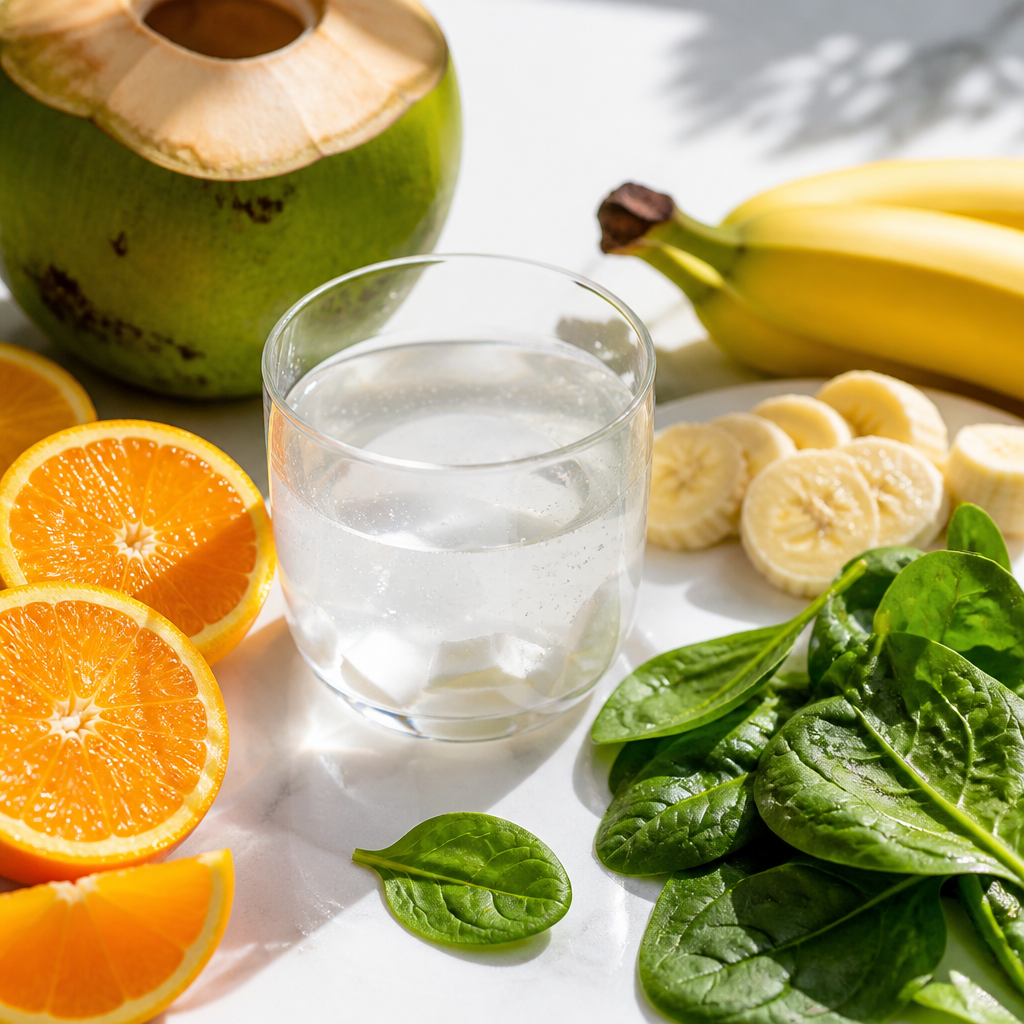

Sodium keeps fluid in the bloodstream and drives the thirst signal. Potassium works inside cells to balance sodium and support muscle contraction. Magnesium is involved in over 300 enzymatic processes, including energy production and muscle relaxation. Calcium supports bone development and nerve signalling. When a child sweats heavily, all four decline, but sodium is the one that drops fastest and has the most immediate effect on how a child feels and performs.
There is a widespread assumption that water fixes everything. For a child sitting in a classroom on a cool autumn day, that is largely true. But the moment physical output increases or illness strikes, that assumption breaks down. Replacing only water after significant fluid loss can actually worsen cellular hydration rather than improve it, because it dilutes the remaining electrolytes in the blood without restoring them.
There are four specific situations where a targeted junior hydration supplement makes a real practical difference.
Children sweating actively in warm conditions lose sodium and potassium at rates that plain water cannot address. After more than 30 to 60 minutes of vigorous outdoor activity, the case for electrolyte support is strong. This is not about performance supplementation. It is about preventing the mid-afternoon fatigue, headaches, and irritability that parents often attribute to too much sun, when the underlying cause is an electrolyte deficit.
Elevated temperature increases sweating and metabolic demand simultaneously. Electrolyte replacement during a fever supports recovery more effectively than plain fluids alone. After vomiting or diarrhoea, acute illness depletes electrolytes rapidly. While an Oral Rehydration Solution (ORS) is the clinical tool for severe dehydration, a gentle electrolyte drink serves maintenance hydration well during milder illness episodes.
Air conditioning in cars, trains, and planes is quietly dehydrating. Passive electrolyte depletion over several hours of travel contributes to the fatigue and irritability many parents attribute to "car sickness," when the real cause is mineral loss from a dry, recirculated air environment.
Replacing only water after significant fluid loss can worsen cellular hydration rather than improving it. The electrolytes lost through sweat, fever, or illness must be restored alongside fluid for recovery to be effective.
Children participating in football academies, swimming clubs, athletics training, or any structured sport are losing electrolytes consistently across the week. A junior hydration supplement used on training days, not every day, is a proportionate and practical approach for this group. It is not the same as adult sports supplementation; the dosage context and formulation should be appropriate for a child's body weight and activity level.
Electrolyte imbalance in children rarely announces itself with a dramatic symptom. It tends to present as a cluster of vague but recognisable changes that parents often attribute to tiredness, hunger, or mood. Knowing the pattern is more useful than waiting for a single definitive sign.
Early signs of dehydration and electrolyte depletion in children include a dry or sticky mouth, fewer tears when crying, darker yellow urine, and urinating less frequently than usual. A child may also seem more tired or irritable than normal. Beyond those early markers, watch for muscle cramps after activity, an unusual drop in concentration or school performance after physical sessions, and complaints of headache with no obvious cause following outdoor play.
Pro tip: Check urine colour as a quick daily screen. Pale straw-coloured urine indicates adequate hydration. Dark amber urine after a sports session means your child needs fluid and electrolytes, not just water.
A common mistake parents make is offering sugary squash or fruit juice as a hydration fix after sport. Both contain some potassium but deliver a large sugar load that spikes blood glucose without meaningfully restoring sodium levels. A purposefully formulated, no-added-sugar junior hydration product is a better fit for post-activity recovery.
Food is always the starting point. A diet that includes bananas, watermelon, spinach, dairy products, and nuts covers a meaningful portion of a child's daily electrolyte needs on low-activity days. Bananas and potatoes are practical potassium sources that most children will actually eat. Milk and yogurt provide calcium and some magnesium. These foods should not be replaced by a supplement; they should form the base layer.
The problem is that food alone does not respond quickly enough on high-demand days. After 90 minutes of football in July, a child cannot eat their way back to electrolyte balance in time to recover for the evening. That is the gap a junior hydration supplement is designed to fill: fast, targeted, and without the sugar load that makes most commercial sports drinks unsuitable for children.
Pro tip: On low-activity, cool-weather days, skip the supplement entirely and focus on electrolyte-rich food. Save the junior hydration product for days when your child has genuinely exerted themselves or shown signs of depletion. Consistent, targeted use is more effective than daily routine supplementation for children with moderate activity levels.
Not every product marketed at children is appropriate for them. Several things disqualify a product outright for use with kids: caffeine content, artificial dyes, high sugar loads, and adult-level sodium concentrations. These are not edge-case concerns; they are common features of mainstream sports drinks that happen to be marketed with bright colours and fruity flavours.
Here is what a genuinely suitable junior hydration supplement should contain and avoid.
A balanced ratio of sodium, potassium, and magnesium is the core. Sodium drives fluid retention and thirst response. Potassium and magnesium support muscle function and recovery. A product that includes all three in a child-proportionate dose is preferable to one that maximises sodium for adult endurance contexts. Look for no added sugar, no artificial colours, and no caffeine. A clean ingredient list is not a marketing claim in this context; it is a safety requirement.
Avoid any product that contains caffeine in any form, including green tea extract or guarana. These are adult stimulants with no place in a children's formulation. Be cautious with products designed for high-intensity adult endurance sport; their sodium concentrations are calibrated for athletes losing very large volumes of sweat, not for children. Similarly, any product with a high sugar content (common in branded sports drinks) adds unnecessary caloric load and blood sugar volatility.
Sugar-free electrolyte drinks that are free from dyes and caffeine, and formulated specifically for everyday hydration needs, are the appropriate category for children. The formulation should support hydration support without turning a practical mineral replacement into a confectionery habit.
Approach |
Benefits |
Limitations |
|---|---|---|
Plain water only |
Freely available, no cost, appropriate for low-activity indoor days and short-duration play under 30 minutes |
Does not restore sodium, potassium, or magnesium lost through sweat; can dilute remaining electrolytes after significant fluid loss |
Electrolyte-rich foods (banana, dairy, leafy greens) |
Provides minerals alongside fibre, vitamins, and other nutrients; ideal daily baseline strategy; no additives or packaging concerns |
Slow absorption relative to fluid-based electrolytes; impractical during or immediately after sport; potassium and magnesium coverage may still fall short on high-demand days |
No-added-sugar junior hydration supplement |
Fast mineral replenishment; appropriate sodium, potassium, and magnesium balance; no sugar spike; practical on-the-go format for after sport, illness, or travel |
Not necessary on every day; should be used as a targeted top-up, not a replacement for a balanced diet or adequate water intake |
The honest position is that all three approaches belong in a well-managed hydration routine for an active child. Food covers the daily baseline. Water handles low-exertion days. A clean, purpose-formulated junior hydration supplement steps in when the demand genuinely exceeds what food and water can meet quickly enough.
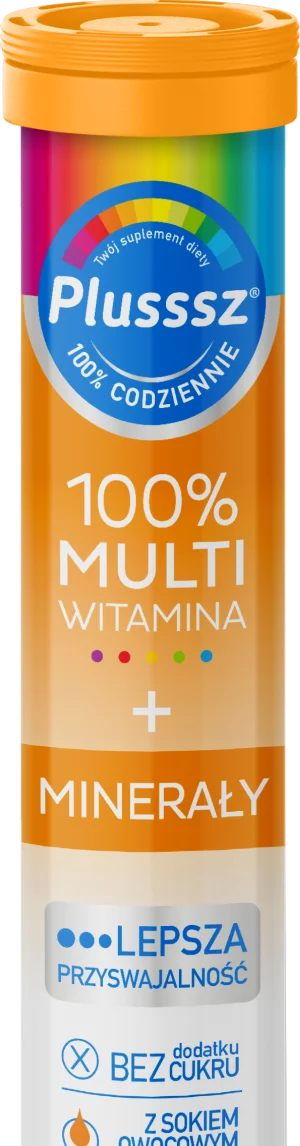
Plusssz builds its electrolyte hydration products around one principle that matters for children as much as it does for adults: no added sugar, with a formulation designed to support genuine mineral replenishment rather than flavoured hydration theatre. The no-added-sugar commitment is not a small detail. It is what separates a supplement from a sports drink, and it is exactly what a parent should be looking for when choosing something to give a child after training or during illness recovery.
Plusssz electrolyte hydration products are not branded specifically as children's products, which means parents considering them for older children and teenagers should check the formulation against their child's age, body weight, and activity level. For younger children, ORS prescribed by a GP remains the appropriate clinical tool for acute illness. But for active older children and teenagers recovering from sport, a Plusssz electrolyte product used in appropriate amounts is a clean, sugar-free alternative to the high-sugar drinks that dominate most sports venue vending machines.
If you are also looking at broader nutritional gaps, Plusssz multivitamin complexes are formulated for specific demographic needs. While these are adult-targeted products, they represent the kind of targeted, activity-oriented supplementation mindset that transfers directly to junior nutrition conversations. The Plusssz blog covers hydration and supplementation topics across a range of activity levels, and the product range at plusssz.co.uk gives a clear picture of what a no-sugar, performance-focused formulation looks like in practice.
A common mistake parents make when selecting supplements for children is reaching for a product designed for adult endurance athletes. The sodium concentration in those products is calibrated for prolonged, heavy sweating at adult body mass. For a child, a gentler electrolyte balance is more appropriate, and a no-added-sugar formulation avoids compounding the issue with unnecessary sweeteners. Match the product to the actual activity level and body size, not to the marketing imagery on the front of the pack.
For older children and teenagers engaged in regular sport, a no-added-sugar electrolyte supplement that is free from caffeine and artificial dyes is generally considered safe and appropriate. For younger children or during acute illness, an Oral Rehydration Solution (ORS) recommended by a GP or pharmacist is the more appropriate clinical tool. Always check the product label for age suitability and match the dose to your child's body weight and activity level.
If your child has been active for more than 30 to 60 minutes in warm conditions, has had a fever, or has experienced vomiting or diarrhoea, plain water alone is unlikely to be sufficient. Dark urine, muscle cramps, unusual fatigue after activity, or persistent irritability after sport are signs that electrolyte replenishment may be needed alongside fluid replacement.
Most commercial sports drinks contain high levels of sugar, artificial flavouring agents, and in some cases caffeine, none of which are appropriate for children. A purpose-built junior hydration supplement should contain a balanced ratio of sodium, potassium, and magnesium, with no added sugar, no caffeine, and no artificial dyes. The mineral delivery is the functional element; the sugar in standard sports drinks is a palatability addition that serves marketing more than hydration.
On low-activity days with a varied diet that includes fruit, vegetables, dairy, and whole foods, yes. Bananas, potatoes, spinach, milk, and yogurt all contribute meaningfully to daily electrolyte intake. The gap appears on high-exertion days, during illness, or in hot weather, when demand outpaces what food can replenish quickly enough. That is when a targeted supplement adds practical value over dietary sources alone.
Guidance from sports nutrition experts suggests that children engaged in physical activity can start with a lower sodium target than adults. A general principle is to provide enough sodium to support fluid retention and thirst response without going to adult endurance-sport concentrations. A product formulated at a moderate electrolyte level, rather than a high-sodium adult formula, is more appropriate for most children in organised sport. Always read the serving guidance on any product and scale it to your child's age and size.
There is no single universal age threshold, but for toddlers and young children, food-based electrolyte sources and GP-recommended ORS for illness are the right starting points. For school-age children engaged in regular sport, a clean, no-added-sugar electrolyte product is increasingly appropriate as activity intensity increases. For teenagers, the adult electrolyte hydration category is typically suitable with normal serving guidance. When in doubt, consult a GP or registered dietitian who can advise based on your child's specific health profile and activity level.
Not quite. Kids vitamins and minerals cover a broader spectrum of nutritional gaps, including vitamins A, C, D, B-complex, zinc, and iron alongside some electrolyte minerals. Electrolyte supplements focus specifically on the minerals that regulate fluid balance, sodium, potassium, magnesium, and sometimes calcium, and are designed for fast replenishment during or after exercise or illness. Both serve different purposes and, used appropriately, can complement each other within a wider nutritional strategy for an active child.
If your child is active and you have experimented with electrolyte hydration for them, we would genuinely like to hear what has and has not worked in practice. Share your experience in the comments below.