August in the UK can catch even experienced athletes off guard. The humidity climbs, the sun lingers well into the evening, and the body starts working overtime just to keep core temperature stable. Training in hot weather UK conditions is a genuine physiological challenge, not simply a matter of willpower. Research consistently shows that even mild dehydration - around 2% of body weight lost through sweat - is enough to impair endurance performance, slow reaction times, and make every rep feel harder than it should. If a friend pointed you toward this article, it is probably because they have been through a rough summer session themselves. Here is what actually works.
Your body has one primary mechanism for cooling itself during exercise: sweating. As sweat evaporates from the skin, it draws heat away from the body and keeps core temperature within a safe range. In hot conditions, that system runs at full capacity from the moment you start moving.
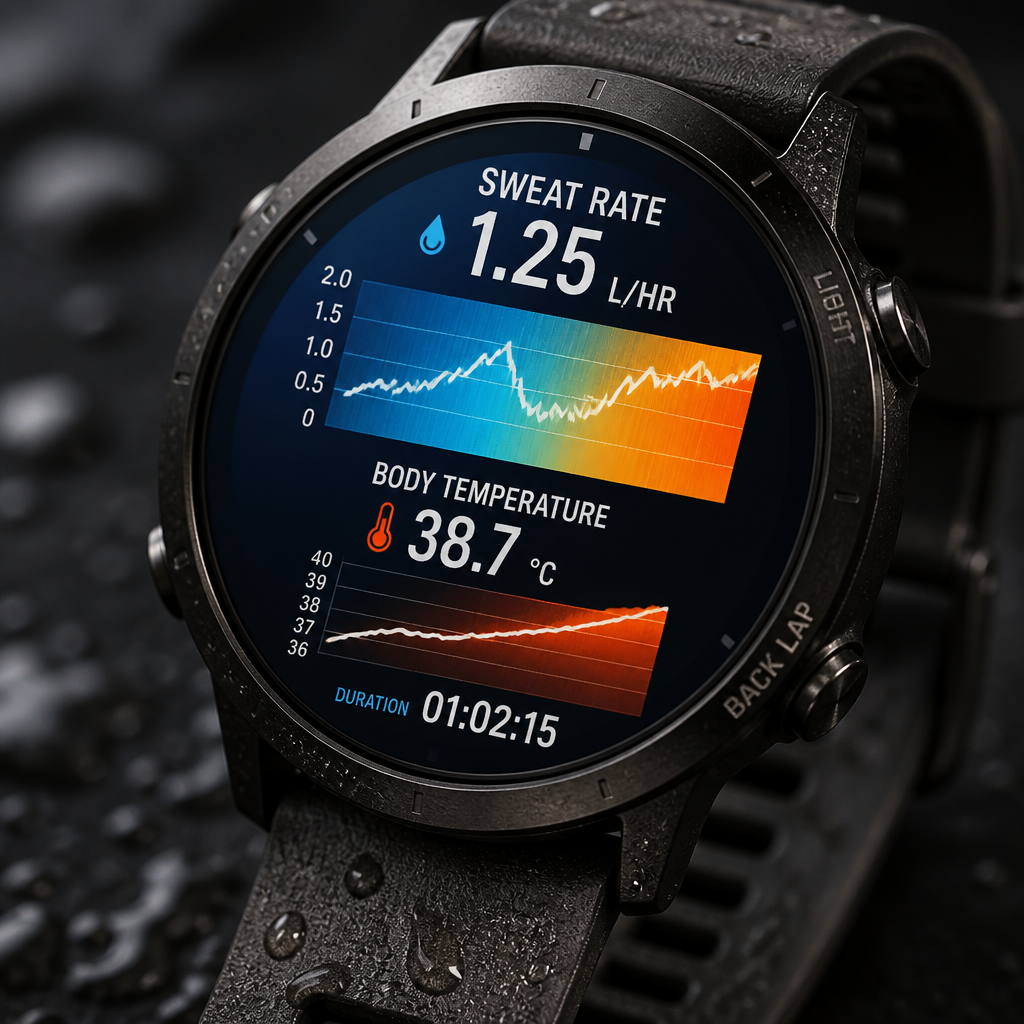
The problem is that sweat losses in hot environments can climb significantly - some individuals lose well over a litre per hour depending on workout intensity and ambient conditions. The body is simultaneously managing two stressors at once: the metabolic heat generated by exercise and the external heat from the environment. Fluid and electrolyte depletion accelerates faster than many people expect, and by the time thirst becomes obvious, performance is already compromised.
Mild dehydration has been associated with impaired endurance performance, particularly in warm and hot conditions. Cognitive function also dulls, which matters for sports requiring coordination and decision-making. The short version: by the time you feel thirsty on a hot August day, you are already behind.
Most people think about hydration during a workout. The athletes who perform best in heat think about it the night before. Arriving at a session already well-hydrated gives your body a meaningful buffer before sweat losses even begin.
Adequate fluid intake in the 24 hours before intense summer exercise is a practical starting point. Drinking approximately 500 ml of fluid around two hours before exercise is a commonly recommended approach - it supports hydration status while allowing time for excess fluid to be excreted before you start moving. Do not chug a large volume immediately before heading out; your kidneys cannot process it quickly enough to be useful, and you will spend the first kilometre looking for a bush.
Urine colour is your simplest real-time check. Pale straw yellow before a session means you are in good shape. Dark amber means you are already playing catch-up.
Pro tip: Keep a 750 ml water bottle on your bedside table the night before any planned morning session in August. Drink it when you wake up. That single habit eliminates the most common reason people start summer workouts already dehydrated.
This is the simplest tip on this list and the one most frequently ignored. August temperatures in the UK tend to peak in the early-to-mid afternoon. Scheduling hard sessions for early morning or early evening is not a compromise - it is smart training. You get a physiologically safer environment, lower perceived effort at the same intensity, and faster recovery.
Morning sessions benefit from cooler overnight temperatures, lower humidity in many parts of the country, and shade that has not yet been cooked away by direct sun. Evening sessions can work well too, but humidity sometimes stays elevated after a warm day, and core body temperature remains higher in many people throughout the afternoon.
In practice, early morning wins for most outdoor training in peak summer heat. If your schedule forces a midday session, shorten the duration, reduce intensity, and move indoors or into shade wherever possible. Do not try to hit personal bests in 28-degree heat at 1 pm. The numbers will lie to you and the recovery cost will be real.
Pro tip: If you train with a group and someone wants to push the pace in peak heat, that is the moment to be the voice of reason. Heat exhaustion is not a badge of honour, and it can sideline you for days.
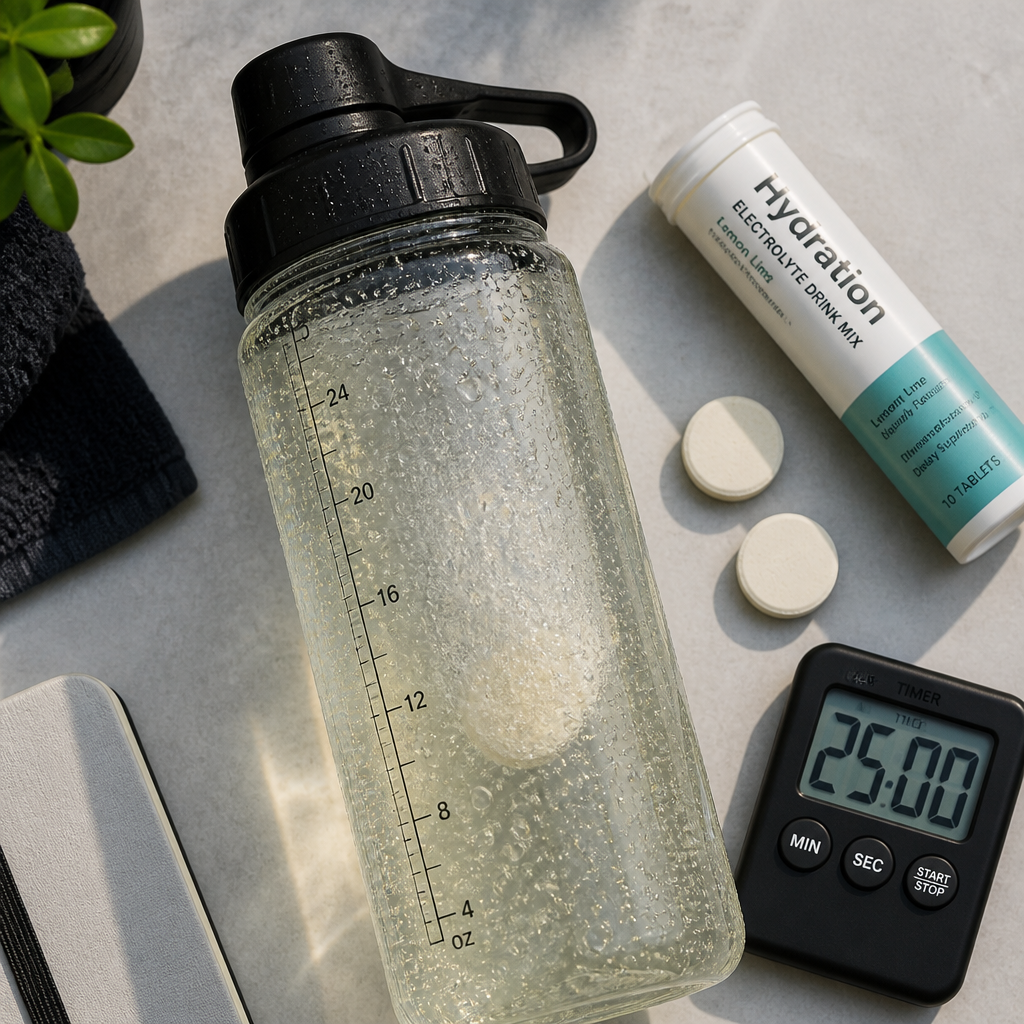
Water alone is not enough during prolonged summer sessions. Sweat contains sodium, potassium, magnesium, and other electrolytes, and losing those without replacing them creates an imbalance that can cause muscle cramps, fatigue, and in serious cases, a condition called hyponatraemia - dangerously low sodium caused by drinking too much plain water without corresponding electrolyte intake.
Sodium is the most important electrolyte to replace during exercise, as it is lost in the greatest quantity through sweat and is central to fluid retention and nerve function. A quality electrolyte supplement will include sodium alongside potassium and magnesium in meaningful amounts, not just token doses buried in a flavour-heavy formula.
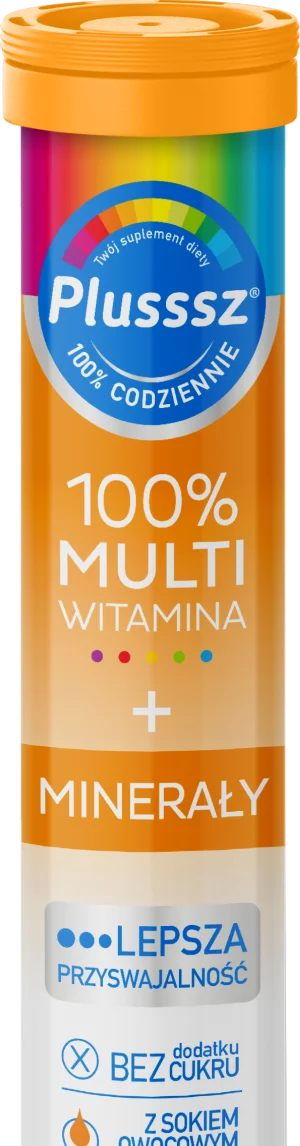
This is where the Plusssz electrolyte hydration range earns its place in a serious summer training kit. The formulas are designed with no added sugar, which matters because high-sugar sports drinks can spike blood glucose and cause gastrointestinal discomfort during sustained effort. If you have been using a mainstream sports drink and wondering why your stomach feels rough after long runs in the heat, the sugar load is the most likely culprit.
For sessions lasting under 45 minutes in moderate heat, water is generally sufficient. For anything longer, or in high humidity and direct sun, an electrolyte supplement is the more responsible choice. Products like those from Science in Sport, High Five, and ORS Hydration all have electrolyte offerings, but the no-added-sugar formulation at Plusssz is particularly well-suited to people training at higher intensities who do not want the caloric overhead of a sweetened drink.
Replacing electrolytes during summer exercise is not about sports performance marketing - it is about maintaining the basic chemistry your muscles and nerves need to function. Water replaces volume. Electrolytes restore balance.
Most people have no idea how much they sweat during a session. This makes it impossible to hydrate accurately. A simple body weight check before and after exercise gives you a direct measure of fluid losses.
Weigh yourself without clothing before your session and again immediately after, without drinking during the session for the purpose of the test. Each kilogram of body weight lost represents roughly one litre of fluid lost through sweat. If you lose 1.2 kg in a 60-minute run, you now know your sweat rate under those conditions.
Do this a few times across different conditions - cool morning, warm evening, high intensity, lower intensity - and you build a personal hydration map. That map tells you exactly how much to drink during future sessions of similar length and intensity, removing the guesswork entirely. It is a habit used by serious endurance athletes but requires no equipment beyond a set of scales.
A common mistake is assuming sweat rate is fixed. It increases with heat, humidity, and exercise intensity, and it varies between individuals significantly. Your training partner might sweat at half your rate. Do not calibrate your intake based on what someone else is drinking.
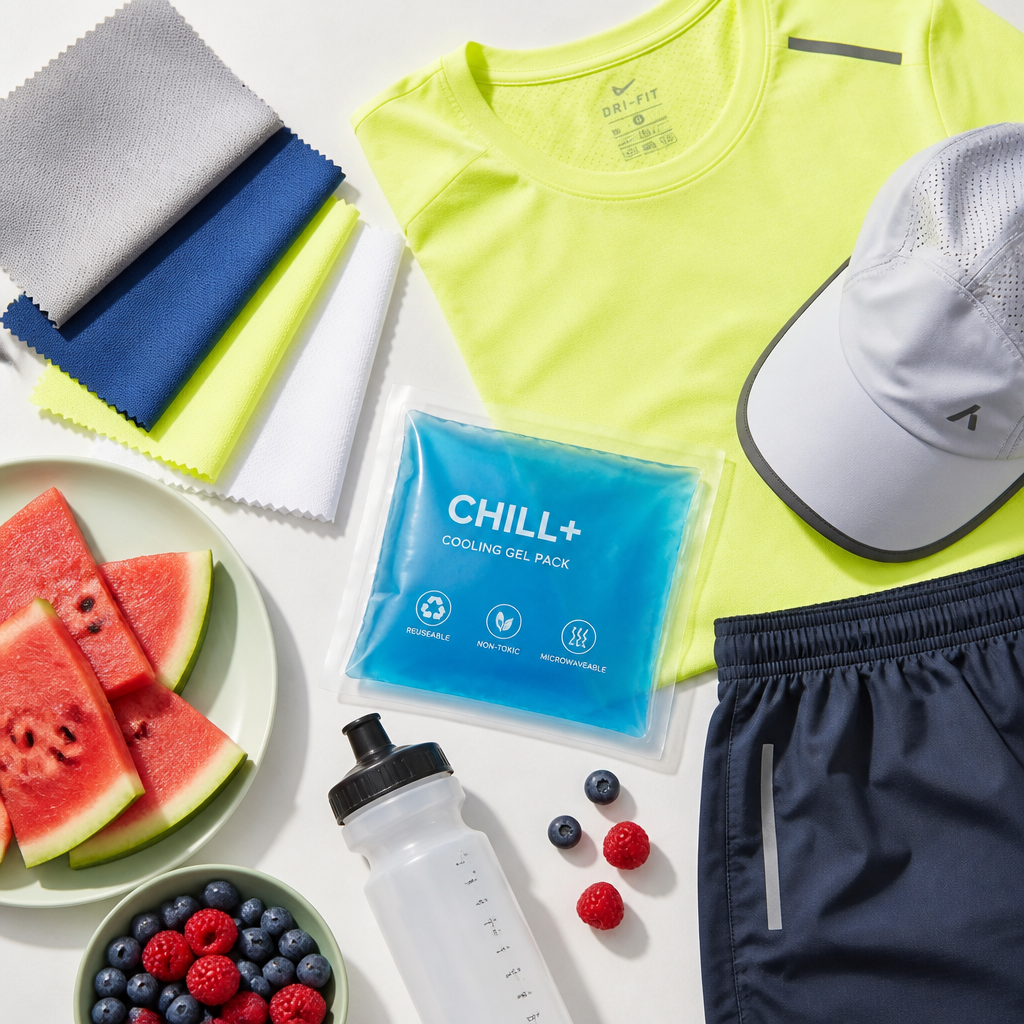
Hydration does not come from drinks alone. A meaningful portion of daily fluid intake in a well-structured diet comes from food, and certain foods contribute significantly to pre- and post-workout hydration status.
Fruits and vegetables with high water content - cucumber, watermelon, strawberries, celery, and oranges among them - provide fluid alongside natural sugars and micronutrients that support recovery. Including these in a pre-workout meal or post-workout snack is a low-effort way to build hydration from multiple directions at once.
Post-workout meals are an underused hydration opportunity. A bowl of natural yoghurt with fruit, or a smoothie made with water-rich ingredients, contributes meaningfully to fluid replenishment while also supporting muscle recovery. The combination of food-based hydration and an electrolyte drink post-session is more effective than either alone for longer or more intense summer sessions.
If you are also using a multivitamin complex, timing matters here too. The Plusssz multivitamin range is designed to complement an active lifestyle, and taking it with a meal that includes hydrating foods helps with nutrient absorption - a practical application of improved assimilability rather than just a label claim.
What you wear during a summer session directly affects how hard your thermoregulatory system has to work. Clothing choices that trap heat force the body to sweat more to achieve the same cooling effect, increasing fluid losses and accelerating the path toward dehydration.
Lightweight, moisture-wicking fabrics allow sweat to evaporate efficiently rather than sitting against the skin. Loose-fitting, light-coloured clothing reflects solar radiation rather than absorbing it. Dark, tight synthetic fabrics do the opposite - they trap heat and impair evaporative cooling. This is not a style choice. In serious August heat, the wrong kit can meaningfully increase fluid losses over a 60-minute session.
For outdoor training in direct sun, a lightweight cap with ventilation protects the head and face without significantly reducing airflow. Route planning matters too - choosing shaded paths, parks with tree cover, or tracks near water can reduce the thermal load on the body compared with open tarmac that radiates heat upward.
Pro tip: Pre-cooling - a cold shower, cold water on the wrists and neck, or a cool damp cloth applied to the skin before heading out - can meaningfully reduce perceived heat stress during the early stages of a summer session. It is a simple tool that costs nothing.
The body adapts to heat exposure over time through a process called heat acclimatisation. The cardiovascular system becomes more efficient, sweat onset happens earlier, sweat volume increases, and sodium losses in sweat actually decrease as the body gets better at conserving electrolytes. These adaptations reduce the physiological strain of training in hot weather significantly.
Meaningful acclimatisation typically requires repeated heat exposure over approximately one to two weeks, with sessions starting shorter and lower in intensity and building progressively. The first few sessions in serious heat should be treated as adaptation sessions, not performance sessions. Pushing at race pace in the first week of a UK heatwave is how people end up with heat exhaustion.
If you are already fit but new to training in hot conditions, your cardiovascular fitness does not automatically transfer to heat tolerance. A well-trained runner who has spent the spring training indoors on a treadmill will still struggle in the first August heatwave without a transition period. Budget two weeks of progressive outdoor sessions before expecting performance to feel normal again.
Hydration needs are actually highest during acclimatisation because the body is actively adjusting sweat rates upward before it has developed the compensatory adaptations. This is the period to be most diligent with electrolyte intake, not least.
Not all hydration strategies are equal for summer training. Here is how three common approaches compare on the metrics that matter for active individuals training in August heat.
Hydration Approach |
Best Suited For |
Key Limitation |
|---|---|---|
Plain water only |
Sessions under 45 minutes in moderate temperatures |
Does not replace electrolytes lost in sweat; risk of hyponatraemia in longer sessions |
High-sugar sports drinks (e.g. mainstream isotonic products) |
High-intensity endurance events lasting over 90 minutes where rapid carbohydrate delivery is the priority |
High sugar content can cause gastrointestinal distress; unnecessary caloric load for moderate sessions |
No-added-sugar electrolyte supplements (e.g. Plusssz electrolyte hydration) |
Sessions of 45 minutes or more in hot or humid conditions; daily hydration support for active individuals |
Requires remembering to carry and prepare; not ideal if you also need significant carbohydrate fuel mid-session |
There is no single universal figure because sweat rate varies considerably between individuals. A practical starting point is to drink small amounts regularly throughout your session - around 150 to 250 ml every 15 to 20 minutes - rather than waiting until you feel thirsty. For longer or more intense sessions, replace both fluid and electrolytes. Use the before-and-after body weight method described above to calibrate your personal needs more precisely.
Yes, with the right approach. Train early in the morning or in the evening to avoid peak heat, reduce intensity compared with cooler-weather sessions, carry adequate fluid, and know the warning signs of heat exhaustion including heavy sweating, dizziness, nausea, and rapid heartbeat. If any of those appear, stop, move to shade, and cool down with water. Do not push through heat exhaustion symptoms.
Thirst is a late signal - by the time it registers strongly, fluid losses are already meaningful. Earlier signs include reduced urine output, darker urine colour, a slight headache, dry mouth, and a noticeable drop in motivation or perceived effort that does not match your actual pace. In hot conditions, monitoring these subtle cues matters more than waiting to feel obviously thirsty.
For a 30-minute low-to-moderate intensity session in mild conditions, plain water is generally adequate. If you are doing a high-intensity 30-minute session in direct sun and humidity - a circuit class outdoors, a tough interval run - adding electrolytes is a sensible precaution, especially if you are a heavy or salty sweater. The threshold is not just about duration; intensity and environmental conditions both matter.
These serve different purposes and are not interchangeable. A multivitamin supports overall micronutrient status and fills dietary gaps, which matters for long-term health and recovery. An electrolyte supplement addresses acute fluid and mineral balance during and after exercise. The Plusssz range includes both formulations precisely because the two needs are distinct. Using one does not replace the other.
Most research points to around 10 to 14 days of progressive heat exposure for meaningful physiological adaptations to develop. You will likely start feeling more comfortable after five to seven sessions, but full adaptation including reduced cardiovascular strain and more efficient sweating takes closer to two weeks. During that window, treat every session as harder than it looks on paper and adjust expectations accordingly.
Post-session rehydration should address both volume and electrolytes. A practical approach is to drink 1.2 to 1.5 times the fluid you lost during the session - verified by body weight if you are tracking - and to include sodium in that recovery fluid to support retention and rehydration. A no-added-sugar electrolyte drink alongside a meal that includes hydrating foods covers both bases effectively.
If you have trained through a UK summer heatwave and found a hydration strategy that actually worked for you, share it with someone in your training group - the best advice travels from people who have tested it themselves, not from labels on a bottle.