You could be taking the best multivitamin on the market and still end up deficient. If your gut is not functioning well, a significant portion of the vitamins and minerals you swallow simply will not make it into your bloodstream. Gut health vitamin absorption is not a niche concern for gastroenterologists - it is the central issue that determines whether your supplement routine actually works. For active individuals counting on consistent energy, recovery, and performance, understanding this connection is not optional. It is the difference between spending money on supplements that transform your health and spending money on supplements that enrich your toilet.
Key Insight |
Explanation |
|---|---|
A compromised gut lining blocks absorption |
Damage to the intestinal mucosa reduces the surface area available to absorb fat-soluble vitamins like A, D, E, and K, regardless of how high your supplement dose is. |
Your microbiome actually synthesises certain vitamins |
Gut bacteria produce vitamin K2 and several B vitamins. A depleted microbiome means you produce less of these even before diet is considered. |
About 70% of immune function originates in the gut |
Chronic gut inflammation diverts biological resources away from nutrient processing and toward immune response, reducing effective absorption. |
Hydration directly supports the mucosal lining |
Water maintains the mucosal layer of the intestines, which is critical both for protecting the gut and enabling smooth nutrient transit. |
Stress physically impairs gut absorption |
The gut-brain axis means chronic stress alters gut motility and microbiome composition, reducing the time and conditions needed for proper absorption. |
Fermented foods outperform isolated probiotics for diversity |
Foods like yogurt, kimchi, and kefir introduce a broader range of live bacteria than most single-strain probiotic supplements, supporting a more resilient microbiome. |
Electrolyte balance matters for digestive enzyme activity |
Minerals like magnesium and potassium are cofactors in enzymatic processes that break down food. Poor electrolyte status slows digestion and reduces absorption efficiency. |
The gastrointestinal system is the command centre for absorbing nutrients. It breaks down food into its component parts and then transfers those parts across the intestinal wall into the bloodstream. When this system is healthy, the process is remarkably efficient. When it is not, the failure is silent - you feel tired, your recovery is slower, and blood tests eventually reveal deficiencies in nutrients you thought you were getting plenty of.
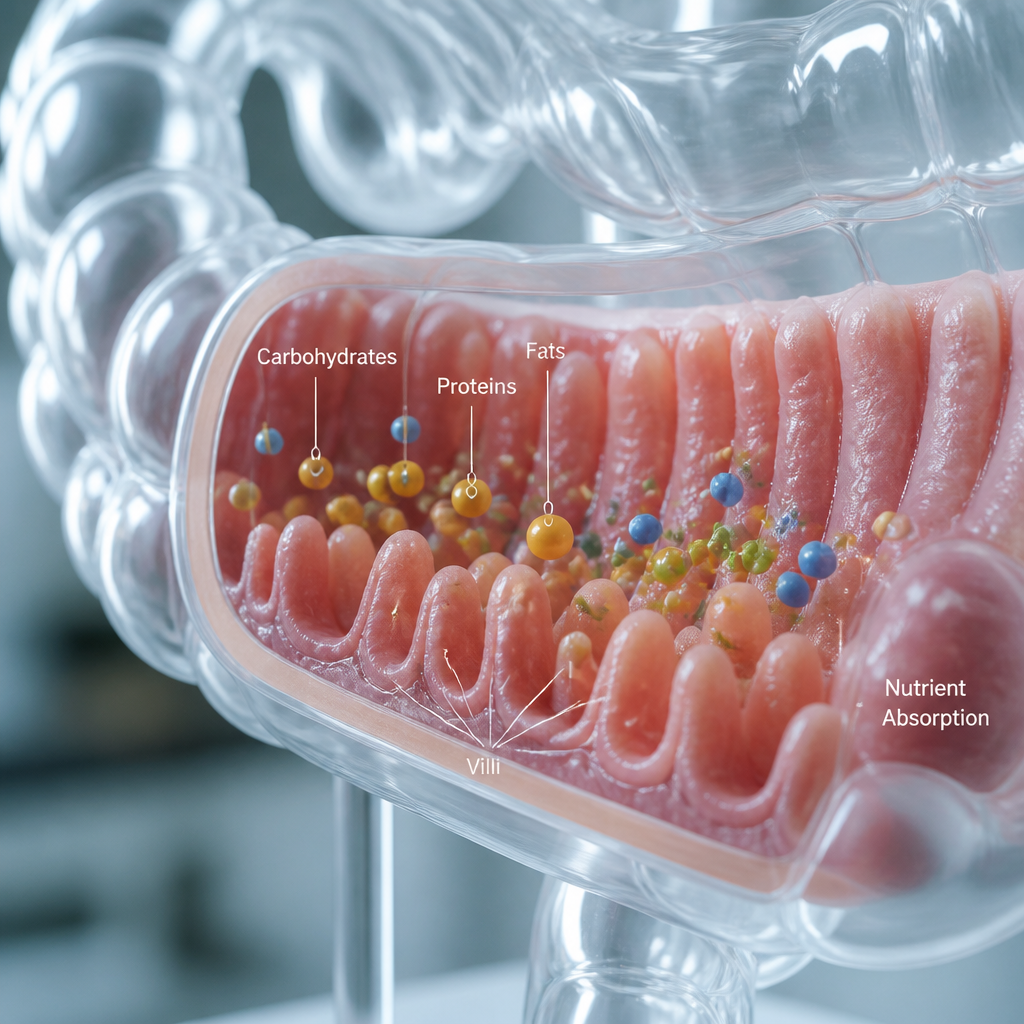
A healthy gut lining has a large surface area covered in finger-like projections called villi. These projections are responsible for absorbing fat-soluble vitamins such as A, D, E, and K, as well as key minerals. Inflammation, chronic stress, or dietary patterns that damage this lining directly reduce that surface area. Less surface area means less absorption, full stop.
In practice, this means your supplement label telling you a capsule contains 1000 IU of vitamin D is only half the story. The other half is whether your gut is in a condition to actually transfer that vitamin D into your body. For active individuals training regularly, this matters enormously - vitamin D deficiency undermines bone health, immune function, and muscle recovery simultaneously.
Before vitamins even reach the intestinal wall, they need to be released from food or supplement capsules by stomach acid. Low stomach acid - a condition more common than most people realise, particularly in older adults and those under prolonged stress - means vitamins like B12 remain bound to proteins and cannot be absorbed. This is one reason why digestive health supplements UK formulated for seniors often feature different delivery mechanisms than products aimed at younger adults.
The practical consequence: if you are regularly bloated after meals, experience acid reflux, or feel unusually fatigued despite eating a nutrient-rich diet, low stomach acid or compromised gut lining is a credible explanation worth investigating with a healthcare professional before simply increasing your supplement doses.
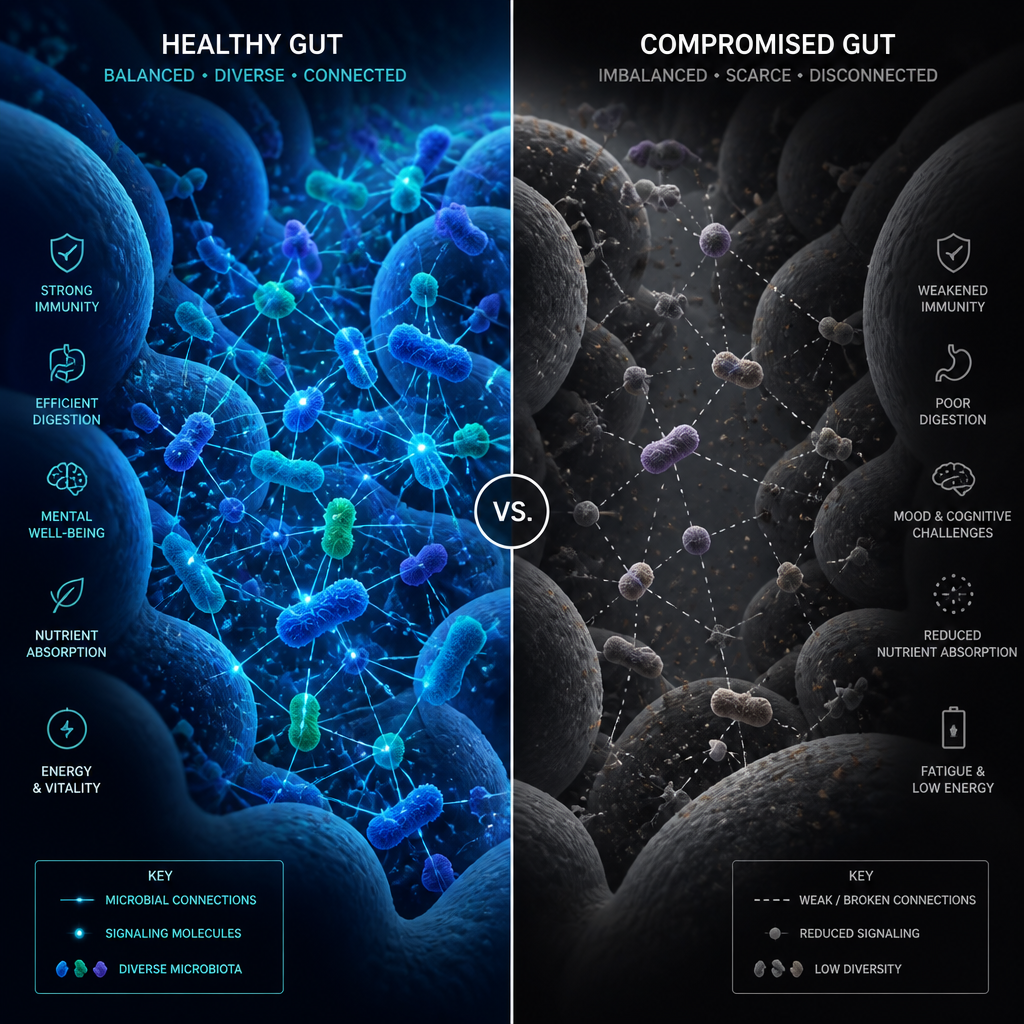
Your gut contains a microbiome: a diverse community of bacteria, fungi, and viruses. This community is not a passive bystander in your digestion. It actively participates in breaking down compounds your own digestive enzymes cannot handle, and it synthesises nutrients your body needs but cannot produce on its own. The relationship between nutrients and gut microbiome is bidirectional - what you eat shapes which microbes thrive, and those microbes in turn determine what you extract from food and supplements.
Gut bacteria produce vitamin K2 and several B vitamins including biotin, folate, and B12 precursors. A microbiome that has been depleted by antibiotics, a low-fibre diet, or chronic stress produces less of these vitamins. This is a compounding problem: the very deficiencies that push people toward supplements are often caused by the gut conditions that prevent those supplements from working properly.
A diverse microbiome is widely considered beneficial for general health. The microbial diversity in your gut directly influences how efficiently your body processes and extracts nutrients from everything you consume.
When beneficial gut bacteria ferment dietary fibre, they produce short-chain fatty acids such as butyrate. Butyrate is the primary fuel source for colonocytes - the cells that line your colon. Without adequate butyrate production, the gut lining gradually deteriorates. A deteriorating gut lining is more permeable, which triggers immune responses and inflammation that further compromise absorption.
This is why dietary fibre is not merely about preventing constipation. It is a direct input into the structural integrity of the absorptive surface your vitamins and minerals depend on. Active individuals who follow high-protein, low-carbohydrate diets for body composition purposes often inadvertently starve the bacteria that produce these protective compounds. Balancing protein intake with sufficient plant-based fibre is not a minor dietary detail - it is fundamental to making your nutrition strategy actually work.
Pro tip: If you are following a high-protein diet for training, include at least two servings of non-starchy vegetables per main meal. This maintains the fibre supply that feeds butyrate-producing bacteria without meaningfully altering your macros.
Not all vitamins are equally affected by gut dysfunction. Fat-soluble vitamins (A, D, E, and K) require both bile acid secretion and a healthy absorptive surface to enter the body. Any condition that disrupts fat digestion - including poor gut motility, bile insufficiency, or intestinal inflammation - directly impairs fat-soluble vitamin absorption. Given that vitamin D deficiency is already widespread across the UK due to limited sunlight exposure, having an impaired gut adds another compounding barrier.
Water-soluble vitamins are absorbed differently, but they are not immune. Vitamin B12 absorption depends on a protein called intrinsic factor, produced in the stomach. Folate absorption is sensitive to gut pH. Vitamin C absorption decreases sharply in the presence of gastrointestinal inflammation. Iron, while technically a mineral, is worth mentioning here because its absorption is strongly influenced by gut acidity and microbiome composition - a fact relevant to many active women who are already at risk of low iron.
Magnesium is a mineral that active individuals commonly need more of because exercise increases its loss through sweat. But magnesium absorption is also gut-dependent. An inflamed or dysbiotic gut absorbs magnesium less efficiently, creating a situation where training increases demand while gut dysfunction reduces supply. This partly explains why magnesium deficiency remains stubbornly common even in people who eat varied diets and take supplements.
The form of magnesium matters here too. Magnesium oxide, the cheapest and most common form used in low-quality supplements, is poorly absorbed even in a healthy gut. Magnesium citrate and magnesium glycinate are absorbed more efficiently - which is why electrolyte formulations designed for active individuals pay close attention to the mineral forms they use, not just the milligram amounts on the label.
The UK market for digestive health supplements has expanded significantly, and the range of options is genuinely confusing. Probiotics, prebiotics, digestive enzymes, and gut-lining support compounds all serve different functions. Using them without understanding how they interact is the most common mistake people make in this space.
Probiotics introduce beneficial bacteria. Prebiotics feed the bacteria already present. Digestive enzymes compensate for insufficient enzymatic output from the pancreas or stomach. Gut-lining compounds such as glutamine and zinc support the structural integrity of the intestinal wall. None of these replaces the others, and stacking them without addressing the dietary factors driving gut dysfunction is a waste of money.
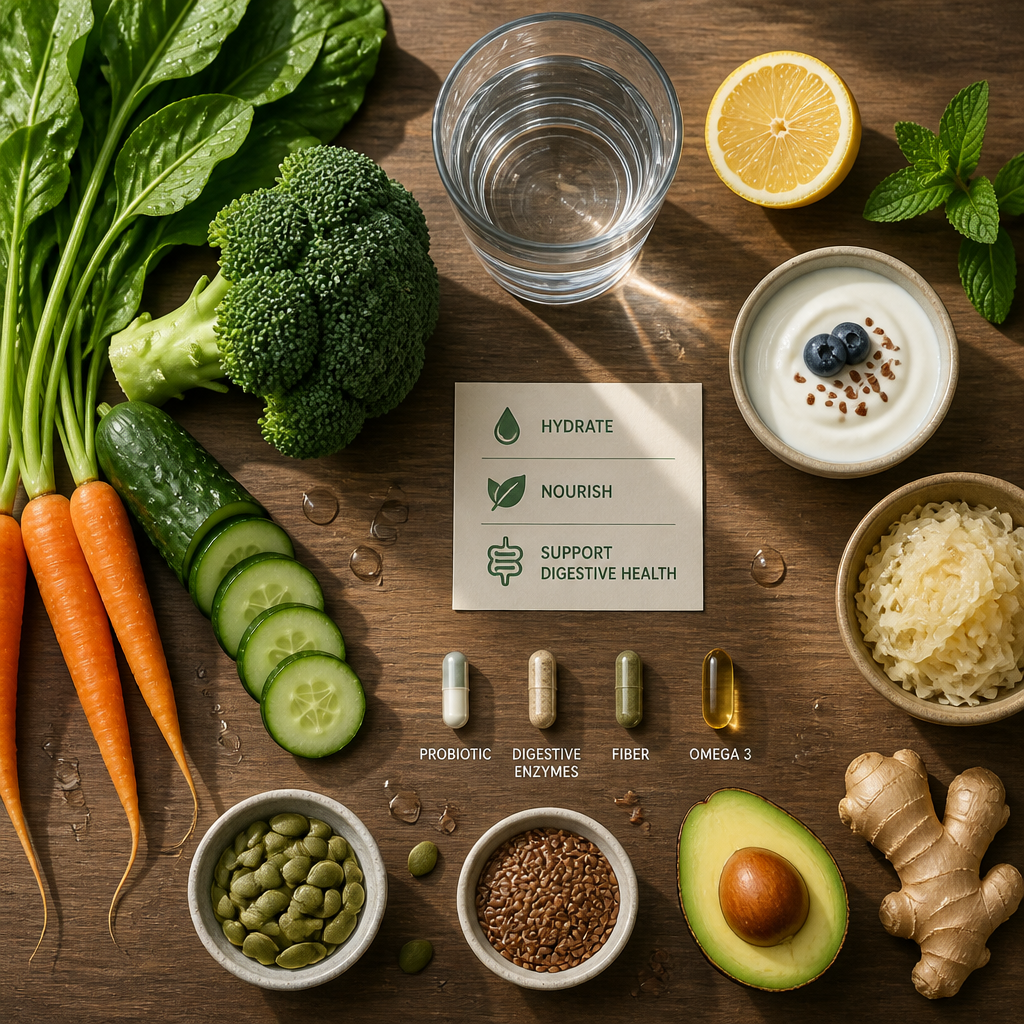
The evidence for probiotics is strongest in specific, well-defined contexts: antibiotic-associated diarrhoea, IBS symptom management, and recovering microbiome diversity after illness. For general "gut health" in otherwise healthy individuals, the evidence is less definitive. What is clear is that dietary diversity - particularly consuming fermented foods including yogurt, kimchi, and sauerkraut - introduces a broader range of bacterial strains than most single-strain probiotic supplements and does so at lower cost.
If you are using probiotics as a supplement, look for products specifying strains at the species and strain level (for example, Lactobacillus acidophilus NCFM rather than just "Lactobacillus blend"). Strain specificity matters because different strains have different demonstrated effects. Probiotic products that list only genus names give you no useful information about what you are actually consuming.
Pro tip: Take probiotic supplements with or just before a meal rather than on an empty stomach. Food buffers stomach acid, significantly improving the chance that live bacteria survive to reach the intestine where they are needed.
Understanding what damages gut health is as important as knowing how to support it. The most common disruptors active individuals encounter are chronic stress, antibiotic use, low dietary fibre, excessive alcohol, and inconsistent sleep. Each of these alters the composition of the microbiome and, in turn, reduces the efficiency of nutrient absorption.
Chronic stress operates through the gut-brain axis, which is the communication network between the central nervous system and the digestive system. Stress hormones alter gut motility (speeding up or slowing down transit time), change the pH environment in the gut, and directly affect which bacterial populations thrive. The practical result is that periods of high training load, competition stress, or work pressure frequently coincide with the worst gut function - exactly when you most need your nutrition to perform.
Non-steroidal anti-inflammatory drugs (NSAIDs) such as ibuprofen are widely used by active individuals for post-training soreness. Routine use of NSAIDs damages the gut lining, reducing absorptive capacity and increasing intestinal permeability. This is a significant practical issue because athletes who rely on NSAIDs to manage training loads may be simultaneously degrading the gut environment their vitamin and mineral absorption depends on. This is not an argument against ever using NSAIDs - it is an argument for using them strategically and not as a daily default.
Hydration is consistently underestimated as a factor in gut health. Water is essential for maintaining the mucosal lining of the intestines - the protective layer that both shields the gut from harmful bacteria and enables smooth nutrient transit. Dehydration thickens intestinal contents, slows motility, and reduces the efficiency of enzymatic activity throughout the digestive tract.
For active individuals sweating through training sessions, dehydration is a recurring rather than occasional risk. The connection to vitamin absorption is direct: a dehydrated gut is a slower, less efficient gut. Electrolytes - particularly sodium, potassium, and magnesium - support the fluid balance that keeps this system functioning. They also act as cofactors in enzymatic reactions involved in digestion. A well-designed electrolyte product does more than rehydrate muscles - it supports the digestive environment that makes every other nutrient in your diet and supplement routine actually available to your body.
At Plusssz UK, the electrolyte formulations are built around this principle. Products like the Plusssz electrolyte range are formulated without added sugar, using mineral forms that are bioavailable and chosen to support both performance and the gut environment that underpins nutrient absorption. This is meaningfully different from sugary sports drinks that prioritise quick energy over functional digestive support. For anyone looking at multivitamin complexes alongside their hydration strategy, ensuring the gut is well-hydrated before taking supplements improves the conditions for absorption.
There is no single correct approach to supporting gut health for better vitamin absorption. The right strategy depends on your baseline gut function, dietary habits, training load, and specific nutrient goals. The table below compares three realistic approaches that active individuals in the UK commonly consider.
Approach |
What It Addresses |
Key Limitation |
|---|---|---|
Dietary fibre and fermented foods first |
Builds long-term microbiome diversity, increases butyrate production, supports gut lining integrity. The most evidence-backed foundation for sustained absorption improvement. |
Takes weeks to months to produce measurable changes. Requires consistent dietary discipline that many individuals struggle to maintain during high training loads or travel. |
Probiotic and prebiotic supplements |
Can accelerate microbiome recovery after antibiotics or illness. Useful when dietary diversity is temporarily limited. Convenient and easy to dose consistently. |
Single-strain products have narrow, specific effects. Quality varies widely across the UK market. Not a replacement for dietary change and ineffective if the gut environment itself is highly inflamed. |
Electrolyte-led hydration with high-bioavailability multivitamins |
Directly supports the mucosal environment and enzymatic activity needed for absorption. Addresses the fluid and mineral cofactor side of digestion. Particularly relevant during training periods when sweat losses are high. |
Does not rebuild microbiome diversity on its own. Most effective as part of a broader strategy rather than a standalone solution. Product quality and mineral form selection are critical - poorly formulated products deliver poor results regardless of the concept. |
Yes, but with adjusted expectations. A compromised gut will absorb a lower proportion of fat-soluble vitamins and certain minerals than a healthy gut would. In this situation, prioritising gut repair - through dietary fibre, hydration, stress management, and where appropriate fermented foods - runs in parallel with supplementation rather than waiting for the gut to be perfect before starting. Some vitamin forms are also better suited to compromised absorption; liquid or sublingual formats bypass some of the absorptive barriers in the intestine.
Meaningful microbiome changes from dietary adjustments can begin within two to four weeks, but establishing a durably diverse microbiome takes longer - typically three to six months of consistent dietary change. Gut lining repair timelines depend heavily on what caused the damage. Reducing a specific irritant (such as frequent NSAID use or a food intolerance) can produce noticeable improvement within weeks. There is no universal timeline, but the direction of change becomes measurable in blood markers within a few months of sustained effort.
Yes, in two direct ways. First, electrolytes maintain the hydration of the mucosal lining that absorptive cells depend on. Second, minerals like magnesium and zinc are enzymatic cofactors - they are required for the chemical reactions that break down food into absorbable components. Inadequate electrolyte status slows these processes. This is why hydration strategy and supplementation strategy are not separate topics for active individuals - they are the same topic viewed from different angles.
Digestive enzymes are genuinely useful in specific situations: diagnosed pancreatic insufficiency, documented low stomach acid, or conditions like IBS where enzymatic output is impaired. For otherwise healthy individuals without a specific diagnosis, the evidence supporting routine enzyme supplementation is thin. A common mistake is reaching for enzyme products before addressing the dietary and lifestyle factors - fibre intake, hydration, stress, sleep - that determine enzymatic output in the first place. Fix the inputs before adding a supplement to compensate for their absence.
Vitamin B12, folate, vitamin K2, and vitamin D are the most consistently affected. B12 and folate absorption are sensitive to gut pH and the health of the intestinal lining. Vitamin K2 is partly synthesised by gut bacteria directly, so a depleted microbiome reduces production independent of dietary intake. Vitamin D absorption depends on fat digestion, which requires a healthy bile acid cycle and intestinal surface - both of which are degraded by gut inflammation. If you are deficient in any of these despite adequate dietary and supplement intake, gut function is the first place to investigate.
In practice, yes. High-sugar drinks can alter gut pH and feed less beneficial bacterial populations when consumed frequently, particularly around training when the gut is already under stress from blood flow being redirected to working muscles. Electrolyte products formulated without added sugar, such as those offered by Plusssz UK, deliver the minerals your gut needs for mucosal and enzymatic function without the sugar load that works against microbiome balance over time. The difference matters more for individuals training multiple sessions per week than for occasional exercisers.
Have you noticed a difference in your energy levels or recovery when you paid closer attention to your gut health alongside your supplement routine? Share your experience in the comments.