You can take a supplement every morning for months and still be deficient. Not because you are taking the wrong nutrient, but because the form it comes in makes it nearly impossible for your body to actually absorb. This is the problem that bioavailability of vitamins solves, and it is the core reason why two magnesium supplements with identical milligram counts on the label can produce completely different results in practice. Improved assimilability is not a marketing phrase. It is a measurable formulation choice, and if you are spending money on supplements without understanding it, there is a real chance you are wasting a significant portion of that investment.
Key Insight |
Explanation |
|---|---|
Bioavailability determines real-world effectiveness |
The dose on a supplement label is not the dose your body receives. Absorption rates vary dramatically between chemical forms of the same nutrient. |
Magnesium oxide is one of the worst-absorbed forms |
Magnesium glycinate and magnesium citrate are significantly more bioavailable than magnesium oxide, which is the cheapest and most common form in low-quality supplements. |
Vitamin D3 outperforms D2 for raising blood levels |
D3 (cholecalciferol) is the natural form produced in the body and raises serum vitamin D levels more efficiently than D2 (ergocalciferol). |
Fat-soluble vitamins require dietary fat for absorption |
Vitamins A, D, E, and K are only absorbed in the presence of fat. Taking them without food dramatically reduces how much your body retains. |
Chelated minerals avoid absorption competition |
Binding minerals to amino acids (chelation) allows them to use different absorption pathways, reducing interference from competing nutrients. |
Nutrient synergies are real and formulation-dependent |
Vitamin D increases calcium uptake. Vitamin C enhances iron absorption. A well-formulated supplement uses these interactions deliberately. |
Added sugar in supplements is not neutral |
Some effervescent and gummy formats rely on sugars that add unnecessary caloric load, particularly problematic for athletes managing body composition and blood glucose around training. |
Bioavailability refers to the proportion of a nutrient that is actually absorbed and available for use by the body after you consume it. A supplement with 200mg of magnesium printed on the label does not mean 200mg of magnesium reaches your cells. Depending on the chemical form, your gut environment, and what you ate beforehand, you might absorb 10% of that or closer to 80%.
The gap between label claims and actual absorption is where most cheap supplements fail. Manufacturers can meet regulatory labelling requirements by listing milligram totals, with no obligation to disclose absorption rates. This creates a market where products that look identical on paper produce entirely different outcomes in the body.
For active individuals, this is not a minor inconvenience. It is the difference between recovering properly after training and chronically underperforming despite consistent supplementation. If your hydration product contains electrolytes that your gut cannot absorb efficiently, you are not hydrated, whatever the packaging says.
"Bioavailability, the measure of how much of a substance is absorbed by the body, is crucial for the effectiveness of dietary supplements, with factors such as form, type, concurrent food and drink intake, and other medications affecting absorption."
Assimilability and bioavailability describe the same underlying concept from slightly different angles. Bioavailability is the scientific measurement. Assimilability is the practical formulation outcome, referring to how readily a compound can be taken up and used at the cellular level. When a supplement brand claims improved assimilability, they are claiming that their formulation choices make the nutrients easier for your body to absorb compared to cheaper, less refined alternatives.
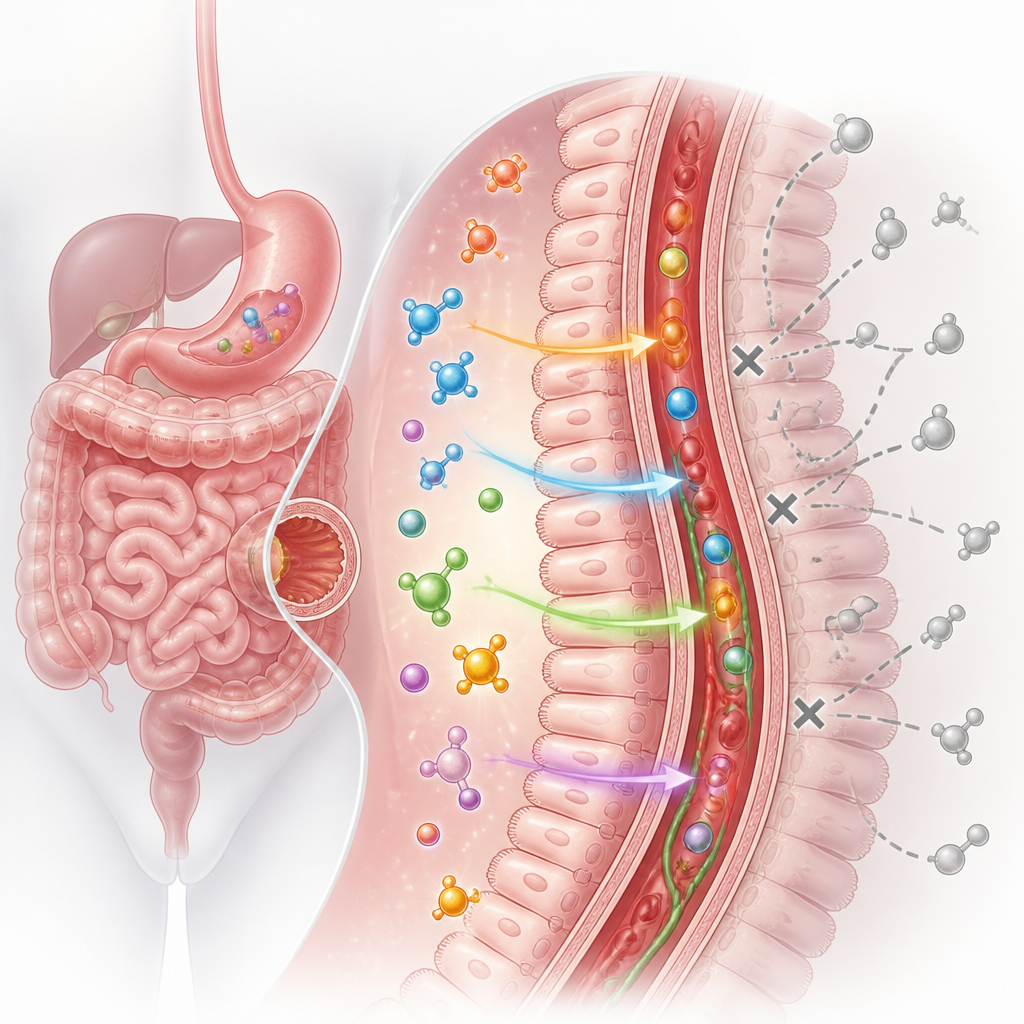
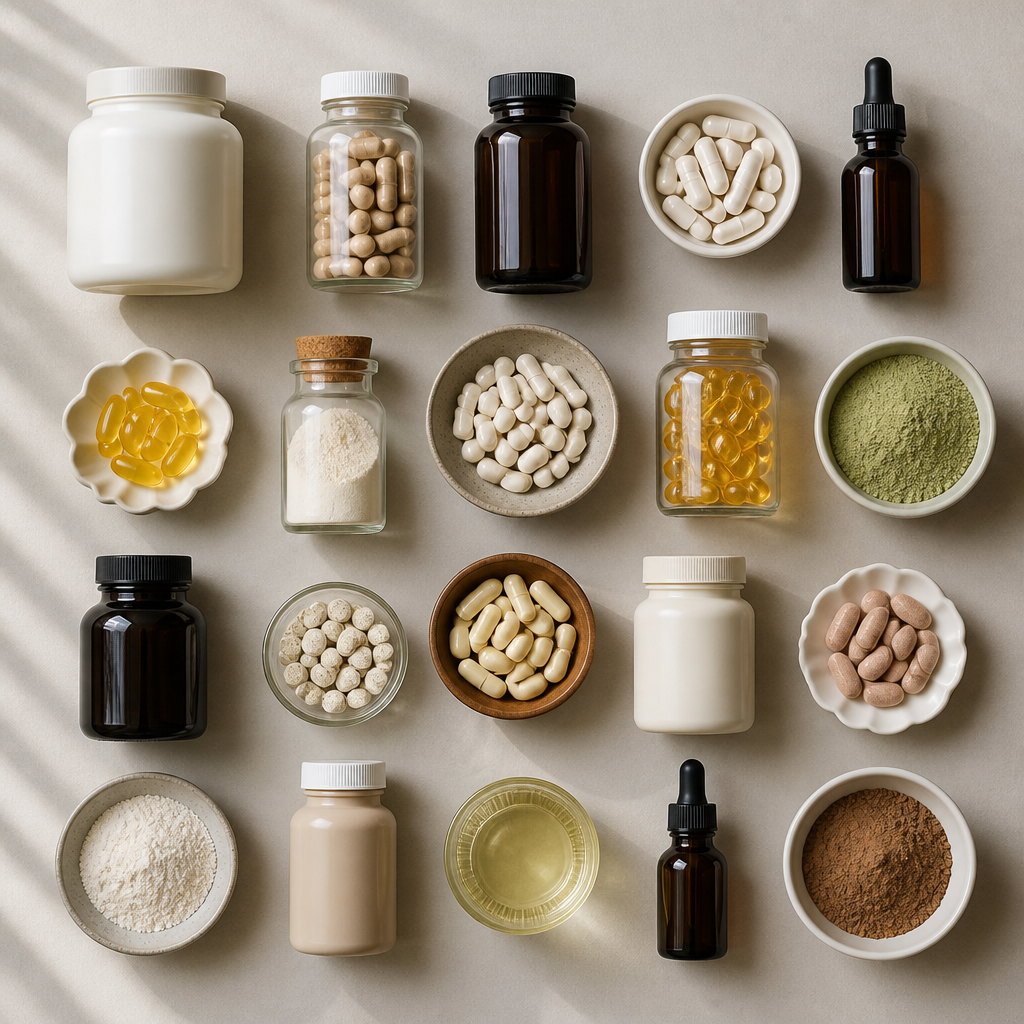
In practice, this claim needs to be verified through the ingredient list, not taken on trust. An improved-assimilability supplement should list specific, recognizable high-bioavailability forms of nutrients, such as magnesium bisglycinate rather than magnesium oxide, or methylcobalamin rather than cyanocobalamin for vitamin B12.
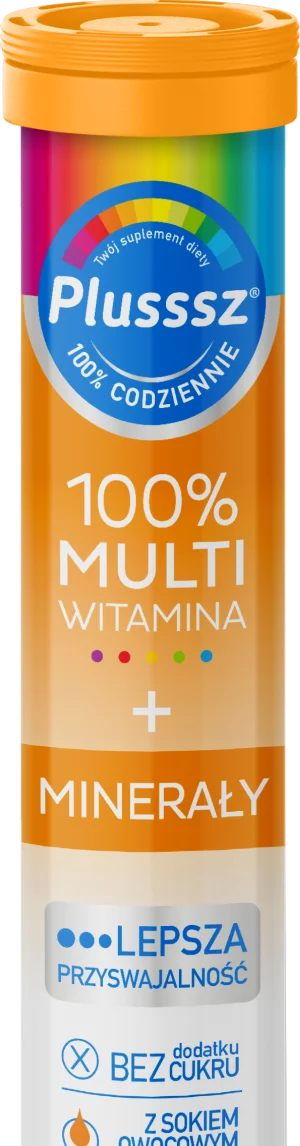
When Plusssz formulates its multivitamin products, improved assimilability is a design principle that shows up directly in the choice of mineral salts and vitamin forms used. This is a meaningful formulation decision that costs more to manufacture and reflects a deliberate prioritization of how much the nutrient actually does once it is inside your body, not just what the label says it contains.
Pro tip: Before buying any multivitamin, flip it over and check the magnesium source. If it says magnesium oxide, the formula has optimized for cost, not absorption. Magnesium bisglycinate or magnesium citrate are the forms worth paying for.
Bioavailability is not fixed. It is a moving target influenced by a range of factors, some you can control and some you cannot. Understanding these factors is the first step in getting consistent results from your supplement routine.
An imbalanced gut microbiome or a lack of digestive enzymes directly limits how much of a given nutrient your intestinal wall can take up. As people age, stomach acid levels decrease, which slows digestion and reduces absorption of several key nutrients, including B12 and iron. Conditions like bacterial overgrowth can further compromise vitamin availability.
This is the most actionable factor and the one that formulation quality directly controls. Some forms of vitamins and minerals are fundamentally better absorbed than others. Magnesium citrate is more bioavailable than magnesium oxide. Methylated forms of B vitamins, like methylcobalamin for B12, are often more effective, particularly for individuals with specific genetic variations affecting B vitamin metabolism.
Vitamins A, D, E, and K are fat-soluble, meaning they can only be absorbed in the presence of dietary fat. Taking these vitamins on an empty stomach, or with a very low-fat meal, significantly reduces how much your body absorbs. Adequate dietary fat is a prerequisite for fat-soluble vitamin uptake.
Some nutrients compete for the same absorption pathways. Calcium, iron, and magnesium use overlapping transport mechanisms, meaning taking large doses of all three simultaneously can reduce absorption of each. Conversely, some pairings actively enhance each other: vitamin D significantly improves calcium uptake, vitamin C increases iron absorption, and vitamin C also helps maintain an acidic intestinal environment that keeps minerals soluble and available.
Certain medications, including antacids, alter stomach pH in ways that reduce the bioavailability of multiple vitamins. Tannins found in tea and coffee can inhibit iron absorption. These interactions are not always obvious but they are consistent and worth factoring into when and how you take supplements.
Knowing that formulation quality matters is one thing. Knowing which specific forms to look for is what actually helps you choose the right product. Here are the clearest examples where switching to a higher-bioavailability form produces a measurable difference.
Magnesium glycinate is more easily absorbed than magnesium oxide. Glycinate is a chelated form, meaning the magnesium is bound to the amino acid glycine, which allows it to be transported via a different pathway and avoids the gastrointestinal side effects that magnesium oxide often causes. Magnesium citrate is another well-absorbed alternative. Magnesium oxide, despite being the most common form in budget supplements, has low absorption rates.
Methylcobalamin is the naturally occurring, active form of B12 that the body can use without any conversion step. Cyanocobalamin is a cheaper synthetic form that must be converted in the body before it becomes biologically useful. For most people this conversion happens, but it adds a step that can reduce effective uptake, particularly in older adults and those with certain metabolic differences.
Vitamin D3 (cholecalciferol) is the form the body produces naturally from sun exposure. It raises serum vitamin D levels more efficiently than D2 (ergocalciferol), which is the form often found in fortified foods and lower-cost supplements. If your supplement contains D2, you are getting a less effective form of a nutrient that most people in the UK are already deficient in during autumn and winter months.
Liposomal technology encapsulates nutrients in fat-based molecules that allow direct absorption into cells, bypassing some of the limitations of standard digestion. Liposomal vitamin C, for example, has been shown to have significantly higher bioavailability compared to traditional vitamin C tablets. The mechanism mimics how cell membranes work, which is why it is effective for nutrients that otherwise face significant degradation in the digestive tract.
Pro tip: If you are supplementing for performance, prioritize getting your electrolyte and mineral forms right before worrying about dose sizes. A smaller dose of magnesium bisglycinate will outperform a large dose of magnesium oxide in terms of what your muscles actually receive.

The format of a supplement is not just about convenience. It directly affects how quickly and how completely the nutrients are absorbed. The table below compares three main delivery formats relevant to active individuals and health-conscious consumers.
Delivery Format |
Bioavailability Profile |
Best Use Case |
|---|---|---|
Standard tablets and capsules |
Variable. Absorption depends heavily on the chemical forms used and stomach acid levels. Slow to dissolve and may pass partially intact in poor gut environments. |
General supplementation when bioavailable forms are used inside the tablet. Not ideal for urgent replenishment needs. |
Effervescent tablets (dissolved in water) |
Higher than standard tablets because nutrients are pre-dissolved in liquid before reaching the gut. Faster gastric transit and typically higher absorption rate for electrolytes and water-soluble vitamins. |
Pre and post-workout hydration, electrolyte replenishment, situations where rapid absorption matters. Suitable for active individuals when made without added sugar. |
Liposomal liquids |
Highest bioavailability for fat-soluble vitamins and vitamin C. Nutrients encapsulated in lipid vesicles that fuse with cell membranes, bypassing much of the digestive breakdown process. |
Targeted supplementation of specific nutrients where maximum absorption is the priority, such as vitamin C, vitamin D, and glutathione. |
Most guidance on how to absorb vitamins better focuses on timing and food pairings, which are genuinely useful but secondary to the more important decision: whether you are using the right form of the nutrient in the first place. Form comes first. Timing comes second.
Vitamins A, D, E, and K need fat to be absorbed. This means taking them alongside a meal that contains a meaningful amount of dietary fat, not a dry cracker. A meal containing eggs, avocado, olive oil, or nuts provides sufficient fat to support fat-soluble vitamin absorption. Taking these vitamins on an empty stomach is a consistent and avoidable cause of poor supplement outcomes.
Vitamin C taken alongside iron significantly increases iron absorption. Vitamin D taken alongside calcium improves calcium uptake. These interactions are not incidental but are worth building into how you time your supplementation. A well-designed multivitamin accounts for these pairings within the formula itself, so you do not have to manage them manually.
Calcium, iron, and magnesium compete for overlapping absorption pathways. High calcium intake can block magnesium absorption. If you are supplementing multiple minerals in high doses, spacing them across the day reduces this interference. This is less of an issue when chelated mineral forms are used, since chelation allows minerals to access different transport mechanisms.
Digestive health is the foundation of nutrient absorption. A compromised gut lining or an imbalanced microbiome reduces how efficiently your intestinal wall extracts nutrients from everything passing through it. This is especially relevant for older individuals, where stomach acid production naturally declines and absorption of nutrients like B12 and calcium becomes progressively less efficient with age.
Electrolytes and vitamin absorption are more connected than most people realize. Potassium, magnesium, and calcium all support nervous system function and maintain healthy electrolyte balance in the body, which is related to hydration and cellular function. When electrolyte levels are disrupted through sweat during exercise, the cellular environment that governs nutrient transport is also disrupted.
For someone training regularly, getting electrolytes back into the system quickly matters for more than just hydration. It matters for whether the vitamins and minerals taken around training actually reach their intended targets. A low-sodium, low-magnesium cellular environment after heavy exercise is not an efficient absorption environment for any other supplement.
This is part of why Plusssz separates its electrolyte hydration products from its multivitamin complexes rather than trying to combine everything into a single formula. The two serve different physiological moments. Electrolytes address the immediate, training-driven depletion. Multivitamins address the sustained, systemic needs. Both use formulations built on improved assimilability so that neither is wasted.
A common mistake among active individuals is reaching for sugar-laden sports drinks to replace electrolytes when cleaner, more targeted options exist. Products formulated without added sugar allow electrolyte replacement without the glucose spike, which matters both for body composition goals and for stable energy management across the training day.
Bioavailability refers to how much of a vitamin or mineral your body can actually absorb and use after you take a supplement. A product may list 300mg of a mineral on the label, but if the form used is poorly absorbed, only a fraction of that dose reaches your cells. The rest is excreted without being used.
It depends entirely on the ingredient list. The claim itself is meaningless without evidence in the formula. When a product uses magnesium bisglycinate instead of magnesium oxide, or vitamin D3 instead of D2, or methylcobalamin instead of cyanocobalamin, these are verifiable formulation choices that improve absorption in documented ways. If the label just says "improved assimilability" without listing recognizable high-bioavailability forms, treat it with appropriate skepticism.
Whole foods provide vitamins and minerals in their natural matrix, which often improves how the body recognizes and absorbs them. However, food alone is frequently insufficient for reaching optimal levels of specific nutrients, particularly vitamin D in the UK, magnesium given typical dietary patterns, and electrolytes lost through intense exercise. Well-formulated supplements fill these gaps effectively when high-bioavailability forms are used.
Magnesium is one of the most commonly deficient minerals in active populations, and it is also the nutrient where form differences are most stark. Magnesium oxide has low absorption rates and frequently causes digestive discomfort at higher doses. Magnesium glycinate and magnesium citrate are chelated or organic acid-bound forms that absorb significantly better, cause fewer gastrointestinal side effects, and deliver more usable magnesium to muscles, nerves, and cells.
For most multivitamins, yes, taking them with a meal that contains some fat is the better approach. This is essential for fat-soluble vitamins (A, D, E, K) and also helps reduce any stomach sensitivity. Water-soluble vitamins like the B-complex and vitamin C can technically be taken on an empty stomach, but taking everything together with a moderate meal is the simplest and most reliable approach for consistent absorption.
Adequate hydration supports the movement of water-soluble vitamins through the digestive system and maintains the cellular environment needed for nutrient transport. Dehydration slows gastric emptying and can reduce the efficiency of the absorption surface in the small intestine. For active individuals who lose fluids and electrolytes through sweat, maintaining hydration is not separate from supplement effectiveness but directly connected to it.
Check for these markers: magnesium as glycinate, bisglycinate, or citrate rather than oxide; B12 as methylcobalamin rather than cyanocobalamin; vitamin D as D3 (cholecalciferol) rather than D2; iron as bisglycinate rather than sulphate. The presence of these forms indicates a manufacturer who has prioritized absorption over cost reduction. The absence of them, combined with high label doses, is a warning sign.
Have you ever switched to a higher-bioavailability form of a supplement and noticed a measurable difference? Share what worked for you.