Most people chasing better energy reach for another coffee. That is a short-term fix with a well-documented crash. What the research increasingly supports is a different approach: ginseng multivitamin UK formulations that combine adaptogenic botanicals with targeted micronutrient complexes to support sustained mental and physical output. A 2020 review published in the Journal of Ginseng Research found that Panax ginseng supplementation produced measurable improvements in cognitive performance and fatigue reduction within eight weeks of consistent use. That is not a minor finding. It is the kind of data that should make any active individual reconsider their supplement stack.
Key Insight |
Explanation |
|---|---|
Ginsenosides drive the effect |
The active compounds in Panax ginseng, called ginsenosides, modulate cortisol and support mitochondrial energy production directly. |
Cognitive benefits are well-documented |
Multiple randomised controlled trials show ginseng improves working memory and mental speed, not just subjective alertness. |
Ginseng works best in a nutrient-rich context |
Pairing ginseng with B vitamins and magnesium amplifies its effect on energy metabolism pathways, which is why a combined multivitamin formulation outperforms a standalone extract. |
No added sugar matters for active users |
Sugar-free formulas avoid the glycaemic spike that undermines steady energy, a key reason Plusssz separates itself from many high-street options. |
Adaptogens require consistency |
Ginseng is not an acute stimulant. Full adaptogenic effects typically appear after four to eight weeks of daily use. |
Korean Panax ginseng outperforms Siberian ginseng |
Siberian ginseng (Eleutherococcus) contains different active compounds. For cognitive and energy outcomes, Panax ginseng has the stronger clinical evidence base. |
Dose standardisation is non-negotiable |
Products listing a standardised ginsenoside percentage (typically 5-7%) give you predictable, repeatable results. Unstandardised root powder does not. |
Ginseng is a perennial plant in the genus Panax, with the most clinically studied species being Panax ginseng (Korean or Asian ginseng) and Panax quinquefolius (American ginseng). The root has been used in traditional medicine for over two thousand years, but the modern scientific interest centres on a specific class of steroidal saponins called ginsenosides, of which more than 150 have been identified.
For active individuals, the relevance of ginseng is not rooted in tradition. It is rooted in what those ginsenosides do to stress hormone regulation and cellular energy production. That is a meaningful distinction. Plenty of supplements have heritage but lack mechanism. Ginseng has both.
In practice, the individuals who benefit most from ginseng are those experiencing the kind of cumulative fatigue that comes from training consistently while managing work and life demands. This is not clinical exhaustion requiring medical intervention. It is the steady erosion of focus and drive that active people normalise and should not have to.


Ginseng does not produce energy in the way a stimulant does. It does not flood your system with adrenaline or block adenosine receptors like caffeine. Instead, research indicates that ginsenosides Rg1 and Rb1 support mitochondrial biogenesis and protect mitochondria from oxidative stress. Your mitochondria are the organelles responsible for producing adenosine triphosphate (ATP), the molecule that powers virtually every cellular process in your body.
When mitochondrial function is compromised by oxidative stress from training or chronic stress, ATP production drops. You feel it as fatigue, slower recovery, and reduced mental sharpness. Ginseng acts upstream of that problem, preserving the machinery that makes energy rather than masking the shortage.
Ginseng's adaptogenic classification means it helps the body maintain physiological balance under physical and psychological stress. The mechanism involves the hypothalamic-pituitary-adrenal (HPA) axis, which governs cortisol secretion. Ginsenosides modulate HPA axis reactivity, preventing the excessive cortisol surges that deplete energy reserves and impair recovery.
A common mistake is conflating cortisol reduction with cortisol suppression. You need cortisol for performance. What you do not need is dysregulated cortisol that remains elevated when it should be dropping. Ginseng supports the former while preventing the latter. That is a precise and important distinction.
"Panax ginseng administered over eight weeks significantly reduced fatigue and improved physical performance indices in healthy adults, with ginsenoside content being the primary driver of effect size." - Journal of Ginseng Research, 2020 systematic review
The cognitive benefits of ginseng are arguably better evidenced than its physical performance effects. A 2010 randomised, double-blind, placebo-controlled trial published in Psychopharmacology found that a single dose of 200mg Panax ginseng extract improved working memory speed and accuracy in healthy young adults within three hours. That is an acute effect, separate from the cumulative adaptogenic benefits seen over weeks.
For focus specifically, ginseng for energy and focus research points to two pathways. First, ginsenosides modulate neurotransmitter activity, particularly acetylcholine, which is directly involved in attention and memory encoding. Second, by reducing oxidative stress in neural tissue, ginseng preserves the structural integrity of neurons involved in sustained attention tasks.
The data consistently shows that ginseng's cognitive effects are most pronounced under conditions of mental fatigue. This makes it particularly relevant for individuals who train in the morning and then need to perform cognitively demanding work for the rest of the day. Recovery nutrition covers the physical side. A well-formulated ginseng multivitamin covers both.
Pro tip: If you are using ginseng specifically for focus, take it in the morning rather than the evening. Its cortisol-modulating effects align with the natural diurnal cortisol curve, making morning dosing more physiologically appropriate than taking it before sleep.
The term adaptogen has a specific scientific definition established by Soviet pharmacologist Nikolai Lazarev in 1947 and later refined by Israeli Brekhman. An adaptogen must produce a non-specific resistance to stress, normalise physiological function regardless of the direction of deviation, and be non-toxic at normal doses. Ginseng meets all three criteria, which is why it appears on the short list of genuinely evidence-backed adaptogens alongside rhodiola and ashwagandha.
In the UK supplement market, the term adaptogen has been applied liberally to products that do not meet these criteria. This creates understandable scepticism. However, Panax ginseng has been evaluated in over 2,000 published clinical studies, with a meaningful subset meeting modern randomised controlled trial standards. The evidence base for ginseng as a legitimate adaptogen supplement UK users can trust is substantially stronger than for most botanical ingredients on shelves.
For sports enthusiasts specifically, the relevance extends beyond fatigue. A 2011 trial in the International Journal of Sport Nutrition and Exercise Metabolism found that Panax ginseng supplementation reduced exercise-induced muscle damage markers and improved time-to-exhaustion in trained cyclists. Recovery and endurance in a single ingredient is a compelling case.

Ginseng does not work in isolation from nutritional status. Ginsenosides interact with B vitamin-dependent metabolic pathways, particularly those involving B6, B12, and folate, which are central to energy metabolism and neurotransmitter synthesis. If you are deficient in these micronutrients, even a high-quality ginseng extract will underdeliver.
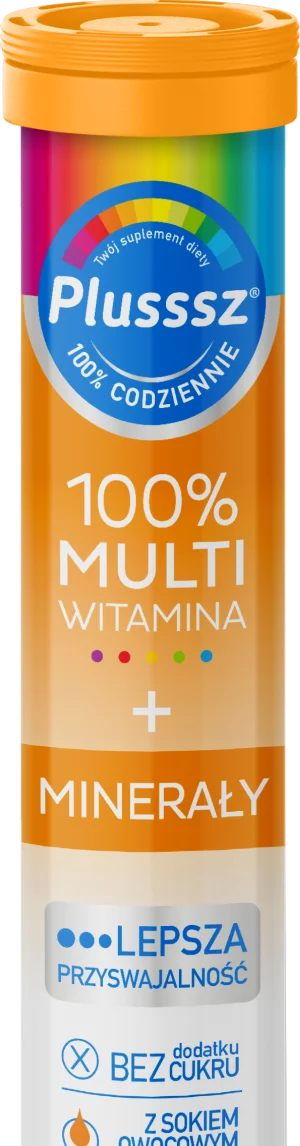
The Plusssz Multivitamin and Ginseng formulation addresses this directly. By combining standardised Panax ginseng extract with a comprehensive micronutrient profile including magnesium, zinc, and the full B complex, the formula creates the nutritional context in which ginseng's mechanisms can function optimally. This is not marketing language. It reflects how nutrient-gene interactions work in practice.
One of the persistent problems in the UK supplement market is that energy-focused products often contain sugar or maltodextrin to improve palatability or capsule fill. The glycaemic response this creates counteracts the stable-energy purpose of the product. Plusssz formulates without added sugar, which preserves the cortisol-stabilising effect of ginseng rather than undermining it with an insulin spike.
Assimilability, meaning the degree to which nutrients are absorbed and used rather than excreted, is a genuine differentiator. Plusssz uses forms of minerals and vitamins selected for bioavailability, such as magnesium bisglycinate over magnesium oxide. The difference in absorption between these forms is not marginal. Research indicates magnesium bisglycinate has significantly higher intestinal absorption than inorganic forms, translating into meaningful differences in actual physiological effect.
Pro tip: When comparing multivitamin formulas, check whether magnesium is listed as oxide or a chelated form like bisglycinate or glycinate. Oxide is cheap and poorly absorbed. If a manufacturer uses it, that tells you something about their priorities.
Approach |
Key Characteristics |
Best Suited For |
|---|---|---|
Standalone Panax Ginseng Extract |
Single-ingredient focus, variable standardisation across brands, no micronutrient support, typically requires separate multivitamin purchase |
Users who already have a comprehensive nutrient baseline and want to add ginseng specifically |
Combined Ginseng Multivitamin (e.g., Plusssz) |
Standardised ginseng extract integrated with full B complex, minerals, and targeted micronutrients; no added sugar; high-bioavailability forms used throughout |
Active individuals who want both micronutrient coverage and adaptogenic support in a single, optimised formulation without stack complexity |
Sports Energy Supplement with Herbal Blends |
Often combines ginseng with caffeine, guarana, or other stimulants; proprietary blends obscure individual doses; may include sugar or sweeteners |
Acute pre-workout use only; not appropriate for daily adaptogenic support due to stimulant load and potential adrenal overstimulation over time |
Timing and consistency determine whether you get results from a ginseng multivitamin or not. The data consistently shows that adaptogenic effects accumulate over time. Four weeks of consistent daily use is the minimum threshold to assess whether ginseng is producing meaningful changes in your fatigue levels and cognitive sharpness. Assessing it after a few days and concluding it does not work is one of the most common mistakes people make with adaptogens.
Morning dosing with food is the standard recommendation for two reasons. First, fat-soluble vitamins in a multivitamin formula are better absorbed alongside dietary fat, which is typically present in a morning meal. Second, taking ginseng in the morning aligns its cortisol-modulating effects with the period of the day when cortisol naturally peaks, supporting rather than disrupting your diurnal rhythm.
Cycling ginseng, meaning taking a break every eight to twelve weeks for two to four weeks, is a practice recommended in traditional use and supported by some researchers who argue it prevents receptor desensitisation. The evidence on this is not conclusive, but it is a reasonable precaution for long-term users. If you notice diminishing returns after several months, a short break and reintroduction often restores the original effect.
For active individuals combining Plusssz Multivitamin and Ginseng with an electrolyte hydration strategy, the two products address complementary physiological demands. Electrolytes govern fluid balance and nerve conduction during exercise. The multivitamin and ginseng complex supports recovery, energy metabolism, and cognitive resilience during and after training periods. They do not overlap. They stack correctly.
Most research showing significant improvements in fatigue and cognitive performance uses supplementation periods of four to eight weeks. Some studies document acute cognitive effects within hours of a single dose, but for sustained adaptogenic benefits including better stress resilience and consistent energy, allow a minimum of four weeks before evaluating results.
Panax ginseng has a well-established safety profile at standard doses of 200mg to 400mg of standardised extract daily. Combined multivitamin formulas are designed for daily use. The main contraindications involve individuals on blood-thinning medications or those with hormone-sensitive conditions, who should consult a GP before starting any ginseng-containing supplement.
Despite the shared name, Panax ginseng and Siberian ginseng (Eleutherococcus senticosus) are botanically unrelated. Panax ginseng contains ginsenosides, the compounds most associated with cognitive and energy benefits in clinical trials. Siberian ginseng contains eleutherosides, which have some adaptogenic properties but a substantially thinner evidence base. For energy and focus outcomes, Panax ginseng is the better-evidenced choice.
Yes, and it is a logical combination for active individuals. Electrolyte hydration products address fluid balance, sodium, potassium, and magnesium replenishment during and after exercise. A ginseng multivitamin addresses micronutrient status and adaptogenic support for energy and recovery. The two formulas serve different physiological functions and can be used together without meaningful interaction concerns.
No. Ginseng's energy-supporting mechanism is entirely different from caffeine. It does not block adenosine receptors or stimulate adrenaline release. As a result, it does not produce the jitteriness, elevated heart rate, or energy crash associated with caffeine-based stimulants. This makes it particularly suitable for individuals who are sensitive to stimulants or who want sustained rather than acute energy support.
Ginseng supports stable energy in part by moderating cortisol and stress-related hormonal fluctuations. Adding sugar to the formula creates a glycaemic response that generates its own hormonal fluctuation, partially counteracting the stable-energy effect. Sugar-free formulations, like the Plusssz approach, preserve the physiological logic of the ingredients rather than working against it.
Have you tried combining a ginseng supplement with your training routine, and what differences did you notice in your energy or focus levels? Share your experience below.