Most people over 60 are quietly deficient in at least one critical nutrient, and they have no idea. Research from the NHS estimates that around 1 in 5 older adults in the UK has low vitamin D levels, and that is just the one we measure most often. The real picture across B12, magnesium, calcium, and potassium is significantly worse. If you are an active older adult or you are supporting someone who is, understanding which vitamins for seniors UK guidelines actually prioritise, and why standard multivitamins often fall short, is the starting point for staying strong, mobile, and sharp well into your 70s and beyond.
Key Insight |
Explanation |
|---|---|
Vitamin D3 absorption drops sharply after 60 |
Older skin produces up to 75% less vitamin D from sunlight than younger skin. UK winters make this worse. Supplementation is not optional for active seniors. |
B12 deficiency is common and often missed |
Reduced stomach acid production in older adults limits B12 absorption from food alone. Fatigue, memory problems, and poor coordination are early signs. |
Magnesium supports muscle function and sleep quality |
Active seniors lose magnesium through sweat during exercise. Low levels cause cramps, poor recovery, and disrupted sleep, all of which directly limit physical performance. |
Potassium and sodium balance matters more with age |
The kidneys become less efficient at regulating electrolytes with age. Physical activity accelerates losses. Imbalances raise cardiovascular risk and impair muscle contraction. |
Calcium alone does not protect bones |
Calcium requires adequate vitamin D3 and vitamin K2 to be deposited into bone rather than arterial walls. Taking calcium in isolation without co-factors is ineffective and potentially harmful. |
Sugar-free electrolyte formulas matter for seniors |
Many commercial sports drinks contain high sugar loads that spike blood glucose. Seniors with metabolic concerns need electrolyte products with no added sugar and clean ingredient profiles. |
Assimilability of nutrients is more important than raw dosage |
A supplement listing 200mg of magnesium oxide delivers far less bioavailable magnesium than a formula using magnesium citrate or malate. Form matters as much as dose for senior nutrition. |
Ageing is not simply a matter of getting older. It involves measurable, predictable physiological changes that directly affect how your body absorbs, uses, and excretes nutrients. Stomach acid production declines, intestinal transit slows, kidney filtration efficiency drops, and skin becomes less responsive to sunlight. Each of these changes has a direct nutritional consequence, and ignoring them is why so many over-60s feel chronically fatigued despite eating reasonably well.
The data consistently shows that older adults need more of certain nutrients even while their overall caloric needs often decrease. This creates a difficult paradox: you need to eat less to avoid weight gain, but you need more micronutrients per calorie than a 30-year-old does. This is precisely where targeted supplementation stops being optional and becomes a practical necessity for senior nutrition and an active lifestyle.
In practice, the gap widens significantly for those who exercise regularly. A 65-year-old who walks 8,000 steps daily, swims twice a week, or attends a fitness class will have higher electrolyte, mineral, and antioxidant demands than a sedentary peer. Standard dietary advice for older adults rarely accounts for activity-driven losses, which is a significant gap in mainstream nutritional guidance.


The UK government's Scientific Advisory Committee on Nutrition (SACN) recommends that all adults over 65 supplement with at least 10 micrograms (400 IU) of vitamin D daily. In practice, many sports medicine practitioners and nutritionists working with active older adults advocate for 1,000 to 2,000 IU daily, particularly through October to April when UK sunlight is insufficient for cutaneous synthesis.
Vitamin D3 is not just a bone health nutrient. It regulates immune function, supports cardiovascular health, influences mood regulation, and plays a documented role in muscle fibre composition and strength. A 2019 meta-analysis published in Nutrients found that vitamin D supplementation in older adults improved muscle strength and reduced fall risk, both critical concerns for anyone maintaining an active lifestyle after 60.
Pro tip: Always pair vitamin D3 with vitamin K2 (menaquinone-7 form). K2 directs calcium to bone tissue and prevents arterial calcification. Taking D3 without K2 in seniors with higher calcium intakes is a common and easily corrected mistake.
Vitamin B12 from food requires intrinsic factor, a protein secreted by stomach cells, to be absorbed. As stomach acid production declines with age, intrinsic factor secretion also decreases. The result is that many older adults eating B12-rich foods such as meat, fish, and eggs are still functionally deficient because they cannot absorb what they consume.
Symptoms of B12 deficiency include fatigue, brain fog, tingling in the hands and feet, poor balance, and mood disturbances. These are all commonly dismissed as normal ageing, which delays recognition and treatment. The NHS recommends supplementation for older adults showing signs of deficiency, but proactive supplementation in active seniors is a smarter approach than waiting for symptoms to develop.
Exercise generates oxidative stress. For younger adults, the body's antioxidant defence systems handle this efficiently. For older adults, those systems are less robust. Vitamin C supports collagen synthesis for joint and connective tissue health, aids iron absorption, and reduces exercise-induced oxidative damage. Active seniors require more vitamin C than sedentary age-matched peers, yet dietary surveys consistently show intake falls below recommended levels in UK adults over 65.
Magnesium is involved in over 300 enzymatic reactions in the body, including protein synthesis, muscle and nerve function, blood glucose control, and blood pressure regulation. Active older adults lose magnesium through sweat during physical activity, and dietary intakes across the UK population are broadly insufficient. The British Nutrition Foundation estimates that a significant proportion of UK adults do not meet the reference nutrient intake for magnesium.
A common mistake is equating magnesium supplements without distinguishing between forms. Magnesium oxide, found in many cheap multivitamins, has bioavailability as low as 4%. Magnesium citrate and magnesium malate deliver substantially higher absorption and are far more appropriate for active seniors who need measurable physiological impact rather than a label claim.
Bone density declines at a rate of approximately 0.5 to 1% per year after age 40, accelerating significantly after menopause in women. Adequate calcium intake is non-negotiable for slowing this process. However, calcium supplementation in the absence of adequate vitamin D3 and K2 is not particularly effective for bone health and may increase cardiovascular risk by promoting arterial calcification.
The reference nutrient intake for calcium in UK adults is 700mg per day, but many active older adults consuming dairy, leafy greens, and fortified foods may be closer to adequate than they think. The priority is not always adding more calcium but ensuring the co-factors for proper calcium utilisation are present.
Zinc deficiency in older adults is strongly associated with impaired immune function, slower wound healing, reduced muscle protein synthesis, and diminished taste and appetite, which itself leads to broader nutritional insufficiency. Active seniors engaged in regular training have higher zinc turnover than sedentary adults, making adequate intake particularly important in this population.

Older adults have a diminished thirst response compared to younger adults. The hypothalamic mechanisms that signal thirst become less sensitive with age, which means an active 68-year-old who has just finished a 45-minute fitness class may be meaningfully dehydrated without feeling particularly thirsty. This is not a minor inconvenience. Dehydration in seniors impairs cognitive function, increases fall risk, reduces cardiovascular efficiency, and worsens joint pain.
Electrolyte balance goes beyond simple hydration. Sodium, potassium, magnesium, and chloride work together to maintain fluid distribution across cell membranes, support nerve signal transmission, and enable muscular contraction and relaxation. When active seniors sweat, they lose all of these simultaneously, and replacing fluid with plain water alone can actually worsen electrolyte imbalance by diluting remaining serum concentrations.
"The kidneys of an 80-year-old filter blood at roughly half the rate of a 30-year-old. This means electrolyte regulation becomes more dependent on dietary and supplementary intake rather than renal compensation." -- British Geriatrics Society, position statement on hydration in older adults
This is precisely why Plusssz Electrolytes SENIOR is formulated differently from generic sports hydration products. Rather than defaulting to a high-sugar formula designed for 25-year-old athletes, it addresses the specific electrolyte demands of older active adults with a no-added-sugar profile and a mineral blend calibrated for the physiological realities of ageing. The difference between a product designed for seniors and one simply marketed at seniors is the formulation, not the packaging.
Pro tip: Active seniors should aim to drink 200 to 300ml of fluid every 20 to 30 minutes during physical activity, regardless of thirst. An electrolyte formula with sodium, potassium, and magnesium added to that fluid is significantly more effective at maintaining performance and cognitive clarity than water alone during sessions lasting more than 30 minutes.
Not all supplement strategies for older adults are equally effective. Below is a direct comparison of the three most common approaches active seniors take, with honest assessments of where each falls short or succeeds.
Approach |
What It Covers Well |
Where It Falls Short for Active Seniors |
|---|---|---|
Generic High-Street Multivitamin (e.g., standard supermarket brand) |
Covers broad micronutrient bases at low cost. Convenient one-tablet format. |
Uses low-bioavailability mineral forms (oxide, carbonate). No electrolyte support. Rarely addresses magnesium or potassium at meaningful doses. Not formulated for exercise-related losses. |
Sports Electrolyte Drink (e.g., generic isotonic formula aimed at athletes) |
Addresses sodium and potassium losses during exercise. Supports hydration during training. |
Often contains significant added sugar. Designed for younger athletic profiles. Rarely includes magnesium, zinc, or vitamins relevant to senior health. Not calibrated for diminished thirst response. |
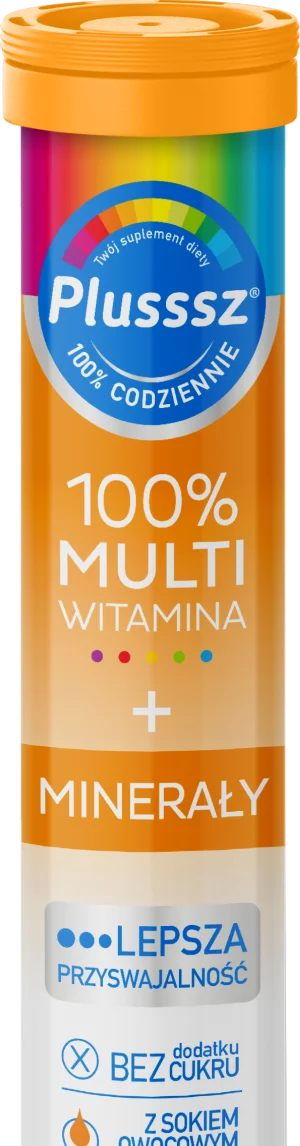
Targeted Senior-Specific Formulation (e.g., Plusssz Electrolytes SENIOR and Plusssz multivitamin complex |
Formulated around age-related absorption changes. No added sugar. Includes electrolyte blend alongside vitamins D3, B12, and magnesium in bioavailable forms. Designed specifically for active older adults. |
Higher cost per serving than generic alternatives. Requires consistent use to see full benefit rather than ad-hoc supplementation. |
The data consistently shows that bioavailability and formulation specificity produce better outcomes than raw nutrient quantity alone. A senior-targeted formula that delivers nutrients in absorbable forms at doses calibrated for activity levels will outperform a high-dose generic product with poor bioavailability, regardless of what the label claims.
Active older adults face a specific challenge that younger fitness enthusiasts rarely encounter: the window between adequate nutrition and nutritional inadequacy is narrower. A 30-year-old athlete can compensate for a bad dietary week without noticing. A 70-year-old who under-fuels for two weeks will feel it in energy, joint comfort, balance, and recovery time.
The most effective approach to senior nutrition for an active lifestyle combines dietary foundations with targeted supplementation. Dietary protein deserves specific mention: older adults require approximately 1.2 to 1.6 grams of protein per kilogram of body weight to maintain muscle mass during regular exercise, considerably more than the 0.8g/kg recommendation for sedentary younger adults. Without adequate protein, even well-supplemented seniors will struggle to maintain the muscle tissue that supports mobility and balance.
For active seniors, nutrient timing is a practical tool, not a bodybuilding concept. Consuming protein and electrolytes within 30 to 45 minutes post-exercise significantly improves muscle protein synthesis and recovery in older adults. This is partly because the anabolic response to protein in older muscle tissue is blunted compared to younger adults, meaning both the dose and the timing need to be more deliberate.
Adding an electrolyte supplement like Plusssz Electrolytes SENIOR before or during longer activity sessions addresses intra-exercise losses proactively, rather than trying to correct dehydration and electrolyte depletion after the session has ended. Prevention is always more effective than correction in senior hydration management.
In practice, a well-structured daily protocol for an active senior in the UK might include vitamin D3 with K2 taken with the largest meal of the day (fat-soluble vitamins absorb better with dietary fat), a B-complex or senior multivitamin complex at breakfast, magnesium citrate in the evening to support sleep and overnight muscle recovery, and an electrolyte formula used around physical activity sessions. This layered approach avoids the common mistake of expecting a single product to cover all nutritional bases adequately.
The Plusssz range addresses several of these layers in formulations designed specifically for older active adults, distinguishing it from generalist sports nutrition brands such as Science in Sport or High5 that centre their product lines on younger athletic demographics without adapting doses or electrolyte ratios for senior physiology.
The most important vitamins for seniors in the UK are vitamin D3, vitamin B12, vitamin K2, and vitamin C. Vitamin D3 is critical because UK sunlight is insufficient for adequate synthesis for most of the year, and absorption capacity declines significantly with age. B12 is essential due to reduced stomach acid limiting its absorption from food. These are the vitamins where deficiency is most common, most measurable, and most directly linked to mobility, cognitive function, and energy levels in older adults.
Yes, significantly. Regular physical activity increases losses of magnesium, sodium, potassium, and zinc through sweat, raises oxidative stress that increases antioxidant demand, and elevates protein and caloric needs. An active 65-year-old has meaningfully higher micronutrient requirements than a sedentary peer of the same age. Standard dietary recommendations for older adults do not consistently account for this, which is why active seniors benefit from targeted supplementation on top of a balanced diet.
For older adults engaging in moderate to vigorous physical activity, electrolyte supplementation is highly beneficial and often necessary. The ageing thirst response is blunted, meaning seniors may not feel the early signs of dehydration that would prompt a younger person to drink more. Combined with reduced renal efficiency in regulating electrolyte balance, active seniors who exercise for 30 minutes or more benefit substantially from sodium, potassium, and magnesium replacement during and after activity.
Check the mineral forms listed on the label. Magnesium oxide, calcium carbonate, and zinc oxide are low-bioavailability forms commonly used in cheap products. Prefer magnesium citrate or malate, calcium citrate, and zinc picolinate or bisglycinate. For B12, look for methylcobalamin rather than cyanocobalamin. For vitamin D, confirm it is D3 (cholecalciferol) not D2. If a product does not specify the mineral form, that is itself a warning sign about formulation quality.
For most active seniors in the UK, diet alone is insufficient for two key nutrients: vitamin D and vitamin B12. The evidence on these is clear and consistent. Beyond these two, whether supplementation is needed depends on dietary variety, activity level, and individual absorption capacity. A common mistake is assuming that eating a generally healthy diet fully covers nutritional needs after 60. The physiological reality of reduced absorption and increased exercise-driven losses makes targeted supplementation a sensible and evidence-supported strategy, not a sign of dietary failure.
Formulations without added sugar and with balanced electrolyte profiles are suitable for daily use around physical activity for active seniors. The key is that daily electrolyte use should complement adequate fluid intake rather than replace it. On high-activity days or during warm weather, more frequent use is appropriate. The no-added-sugar formulation in Plusssz Electrolytes SENIOR makes it a practical choice for older adults who need to manage blood glucose while still meeting electrolyte demands from regular exercise.
If you are an active older adult or caring for one, share what nutritional challenges you have encountered and what has worked for you. Your experience helps others in the same situation make better decisions.