Most people training in the UK are operating on outdated hydration advice. They drink eight glasses of water a day, ignore their sodium intake, and wonder why they cramp up at mile four or feel foggy after a gym session. The problem is not effort. It is misinformation. This article tackles the most persistent hydration myths exercise UK athletes and active individuals believe, explains the real science behind electrolyte loss sweating, and gives you a clear picture of what sports hydration facts actually look like in practice.
Key Insight |
Explanation |
|---|---|
Sweat is not pure water |
It contains sodium, potassium, magnesium, and chloride. Replacing only water without electrolytes dilutes your blood sodium and impairs performance. |
The eight glasses rule has no scientific basis |
No peer-reviewed study supports a universal eight-glass daily requirement. Hydration needs depend on body weight, sweat rate, and activity level. |
Thirst lags behind dehydration |
By the time you feel thirsty during moderate-to-high intensity exercise, you may already be 1-2% dehydrated, enough to reduce power output measurably. |
Cramping is not just about dehydration |
Research links exercise-associated cramping more directly to sodium and electrolyte depletion than to fluid loss alone. |
Overhydration is clinically documented |
Hyponatraemia (low blood sodium from excess plain water) has caused deaths in endurance events. Drinking to thirst, with electrolytes, is the safer protocol. |
Sweat rate varies enormously between individuals |
Elite athletes can lose 1.5-2.5 litres per hour. Casual gym-goers may lose 0.5 litres. A one-size approach to hydration fails both groups. |
No-added-sugar electrolyte formulas matter |
High-sugar sports drinks spike insulin and can cause energy crashes mid-session. Electrolyte products without added sugar maintain steadier performance. |
This is perhaps the most entrenched hydration myth in circulation. The eight-glasses-a-day guideline was never derived from a controlled clinical study. It traces back loosely to a 1945 US Food and Nutrition Board recommendation that suggested around 2.5 litres of daily water intake, but that same document noted that most of this amount would be contained in prepared foods. The precision of the eight-glass rule was invented, not discovered.
In practice, a 65 kg woman doing yoga twice a week has completely different hydration needs from a 90 kg man running 40 miles a week in the British summer. Blanket rules fail both of them. The more accurate approach is to use urine colour as a practical proxy: pale straw yellow indicates adequate hydration, dark amber signals you need more fluid.
For active individuals, daily water needs also shift with temperature, humidity, and training load. During a UK heatwave or an intense HIIT session, requirements can spike significantly above the standard recommendation. Rigidly following eight glasses regardless of these variables is not a strategy, it is a habit with no physiological grounding.
Pro tip: Weigh yourself before and after a one-hour training session. Every kilogram of body weight lost equals approximately one litre of fluid that needs replacing. This gives you a personalised sweat rate far more useful than any fixed daily number.
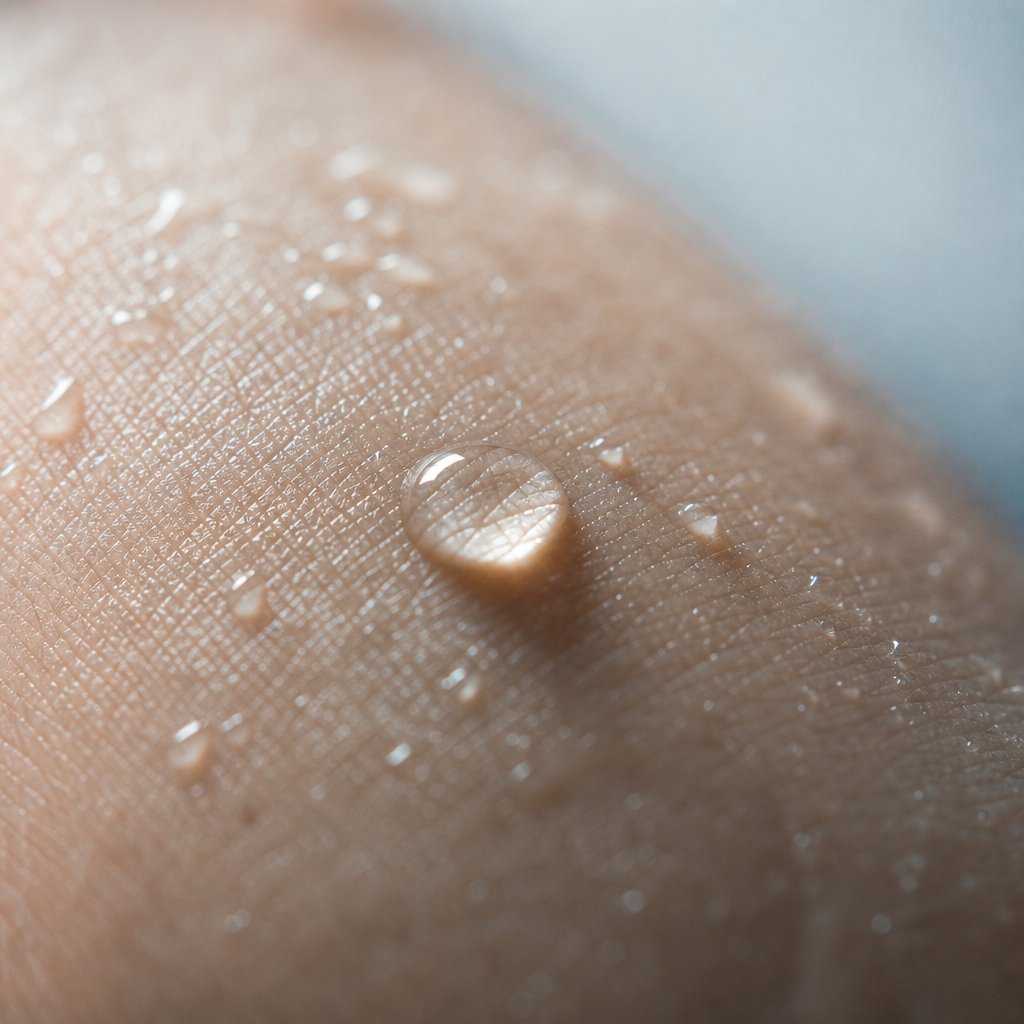
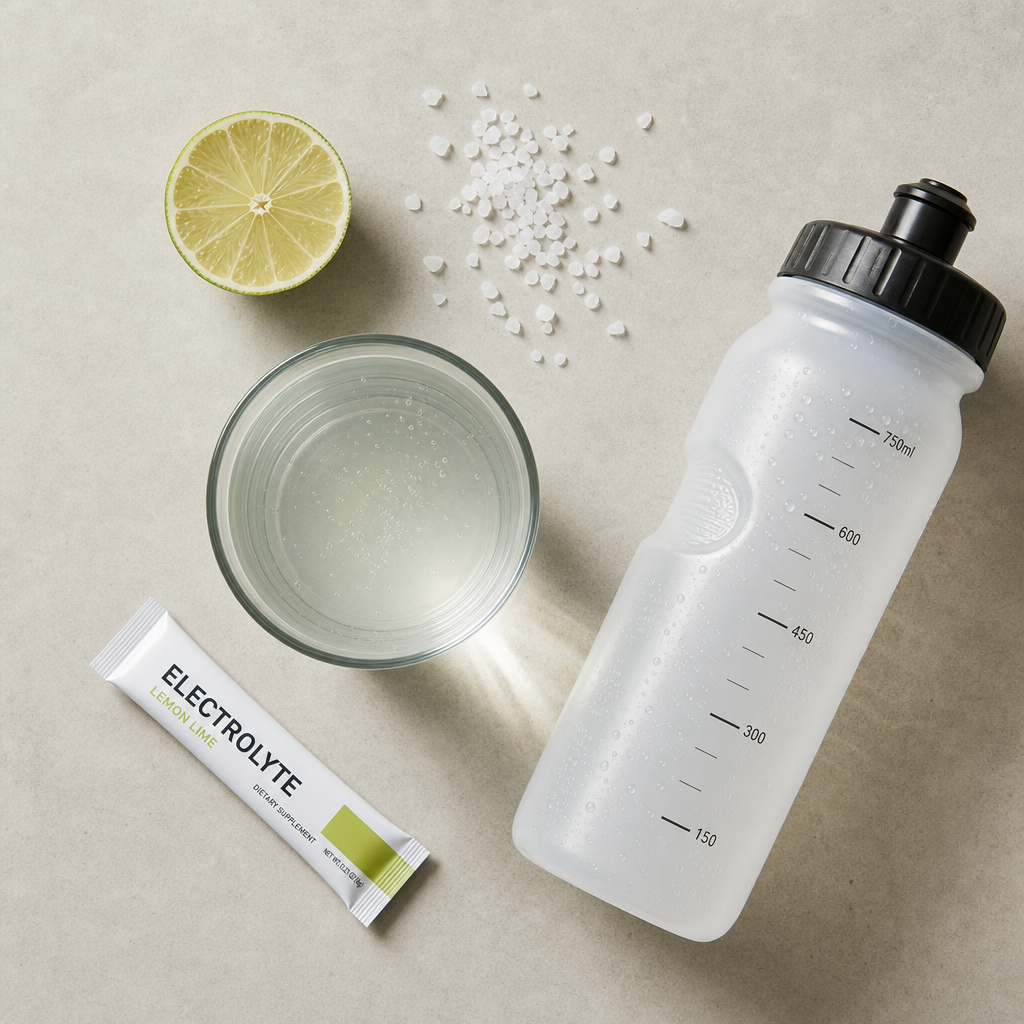
Sweat is a saline solution produced by eccrine glands distributed across your skin. Its composition is not uniform across individuals, but broadly it contains sodium (the dominant electrolyte, at roughly 20-80 mmol per litre), chloride, potassium, magnesium, and calcium. Some people are high-sodium sweaters and leave white salt residue on their skin or kit, a clear sign their sodium replacement needs are above average.
The core problem with drinking plain water during extended exercise is dilutional hyponatraemia. If you are sweating heavily and replacing only water, you are diluting your blood sodium concentration. This is not a theoretical risk. The British Journal of Sports Medicine has documented cases among endurance athletes. Symptoms range from nausea and confusion to seizures in severe cases.
Sodium governs fluid distribution between cells and the bloodstream. When blood sodium drops, cells swell with fluid, which in the brain causes the symptoms of hyponatraemia. Replacing sodium alongside fluid prevents this imbalance and also triggers the thirst response more effectively, meaning you drink at the right time rather than either too much or too little.
The data consistently shows that adding sodium to hydration drinks increases voluntary fluid intake, reduces urine output, and improves retention of fluid in the bloodstream compared to plain water. This is why an electrolyte formula without added sugar, designed with the right sodium concentration, outperforms plain water for any session lasting longer than 60 minutes.
Potassium is lost in sweat at lower concentrations than sodium but plays a critical role in muscle contraction and nerve signalling. Magnesium loss during exercise contributes to muscle fatigue and may exacerbate cramping. Both need replacing after intense or prolonged sessions, not just sodium. A quality electrolyte product addresses all three rather than using sodium alone as a token inclusion.
The thirst mechanism is a homeostatic signal governed by osmoreceptors in the hypothalamus. It works reasonably well at rest. During exercise, particularly at high intensity, this signal is suppressed or delayed. Research published in journals including the American Journal of Clinical Nutrition has found that athletes can reach 2% dehydration before thirst becomes noticeable. At that level of dehydration, aerobic performance drops by approximately 10-20% and cognitive function measurably declines.
A common mistake is using thirst as the primary metric during a race, long run, or heavy gym session. By the time you want to drink, you are already performing below your potential. The practical fix is a scheduled drinking strategy: consume fluid and electrolytes at set intervals during exercise regardless of thirst cues.
This is especially relevant for UK athletes training outdoors in spring and early summer, when temperatures feel moderate but humidity can still drive significant sweat rates. Cool temperatures do not mean low sweat loss, a fact that catches many runners off guard when bonking in what feels like mild weather.
Pro tip: For sessions over 60 minutes, set a timer to remind yourself to drink every 15-20 minutes. Pair each drinking interval with an electrolyte top-up rather than plain water alone, especially if you are a visible salt sweater.
Exercise-associated muscle cramp is one of the most debated topics in sports physiology. The old explanation was simple dehydration and fluid loss. The current evidence points in a different direction. A 2021 review in Sports Medicine found that neuromuscular fatigue combined with electrolyte imbalance, specifically sodium, is a more consistent predictor of cramping than overall fluid deficit.
High-sodium sweaters are disproportionately affected. They can be adequately hydrated by weight but still cramp because their plasma sodium has dropped below the threshold for normal neuromuscular function. Restoring sodium through an electrolyte supplement during or immediately after exercise reduces cramping incidence in this population far more effectively than drinking extra water.
"The balance of evidence suggests that exercise-associated cramping is primarily a neuromuscular phenomenon linked to electrolyte depletion and fatigue, not simply a consequence of drinking too little water." -- Sports Medicine Review, 2021
Potassium and magnesium deficits compound this problem. Magnesium in particular supports ATP production and muscle relaxation. Athletes who train daily without adequate magnesium replenishment accumulate a deficit over weeks that manifests as persistent tightness, disturbed sleep, and increased cramping frequency. A multivitamin complex with adequate magnesium alongside an electrolyte protocol addresses both acute and chronic aspects of this problem.
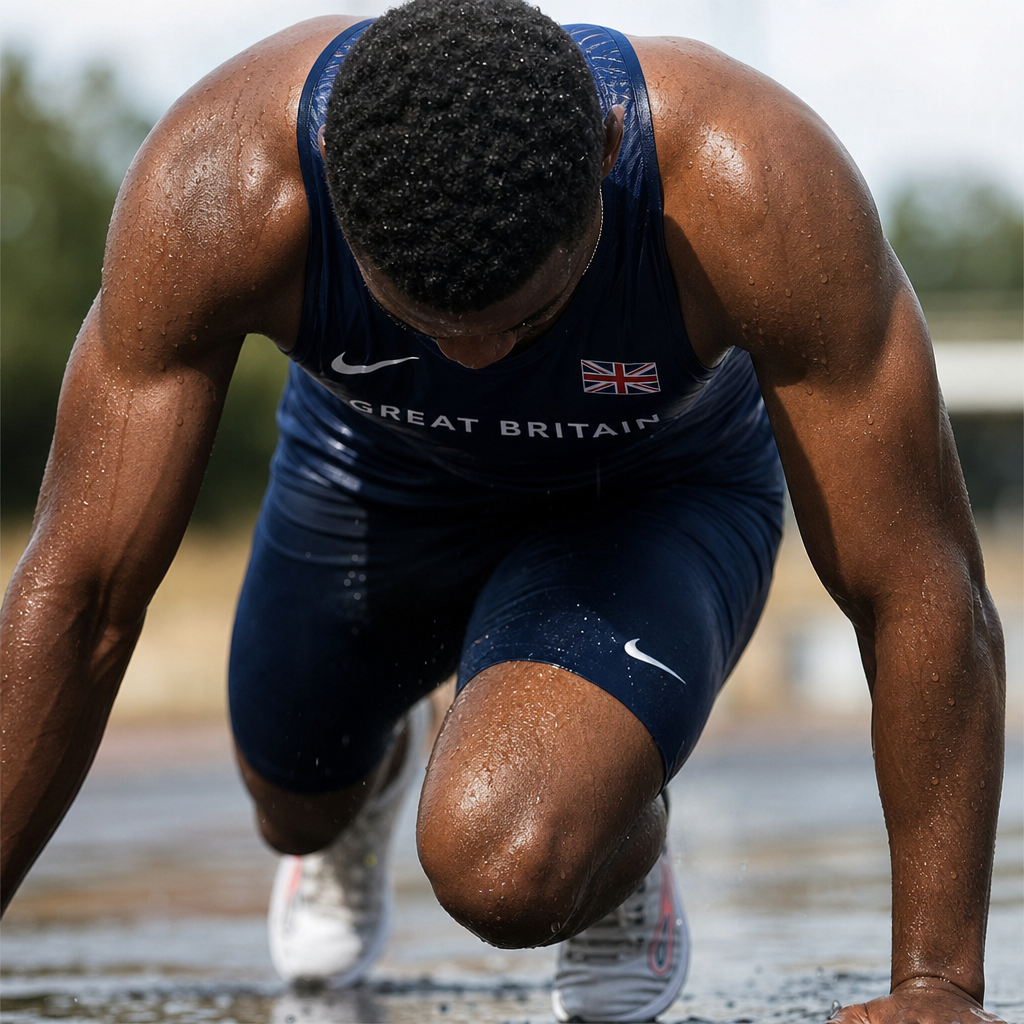
Water is not the enemy. For sessions under 45 minutes at moderate intensity, plain water is genuinely adequate for most people. The problem is applying water-only hydration to longer, harder, or hotter sessions where it is clearly insufficient.
Traditional high-sugar sports drinks solve part of the problem but introduce another one. Many contain 30-60g of sugar per 500ml serving. That is useful in ultra-endurance contexts where caloric intake is a priority, but in a 60-minute gym session or a 10k race, that sugar load spikes blood glucose, triggers an insulin response, and can cause an energy trough that undermines the second half of your effort.
The more targeted option for most active people is an electrolyte hydration product with no added sugar. This delivers the sodium, potassium, and magnesium needed for proper fluid retention and neuromuscular function without the glycaemic penalty. For individuals with specific performance or dietary goals, a sugar-free electrolyte formula is not a compromise. It is the more precise tool.
Hyponatraemia caused by overdrinking is not rare in endurance sport. A landmark study of the 2002 Boston Marathon published in the New England Journal of Medicine found that 13% of finishers had clinically low blood sodium, and 0.6% had critical hyponatraemia. The primary cause was consuming excessive plain water relative to sweat sodium losses.
Slower endurance athletes are paradoxically at higher risk because they spend more time on course, consuming fluid at aid stations, while sweating at lower rates than elite competitors. This combination produces a net positive fluid balance and a dilution of blood sodium that faster athletes avoid simply by finishing sooner.
The correct protocol is not to drink less. It is to include adequate sodium in everything you consume during prolonged exercise. This maintains plasma osmolality, prevents cellular swelling, and keeps the thirst mechanism calibrated correctly. Drinking to thirst with electrolytes present is demonstrably safer than drinking to schedule with plain water.
Hydration Approach |
Best Use Case |
Key Limitation |
|---|---|---|
Plain Water Only |
Sessions under 45 minutes, low intensity, cool conditions |
Dilutes blood sodium during longer sessions, no electrolyte replacement, increases hyponatraemia risk in endurance exercise |
High-Sugar Sports Drinks (e.g. traditional isotonic formulas) |
Ultra-endurance events where caloric intake is required alongside hydration |
High sugar content causes insulin spikes and energy crashes in shorter or moderate-intensity sessions, not suitable for sugar-restricted diets |
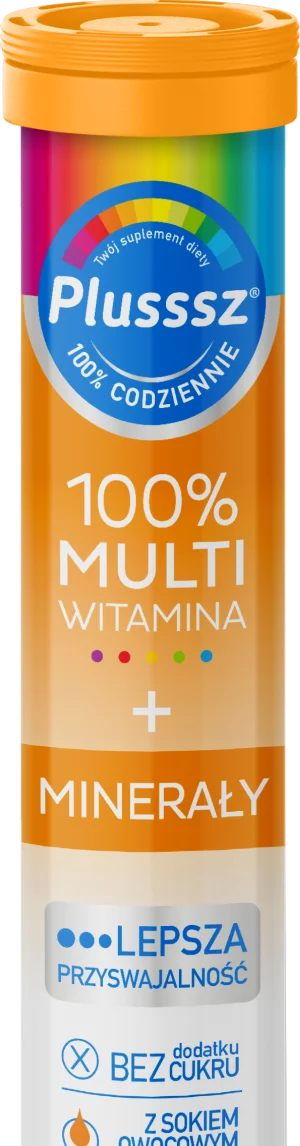
No-Added-Sugar Electrolyte Formula (e.g. Plusssz electrolyte hydration) |
Sessions over 45-60 minutes, high sweat rates, hot or humid conditions, daily active use across demographics including women, men, and seniors |
Requires consistent use and correct dosing to maximise benefit, not a caloric replacement in ultra-endurance contexts where energy intake is also depleted |
A practical starting point is 400-800ml per hour, adjusted for your individual sweat rate, temperature, and exercise intensity. Weigh yourself before and after a session to calculate your sweat rate precisely, then aim to replace 75-80% of that loss during exercise rather than 100%, which risks overdrinking.
Yes. Drinking excessive plain water during prolonged exercise dilutes blood sodium concentration, a condition called hyponatraemia. It is documented in marathon running and triathlon. The safest approach is to drink to thirst while including electrolytes in your hydration, which prevents the sodium dilution that makes overdrinking dangerous.
For most people, no. A 30-minute moderate session at normal temperatures produces modest sweat loss that plain water handles adequately. Electrolyte supplementation becomes important when sessions exceed 45-60 minutes, intensity is high, ambient temperature is elevated, or you are a high-sodium sweater who loses visible salt on skin and clothing.
Cramping despite adequate water intake usually indicates electrolyte depletion rather than fluid deficit. Sodium loss is the primary culprit in exercise-associated cramping. If you cramp regularly and drink plenty, switch from plain water to an electrolyte formula during training and assess whether sodium and magnesium intake through diet and supplementation is sufficient across your training week.
No-added-sugar electrolyte drinks are highly effective for hydration and electrolyte replacement in sessions lasting up to around two hours. For very long endurance events where total caloric expenditure is extreme, some carbohydrate intake alongside electrolytes is beneficial. For everyday training, gym sessions, and events under two hours, a sugar-free electrolyte formula provides all the hydration support you need without the blood sugar disruption that high-sugar alternatives cause.
The diuretic effect of caffeine at the doses found in pre-workout supplements or a single cup of coffee is negligible at the intake levels most people use. The European Food Safety Authority has concluded that caffeine at up to 400mg per day does not cause dehydration in healthy adults. Treating coffee as a net fluid deficit is a persistent myth not supported by current evidence.
Have you changed your hydration approach based on what actually happens when you sweat, and what difference has it made to your training? Share your experience below.