Most active people track their protein, their carbs, and maybe their electrolytes. Almost none of them track their zinc. That is a problem. Research published by the National Institutes of Health confirms that even mild zinc deficiency impairs immune function, slows wound healing, and reduces the activity of over 300 enzymes your body needs to perform. If you train hard, sweat regularly, and push your body through recovery cycles week after week, your zinc requirements are higher than those of a sedentary person. The zinc immune system UK conversation is long overdue, and this article is going to make the case plainly.
Key Insight |
Explanation |
|---|---|
Zinc supports over 300 enzymatic reactions |
These reactions include DNA synthesis, protein metabolism, and immune cell production. Without adequate zinc, all three suffer. |
Sweat losses are significant |
Athletes can lose up to 3 mg of zinc per litre of sweat, making daily dietary intake insufficient during heavy training blocks. |
UK adults are at risk of low zinc intake |
Data from the National Diet and Nutrition Survey shows a measurable portion of UK adults fall below the Reference Nutrient Intake of 9.5 mg per day for men and 7 mg per day for women. |
Zinc deficiency mimics overtraining syndrome |
Fatigue, frequent illness, and slow recovery are symptoms of both. Most athletes blame training load when zinc is the real issue. |
Form matters as much as dose |
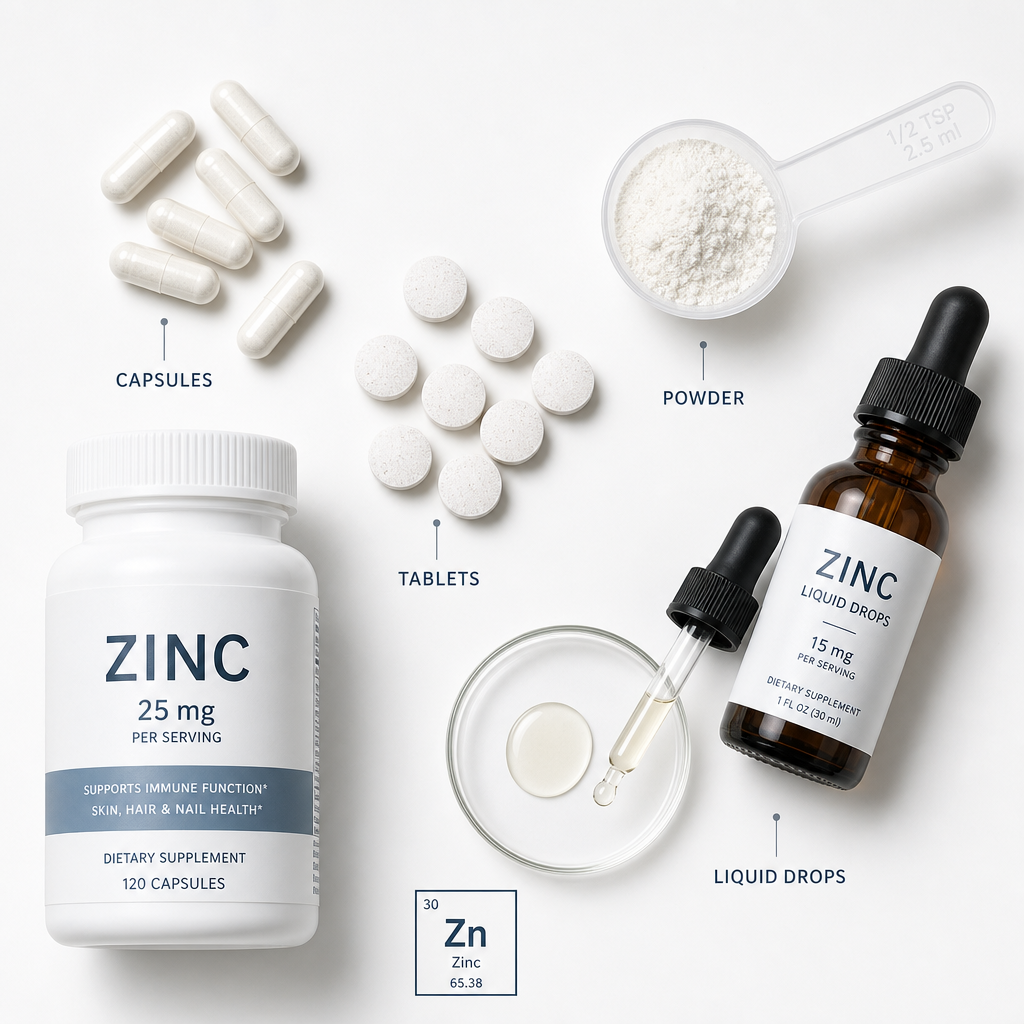
Zinc gluconate and zinc citrate have better bioavailability than zinc oxide, which is cheaper but poorly absorbed. |
Zinc works synergistically with vitamin C and selenium |
Combining these micronutrients in a quality multivitamin with minerals provides compounding immune support that single-nutrient supplements cannot match. |
Excess zinc is counterproductive |
Doses above 40 mg per day long-term can suppress copper absorption and actually impair immunity. More is not better. |
Zinc is not optional for immune function. It is structural. T-lymphocytes, the white blood cells that coordinate your immune response, require zinc to develop and activate properly. When zinc levels drop, T-cell counts drop with them. A 2021 review published in the journal Nutrients confirmed that zinc deficiency reduces the proliferation of both T-helper and cytotoxic T-cells, leaving the immune system functionally weakened even when other nutritional markers look normal.
Zinc also acts as an antioxidant cofactor. It is part of the enzyme superoxide dismutase, which neutralises free radicals generated during exercise. The harder you train, the more oxidative stress you generate, and the more zinc your antioxidant systems consume. This is a direct mechanism connecting training intensity to zinc demand.
In practice, athletes who address zinc intake consistently report fewer upper respiratory infections during high training volume periods. This is not anecdotal. A meta-analysis of 13 randomised controlled trials found that zinc supplementation reduces the duration of common colds by approximately 33 percent. That kind of effect size is meaningful for anyone trying to protect training consistency.

The mechanism here is straightforward. Exercise increases zinc turnover through three separate routes: sweat, urine, and muscle tissue repair. Endurance athletes, in particular, face the highest cumulative losses because their sessions are long, their sweat volumes are high, and their muscle protein synthesis demands are elevated throughout the week.
Research from the American Journal of Clinical Nutrition found that zinc concentration in sweat ranges from 0.5 to 1.5 mg per litre. A runner completing a two-hour long run in warm conditions and losing two litres of sweat can lose up to 3 mg of zinc from that session alone. The UK Reference Nutrient Intake for zinc is 9.5 mg per day for men. That single run accounts for nearly a third of it.
Exercise also triggers a temporary spike in urinary zinc excretion. This happens because exercise mobilises zinc from muscles into the bloodstream, which then passes through the kidneys. The elevation normalises within 24 hours, but athletes training six days a week never fully stabilise between sessions. The deficit accumulates quietly.
Pro tip: If you are training more than five hours per week and relying solely on diet for zinc, run a food diary for three days and calculate your actual intake. Most people are surprised to find they are 20 to 30 percent below their target.
The frustrating thing about zinc deficiency is that it does not announce itself with a dramatic symptom. It erodes performance and health incrementally, which means most active people attribute the symptoms to their training load rather than their nutrition.
Frequent colds during high training blocks are the most common signal. If you are getting sick every six to eight weeks during periods of heavy training, zinc should be the first thing you investigate. Slow wound healing, including cuts, blisters, and muscle soreness that lingers longer than expected, is another indicator. Loss of appetite and reduced sense of smell are later-stage signs that are rarely recognised for what they are.
Zinc deficiency and overtraining syndrome share symptoms: persistent fatigue, suppressed immunity, poor sleep quality, and mood disturbances. A common mistake is to reduce training load when the actual intervention needed is nutritional. Blood serum zinc testing is available through many UK GP practices and private health labs. If you have been grinding through fatigue and frequent illness for more than four weeks, get tested before assuming your programming is to blame.
"Zinc is involved in virtually all aspects of immunity, from maintaining the integrity of the skin barrier to regulating inflammatory signalling. Its deficiency impairs the function of every cell in the immune system." - Rink and Haase, published in the Proceedings of the Nutrition Society, 2007.
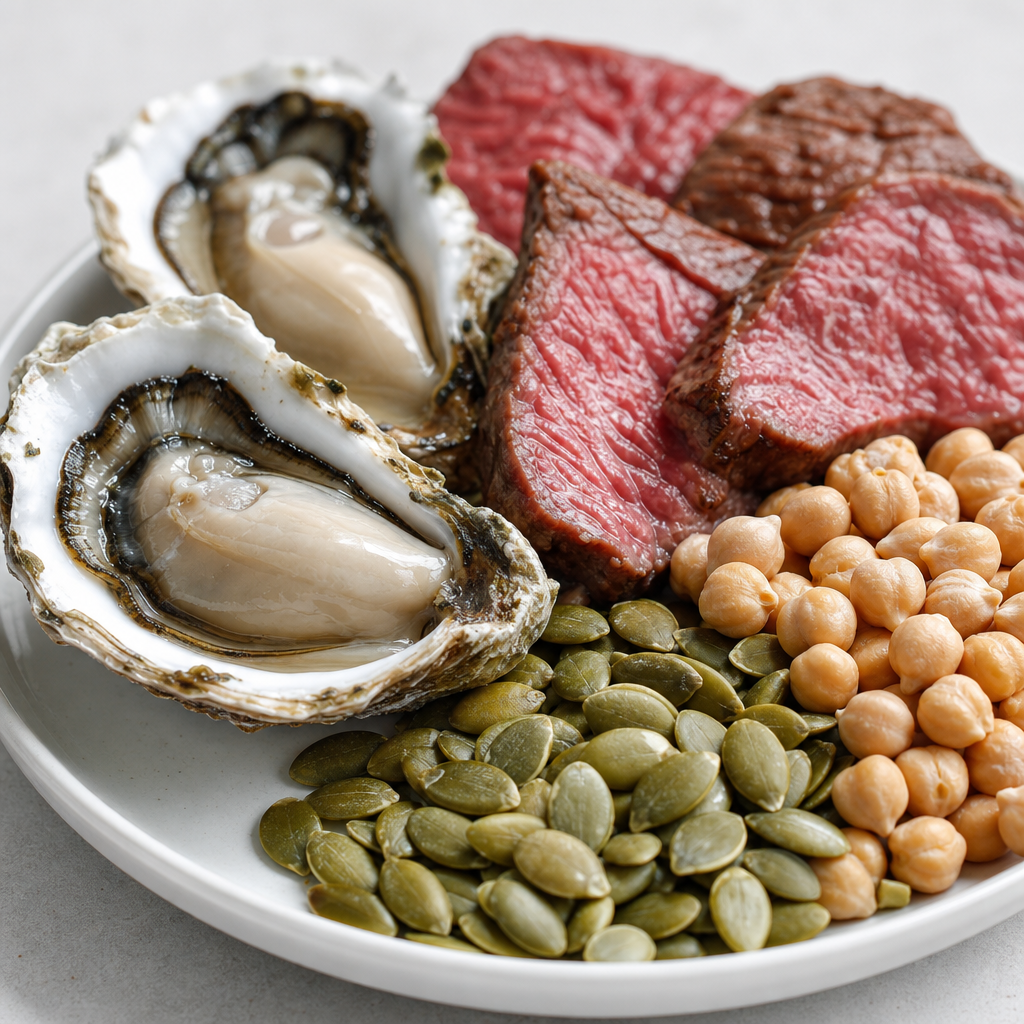
Whole food sources of zinc are always the starting point. Oysters are by far the most concentrated source, containing up to 74 mg per 100g serving. But nobody eats oysters daily. For practical daily intake, red meat, poultry, pumpkin seeds, hemp seeds, and chickpeas are reliable contributors.
Plant-based zinc sources come with a catch. Phytic acid, found in wholegrains, legumes, and nuts, binds to zinc and reduces absorption significantly. A 2002 study in the American Journal of Clinical Nutrition estimated that a high-phytate diet can reduce zinc bioavailability by up to 45 percent compared to a low-phytate diet. This means vegetarian and vegan athletes need to be especially deliberate about either their food preparation methods (soaking and sprouting reduce phytate) or their supplementation strategy.
The data consistently shows that active individuals, plant-based eaters, and those in caloric deficit during fat-loss phases are the most vulnerable to inadequate zinc intake. Supplementation is not a luxury in these cases. It is a rational response to a documented gap. The key is choosing a form with meaningful bioavailability, not the cheapest option available.
Zinc does not operate in isolation. Minerals for active people need to be understood as a system, not a list of individual targets. Zinc interacts directly with copper, iron, and magnesium in ways that affect absorption and function. Getting zinc right without attending to these interactions can create new imbalances.
Zinc and copper compete for the same intestinal transporter. When zinc intake is high, copper absorption is suppressed. This is why supplementing with zinc gluconate or zinc citrate at doses above 25 mg daily requires copper to be included in the formulation. A well-designed multivitamin with minerals will account for this ratio automatically, typically at a zinc to copper ratio of 10:1 or 15:1.
Magnesium and zinc both support sleep quality, muscle recovery, and hormonal balance. The combination ZMA (zinc, magnesium, and vitamin B6) has been studied in athletes specifically, with research showing improvements in sleep efficiency and anabolic hormone profiles. For active individuals managing training stress, this combination is one of the most evidence-supported stacks available.
Taking high-dose zinc and iron supplements simultaneously in liquid form reduces the absorption of both. In practice, this matters most for female athletes who supplement iron for menstrual losses. The solution is simple: separate the timing of zinc and iron supplements by at least two hours. This is rarely mentioned on product labels, which is why knowing it gives you a practical edge.
Pro tip: If you are using a combined electrolyte and multivitamin formulation, check whether it includes zinc alongside sodium, potassium, and magnesium. An electrolyte product that also covers your micronutrient gaps during training is far more efficient than managing five separate supplements.
The UK supplement market is crowded, and most products compete on price rather than formulation quality. When evaluating any multivitamin with minerals UK, three criteria separate genuinely useful products from expensive placebos.
First, check the zinc form. Zinc oxide is the cheapest and least bioavailable form. Zinc gluconate, zinc citrate, and zinc picolinate are meaningfully better absorbed. If the label lists zinc oxide, that product is optimised for cost, not efficacy.
Second, look at the dose relative to the UK Reference Nutrient Intake. Products that provide only five to six milligrams of zinc per serving are not providing therapeutic value. A well-formulated multivitamin should cover the full RNI and account for the elevated needs of active individuals, which some researchers estimate at 1.5 to two times the standard RNI during heavy training phases.
Third, examine the full mineral profile. Zinc should appear alongside copper (to protect balance), magnesium (for recovery and sleep), and selenium (for immune synergy). Products that address these interactions signal that the formulation was designed by someone who understands nutritional biochemistry, not just regulatory minimums.
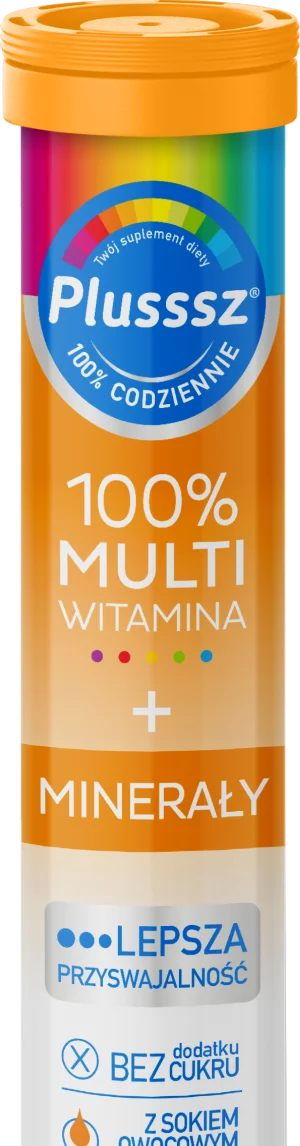
Plusssz UK's approach to multivitamin formulations specifically targets this gap. The brand's products are designed without added sugar, with bioavailable mineral forms, and with active individuals in mind rather than the sedentary baseline most mainstream multivitamins are benchmarked against. That distinction matters when your body is under genuine physiological stress from regular training.
The standard UK recommendation is 9.5 mg per day for men and 7 mg per day for women. For active individuals in heavy training, intake in the range of 15 to 25 mg per day from combined food and supplement sources is well-supported by the literature and remains safely below the tolerable upper intake level of 40 mg per day set by the European Food Safety Authority.
Zinc is best absorbed on an empty stomach or with a small amount of food that does not contain high-phytate content. Taking zinc with a high-fibre, high-grain meal significantly reduces how much you actually absorb. Evening is a practical time for many athletes, as it combines well with magnesium supplementation and does not interfere with pre-training nutrition protocols.
The combination of zinc, vitamin C, and selenium provides overlapping immune support through different but complementary mechanisms. Vitamin C supports neutrophil function and acts as a direct antioxidant. Selenium is a cofactor for glutathione peroxidase, the body's primary intracellular antioxidant enzyme. Zinc handles T-cell mediated immunity and enzymatic functions. Together, these three cover the major immune pathways that are most vulnerable during high training loads.
Approach |
Bioavailability and Efficacy |
Best Suited For |
|---|---|---|
Standalone zinc gluconate or citrate tablet |
High bioavailability (25 to 40 percent absorption). Simple to dose and adjust. No competing minerals in the formulation. |
Athletes who already take a separate multivitamin and need to top up zinc specifically. Useful for short-term immune support during illness-prone training blocks. |
Multivitamin with minerals (zinc included) |
Bioavailability depends on the zinc form used. Well-formulated products account for zinc-copper balance and include synergistic nutrients. Less flexible for individual dosing. |
Active individuals who want comprehensive micronutrient coverage without managing multiple separate products. The most practical and cost-efficient approach for most people. |
Electrolyte product with zinc added |
Bioavailability varies. Useful for replacing sweat losses during and after training. Usually lower doses than therapeutic supplements. |
Endurance athletes and those training in heat who want intra or post-workout zinc replacement alongside sodium, potassium, and magnesium. Works well as a complement to a daily multivitamin rather than a standalone zinc source. |
The UK Reference Nutrient Intake is 9.5 mg per day for men and 7 mg per day for women. Active individuals training five or more hours per week have elevated requirements due to sweat and urinary losses. A practical target for this group is 15 to 25 mg per day from all sources combined, staying below the 40 mg tolerable upper level. Food alone rarely meets this for heavy trainers, which is where a quality multivitamin with minerals fills the gap.
The evidence is clear that adequate zinc status supports immune competence, and that supplementation in deficient individuals meaningfully reduces infection frequency and duration. A meta-analysis of zinc supplementation trials found a 33 percent reduction in cold duration. If you are training hard and experiencing frequent upper respiratory infections, zinc status should be the first nutritional variable you investigate, not the last.
Zinc gluconate, zinc citrate, and zinc picolinate all offer meaningfully better absorption than zinc oxide. Zinc oxide is cheap to manufacture and appears in many budget supplements, but its bioavailability is significantly lower. When evaluating any multivitamin with minerals UK, checking the zinc form on the label is one of the fastest ways to assess formulation quality. If it lists zinc oxide, consider a better-formulated alternative.
Yes, and this matters practically. Zinc competes with copper for absorption, so sustained high-dose zinc supplementation without copper can deplete copper over time. High-dose zinc also reduces iron absorption when taken simultaneously in liquid form. The solution is to use a well-formulated multivitamin that accounts for these interactions, or to separate the timing of different mineral supplements by at least two hours.
At doses within the recommended range of 15 to 25 mg per day, zinc supplementation is well-tolerated and safe for ongoing use. The European Food Safety Authority sets the tolerable upper intake level at 40 mg per day for adults. Problems only arise with chronic doses above this level, typically seen in people stacking multiple supplements without tracking their total intake. As long as your combined food and supplement total stays below 40 mg, long-term use carries no established risk.
Timing zinc around training is less critical than timing it away from high-phytate meals. The most important rule is not to take zinc with a bowl of porridge, wholegrain bread, or a legume-heavy meal, as phytic acid significantly reduces absorption. Evening timing works well for most athletes, aligning with magnesium supplementation and avoiding interference with pre-training carbohydrate intake. If you train in the evening, take zinc at a separate meal earlier in the day.
If you are currently tracking zinc as part of your supplement stack, we would like to hear how it has affected your recovery and immunity. Share your experience in the comments.