If you train regularly and still feel sluggish, the problem might not be your programme or your sleep. It might be a gap in your B vitamin intake. Research published by the British Nutrition Foundation confirms that B-vitamin deficiencies directly impair energy metabolism, yet most active adults in the UK remain unaware of how profoundly these micronutrients govern their output. B vitamins energy UK is a topic that matters far more than most supplement marketing lets on, and understanding the biochemistry behind it changes how you approach both nutrition and performance.
Key Insight |
Explanation |
|---|---|
B vitamins are coenzymes, not fuel sources |
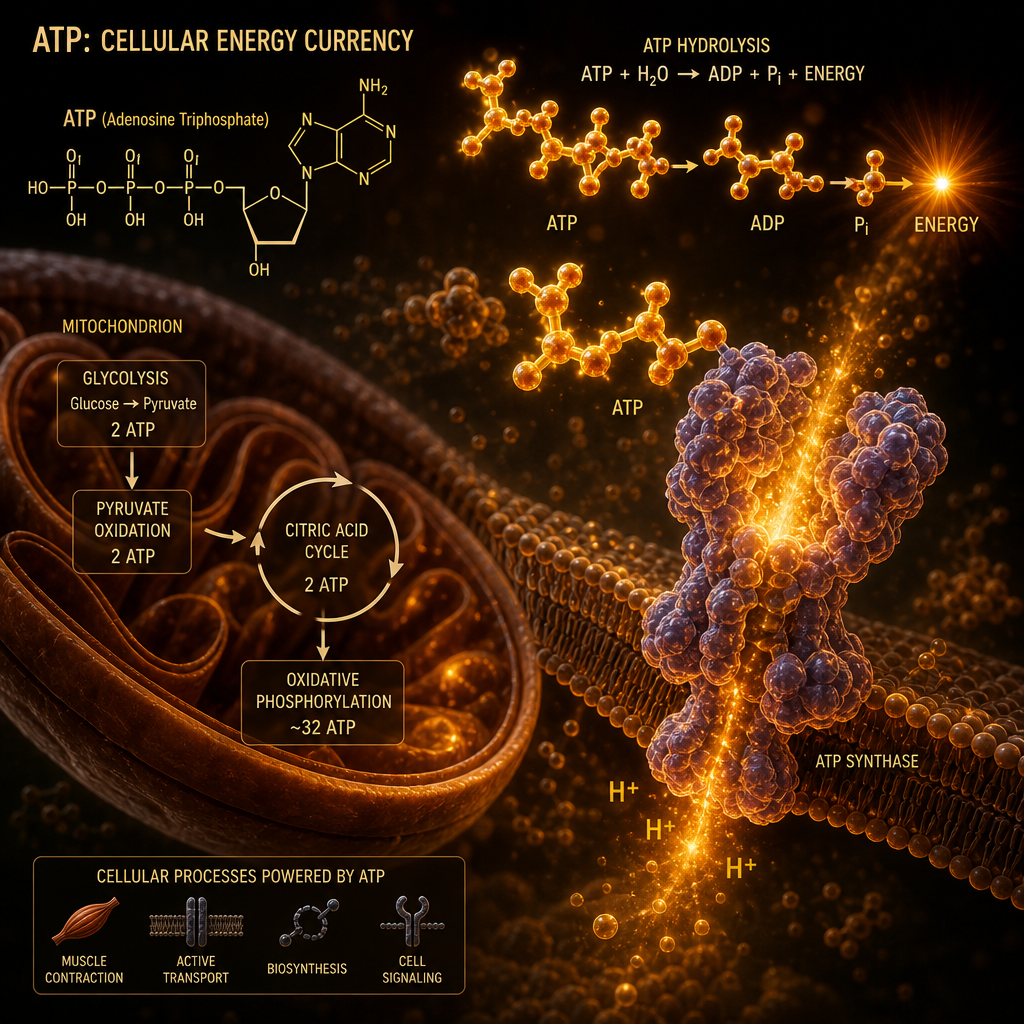
They do not provide calories directly. Instead, they enable your body to convert carbohydrates, fats, and protein into usable ATP energy. |
Exercise increases B vitamin demand significantly |
A 2020 review in Nutrients found that regular physical activity raises the body's requirement for B1, B2, B6, and B12 by up to 60 percent compared to sedentary individuals. |
Deficiency in one B vitamin disrupts the whole chain |
The eight B vitamins work interdependently. A shortfall in B9 (folate), for example, limits B12 function and impairs red blood cell production needed for oxygen delivery. |
A B complex supplement outperforms single-vitamin dosing |
For active adults, taking an integrated B complex supplement ensures cofactor balance rather than pushing one pathway while starving another. |
Magnesium and B vitamins work synergistically |
Magnesium is required to activate thiamine (B1) and is itself lost through sweat. Formulas combining both, like Plusssz Magnesium Forte B-Complex, address this co-dependency directly. |
Water-soluble status does not mean unlimited intake |
B vitamins are excreted in urine, but high-dose B6 supplementation above 10mg per day over time can cause peripheral neuropathy. Dose intelligently. |
Morning intake optimises circadian alignment |
B vitamins support methylation cycles that peak in the morning. Taking them with breakfast reduces the risk of sleep disruption linked to B6 in particular. |
The most common misconception about B vitamins is that they give you energy the way a carbohydrate does. They do not. What they do is far more precise: they act as coenzymes that catalyse the metabolic reactions that release energy stored in the food you eat.
Without adequate B vitamins, your mitochondria cannot run the Krebs cycle efficiently. That means glucose, fatty acids, and amino acids arrive at the energy production site and stall there. You end up with substrate that cannot be converted to ATP, which translates directly to fatigue, poor recovery, and reduced power output during training.
In practice, athletes who report feeling tired despite eating enough calories and sleeping adequately are often experiencing exactly this bottleneck. The energy is present in the diet. The biochemical machinery to extract it is compromised.


Thiamine (B1), riboflavin (B2), niacin (B3), and pantothenic acid (B5) are all essential cofactors in Krebs cycle reactions. Remove any one of them and you introduce a rate-limiting step. The data consistently shows that even subclinical deficiency in these vitamins, not just clinical deficiency, measurably reduces maximal oxygen uptake and time to exhaustion in endurance tests.
This is why generic advice to simply eat a balanced diet often falls short for people who train five or more times per week. The increased metabolic throughput of frequent exercise burns through these coenzymes at a rate that food alone may not replenish quickly enough.
B12 and folate (B9) govern a separate but equally critical pathway: erythropoiesis, the production of red blood cells. More red blood cells mean more haemoglobin, which means more oxygen delivered to working muscles. This is not a marginal benefit for endurance athletes. It is the physiological foundation of aerobic capacity.
A common mistake is treating B12 supplementation as relevant only for vegans or vegetarians. In reality, B12 absorption efficiency declines with age, with high-intensity training, and with chronic stress, none of which are rare among active UK adults.
There are eight recognised B vitamins: B1 (thiamine), B2 (riboflavin), B3 (niacin), B5 (pantothenic acid), B6 (pyridoxine), B7 (biotin), B9 (folate), and B12 (cobalamin). Each has a distinct role, but they operate as an integrated system. Supplementing one in isolation while neglecting the others is a fundamentally flawed approach for anyone serious about performance.
Niacin (B3) is particularly interesting for athletes because it is a direct component of NAD+ and NADH, the electron carriers that drive the entire electron transport chain. Without sufficient niacin, your cells cannot complete oxidative phosphorylation, the final step in producing the majority of your ATP.
Pyridoxine (B6) is essential for protein metabolism and neurotransmitter synthesis. For strength athletes, its role in amino acid transamination means it directly affects muscle repair. For endurance athletes, its involvement in haemoglobin synthesis adds another layer of relevance.
"Inadequate intakes of B vitamins are associated with impaired energy metabolism and reduced exercise performance, even when total caloric intake is sufficient." Dr. Melinda Manore, Professor of Nutrition at Oregon State University, writing in the International Journal of Sport Nutrition and Exercise Metabolism.
Biotin (B7) is often marketed primarily for hair and skin, which undersells its metabolic function. Biotin is a coenzyme for carboxylase enzymes involved in fat metabolism and gluconeogenesis, making it relevant to athletes who train in a fasted or low-carbohydrate state.
Pro tip: If you are currently taking a standalone B12 supplement, check whether it contains methylcobalamin or cyanocobalamin. Methylcobalamin is the bioactive form already used by human cells, requiring no conversion step. Cyanocobalamin is cheaper to produce but demands additional metabolic work to become usable, which is counterproductive when you are already asking your body to perform at a high level.
Endurance training creates a particularly aggressive demand environment for B vitamins. Three mechanisms drive this increased requirement: elevated metabolic rate, sweat losses, and oxidative stress that consumes B vitamin-dependent antioxidant systems.
Runners, cyclists, and swimmers completing high weekly mileage burn through riboflavin (B2) at a rate that dietary surveys suggest many fail to replace. A 2022 review in the Journal of the International Society of Sports Nutrition found that 28 percent of recreational endurance athletes in Europe showed suboptimal riboflavin status despite reporting adequate caloric intake.
B vitamins are water-soluble and present in sweat. This fact is frequently overlooked in discussions of electrolyte replacement. While sodium, potassium, and magnesium rightly get attention in hydration products, the concurrent loss of B vitamins during prolonged exercise creates a depletion pattern that accumulates across a training block.
This is one reason why the combination of electrolyte hydration and B vitamin supplementation is not a commercial gimmick. It reflects genuine physiology. Plusssz, in building formulas that address both hydration and micronutrient support, is responding to a real metabolic need rather than a marketing trend.
High-volume training without adequate B6, B9, and B12 can elevate homocysteine, an amino acid that at elevated levels is associated with cardiovascular stress and inflammation. The methylation cycle that processes homocysteine into benign compounds requires all three of these B vitamins. This is not a theoretical risk. It is measurable in blood work and correctable with targeted supplementation.
The supplement market in the UK is crowded, and most B complex products are designed for general population use rather than for people who train consistently. The gap between what a sedentary person needs and what an active adult requires is significant enough that the distinction matters when choosing a product.
Four criteria separate genuinely performance-oriented B complex supplements from generic wellness options.
Forms matter more than doses. A product containing 1000mcg of cyanocobalamin delivers less usable B12 than one containing 500mcg of methylcobalamin. Similarly, folate as methylfolate (5-MTHF) bypasses the MTHFR enzyme conversion that a significant portion of the population cannot complete efficiently due to genetic variation. The data consistently shows that active forms result in higher blood levels than synthetic precursors at equivalent doses.
Effervescent and flavoured B vitamin products frequently contain glucose syrups, artificial sweeteners, or fillers that conflict with the goals of health-conscious athletes. For anyone managing blood sugar, body composition, or simply preferring clean supplementation, no-added-sugar formulations are a non-negotiable filter. This aligns with what Plusssz has built into its product range as a brand standard, not an afterthought.
A B complex supplement for active adults should not exist in isolation. Magnesium activates thiamine and supports over 300 enzymatic reactions including those required for muscle contraction and nerve signalling. Zinc supports B6 metabolism. A formulation that co-delivers key minerals alongside the B vitamin complex addresses the co-dependency that single-nutrient products ignore.
Pro tip: Read the label for the form of each B vitamin, not just the dose. If a product lists folic acid rather than methylfolate, and cyanocobalamin rather than methylcobalamin, you are paying for lower bioavailability. Switch to a product that uses active forms, especially if you train more than four times per week.
Most brands in this space, including Science in Sport, High Five, and ORS Hydration, focus their supplementation range primarily on carbohydrate delivery and electrolyte replacement during exercise. That is a legitimate function, but it leaves a gap in the micronutrient support story, particularly for B vitamins and their metabolic role outside of acute training windows.
The Plusssz Magnesium Forte B-Complex addresses a specific formulation gap: combining high-dose magnesium with a full-spectrum B vitamin complex in a single product. This matters because magnesium deficiency and B vitamin insufficiency tend to co-occur in active individuals, and addressing only one while ignoring the other produces partial results at best.
Magnesium is required as a cofactor for thiamine pyrophosphate, the active form of B1. Without adequate magnesium, even well-dosed thiamine cannot function properly. The reverse is also true: B6 is required for the conversion of magnesium into its intracellular active form. This bidirectional dependency means that separating them into different products and timing them independently introduces unnecessary inefficiency.
The Plusssz approach of co-formulating these nutrients reflects an understanding of how they actually function in human physiology, rather than packaging them separately to sell more SKUs.
Plusssz formulations prioritise nutrient assimilability as a core design principle. For the B-Complex component specifically, this means using forms that do not require additional metabolic conversion steps. For an active adult whose metabolic machinery is already under load from training, every unnecessary conversion step is a cost. Removing those costs by using bioavailable forms is not a premium feature. It is the correct baseline.
Approach |
Strengths |
Limitations for Active Adults |
|---|---|---|
Single B12 supplement (standard dose, cyanocobalamin) |
Low cost, widely available, addresses the most commonly discussed B vitamin gap |
Ignores the other seven B vitamins, uses a synthetic form requiring conversion, no mineral co-support |
Generic B complex (synthetic forms, no mineral co-delivery) |
Covers all eight B vitamins in one product, convenient single-capsule format |
Uses lower-bioavailability forms, often under-dosed for athletic demand, no electrolyte synergy |
Plusssz Magnesium Forte B-Complex (active forms, co-formulated with magnesium) |
Full-spectrum B vitamins in active bioavailable forms, magnesium co-delivery addresses interdependency, no added sugar, formulated for active adults |
Higher price point than basic B complex options, requires consistent daily use to see cumulative benefit |
Knowing which B complex supplement to take is only half the equation. When and how you take it affects both absorption and its compatibility with other elements of your supplement stack.
B vitamins support methylation processes that are most active in the morning. Taking your B complex at breakfast, ideally with a meal containing some dietary fat to slow gastric transit, gives the nutrients time to absorb rather than being flushed through rapidly. B6 in particular has a documented association with vivid dreaming and sleep disruption when taken in the evening, making morning dosing the correct default for the majority of users.
For Plusssz users who already use the brand's electrolyte hydration products, the B complex functions as a complementary layer rather than a competing product. Electrolytes address acute intra-workout needs, replacing sodium, potassium, and magnesium lost in sweat. The B complex addresses the chronic background requirement for metabolic coenzyme support. Running both as part of a daily protocol makes physiological sense.
A common mistake is stopping B complex supplementation during a deload or rest week on the basis that you are not training and therefore do not need it. Metabolic demand for B vitamins does not disappear during recovery. If anything, the repair and adaptation processes that happen during rest weeks are B vitamin-dependent, particularly protein synthesis and red blood cell turnover.
Women of reproductive age have higher folate requirements and benefit from methylfolate specifically. Men over 40 often show declining B12 absorption linked to reduced gastric acid production. Seniors face compounded risk from both reduced absorption and medication interactions that deplete B vitamins, particularly metformin (depletes B12) and proton pump inhibitors (reduce B12 absorption). Plusssz's demographic-specific formulation philosophy is well-matched to these differentiated needs.
Most people who were genuinely deficient or insufficient notice improved energy within two to four weeks of consistent daily use. If you were already at optimal B vitamin status, the subjective change is less pronounced because there was no significant deficit to correct. Blood tests measuring homocysteine, serum B12, and red blood cell folate give you a more objective baseline than how you feel before you start.
Theoretically yes, if your diet is exceptionally varied and calorie intake is sufficient to match your training load. In practice, the data consistently shows that active adults who train four or more times per week regularly fall short of optimal B vitamin status through diet alone, particularly for B12, B2, and folate. A targeted B complex supplement removes the guesswork and ensures consistent delivery regardless of daily dietary variation.
Yes, for the eight recognised B vitamins at doses consistent with recommended upper limits. The exception is B6, where the UK Food Standards Agency advises against supplementing more than 10mg per day over extended periods due to the risk of peripheral neuropathy. Quality B complex products designed for active adults stay well within this range. Always check the label for the B6 content and form before committing to a product.
Yes. B6 is directly involved in protein metabolism and amino acid processing, which are central to muscle repair. B12 and folate support red blood cell production, which governs oxygen delivery to recovering tissue. Niacin participates in DNA repair processes that are upregulated after training-induced muscle damage. The energy-focused framing of B vitamins in marketing undersells their recovery function considerably.
Because they are biochemically interdependent. Magnesium activates thiamine (B1), and B6 is required for magnesium's intracellular conversion. Addressing both deficiencies simultaneously produces a more complete outcome than treating them as independent problems. Co-formulation also simplifies the daily protocol, which improves adherence over time and therefore real-world results.
Both. Endurance athletes rely heavily on B vitamins for ATP production and oxygen delivery. Strength athletes need B6 for protein metabolism, B12 for neurological function and muscle contraction signalling, and niacin for the energy metabolism that powers high-intensity sets. The applications differ in emphasis, not in whether B vitamins matter.
If you are currently using B vitamins or a B complex supplement as part of your training nutrition, share what has and has not worked for you in the comments below.