Most athletes underestimate how differently their body loses fluid depending on the sport they play. A squash player can lose over two litres of sweat per hour during an intense match, a figure that rivals elite marathon runners. Yet the timing, mineral composition, and format of hydration each sport demands are almost completely different. Getting your hydration strategy for sports UK wrong does not just hurt performance. It causes cramps, early fatigue, and in serious cases, hyponatremia. This article breaks down exactly what squash, cycling, and running each demand from your hydration plan, and where most people are getting it wrong.
Key Insight |
Explanation |
|---|---|
Squash has the highest sweat rate per minute of the three sports |
Enclosed courts, explosive rallies, and no airflow combine to push sweat rates above 1.5-2 litres per hour in competitive play. |
Cyclists can drink during activity, runners and squash players largely cannot |
This forces pre-loading and recovery hydration strategies for court and road runners, while cyclists can top up continuously. |
Sodium is the most important electrolyte for all three sports |
Sodium drives fluid retention and replaces what sweat removes. Without it, plain water can dilute blood sodium dangerously. |
Electrolytes for runners should be timed before long efforts, not only after |
Pre-loading with sodium and potassium 30-60 minutes before a run reduces in-run cramp risk and delays dehydration onset. |
Sugar in sports drinks is unnecessary for sessions under 75 minutes |
For most training sessions, a sports drink with no added sugar delivers the electrolytes without the glycaemic spike or excess calories. |
Cycling in UK weather does not reduce sweat loss significantly |
Even in cool British conditions, a cyclist at 200-250 watts loses 500-800ml per hour. Cold does not eliminate the need for electrolytes. |
One-size hydration plans consistently underperform |
A squash player copying a marathon runner's hydration schedule will likely arrive at the fourth game dehydrated and cramping. |
The type of sport you play determines three things: how fast you lose fluid, which electrolytes deplete first, and when you can physically replace them. These are not minor differences. They represent fundamentally different physiological challenges that require different solutions.
In practice, most UK athletes use a generic approach. They grab a bottle of water or a sugary energy drink and assume that covers it. The data consistently shows this leads to a 2-3% body weight fluid deficit by the end of training, which is enough to reduce endurance performance by 10-20% according to research published by the American College of Sports Medicine.
The format of the sport matters as much as its intensity. An indoor court sport like squash creates a heat trap. An outdoor road sport like cycling generates its own wind cooling. Trail running introduces terrain variables that spike heart rate and sweat rate unpredictably. These environmental and structural differences must shape your hydration strategy, not just the workout duration.
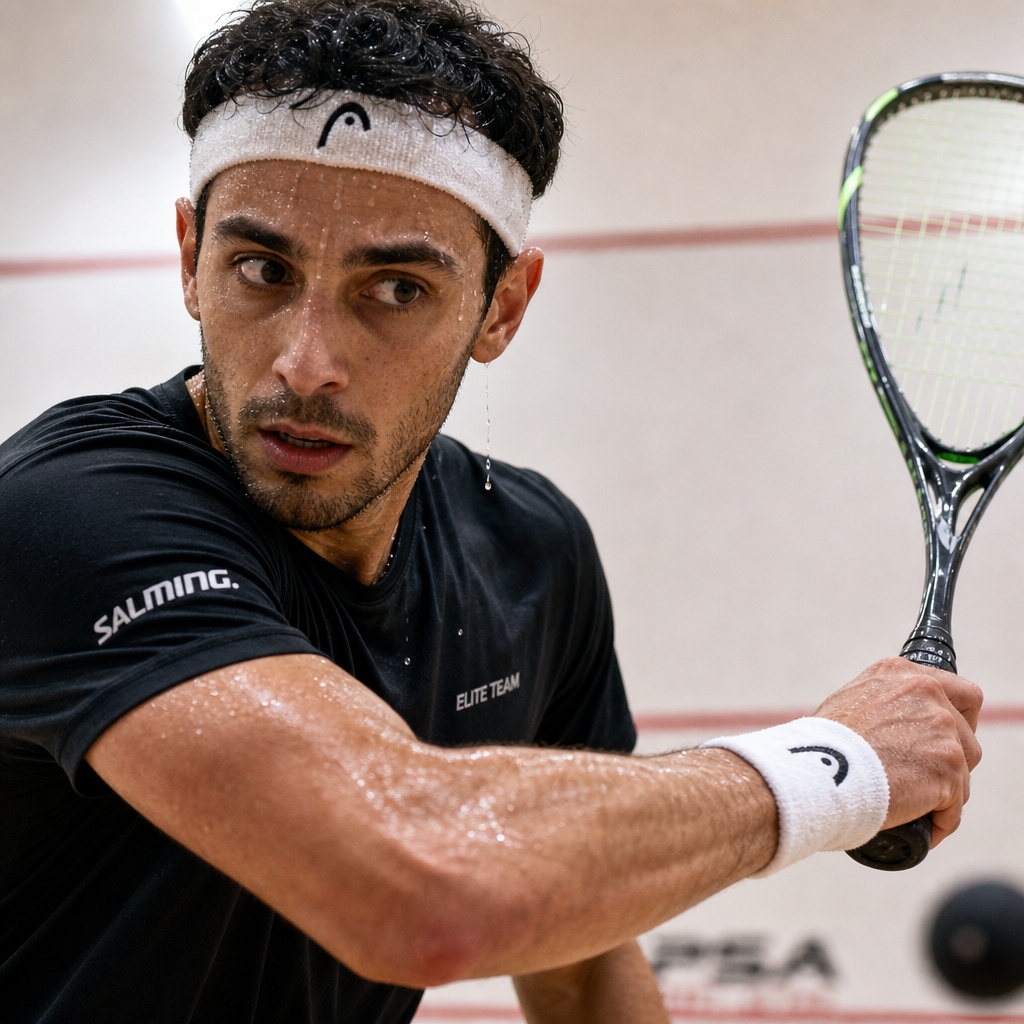

Squash is one of the most physiologically demanding racquet sports on the planet. A competitive match lasting 45 minutes can produce sweat rates that rival a 10km road race, but with one critical difference: you can only drink between games, not during rallies.
Squash courts are enclosed, poorly ventilated, and retain heat generated by two athletes working at near-maximum effort. Unlike outdoor sports where airflow assists cooling, court players rely almost entirely on sweat evaporation. When humidity rises inside the court, that evaporation slows, and core temperature climbs faster.
A common mistake is treating squash like a gym session and drinking only water. Without replacing the sodium, potassium, and magnesium lost in that sweat, players develop cramps in the calves and forearms by the third game. This is not a hydration volume problem. It is an electrolyte deficit problem.
Since drinking mid-rally is impossible, squash players must pre-load effectively. Consuming an electrolyte drink 45-60 minutes before match start, rather than plain water, significantly extends the point at which dehydration impairs decision-making speed. Between games, small sips (150-200ml) of an electrolyte solution are more effective than large volumes of plain water, which can cause gastrointestinal discomfort mid-match.
Pro tip: If you play competitive squash, dissolve an electrolyte tablet into 500ml of water and drink it 45 minutes before your warm-up. Arrive at the court already in positive fluid balance rather than playing catch-up from game one.
Cycling presents a different hydration challenge. The sport allows continuous drinking, which sounds like an advantage, but it also creates complacency. Many cyclists drink according to thirst rather than a scheduled plan, and thirst is a lagging indicator of dehydration. By the time you feel thirsty on a 90-minute ride, you are already behind.
British cyclists frequently underestimate fluid loss on overcast, cool days. The temperature masks how hard the body is working. Riding at moderate intensity in 12-degree Celsius weather still produces 500-700ml of sweat per hour. The wind chill created by cycling speed makes it feel cooler than it is, which suppresses the thirst signal further.
Sodium loss during cycling can be substantial on rides over two hours. Research from Sweat Rate Science indicates that some athletes lose over 1,000mg of sodium per litre of sweat. On a three-hour sportive, that translates to a sodium deficit that no amount of plain water will correct. Plain water dilutes the remaining blood sodium and actually worsens performance.
A practical approach for rides over 75 minutes is to carry one bottle of plain water and one bottle with an electrolyte solution containing sodium, potassium, and magnesium. Alternate between them. This prevents over-supplementation on shorter efforts while ensuring adequate mineral replacement on longer routes.
Pro tip: On UK sportives or multi-hour rides, set a timer on your cycling computer to prompt a drink every 15-20 minutes. Do not rely on thirst. By the time you feel it, you have likely lost 1-1.5% of your body weight in fluid already.

Running is the sport where hydration strategy errors are most visible and most dangerous. Hyponatremia, a condition caused by drinking too much plain water without replacing sodium, is almost exclusively a problem for runners, particularly those completing half marathons, marathons, and ultramarathons.
Public health messaging around hydration has pushed the idea of drinking as much as possible. For runners, this translates to drinking large volumes of water at every aid station, which over a 3-4 hour event can dilute blood sodium to dangerous levels. The solution is not to drink less. It is to ensure what you drink contains adequate sodium.
For most runners up to half marathon distance, the priority electrolytes are sodium (to retain fluid and prevent cramping), potassium (to support muscle contraction), and magnesium (to reduce muscle fatigue). A good electrolyte supplement designed for runners will include all three in meaningful doses, not token amounts.
For runs under 45 minutes, hydration before and after is sufficient for most people. For runs between 45 and 90 minutes, pre-loading with electrolytes 30-45 minutes before starting is the most effective single intervention. For runs over 90 minutes, mid-run electrolyte intake becomes essential, whether through a dissolvable tablet, an electrolyte sachet, or a prepared drink carried in a running vest.
The data consistently shows that runners who take electrolytes before a long run, rather than only during or after, perform better in the final 25% of the distance. This is because they start the run in positive electrolyte balance rather than trying to compensate for an already growing deficit.
Understanding how the demands differ between sports makes it much easier to build a tailored plan rather than guessing. The table below compares the three sports across the most important hydration variables.
Hydration Variable |
Squash |
Cycling |
Running |
|---|---|---|---|
Average sweat rate (per hour) |
1.5-2.0 litres |
0.5-1.0 litres |
0.8-1.5 litres |
Ability to drink mid-session |
Between games only |
Continuously |
At aid stations or carried |
Primary electrolyte concern |
Sodium and potassium |
Sodium |
Sodium and magnesium |
Key hydration timing |
Pre-load essential |
Continuous top-up |
Pre-load plus mid-run for 90+ minutes |
Hyponatremia risk |
Low |
Low-moderate |
High (particularly long distance) |
Environmental factor |
Enclosed, high humidity |
Wind cooling, variable UK weather |
Variable terrain and temperature |
The sports drink market in the UK has historically been dominated by high-sugar formulas. These products were designed around the idea that carbohydrate fuelling and electrolyte replacement should come from the same source. For elite athletes training twice per day, this made sense. For the majority of UK active adults doing 45-90 minute sessions, it does not.
"The evidence is clear that for exercise sessions under 75 minutes, carbohydrate intake provides no measurable performance benefit, while electrolyte replacement remains essential regardless of duration."
British Nutrition Foundation, Sport and Exercise Nutrition resources
A sports drink with no added sugar gives you the electrolytes your sport demands without the 25-40 grams of sugar found in most commercial options. This matters for three practical reasons. First, it removes unnecessary calories from your training nutrition. Second, it avoids the blood sugar spike and subsequent dip that can occur mid-session. Third, it makes the drink suitable for use before, during, and after exercise without worrying about caloric intake.
Plusssz electrolyte formulations are built around exactly this principle. Clean electrolyte delivery without added sugar, designed for active people who want genuine functional benefit rather than a sugary drink dressed up with sport branding. This separates the approach from brands that still lead with sugar content as a performance feature.
A sport-specific hydration plan does not need to be complicated. It needs to be based on the actual demands of your training and competition schedule, not a generic one-size chart.
Drink 500ml of an electrolyte solution 45-60 minutes before your match. Between games, take 150-200ml of the same solution rather than plain water. After the match, rehydrate with at least 1.5 times the volume you estimate you lost, again using an electrolyte drink for the first 500ml.
For rides under 60 minutes, electrolyte water before and after is sufficient. For 60-120 minute rides, carry one electrolyte bottle and drink 150-250ml every 20 minutes. For rides over two hours, include a second electrolyte serving mid-ride and consider a sodium-rich food source like salted nuts if riding without gel support.
Under 45 minutes: hydrate normally before and after, no mid-run requirement for most people. 45-90 minutes: pre-load with electrolytes 30-45 minutes before your run. Over 90 minutes: pre-load plus carry an electrolyte solution or dissolvable tablet in your running vest, targeting 150-200ml every 20-30 minutes. For marathon and ultramarathon distances, sodium intake of 400-600mg per hour of running is a well-supported target.
Plusssz products, including their electrolyte hydration range, fit cleanly into each of these protocols. The no-added-sugar formulation works whether you are pre-loading before squash, topping up on a sportive, or carrying a bottle on a trail run.
Aim for 400-600ml of fluid in the 60-90 minutes before playing, with at least 500ml of that being an electrolyte drink rather than plain water. Arriving at the court already well hydrated means you start in positive balance and can manage the limited drinking windows between games more effectively.
For rides under 60 minutes at moderate intensity in cool UK conditions, your body's existing electrolyte stores are generally sufficient. However, if you are training in consecutive days, doing intervals, or riding in summer warmth, even short sessions warrant an electrolyte drink before and after to support recovery and next-day performance.
The best approach is to pre-load with sodium and potassium 45-60 minutes before the start, use electrolyte drinks rather than plain water at aid stations, and target 400-600mg of sodium per hour across the race. Avoid drinking large volumes of plain water at each station, which is the primary cause of hyponatremia in recreational marathon runners.
Yes, for sessions under 75-90 minutes, a sports drink with no added sugar is as effective as a sugar-containing drink for electrolyte replacement and hydration. The sugar in traditional sports drinks only provides a performance benefit when the session is long enough to deplete glycogen stores. For most training sessions, clean electrolyte delivery without sugar is the smarter choice.
The clearest signs are muscle cramps in the calves, thighs, or forearms during or after exercise, a feeling of excessive fatigue disproportionate to the session intensity, headaches after training, and visible white salt residue on dark sports clothing. All of these indicate meaningful electrolyte loss, not just fluid loss, and respond better to electrolyte replacement than to plain water alone.
The same electrolyte product can work across all three sports, provided it contains sodium, potassium, and magnesium in meaningful doses and contains no added sugar. What differs is the timing, volume, and frequency of use, not necessarily the product itself. A well-formulated electrolyte supplement like those from Plusssz covers the mineral bases that all three sports deplete.
If you play squash, cycle regularly, or run any distance above a 5k, share your current hydration approach in the comments. We would like to hear what is working for you and where you are still running into problems.