You finish a solid session, shower, and then hit a wall. Not tired-in-a-good-way tired. Completely wiped, foggy, and unable to function for the next two hours. A post workout energy crash is not a sign you trained hard enough. It is a sign something in your nutritional strategy is missing. Research published by the British Journal of Sports Medicine confirms that inadequate micronutrient replenishment directly impairs post-exercise recovery and energy restoration. This article breaks down the seven specific reasons this happens and exactly what to do about each one.
Key Insight |
Explanation |
|---|---|
Blood sugar is the primary crash trigger |
Glycogen depletion without prompt carbohydrate refuelling causes sharp blood glucose drops within 30-45 minutes post-exercise. |
Electrolytes matter more than water alone |
Drinking plain water after heavy sweating dilutes sodium levels further, worsening fatigue instead of fixing it. |
B vitamins are consumed during energy production |
B1, B2, B6, and B12 are cofactors in ATP synthesis. High-intensity exercise depletes them faster than a sedentary lifestyle does. |
Magnesium loss through sweat is underestimated |
Athletes can lose up to 20% more magnesium than non-active individuals, directly causing muscle fatigue and poor sleep recovery. |
The 30-minute post-workout window is real |
Muscle glycogen resynthesis is fastest in the first 30 minutes after exercise. Missing this window extends recovery time significantly. |
Cortisol remains elevated without nutritional support |
Vitamin C and zinc help moderate cortisol response post-exercise. Deficiency in either prolongs the catabolic state. |
A multivitamin formulated for active individuals fills specific gaps |
Generic supplements often miss the micronutrients most depleted by exercise. Targeted formulations address the actual deficit. |
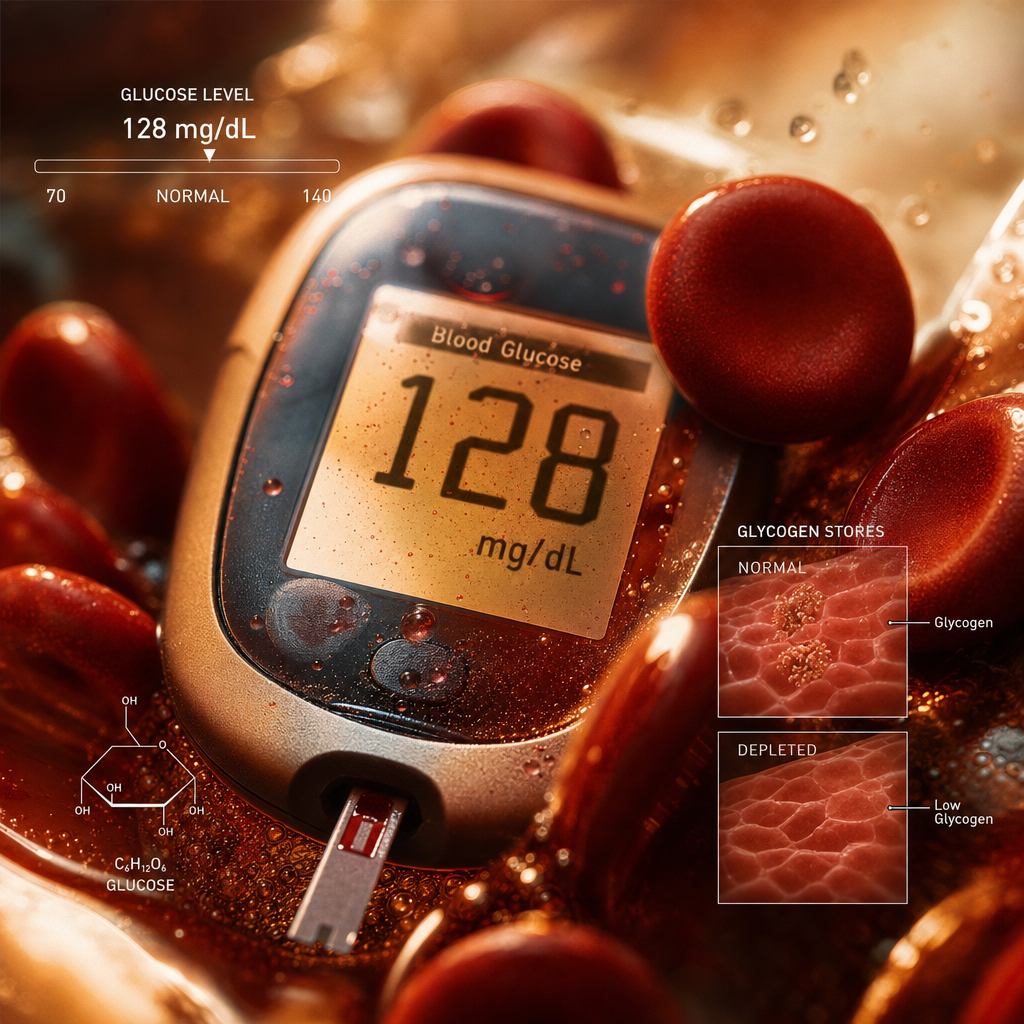
During moderate to intense exercise, your body burns through stored glycogen at a significant rate. A 60-minute run at moderate intensity can deplete 50-60% of muscle glycogen stores. When you stop exercising and do not refuel promptly, blood glucose continues to drop as the body attempts to restore equilibrium. The result is reactive hypoglycaemia, the dizziness, irritability, and exhaustion that hits roughly 30-45 minutes after you finish.
A common mistake is waiting until you feel hungry to eat after a workout. By that point, blood sugar has already crashed. The fix is not complicated: consume a combination of fast-digesting carbohydrates and a moderate amount of protein within 20-30 minutes of finishing. This is not optional if you want to function for the rest of the day.
Pro tip: Pair your post-workout electrolyte drink with a banana or a small serving of oats. The natural sugars in fruit restore blood glucose quickly while the fibre prevents a second spike-and-crash cycle.

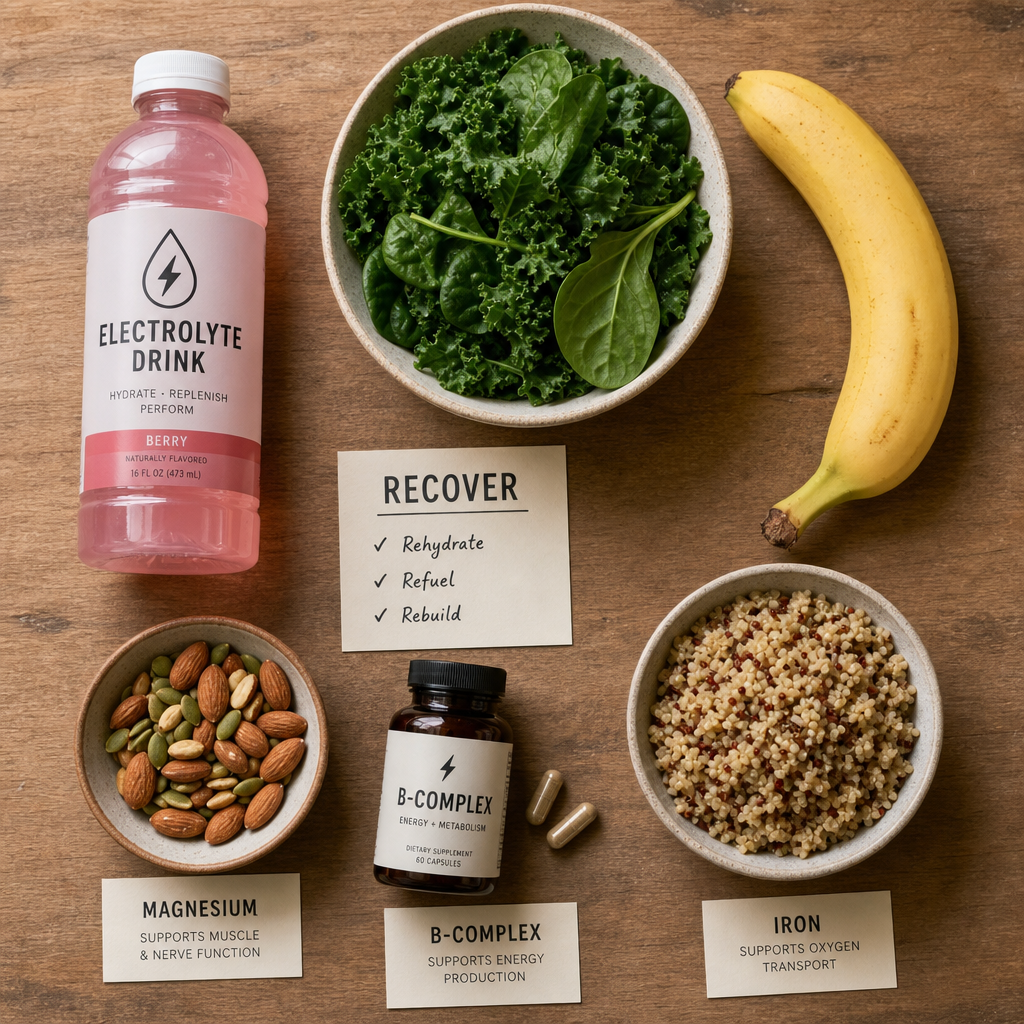
Most people underestimate how much fluid they lose during exercise. In warm conditions or during high-intensity sessions, sweat losses of 1-2 litres per hour are common. But the problem is not just fluid volume. Sweat contains sodium, potassium, magnesium, and chloride. Replacing water without replacing these minerals actively worsens the electrolyte imbalance.
When you drink large amounts of plain water after a heavy sweat session, you dilute the remaining sodium in your bloodstream. This condition, known as hyponatraemia, causes fatigue, headaches, and cognitive impairment. It is a documented problem among endurance athletes and gym-goers who reach for water bottles but skip electrolyte replenishment.
The data consistently shows that drinks containing sodium, potassium, and magnesium restore hydration status and cognitive function faster than water alone. Products designed specifically for electrolyte replenishment, with no added sugar and a precise mineral blend, outperform generic sports drinks for sustained energy restoration. This is exactly where Plusssz electrolyte hydration formulations are built to deliver, with targeted mineral ratios for active individuals rather than one-size-fits-all profiles.
"Electrolyte depletion is one of the most overlooked contributors to post-exercise fatigue. Replenishing minerals alongside fluid is not a performance luxury. It is a basic recovery requirement." - Position statement, European College of Sport Science
B vitamins are not stored in large quantities in the body. They are water-soluble, which means any excess is excreted rather than saved for later. During intense exercise, your demand for B vitamins spikes dramatically because they act as cofactors in the metabolic pathways that convert food into ATP, the molecule your cells use for energy.
Thiamine (B1) supports carbohydrate metabolism. Riboflavin (B2) is essential for the electron transport chain. Pyridoxine (B6) is involved in amino acid metabolism and red blood cell production. Cobalamin (B12) supports both nerve function and red blood cell formation. A deficit in any one of these creates a bottleneck in energy production that no amount of rest will fix on its own.
In practice, many active individuals eating a balanced diet still fall short of optimal B vitamin status during periods of intensive training. This is where vitamins for energy UK products that prioritise B-complex formulations become practically relevant rather than just a marketing angle. The Plusssz multivitamin range includes B vitamins at levels calibrated for active individuals, not the sedentary RDA baseline.
Pro tip: If you train more than four times per week, look for a multivitamin that includes methylcobalamin (the active form of B12) rather than cyanocobalamin. The active form is absorbed and used directly without requiring conversion by the liver.
Magnesium is involved in over 300 enzymatic reactions in the human body. Several of these are directly relevant to what happens after a workout, including muscle relaxation, protein synthesis, and the regulation of blood glucose. Studies from the University of Edinburgh and published in the journal Nutrients confirm that athletes have significantly lower magnesium levels than sedentary populations, even when dietary intake appears adequate.
The reason is simple: sweat. Athletes lose more magnesium through sweat than the standard dietary reference values account for. Low magnesium produces a very specific cluster of symptoms that mirrors a post workout energy crash: muscle weakness, fatigue, poor concentration, and disrupted sleep.
A single training session does not deplete magnesium enough to cause noticeable symptoms. But across a week of training, with inadequate replenishment between sessions, the cumulative deficit builds. By Wednesday or Thursday of a heavy training week, many athletes feel worse than they did on Monday, and magnesium depletion is a significant contributor.
This is why electrolyte products that include magnesium alongside sodium and potassium address a real physiological need, not just a marketing checklist. The ratio matters too. A product that skews heavily toward sodium with minimal magnesium will not resolve this specific component of post-exercise fatigue.
Exercise is a controlled stressor. Your body responds to it like any other physical stress, by releasing cortisol. During a workout, elevated cortisol is appropriate and necessary. It mobilises energy, sharpens focus, and supports performance. The problem begins when cortisol remains elevated after the session ends.
Prolonged post-exercise cortisol elevation keeps the body in a catabolic state, breaking down tissue rather than rebuilding it. It also suppresses immune function and disrupts sleep quality if the session was performed in the evening. The result is that you feel wired but exhausted, unable to sleep properly, and still fatigued the next day.
Vitamin C plays a well-documented role in cortisol metabolism. Research published in the International Journal of Sports Medicine demonstrated that supplementation with vitamin C reduced cortisol levels in marathon runners post-race. Zinc also supports healthy cortisol clearance and testosterone balance after intense exercise. Both are commonly depleted through sweat and urine during heavy training.
A multivitamin for recovery that includes vitamin C at meaningful doses alongside zinc, rather than just trace amounts for label decoration, provides genuine physiological support here. This is a case where the specific formulation of a supplement determines whether it actually works for an active individual or simply meets basic RDA thresholds designed for people who do not train.
Iron is the core component of haemoglobin, the protein in red blood cells that carries oxygen to muscles and organs. During recovery, your muscles need oxygen-rich blood to clear lactate, repair micro-tears, and restore energy substrates. If iron stores are low, this entire process slows down.
Iron deficiency without full anaemia, known as iron depletion, is extremely common in active women and endurance athletes. A 2022 survey by the British Dietetic Association found that up to 27% of female athletes in the UK had suboptimal iron status. The symptoms are almost identical to a post workout energy crash: fatigue, poor concentration, breathlessness, and reduced exercise tolerance.
Non-haem iron (the form found in plant foods and most supplements) is poorly absorbed on its own. Vitamin C dramatically increases absorption, by as much as three to six times when taken simultaneously. This is another reason why the combination of nutrients in a supplement matters more than any single ingredient in isolation.
Women following active lifestyles should pay particular attention to iron status, especially if they experience heavier periods or follow a plant-based diet. The Plusssz women's multivitamin formulation accounts for this by including iron alongside vitamin C in a ratio designed to support absorption rather than simply ticking an ingredient box.
Even if you are consuming the right nutrients in the right amounts, taking them at the wrong time significantly reduces their impact. The first 30 minutes after exercise represent a physiological window during which muscle cells are primed to absorb glucose, amino acids, and electrolytes at an accelerated rate. After 90 minutes, this window largely closes and normal absorption rates resume.
The data consistently shows that athletes who consume protein and carbohydrates within 30 minutes of finishing a session restore glycogen stores up to 2.5 times faster than those who wait two hours. Beyond glycogen, electrolyte replenishment in this window also prevents the prolonged dehydration state that contributes directly to cognitive fatigue and low energy in the hours following exercise.
A common mistake is over-complicating the post-workout routine. In practice, a straightforward protocol works better than elaborate meal planning that falls apart when you are busy. Have your electrolyte drink ready before you start training so it is immediately accessible when you finish. Follow it with a real food meal containing carbohydrates and protein within 60-90 minutes.
For active individuals who train in the morning and have a busy schedule, a dissolving electrolyte tablet in water takes less than 30 seconds to prepare. The convenience factor directly influences compliance, and consistency with the timing protocol matters more than occasional perfect execution followed by missed windows.
Not all approaches to managing a post workout energy crash are equally effective. Below is a direct comparison of the three most common strategies active individuals use and what the evidence actually says about each.
Recovery Approach |
What It Addresses |
Limitations and Gaps |
|---|---|---|
Drinking plain water post-workout |
Replaces lost fluid volume |
Does not replace sodium, potassium, or magnesium. Can worsen electrolyte imbalance if consumed in large amounts without minerals. |
Using a standard high-sugar sports drink |
Restores blood glucose quickly and provides some electrolytes |
High sugar content causes secondary blood glucose spike and crash. Often contains minimal magnesium. Not suitable for individuals managing sugar intake. |
Using a no-added-sugar electrolyte product combined with a targeted multivitamin |
Replaces minerals lost through sweat, supports B vitamin and micronutrient status, moderates cortisol response, and improves iron absorption |
Requires choosing a formulation calibrated for active individuals rather than a generic RDA-based product. Slight higher cost than plain water. |
The third approach consistently outperforms the others in practice for individuals training more than three times per week. The investment in a quality electrolyte and multivitamin combination is significantly lower than the productivity and performance cost of a two-hour post-workout crash every session.
Sleep quality is only one factor in post-workout energy. If you are depleted in electrolytes, B vitamins, or magnesium, you will still experience a significant energy crash regardless of how many hours you slept. The crash is a nutritional signal, not just a recovery signal. Addressing specific micronutrient deficits is often the missing piece for individuals who already prioritise sleep.
Consume a fast-absorbing carbohydrate source alongside an electrolyte drink immediately. A banana and a dissolved electrolyte tablet in 500ml of water is an effective combination. This addresses blood glucose and electrolyte depletion simultaneously. Avoid caffeine as a first response because it masks the crash without resolving the underlying nutritional deficit and often worsens the secondary drop.
They are effective when formulated correctly and taken consistently. The key distinction is whether the product uses active forms of vitamins (such as methylcobalamin for B12) and doses calibrated for active individuals rather than sedentary RDA baselines. Generic supermarket multivitamins often use cheaper, less bioavailable forms of B vitamins that are poorly absorbed. Products designed specifically for active lifestyles, like those from Plusssz, address the actual micronutrient gaps that exercise creates.
A multivitamin for recovery is formulated around the specific micronutrients depleted by exercise rather than the general population baseline. This typically means higher levels of B vitamins, magnesium, vitamin C, and zinc, alongside iron for women. A standard multivitamin designed for a sedentary adult addresses different priorities and will not adequately cover the depletion patterns created by regular training.
No. Electrolyte drinks primarily address mineral and hydration balance, which is critical but covers only part of the nutritional gap created by exercise. Vitamins such as B12, B6, vitamin C, and vitamin D are not present in meaningful amounts in electrolyte products. Both serve distinct functions in recovery and work best together rather than as substitutes for each other.
Most active individuals notice a meaningful reduction in post workout energy crash symptoms within one to two weeks of consistent electrolyte replenishment and multivitamin supplementation. Magnesium and B vitamin levels normalise relatively quickly with daily intake. Iron status, if significantly depleted, takes longer, often six to eight weeks, because red blood cell production cycles operate on a longer timescale.
Have you experienced a post workout energy crash and found a specific nutritional change that made a real difference? Share what worked for you in the comments.