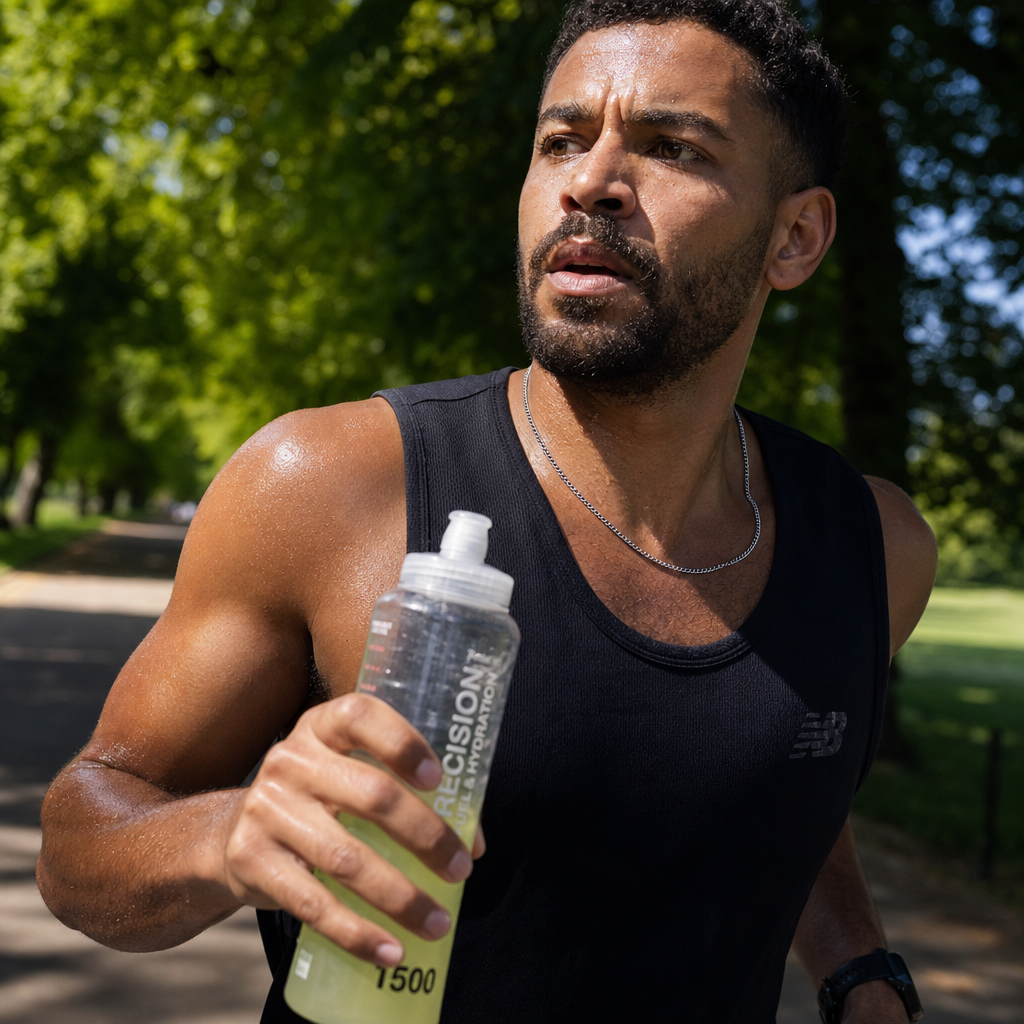
Most UK athletes underestimate how quickly dehydration sets in during a British summer. You do not need a Mediterranean heatwave to be in trouble. Research from the European Journal of Applied Physiology confirms that fluid losses as small as 2% of body weight reduce endurance performance by up to 10%. For anyone training outdoors in July or August in the UK, where humidity often compounds the effect of moderate heat, that threshold is easier to hit than you think. These summer hydration tips UK athletes actually need go well beyond "drink more water."
Key Insight |
Explanation |
|---|---|
2% fluid loss hurts performance |
Losing just 2% of body weight through sweat measurably reduces endurance output, reaction time, and perceived effort tolerance. |
UK humidity amplifies heat stress |
Even at 22-25°C, high humidity in the UK slows sweat evaporation and makes heat dissipation less efficient, increasing dehydration risk during outdoor sessions. |
Sodium is the critical electrolyte for summer sport |
Sodium drives fluid retention at the cellular level. Without adequate sodium, drinking more water simply increases urine output rather than hydrating muscle tissue. |
Thirst is a lagging indicator |
By the time you feel thirsty during a summer run or cycle, you are already 1-1.5% dehydrated. Proactive sipping beats reactive drinking every time. |
No-added-sugar formulas suit regular training better |
High-sugar sports drinks cause glycaemic spikes that are counterproductive for sub-90-minute sessions. Electrolyte blends without added sugar maintain hydration without excess calories. |
Pre-hydration matters as much as in-session intake |
Starting a summer workout in a hydrated state reduces the rate at which performance degrades. Aim for pale straw-coloured urine before you head out. |
Magnesium and potassium support muscle function in heat |
Cramps during summer training are often a combined deficit of magnesium, potassium, and sodium, not just sodium alone. Multivitamin and electrolyte combinations address all three. |
British athletes are conditioned to think of heat as a southern European problem. The reality is that the UK's temperate summer, typically 18-28°C with moderate to high relative humidity, creates conditions where the body works hard to cool itself but sweat does not evaporate quickly. The result is sustained thermal stress even at temperatures that would feel mild in Spain.
Sweat rate during moderate-intensity exercise in these conditions typically runs between 0.5 and 1.5 litres per hour. For a 70 kg runner doing an hour-long track session on a humid July afternoon in Manchester or London, that easily means 1 litre lost before they have had their post-session protein shake. The problem is compounded when athletes move from air-conditioned offices straight into outdoor training, with no acclimatisation period at all.
Research from the UK Sports Institute consistently shows that athletes who spend even 5-7 days gradually increasing training intensity in warm conditions develop improved plasma volume and reduced core temperature responses. In practice, this means easing into outdoor summer sessions rather than attempting a hard interval session on the first hot day of the year.
For most recreational athletes in the UK, acclimatisation is simply not practical. That makes proactive electrolyte supplementation and structured hydration timing more important, not less. You cannot always adapt your environment, but you can adapt your fuelling strategy.
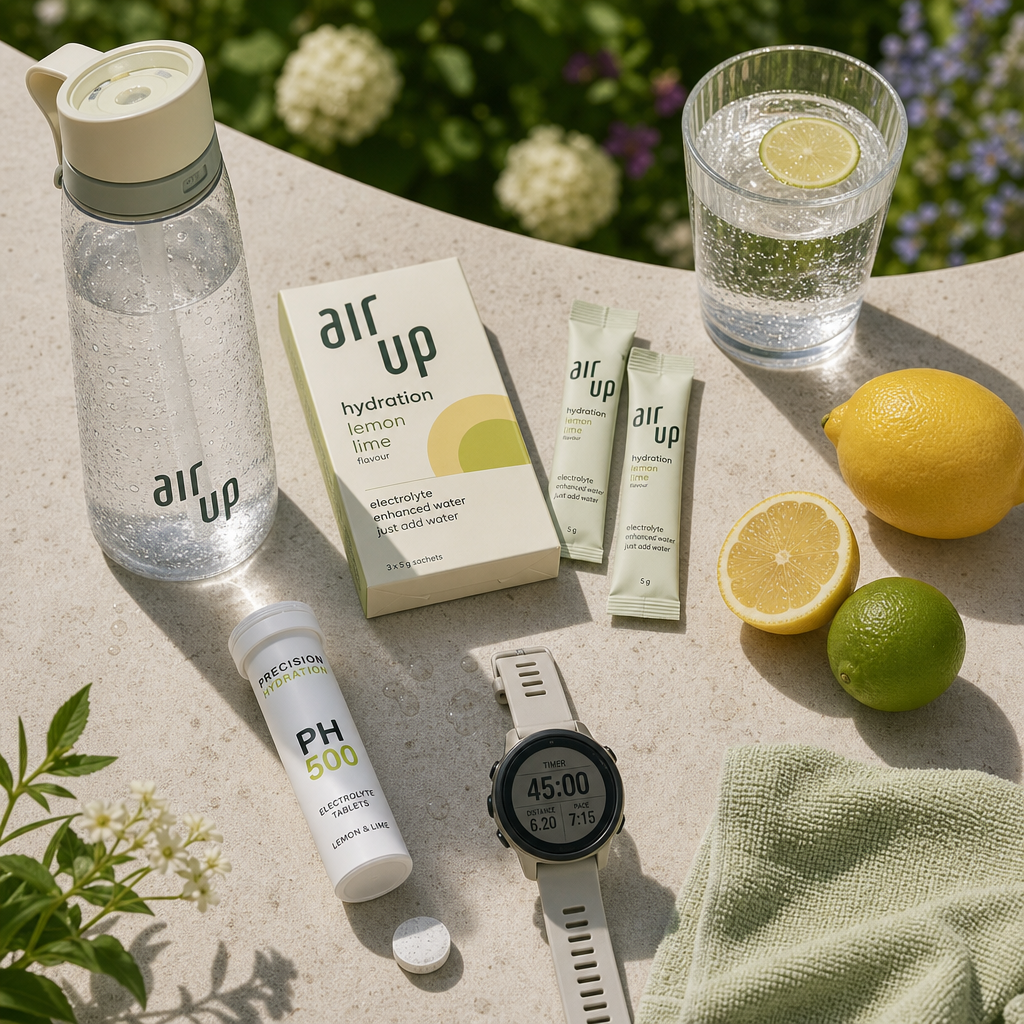
The data consistently shows that plain water is an incomplete hydration solution for any exercise session lasting more than 45-60 minutes in warm conditions. This is not a supplement industry talking point. It is basic exercise physiology. When you sweat, you lose sodium, potassium, magnesium, and chloride alongside water. Replacing the water without replacing the electrolytes dilutes remaining electrolyte concentrations in blood plasma, a condition called hyponatraemia in extreme cases, and reduced neuromuscular efficiency in mild cases.
Sodium is the master electrolyte for hydration. It regulates the osmotic pressure that determines how much fluid your cells actually absorb versus excrete. Without sufficient sodium, the water you drink passes through rather than hydrating working muscle tissue. This is why athletes who drink large volumes of plain water during summer events still feel sluggish and cramped: they have diluted rather than replenished.
These two minerals are often overlooked in standard sports drinks, but they are critical to summer performance. Potassium works alongside sodium to maintain the electrical gradients that drive muscle contraction. Magnesium supports over 300 enzymatic reactions, many of which are involved in energy metabolism and muscle relaxation. Deficiency in either is directly linked to the muscle cramps that plague cyclists and runners during August sportives and charity runs.
"Electrolyte imbalances, not dehydration alone, are the primary driver of exercise-associated muscle cramps in recreational athletes. Sodium, potassium, and magnesium all require attention during prolonged warm-weather exercise." - Journal of the International Society of Sports Nutrition
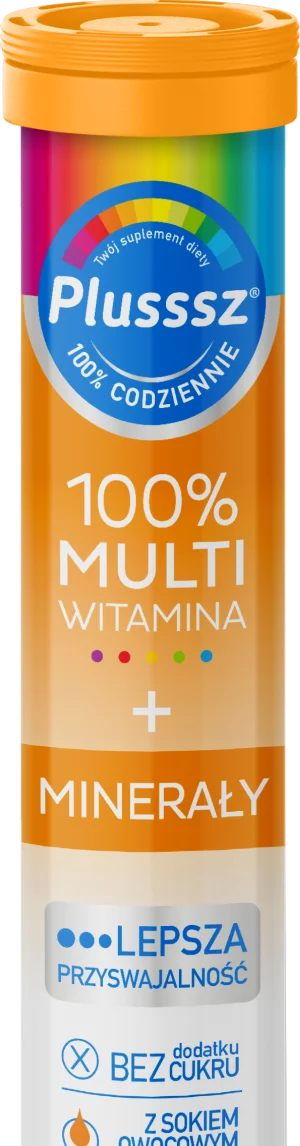
A well-formulated electrolyte product, such as the hydration blends from Plusssz UK's electrolyte range, addresses all three major minerals without added sugar, making them suitable for daily training sessions rather than just race day use.
Pro tip: If you are cramping regularly during summer sessions despite drinking plenty of water, add a magnesium-containing electrolyte sachet to your pre-training routine for five days and monitor the difference. Most athletes notice a reduction in frequency within that window.
There is no universal formula, but there are evidence-based targets that work for the vast majority of active people. The American College of Sports Medicine recommends starting exercise with a urine colour of pale straw (approximately 6 on the standard 8-point urine colour chart), consuming 150-350 ml every 15-20 minutes during exercise, and replacing 150% of sweat losses in the 4-6 hours after training.
In UK summer conditions, those targets shift upward. A practical framework that works well for most active people:
A common mistake is treating post-training hydration as optional because the session is over. Recovery hydration directly affects next-day performance. Athletes who begin their next session already 1-2% dehydrated from the previous day's incomplete recovery will notice it in their pace, power output, and perceived effort within the first 20 minutes.
Pro tip: Weigh yourself before and after a one-hour summer session. Every kilogram lost represents approximately 1 litre of fluid deficit. This single measurement is more accurate than any hydration app for understanding your personal sweat rate.
Not every hydration product on the market is designed for the same purpose. Understanding the difference helps you pick the right tool for the specific session you are doing, rather than defaulting to whatever is in your kit bag.
Approach |
Best For |
Key Limitation in Summer UK Training |
|---|---|---|
Plain Water |
Low-intensity sessions under 45 minutes in mild conditions |
Does not replace electrolytes lost through sweat. Can dilute plasma sodium during longer sessions, reducing performance and increasing cramp risk. |
High-Sugar Sports Drinks (e.g., typical isotonic formats from mainstream brands) |
Endurance events over 90 minutes where carbohydrate energy is also needed |
Excess sugar is unnecessary for moderate-intensity training and contributes to calorie surplus. High sugar content can also cause gastrointestinal discomfort in heat. |
No-Added-Sugar Electrolyte Blends (e.g., Plusssz UK hydration formulas) |
Daily training sessions of 45-90 minutes, gym work, cycling, running, group fitness in warm weather |
Does not provide carbohydrate energy for very long endurance events. Should be paired with food fuelling for sessions over 90 minutes. |
The honest assessment: high-sugar isotonic drinks have their place in ultra-endurance and race-day contexts. For the majority of active people doing four to six training sessions per week in summer, a no-added-sugar electrolyte product is both more appropriate and better for body composition goals. Plain water alone is simply insufficient once the temperature rises and sessions extend beyond a comfortable stroll.

Mistakes in summer fuelling tend to cluster into predictable patterns. Identifying yours is the first step to fixing it.
Caffeine is a mild diuretic. In cool conditions, the performance benefits outweigh the minor fluid loss. In summer, the equation changes. Starting a hot outdoor session after a high-caffeine pre-workout amplifies fluid losses at a point when you can least afford them. If you use a pre-workout product in summer, pair it explicitly with an additional 300-500 ml of water or electrolyte fluid before you begin.
A common mistake is treating hydration as a training-day concern only. On hot summer days, even sedentary activity generates sweat losses. Athletes who fully deplete on a rest day and then attempt a hard session the next morning start that session already behind. Maintain a baseline electrolyte intake of at least one serving on non-training days during summer months.
Gym environments in the UK are notoriously warm in summer, particularly in smaller commercial gyms without adequate air conditioning. A 45-minute weights session in a 26°C gym produces sweat losses comparable to a moderate outdoor run. Treat indoor summer sessions with the same hydration protocol as outdoor ones.
Seniors and women have additional considerations here. Thermoregulatory efficiency declines with age, and hormonal fluctuations across the menstrual cycle affect both fluid regulation and electrolyte balance. Specialist formulations designed for these demographics, such as the targeted blends available in Plusssz UK's multivitamin and mineral range, account for these differences in ways a generic sports drink does not.
The supplement market is saturated with hydration products making broad claims. The practical question is whether the formula actually delivers what your specific training and physiology require. Here is what to look for, and what to ignore.
Any electrolyte product worth using in summer training should include sodium (at least 200-500 mg per serving), potassium (at least 100-200 mg), and ideally magnesium. Products that list only sodium and flavouring are nutritionally incomplete for warm-weather use. The sodium-to-potassium ratio matters because both minerals work together in cellular fluid regulation.
No added sugar is a meaningful distinction. Some products labelled "low sugar" still contain 5-8 g of sugar per serving, which adds up quickly across multiple daily servings during a heavy training week. For athletes monitoring body composition, or those with blood sugar sensitivities, genuinely sugar-free electrolyte formulas are the appropriate choice. Plusssz UK's electrolyte products are formulated specifically without added sugar, which places them in a different category to standard isotonic drinks from brands oriented primarily toward race-day fuelling.
Not all mineral forms are equally bioavailable. Magnesium oxide, for example, is cheap to include but poorly absorbed. Magnesium citrate or bisglycinate forms offer significantly better assimilability. The same principle applies to zinc and B vitamins in multivitamin formulations. When evaluating any supplement for summer training support, check which form of each mineral is used, not just whether it appears on the label.
For active individuals who also want comprehensive micronutrient support alongside hydration, pairing a well-formulated electrolyte product with a sport-specific multivitamin covers the full spectrum of depletion that summer training generates. This combination approach is more targeted than relying on a single product to do everything.
For most active people doing 4-6 sessions per week in summer, one electrolyte serving per training session is a sensible baseline. On particularly hot days or during sessions lasting over 90 minutes, two servings split across the session and recovery window is appropriate. On rest days, one serving in the morning covers the background losses from daily heat exposure.
Dietary sodium intake through food is a valid long-term strategy, but it is impractical as an in-session or immediate pre-session intervention. You cannot meaningfully adjust plasma sodium levels by eating crisps 20 minutes before a run. Electrolyte supplements deliver sodium in a soluble, rapidly absorbed form that food cannot replicate with the same timing precision.
Yes, in many cases. Post-exercise headaches after hot-weather sessions are frequently a symptom of combined fluid and electrolyte depletion rather than simple dehydration. Drinking plain water after these sessions can temporarily worsen the symptom by further diluting plasma sodium. Rehydrating with an electrolyte-containing drink rather than plain water typically resolves these headaches faster and more reliably.
For active individuals, yes. Daily electrolyte use during a UK summer is sensible for anyone exercising four or more times per week, working in physically demanding jobs, or spending extended time outdoors. No-added-sugar formulas are particularly appropriate for daily use because they do not contribute meaningless caloric load. The concern about over-supplementing electrolytes applies primarily to people with kidney conditions, for whom medical guidance is advisable.
The underlying physiology of fluid regulation is similar, but hormonal differences create meaningful variation. Research published in the Journal of Applied Physiology found that women in the luteal phase of the menstrual cycle have higher core temperatures and altered sodium regulation compared to other cycle phases. This means hydration and electrolyte needs fluctuate across the month. Supplement formulations specifically developed for women, accounting for these hormonal dynamics, offer more targeted support than unisex products.
Isotonic drinks match the concentration of fluids in your blood and are absorbed at a moderate rate, making them suitable for during-exercise use. Hypotonic drinks are more dilute and absorb faster, making them better for rapid rehydration before or during hot sessions. Hypertonic drinks are more concentrated and absorb slowly, more appropriate for energy delivery in endurance contexts. For the majority of summer training sessions in the UK, a hypotonic or isotonic no-added-sugar formula is the most practical choice.
If you have a specific summer hydration protocol that has worked for your training, share it in the comments below as this community benefits most when real athletes compare what actually works in practice.