Most people underestimate how quickly dehydration sets in during exercise. Losing just 2% of your body weight in fluid is enough to impair performance, and research from the American College of Sports Medicine confirms that cognitive function and endurance both decline well before thirst kicks in. If you train regularly and rely on thirst as your hydration cue, you are already behind. Understanding the real dehydration symptoms exercise produces, and knowing exactly how to correct them, is one of the most practical things any active person can do.
Key Insight |
Explanation |
|---|---|
Thirst is a late signal |
By the time you feel thirsty during exercise, you have likely already lost 1-2% of body weight in fluid, enough to reduce endurance and focus. |
Urine colour is a reliable check |
Pale straw yellow indicates good hydration. Dark amber or brown before a session means you are starting dehydrated. |
Muscle cramps signal electrolyte loss |
Cramping during exercise is rarely caused by water loss alone. Sodium and magnesium depletion are the more common culprits. |
Sugar-free electrolytes outperform plain water for sessions over 60 minutes |
Plain water dilutes remaining sodium in the blood during prolonged effort, slowing rehydration. Electrolyte drinks restore mineral balance directly. |
Headaches mid-session are a red flag |
Exercise-induced headaches are frequently a dehydration symptom rather than a structural issue. Address fluid intake before assuming other causes. |
Pre-hydration matters as much as during-exercise hydration |
Arriving at a session already hydrated gives you a buffer. Aim for 500ml of water in the two hours before training. |
Electrolyte drinks with no added sugar suit most training needs |
For sessions under 90 minutes, an electrolyte drink with no added sugar provides mineral replenishment without unnecessary calories or blood sugar spikes. |
The common assumption is that dehydration becomes a problem only during extreme heat or marathon-level exertion. In practice, it sets in during ordinary gym sessions, weekend football matches, and cycling commutes. The body loses fluid through sweat, breath, and even cellular metabolism, and that fluid carries electrolytes, not just water.
Research published in the Journal of Athletic Training found that athletes who began exercise even mildly dehydrated, defined as a 1% body weight fluid deficit, showed measurable decreases in strength, speed, and reaction time. For a 75kg person, that is less than a single kilogram of fluid.
The problem compounds when people replace lost fluid with drinks that do nothing to restore electrolyte balance. Drinking plain water in large quantities after heavy sweating can actually dilute blood sodium levels, a condition called hyponatraemia, which causes its own set of symptoms including nausea and confusion.
Recognising dehydration symptoms exercise produces at an early stage is the difference between a minor correction and a forced rest day. The body communicates fluid stress in a specific sequence, and learning that sequence saves performance.
The first physical signals tend to be subtle. A dry or sticky mouth during exercise, a slight increase in perceived effort despite maintaining the same pace, and reduced sweat rate are among the earliest indicators. Many athletes interpret these as normal fatigue rather than hydration issues.
Decreased urine output before or after a session is also telling. If you are training hard but producing very little urine, or if it is noticeably darker than usual, you are running a deficit. The NHS recommends aiming for pale straw-coloured urine as a baseline indicator of adequate hydration.
A common mistake is to attribute mental fog, irritability, or difficulty maintaining workout focus to poor sleep or stress. These are frequently early dehydration symptoms, particularly during exercise sessions lasting more than 45 minutes. The brain is approximately 75% water, and even minor fluid loss affects concentration and decision-making.
If you notice your form slipping or your mental motivation dropping sharply mid-session, check whether you have consumed any fluid in the past 30 minutes. The answer is often no.
Pro tip: Keep a 750ml bottle at your training station and set a timer to drink 150-200ml every 20 minutes during moderate-intensity sessions. This removes the guesswork of waiting to feel thirsty.
When early signs are missed or dismissed, dehydration progresses rapidly during sustained physical effort. At a 3-5% body weight fluid deficit, symptoms become significantly more serious and performance collapses.
Advanced dehydration symptoms during exercise include severe muscle cramping, pounding headaches, dizziness or lightheadedness, heart palpitations, and a feeling of nausea. Skin that stays tented when pinched, rather than springing back immediately, is a clinical sign of significant dehydration. Any combination of these signals requires stopping the session immediately.
Heat exhaustion, which is closely linked to dehydration in warm environments, adds symptoms like excessive sweating followed by a sudden cessation of sweating, pale or clammy skin, and rapid shallow breathing. These require medical attention, not just a rest and a drink.
"Dehydration of as little as 2% of body weight has been shown to impair aerobic performance, reduce strength, and compromise decision-making. Most athletes do not notice it until it is already affecting them." - American College of Sports Medicine Position Stand on Exercise and Fluid Replacement
Speed of correction matters. The longer you remain in a dehydrated state during exercise, the more performance degrades and the longer post-session recovery takes. The fix involves two things: replacing fluid volume and restoring electrolyte balance, in that order of priority.
If you identify dehydration symptoms mid-session, the first step is to reduce exercise intensity rather than stopping completely, unless symptoms are severe. Drink 200-300ml of an electrolyte solution every 10-15 minutes rather than gulping large quantities at once. Large boluses of fluid consumed quickly can cause GI discomfort, particularly during high-intensity effort.
An electrolyte drink no sugar formulation is the practical choice here. It delivers the sodium, potassium, and magnesium the body needs without adding a glycaemic load that spikes blood sugar mid-session.
Post-exercise rehydration requires replacing approximately 150% of the fluid lost during the session. A practical rule: weigh yourself before and after training. Every kilogram lost represents roughly one litre of fluid. For a 1.5kg loss, drink 2.25 litres over the two to three hours following exercise, not all at once.
Pairing fluid replacement with a sodium-containing electrolyte product accelerates cellular water absorption and reduces the risk of over-diluting blood sodium. This is where a quality sports hydration UK product earns its place in a training kit.
Pro tip: If you train early in the morning, rehydrating before bed the night prior is just as important as morning hydration. Sleep itself causes fluid loss through respiration, and morning training on an under-hydrated body compounds the deficit immediately.
The debate between plain water and electrolyte drinks gets oversimplified constantly. The answer is not one or the other. It depends entirely on session duration, intensity, and sweat rate.
For sessions under 45 minutes at moderate intensity, plain water is sufficient for most people in a temperate climate. The electrolyte losses from a short session can easily be offset by a balanced post-exercise meal.
For sessions between 45 and 90 minutes, and any session performed in heat or at high intensity, an electrolyte drink delivers meaningfully better outcomes. The data consistently shows that sodium, in particular, drives thirst signalling and fluid retention at the cellular level. Without adequate sodium replacement, the kidneys simply excrete the excess water you drink, meaning you hydrate less efficiently.
For endurance sessions exceeding 90 minutes, electrolyte replacement is not optional. It is the difference between completing the session well and hitting a wall. A formula with no added sugar removes the unnecessary caloric load while still delivering the mineral balance the body requires.
The UK sports hydration market is crowded with products that prioritise flavour and branding over functional formulation. Knowing what to look for cuts through the noise quickly.
The essential electrolytes in any serious hydration product are sodium, potassium, magnesium, and chloride. Sodium is the most critical for fluid retention and should appear in amounts between 400-1000mg per litre of prepared drink, depending on session intensity and sweat rate. Products that list sodium below 200mg per litre are essentially flavoured water.
Magnesium deserves particular attention for active individuals. It plays a direct role in muscle contraction, nerve function, and energy metabolism. Deficiency is common in athletes and contributes to cramps, fatigue, and poor recovery, all of which overlap with dehydration symptoms during exercise.
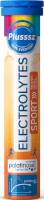
At Plusssz, the electrolyte formulations are built around this functional logic: no added sugar, clearly dosed minerals, and bioavailable forms of each nutrient rather than the cheapest available compound. This is the distinction between a product designed for active bodies and one designed for a general consumer looking for a flavoured drink. If you are comparing options in the sports hydration UK space, reading the actual mineral content per serving rather than the marketing copy on the front of the pack is the most reliable filter.
Not all hydration approaches are equal, and choosing the right one for your training type makes a practical difference. The table below compares the three most common approaches used by active individuals in the UK.
Hydration Approach |
Best Suited For |
Key Limitation |
|---|---|---|
Plain water only |
Sessions under 45 minutes, low sweat rate, temperate conditions |
Does not replace electrolytes. Drinking large volumes can dilute blood sodium, slowing rehydration. |
Sugar-based sports drinks (e.g. traditional isotonic formulas from Science in Sport or High Five) |
Endurance events over 90 minutes requiring simultaneous carbohydrate fuelling |
High sugar content is counterproductive for sessions where carbohydrate fuelling is not needed. Causes blood sugar spikes and can contribute to GI distress. |
Electrolyte drink no sugar (e.g. Plusssz electrolyte formulas) |
Sessions of 45-90 minutes, everyday hydration, individuals managing calorie intake or blood sugar |
Does not provide carbohydrate energy, so endurance athletes in very long events may need to pair with a separate fuel source. |
The earliest dehydration symptoms during exercise include a dry or sticky mouth, a noticeable drop in energy despite maintaining the same effort level, reduced sweat output, and difficulty maintaining focus. Many athletes dismiss these as normal fatigue, but they are reliable early indicators that fluid and electrolyte intake needs to increase immediately.
A practical starting point is 150-250ml every 15-20 minutes during moderate intensity exercise. For sessions in warm conditions or at high intensity, this should increase to 300ml every 15 minutes. Weigh yourself before and after training to calculate actual sweat losses and calibrate your intake over time.
For sessions over 45-60 minutes, yes. Sodium in electrolyte drinks drives cellular fluid absorption and stimulates the thirst response, meaning you retain more of what you drink and are prompted to drink more before you fall into deficit. Plain water consumed in large amounts during prolonged exercise can actually lower blood sodium concentration, slowing rehydration at the cellular level.
Yes, though the mechanism is more specific than simply losing water. Muscle cramps during exercise are strongly associated with sodium and magnesium depletion rather than pure fluid loss. This is why drinking plain water does not always resolve exercise-induced cramping, while an electrolyte drink containing adequate sodium and magnesium typically does.
Effective rehydration after intense exercise takes two to three hours when done correctly. The target is to replace 150% of the fluid lost, which accounts for ongoing losses through urine and metabolism. Spacing this intake over the recovery window rather than drinking it all at once improves absorption and prevents the kidneys from simply excreting the excess as dilute urine.
Yes. Drinking excessive plain water during prolonged exercise without replacing sodium can cause hyponatraemia, a condition where blood sodium concentration drops dangerously low. Symptoms include nausea, headache, confusion, and in severe cases seizure. This is uncommon in recreational exercise but is a real risk in endurance events lasting several hours where athletes drink beyond thirst using plain water only.
Have you noticed specific dehydration symptoms during your training sessions, or do you have a hydration routine that has made a real difference? Share your experience in the comments below.