Most active people in the UK are losing more than they realise during training. You sweat out sodium, potassium, magnesium, and chloride at rates that plain water simply cannot replace. Research published by the European Journal of Applied Physiology shows that even a 2% drop in hydration levels can reduce athletic performance by up to 20%. And yet the standard advice remains "drink more water" as if the minerals dissolved in that water do not matter. This guide cuts through the noise and explains exactly why electrolyte supplements UK users are reaching for have become a genuine performance tool rather than a marketing gimmick.
Key Insight |
Explanation |
|---|---|
Water alone is not enough during intense exercise |
Sweat contains sodium, potassium, and magnesium. Replacing only fluid without minerals leads to dilutional hyponatraemia, a dangerous drop in blood sodium. |
Sodium is the most critical electrolyte for performance |
Sodium regulates fluid balance across cell membranes and drives the absorption of glucose and water in the intestine. Without it, hydration stalls. |
Sweat rate varies dramatically between individuals |
Some athletes lose up to 2 litres of sweat per hour in warm UK conditions. A one-size-fits-all hydration plan is almost always wrong. |
No-added-sugar formulas matter more than most people think |
High-sugar sports drinks can spike insulin and cause GI distress during prolonged effort. Clean electrolyte formulas sidestep this problem entirely. |
Electrolyte needs increase with age |
After 50, kidney function becomes less efficient at retaining sodium and potassium, making supplementation more relevant for older active adults. |
Pre-hydration is as important as in-exercise hydration |
Starting a session already depleted means you spend the first 30 minutes catching up rather than performing. Loading electrolytes beforehand changes the outcome. |
UK climate is deceptive for hydration needs |
Cool, grey weather masks significant sweat losses. Many UK athletes chronically under-hydrate because they do not feel hot enough to drink. |
Electrolytes are minerals that carry an electrical charge when dissolved in fluid. The main ones relevant to athletic performance are sodium, potassium, magnesium, calcium, and chloride. Every muscle contraction, nerve signal, and fluid transfer in your body depends on these charged particles moving correctly across cell membranes.
A common mistake is treating electrolytes as a recovery supplement, something you take after the fact. In practice, electrolytes are operational. They are working constantly during exercise to keep muscles firing, regulate core temperature through sweat, and maintain blood pressure as your heart rate climbs.
The data consistently shows that sodium is the electrolyte lost in the greatest quantity through sweat, typically between 500 and 1500 mg per litre depending on the individual. Potassium follows, then magnesium. This is why a complete electrolyte formula targets all three rather than relying on a single mineral.


Sodium holds water in the extracellular space and powers the sodium-potassium pump that drives nutrient uptake. Without adequate sodium, fluid simply passes through your gut rather than being absorbed. Potassium works inside the cell, maintaining electrical gradients that allow nerves and muscles to function. Magnesium supports over 300 enzymatic reactions including ATP production, which is essentially the cellular energy currency used in every rep and every stride.
Calcium is critical for the actual contraction mechanism in muscle fibres. A shortage does not just cause cramps. It reduces the force output of every contraction, meaning your training intensity drops before you even notice you are depleted. Chloride partners with sodium to maintain fluid and acid-base balance, which matters especially during high-intensity efforts that produce lactic acid.
The most obvious sign is muscle cramping, but that is actually a late-stage symptom. By the time you are cramping mid-run, you have been electrolyte-depleted for a while. Earlier indicators include headaches after training, unusual fatigue that does not improve with rest, difficulty concentrating, and a persistent feeling of thirst even after drinking water.
Many UK athletes attribute these symptoms to overtraining, poor sleep, or stress. In practice, the root cause is often electrolyte imbalance. A simple intervention with a quality electrolyte supplement resolves symptoms that have been written off for months.
Endurance athletes, specifically runners, cyclists, and open-water swimmers, face the highest sodium losses because sessions run long enough for cumulative sweat losses to become significant. HIIT and CrossFit athletes lose electrolytes quickly due to intensity and elevated core temperature. Even yoga practitioners who do hot sessions lose significant magnesium and potassium through prolonged perspiration.
For gym-focused individuals, magnesium depletion is particularly common because it is also depleted through stress and poor sleep, both of which often accompany a heavy training schedule. Supplementing magnesium alone helps many people, but a complete electrolyte formula addresses the full picture rather than patching one gap.
Pro tip: If you are waking up with leg cramps at night, this is a strong signal that your daytime electrolyte intake is insufficient, not just a sign of overworking a muscle. Address the mineral deficit first before assuming a structural cause.
The most important principle in hydration for sport is this: fluid absorption requires sodium. The co-transport mechanism in the small intestine uses sodium to pull water and glucose across the gut wall. No sodium means slower, less efficient hydration regardless of how much water you consume.
This is not a controversial claim. It is the biochemical basis for oral rehydration therapy, the same science used in clinical settings to treat dehydration. Sports nutrition has applied this principle for decades, but a surprising number of products on the market either underdose sodium or remove it entirely in favour of taste.
"The gastrointestinal tract can absorb 800 to 1000 ml of fluid per hour during exercise. That ceiling is largely determined by the sodium concentration of the drink rather than the volume consumed." Journal of the International Society of Sports Nutrition
Traditional sports drinks use high sugar content to mask the taste of sodium and to provide quick energy. The problem is that a high osmolarity drink, one with concentrated sugar, actually slows gastric emptying. Your stomach holds onto the contents longer, which delays hydration delivery to working muscles.
A no-added-sugar electrolyte formulation avoids this entirely. It delivers the sodium and mineral load without the osmolarity burden, allowing faster absorption. For events lasting over 90 minutes, this difference is measurable in performance outcomes. For everyday active individuals, it means less GI discomfort and a cleaner energy curve without the sugar crash.
UK weather rarely pushes people to drink aggressively. A 15-degree overcast day still produces significant sweat losses during a 60-minute run, but without the heat cue, most people dramatically underestimate how much they are losing. In practice, UK athletes should set hydration schedules based on duration and intensity rather than thirst, especially between September and April when the temperature masks fluid needs.

Electrolyte needs do not begin and end at the gym door. An active lifestyle creates a persistent baseline demand for minerals that regular dietary intake often fails to meet, particularly in the UK where dietary magnesium and potassium intake is consistently below recommended levels across the population.
According to NHS dietary surveys, a substantial portion of UK adults fall short of the recommended 300 mg daily magnesium intake. For active individuals with higher turnover through sweat and muscle metabolism, the gap widens further. Relying on food alone to close that gap while maintaining performance is genuinely difficult without deliberate planning.
Active women have specific considerations. Hormonal fluctuations across the menstrual cycle affect both fluid retention and magnesium requirements. In the luteal phase, magnesium requirements increase and deficiency correlates with more pronounced PMS symptoms and reduced exercise tolerance. A targeted electrolyte formula that accounts for this is meaningfully more useful than a generic product.
For active men, particularly those doing strength-focused training, sodium and potassium balance directly affects muscle volumisation and the efficiency of the protein synthesis process. Electrolyte status is not a secondary concern for people chasing performance or physique goals. It is foundational.
Active seniors face reduced kidney efficiency in conserving sodium and potassium, combined with a blunted thirst response that means dehydration develops faster and with fewer warning signals. This makes consistent, proactive electrolyte supplementation more important for older active adults than for any other group. A specifically formulated electrolyte supplement for seniors, rather than a generic product, addresses these physiological differences directly.
Pro tip: If you train fasted in the morning, electrolytes are more important than ever. An overnight fast of 8 or more hours, combined with morning exercise, can start you significantly behind on both sodium and potassium before you have taken a single step. A pre-session electrolyte drink changes the entire experience of early morning training.
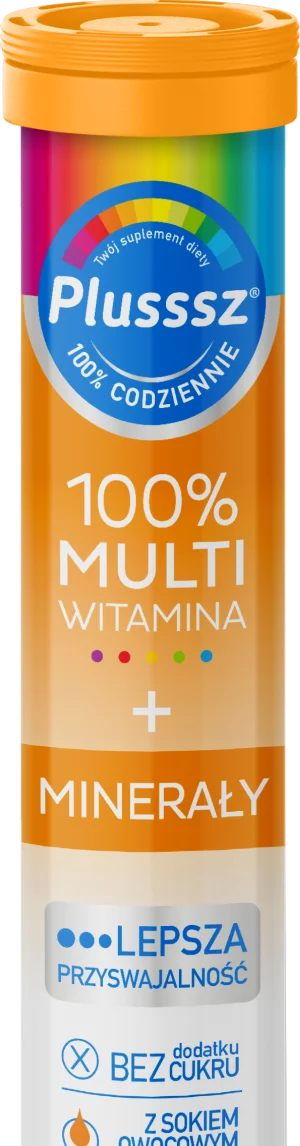
The UK supplement market has expanded rapidly. You will find electrolyte products from brands including Science in Sport, High Five, ORS Hydration, and specialist hydration-focused brands like Plusssz UK. Choosing between them requires knowing what to look for on the label rather than being guided by packaging or price alone.
The first thing to check is the sodium content per serving. An effective electrolyte supplement should deliver at least 250 to 500 mg of sodium per serving. Products that lead with potassium or magnesium but contain minimal sodium miss the primary mechanism for driving fluid absorption. Sodium must come first in meaningful doses.
After sodium, assess the potassium content. A ratio of roughly 2:1 sodium to potassium broadly mirrors the extracellular to intracellular fluid balance the body tries to maintain. Magnesium should appear in a bioavailable form such as magnesium citrate or magnesium malate rather than magnesium oxide, which has poor absorption. The difference in real-world effectiveness between these forms is not marginal.
No added sugar is a practical criterion, not just a lifestyle preference. As outlined earlier, high sugar concentration slows absorption and adds unnecessary calories. A no-added-sugar formula delivers the electrolyte load cleanly. Check for artificial sweeteners too if you are sensitive to them. Stevia-based sweeteners are generally well tolerated during exercise.
Finally, consider formulations tailored to your specific situation. A general electrolyte product works, but a formula designed for women's hormonal cycling, or one with added B vitamins for male energy metabolism, or one with adjusted mineral ratios for seniors, will deliver more relevant support for your actual biology.
Format |
Practical Advantages |
Limitations to Consider |
|---|---|---|
Effervescent tablets (e.g., Plusssz UK electrolyte tabs) |
Precise dosing, portable, dissolve quickly, no added sugar options widely available, minimal packaging bulk for travel or gym bags |
Requires water to dissolve, not suitable for on-the-go without preparation time |
Ready-to-drink sports drinks (e.g., High Five, Science in Sport) |
Convenient grab-and-go format, no preparation needed, consistent dosing per bottle |
Often contain added sugars or artificial colours, heavier to carry in volume, higher cost per serving, less flexible for adjusting intake |
Electrolyte powders |
High flexibility in dosing concentration, often more cost-effective per serving, easy to combine with multivitamin blends |
Requires measurement and mixing, can clump in humidity, not always practical mid-activity |
Timing matters. Taking an electrolyte supplement 20 to 30 minutes before activity allows absorption to begin before sweat losses accumulate. This pre-loading approach means you enter the session with optimal fluid and mineral status rather than playing catch-up from the first minute.
During activity lasting more than 45 minutes, aim to consume electrolytes every 30 to 45 minutes. For sessions under 45 minutes at moderate intensity, a pre-session serving and post-session recovery drink are generally sufficient. For endurance events over 2 hours in UK conditions, active sodium replacement mid-event is not optional. It is the difference between finishing strong and hitting the wall.
Post-session electrolyte intake is underutilised. Recovery begins with restoring mineral balance, not just refuelling with protein and carbohydrates. Reintroducing sodium and potassium after training drives fluid back into cells, reduces post-exercise inflammation markers, and improves the speed of glycogen resynthesis by supporting the enzymes involved in that process.
A post-workout electrolyte serving combined with a complete multivitamin complex covers both the mineral replenishment and the broader micronutrient demands of recovery. Many active people take these separately as part of a deliberate stack rather than relying on a single generic product to do everything.
Hydrating with electrolytes in the evening also improves sleep quality for many athletes. Magnesium in particular supports the parasympathetic nervous system and muscle relaxation. The connection between electrolyte sufficiency and sleep is underappreciated in mainstream sports nutrition conversations, but practitioners who have tested it consistently report measurable improvements in sleep depth and morning recovery scores.
A balanced diet provides baseline electrolyte intake, but it rarely keeps pace with what an active person loses through training. Sweat losses during a 60-minute moderate-intensity run can deplete 500 to 1000 mg of sodium, an amount difficult to replace through food alone before the next session. If you train more than three times per week, targeted supplementation is justified and practical rather than excessive.
Yes. Effectiveness in hydration comes from sodium content and the osmolarity of the solution, not from sugar. In fact, no-added-sugar formulas often hydrate faster because they present a lower osmolarity to the gut, which accelerates gastric emptying. The absence of sugar removes a genuine performance barrier rather than reducing efficacy.
A simple sweat rate test involves weighing yourself before and after a one-hour training session without consuming any fluids during it. Every kilogram lost represents approximately one litre of sweat. Heavy sweaters lose more than 1.5 kg per hour and need higher sodium intake. Light sweaters losing under 0.7 kg per hour still need electrolytes but at more moderate doses. Your sweat saltiness, visible white residue on skin or clothing, indicates higher sodium loss specifically.
Daily use is appropriate for consistently active individuals. On rest days, a single serving supports baseline mineral balance, particularly for magnesium and potassium, which are chronically low in many UK adults regardless of training. There is no evidence that daily electrolyte supplementation at normal doses causes any adverse effect in healthy individuals.
Sex-specific formulas account for differences in sweat composition, hormonal influences on mineral retention, and distinct micronutrient needs. Women's formulas often include higher magnesium and iron to support hormonal cycling and energy metabolism. Men's formulas may emphasise zinc for testosterone regulation and higher sodium to match typically greater sweat volumes in male athletes. A general formula works, but a targeted one adds meaningful specificity.
Yes, and they are particularly beneficial. Older adults have a reduced thirst response and less efficient renal conservation of sodium and potassium, making proactive electrolyte intake more important rather than less. Products formulated specifically for seniors, with adjusted mineral ratios and appropriate B vitamin support, are preferable to standard sports-focused products that may be calibrated for younger, heavier athletes.
Have you noticed a difference in your energy or recovery since paying closer attention to your electrolyte intake? Share what changed for you, whether your experience matches what is described here or whether you found something unexpected.